Healthy Proteins to Add Power to Your Salad
Discover top protein sources to transform your salads into balanced, satisfying meals.
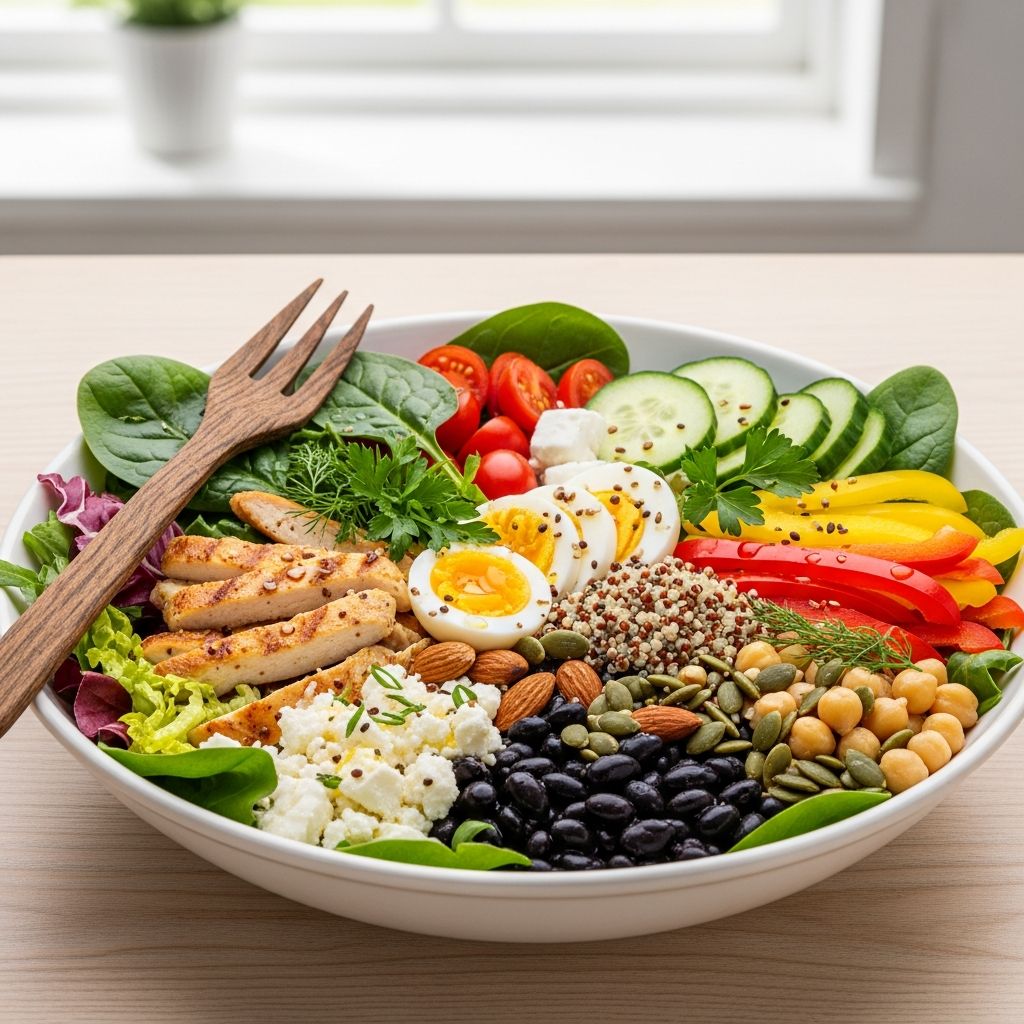
Salads are a cornerstone of healthy eating, packed with vegetables, fiber, and essential micronutrients. However, many salads lack sufficient protein, which is crucial for maintaining satiety, supporting muscle health, and creating truly balanced meals. Adding a quality protein source transforms a simple salad into a complete, nutritionally dense meal that can sustain you throughout the day.
Balanced meals that include protein, carbohydrates, fiber, and healthy fats are essential for maintaining optimal health. They provide your body with the necessary nutrients and energy to support various bodily functions and overall well-being. When you add protein to your salad, you increase satiety, enhance energy levels, balance blood sugar, and support athletic performance and body composition. Additionally, protein and fat help your body digest carbohydrates more slowly, providing a steady stream of energy that keeps you feeling full longer.
Animal-Based Protein Options
Chicken
Cooked chicken is arguably the most popular protein addition for salads and for good reason. Whether you choose grilled chicken breast, chicken thigh, or leftover rotisserie meat, chicken is an excellent source of lean protein that quickly adds nutritional value to any meal. One of the greatest advantages of chicken is its versatility—it can be added hot or cold, making it an ideal choice for using leftovers or as part of a simple meal prep strategy to ensure you have high-protein salads available throughout the week.
Nutrition Profile: A 3-ounce serving of cooked chicken breast provides approximately 27.3 grams of protein. This makes it one of the most protein-dense options available for salad toppings.
Beef and Steak
Red meat sometimes receives unfair criticism, but it is actually a nutrient-dense protein source. Beef is an excellent source of niacin, vitamin B6, vitamin B12, phosphorus, zinc, and iron, with a 100-gram serving providing over 25% of the recommended daily intake for these nutrients. In addition to these essential vitamins and minerals, beef provides omega-3 fatty acids, creatine, taurine, glutathione, and CLA. You can top your salad with a lean cut of steak or even ground beef seasoned for a taco salad variation.
Nutrition Profile: A 3-ounce serving of grilled steak provides 23.2 grams of protein.
Salmon
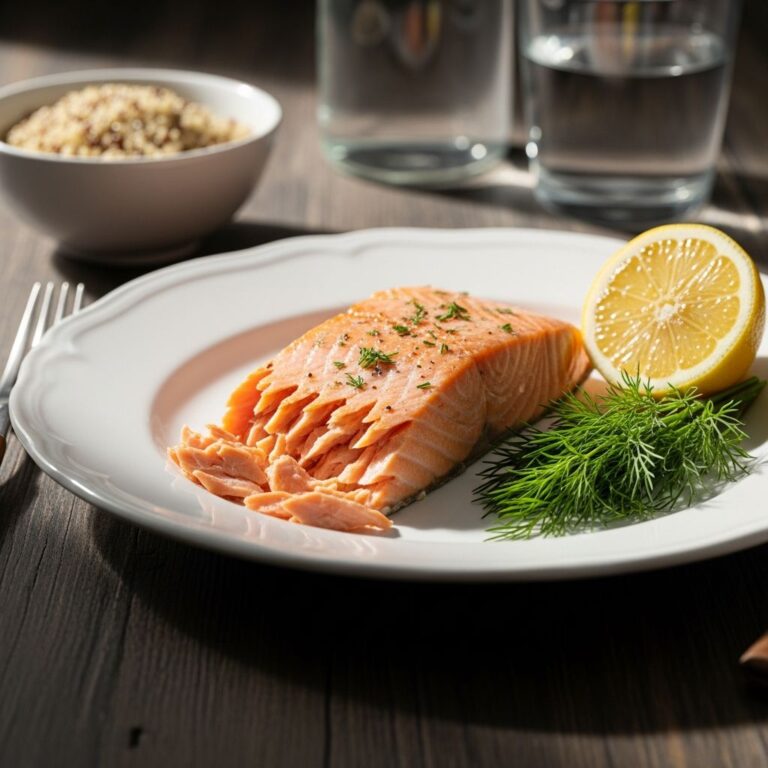
Whether prepared as a smoked salmon salad or a traditional salmon Nicoise salad, salmon is an excellent protein choice that also delivers beneficial omega-3 fatty acids. Salmon can be served fresh, frozen, canned, or smoked, providing flexibility based on your preferences, budget, and scheduling needs.
Nutrition Profile: A 3-ounce serving of cooked salmon provides 21.6 grams of protein. For a more comprehensive salad experience, try pairing salmon with complementary ingredients like grapefruit and lentils, which together deliver 26 grams of protein per serving.
Canned Tuna
Canned tuna and other canned fish options provide a convenient, lean source of protein that pairs well with virtually any salad combination. Canned tuna has a relatively neutral taste, making it suitable for tossing into mixed salads with dressing or for creating traditional tuna salad mixtures. If you’re concerned about calorie content, choose water-packed tuna instead of oil-packed varieties, which contain significantly more fat and calories per serving.
Related Stories



Nutrition Profile: A 3-ounce serving of canned tuna provides 20.1 grams of protein.
Shrimp
Shrimp is another popular seafood option that makes an excellent protein addition to salads. It’s full of lean protein and contains valuable micronutrients including selenium, iron, and vitamin B12. You can use any form of shrimp that fits your budget, needs, and preferences—fresh, frozen, canned, or already cooked from the store, which is especially convenient for busy days.
Nutrition Profile: A 3.5-ounce (100-gram) serving of cooked shrimp provides 99 calories and 24 grams of protein with only 0.3 grams of fat.
Crab Meat
Crab meat offers another seafood option for salad lovers, providing quality protein alongside various micronutrients that support overall health. Like other seafood proteins, crab can be incorporated into salads in multiple ways depending on availability and preference.
Plant-Based Protein Options
Legumes: Beans and Chickpeas
Legumes such as chickpeas, black beans, kidney beans, and garbanzo beans are among the most protein-rich plant-based options available and are remarkably easy to mix into salads. These affordable, nutrient-dense foods are low in fat, low glycemic index (GI), and excellent sources of B group vitamins, iron, zinc, folate, calcium, and magnesium, making them budget-friendly nutrition choices.
Chickpeas are commonly thought of as plant protein heroes and are part of the legume family. Just one cup of cooked chickpeas provides 12 grams of protein, and legumes in general deliver between 10-20 grams of protein per serving. You can easily incorporate chickpeas into salads raw, or toast and bake them to create a crispy, crunchy protein topping.
Nutrition Profile: Half a cup of chickpeas contains around 7 grams of protein, while a 3/4-cup serving of cooked chickpeas provides 10.9 grams of protein.
Lentils
Lentils are versatile legumes that work beautifully in salads, offering substantial protein content along with fiber and essential micronutrients. Canned lentils provide an easy and elegant way to boost the protein content of your salads without requiring advance cooking. They pair particularly well with other ingredients and can be combined with grains, vegetables, or enjoyed on their own.
Nutrition Profile: Lentils are listed among high-protein food options, and when combined with salmon and grapefruit, they contribute to a salad providing 26 grams of protein per serving.
Edamame
Edamame are immature green soybeans and serve as a hearty, high-protein topping for salads. They are one of the few sources of vegetarian protein that contain all nine essential amino acids, making them a complete protein source. Edamame are also an excellent source of fiber, contributing to digestive health and sustained satiety. Shelled edamame beans can be added directly to green salads or mixed with grains or lentils to create filling, make-ahead salad options.
Nutrition Profile: One cup of edamame contains around 18 grams of protein, while a 3/4-cup serving of shelled edamame provides 13.8 grams of protein.
Tempeh
Tempeh is a fermented soy product that offers a complete protein source with all essential amino acids. It provides a firmer texture compared to tofu and can be incorporated into salads either raw or lightly cooked for additional flavor development.
Tofu
Baked tofu serves as a complete protein and adds appealing texture and richness to any plant-based salad. Tofu is versatile and absorbs flavors from dressings and other salad ingredients, making it an adaptable protein choice for various flavor profiles and culinary preferences.
Additional Protein Boosters
Seeds and Nuts
Sunflower seeds, roasted almonds, and candied walnuts add satisfying crunch along with protein and healthy fats to your salads. Among common plant foods, nuts and seeds contain the most protein per 100 grams—just a handful of nuts (a 30-gram serve) provides up to 6 grams of protein. Nuts are also excellent sources of heart-healthy fats. Pecans, for example, are one of the few plant sources of omega-3 fats and contain both mono- and polyunsaturated fats important for cardiovascular health. Walnuts are similarly beneficial plant sources of omega-3 fats.
Whole Grains
When you think of grains, carbohydrates typically come to mind first, but whole grains, including wholegrain barley, are also valuable sources of plant protein. Salads featuring brown rice, barley, buckwheat, or quinoa provide good amounts of protein while supporting digestive health. The benefits of whole grains extend beyond nutrition—they help keep your gut healthy through their fiber content. You can easily swap one type of grain for another in recipes for variety and continued nutritional benefits.
Nutrition Profile: Pearl barley and beetroot salad with sumac provides 13 grams of protein per serving, demonstrating how whole grain-based salads contribute meaningfully to daily protein intake.
Dairy Additions
A sprinkle of feta or goat’s cheese on your salad will increase protein intake while adding distinctive flavor. Yogurt-based dressings also contribute additional protein to your salad while providing beneficial probiotics.
Tahini and Hummus
Tahini-based dressings and hummus can lift your salad’s flavor profile while simultaneously increasing its protein level. These sesame-based products provide plant-based protein along with healthy fats and minerals.
Building Your Perfect Protein-Packed Salad
The Foundation: Choose Your Greens
Start by selecting nutrient-dense salad greens that provide vitamins, minerals, and fiber. Excellent base options include spinach, kale, and romaine lettuce. Each offers distinct nutritional profiles and flavor characteristics that can be matched to your protein choice and other ingredients.
Layer Your Components
A well-constructed salad includes multiple components working together to create nutritional balance and culinary interest. Here’s how to layer your ingredients:
- Protein Component: Choose from the animal or plant-based options discussed above—tamari tofu, garbanzo beans, black beans, edamame, chicken, salmon, or any other preferred protein source.
- Crunch Factor: Add textural variety with sunflower seeds, shredded carrots, or nuts that also contribute protein and healthy fats.
- Flavor Enhancers: Include roasted broccoli, corn, or tahini dressing to add depth of flavor while maintaining nutritional value.
- Color and Micronutrients: Incorporate a variety of colorful vegetables to maximize micronutrient intake and visual appeal.
Complete Protein Combinations
When using plant-based proteins, consider pairing beans with rice, bread, or crackers to create a complete protein containing all nine essential amino acids. This combination strategy ensures you receive the full spectrum of amino acids your body needs for optimal function.
Sample High-Protein Salad Ideas
Roasted Chickpea and Cauliflower Salad
This simple yet delicious salad delivers a whopping 18 grams of protein per serving, primarily from chickpeas. The salad is topped with a zesty, minty fresh yogurt dressing that adds additional protein while providing tangy flavor balance against the roasted vegetables.
Sweet Pumpkin Salad with Green Beans and Pecans
This hearty salad provides 21 grams of protein per serving through the combination of pecans and other ingredients. The pecans contribute omega-3 fats and heart-healthy unsaturated fats while adding satisfying crunch and richness. This salad can be served while the pumpkin is still warm, and Jerusalem artichokes can be left out or swapped for sliced potato, which surprisingly contains plant protein.
Tomato, Borlotti Bean and Rocket Salad
This fresh, colorful salad is bursting with flavor and provides 12 grams of protein per serving while being high in fiber as well. The combination of beans and fresh vegetables creates both nutritional density and culinary satisfaction.
Pearl Barley, Beetroot and Sumac Salad
This Middle Eastern-inspired recipe uses roasted ingredients to create a rustic, hearty salad with vibrant color that delivers 13 grams of protein per serving. The whole grain barley serves as the primary protein source, with the option to swap for brown rice or quinoa based on preference and availability.
Frequently Asked Questions
Q: How much protein should a salad contain to be considered a complete meal?
A: Most nutritionists recommend including at least 15-20 grams of protein in a salad to make it a satisfying, complete meal. This amount provides sufficient protein for satiety and helps balance the carbohydrates and fiber from vegetables and grains.
Q: Can I meal-prep salads with protein in advance?
A: Yes, many salad components can be prepared ahead. Cooked proteins like chicken, grilled steak, or canned fish store well for several days. Beans and legumes can be prepared in bulk and refrigerated. However, dress your salad just before eating to prevent vegetables from becoming soggy.
Q: Are plant-based proteins as complete as animal-based proteins?
A: Most plant proteins are incomplete, lacking one or more essential amino acids. However, edamame and soy products like tofu and tempeh are complete proteins containing all nine essential amino acids. You can also create complete proteins by combining complementary plant sources, such as beans with grains.
Q: What’s the best way to add crunch to a protein-packed salad?
A: Seeds and nuts provide excellent crunch while contributing protein and healthy fats. Sunflower seeds, almonds, and walnuts are particularly effective choices. You can also add texture through roasted vegetables or crispy legumes like toasted chickpeas.
Q: How does adding protein to a salad affect digestion and energy levels?
A: Adding protein and fat to salads helps your body digest carbohydrates more slowly, providing steady energy throughout the day rather than rapid blood sugar spikes. Protein also increases satiety, helping you feel fuller for longer and reducing overall calorie consumption.
Q: Can I use canned or frozen protein options for salads?
A: Absolutely. Canned tuna, canned beans, frozen shrimp, and other preserved protein options are convenient, affordable, and nutritionally equivalent to fresh versions. These options are particularly valuable for busy individuals or those planning meals in advance.
Q: What dressings pair well with high-protein salads?
A: Tahini-based dressings and hummus dressings add additional plant-based protein while providing flavor. Yogurt-based dressings also contribute protein. Choose dressings that complement your chosen protein—lighter vinaigrettes work well with fish, while creamy dressings enhance heartier proteins like beef or chickpeas.
References
- Plant-Based Salads That Pack Protein — Simply Salad. Accessed 2026-01-28. https://simplysalad.com/plant-based-salad-protein
- 18 Ways to Add Protein to a Salad — Stephanie Kay Nutrition. Accessed 2026-01-28. https://kaynutrition.com/ways-to-add-protein-to-a-salad/
- 5 High Protein Salads That Are Plant-Based — Sanitarium. Accessed 2026-01-28. https://www.sanitarium.com/au/health-nutrition/nutrition/5-high-protein-summer-salads-that-are-plant-based
- 21 High Protein Salads — Nutrition to Fit by Lindsey Janeiro. Accessed 2026-01-28. https://nutritiontofit.com/salad-protein/
- 30 High-Protein Salads to Help You Hit Your Goals — Good Housekeeping. Accessed 2026-01-28. https://www.goodhousekeeping.com/food-recipes/healthy/g63150235/high-protein-salad-recipes/
- How to Build a Better Salad — Heart and Stroke Foundation of Canada. Accessed 2026-01-28. https://www.heartandstroke.ca/articles/how-to-build-a-better-salad
- Try These 21 High-Protein Foods — Cleveland Clinic Health Essentials. Accessed 2026-01-28. https://health.clevelandclinic.org/high-protein-foods
Similar Articles








Read full bio of Sneha Tete