Building a Healthy Relationship with Chocolate
Discover how to enjoy chocolate mindfully while reaping its scientifically-proven health benefits.
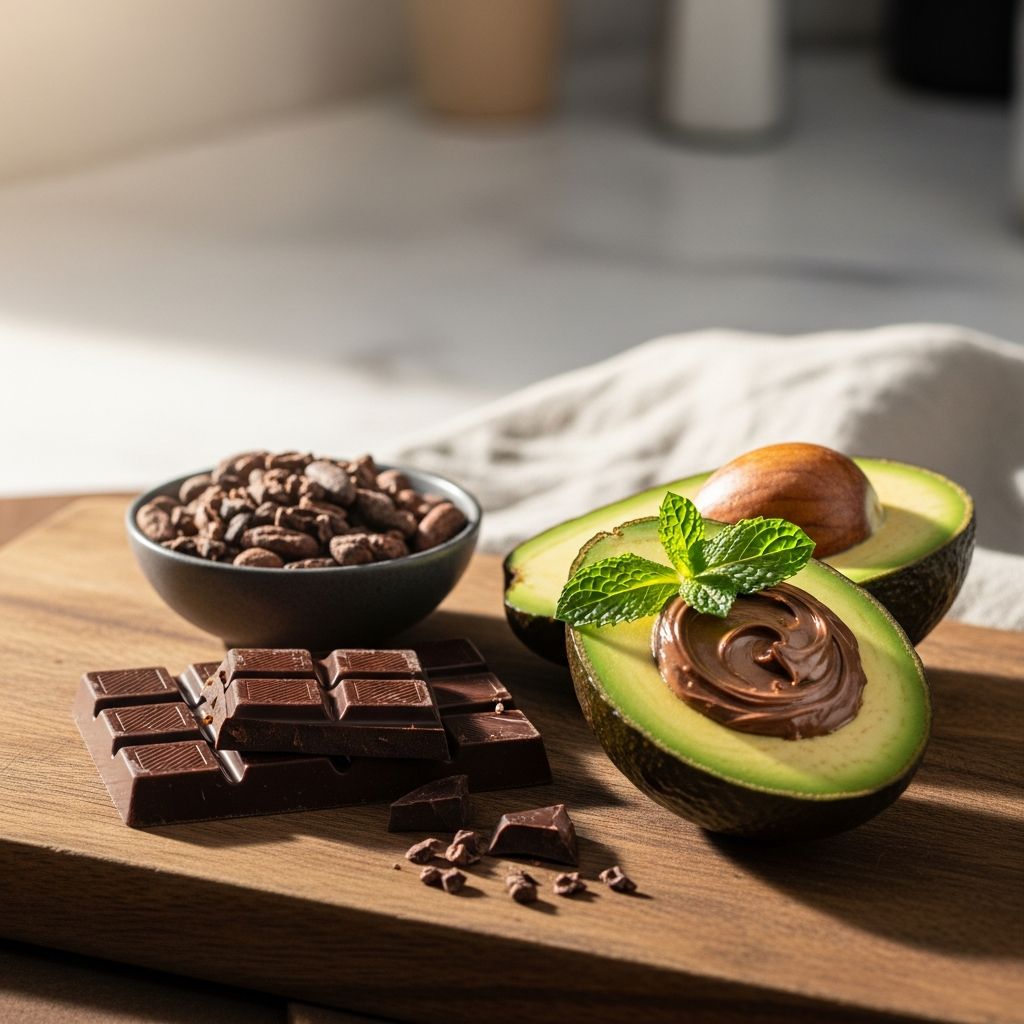
Chocolate has long been viewed as an indulgent treat—something to enjoy occasionally and often accompanied by feelings of guilt. However, emerging scientific research reveals a more nuanced story. When consumed thoughtfully and in appropriate portions, chocolate can be a valuable component of a healthy lifestyle. The key lies not in eliminating chocolate from your diet, but in developing a mindful and balanced relationship with this beloved treat. Understanding the distinction between chocolate consumption and chocolate enjoyment is the first step toward making informed choices that support both your physical health and emotional well-being.
The transformation from viewing chocolate as forbidden fruit to recognizing it as a potential health ally requires a shift in perspective. Rather than adopting an all-or-nothing approach, health experts increasingly recommend a measured strategy that acknowledges chocolate’s genuine nutritional value while respecting its caloric density. This balanced approach allows you to experience the pleasure of chocolate without compromising your health goals, provided you understand what to look for and how to enjoy it mindfully.
Understanding Dark Chocolate’s Nutritional Profile
The foundation of a healthy chocolate relationship begins with selecting the right type of chocolate. Dark chocolate stands apart from its milk and white chocolate counterparts due to its superior nutritional composition. Unlike processed chocolate varieties laden with excess sugar and minimal cocoa content, high-quality dark chocolate contains significant amounts of beneficial compounds that support various aspects of health.
Dark chocolate is rich with essential minerals including magnesium, zinc, iron, phosphorus, and copper. These micronutrients play critical roles in maintaining bodily functions. Iron fortifies the blood and oxygen transport, calcium and magnesium strengthen bones and support muscle function, while copper helps regulate the body’s electrical signals and ensures a regular heartbeat. Additionally, dark chocolate contains a variety of polyphenolic compounds, particularly antioxidants and flavonoids, which provide protective benefits against cellular damage and inflammation.
When selecting dark chocolate for maximum health benefits, look for products containing at least 70% cocoa content. This percentage ensures you’re consuming a product with higher concentrations of beneficial compounds and lower amounts of added sugars. The higher the cocoa percentage, the more pronounced the health-promoting compounds and the less refined sugar the product typically contains. This simple guideline becomes your most practical tool for making healthier chocolate choices at the grocery store.
Cardiovascular and Heart Health Benefits
One of the most compelling reasons to incorporate chocolate into your diet is its documented cardiovascular benefits. Research from Johns Hopkins University has shown that regular, moderate chocolate consumption can significantly reduce health risks. A notable 2006 study confirmed that daily consumption of small amounts of chocolate reduces the risk of heart attacks by up to 50 percent. This dramatic finding emerged from examining how cocoa’s chemical compounds produce effects similar to aspirin in reducing platelet clumping—a process that can be fatal if blood clots form and block blood vessels.
The flavonoids present in chocolate play a particularly important role in heart health. These bioactive compounds help lower bad cholesterol levels and prevent plaque accumulation on artery walls—a major contributor to cardiovascular disease. Beyond cholesterol management, flavonoids improve blood flow throughout the arterial system and help lower blood pressure by promoting vasodilation, the widening of blood vessels that allows blood to circulate more efficiently through wider channels at lower pressures.
Research demonstrates a clear dose-response relationship: those who consume moderate amounts of chocolate show measurably reduced heart disease risk compared to non-consumers. The cardiovascular protection appears to stem from chocolate’s ability to enhance blood flow not only to the heart but throughout the entire body. This improved circulation delivers oxygen and nutrients more efficiently to vital organs and tissues, supporting overall cardiovascular function and longevity.
Related Stories



Neurological Benefits and Brain Function
Beyond heart health, emerging research reveals that chocolate consumption positively influences brain function and neurological health. Researchers at Loma Linda University have conducted extensive studies examining the relationship between cacao consumption and cognitive abilities. Lee S. Berk, the principal investigator of these studies, discovered that consumption of certain types of dark chocolate noticeably improves people’s cognitive abilities. The rate of cacao consumption is directly proportional to a person’s positive moods and cognitive acuity levels.
From a biological perspective, cacao enhances the brain’s functions through regulation of immune responses and sensory perceptions in cells. The research revealed that cacao regulates activities of various signaling pathways in the human body, including the T cell pathway—a signaling pathway involving T cell lymphocytes that hunt down and destroy germs and cancerous cells. This immune-modulating effect contributes to overall health protection at the cellular level.
Theobromine, a naturally occurring chemical compound found in cacao beans, plays a significant role in chocolate’s neurological benefits. Interestingly, every human being is born with theobromine receptors, suggesting an evolutionary compatibility between humans and chocolate. When delivered to the bloodstream, theobromine crosses the blood-brain barrier—similar to caffeine—and increases mental focus while improving breathing patterns. Theobromine has a half-life of 6-8 hours in the human body, with peak effects occurring 2 to 3 hours after ingestion, making chocolate an effective tool for sustained mental clarity throughout your day.
Antioxidants and Anti-Inflammatory Properties
The antioxidant content of dark chocolate represents one of its most valuable health-promoting characteristics. Antioxidants are compounds known to reduce inflammation and prevent cellular damage that can lead to chronic diseases, including cancer. Dark chocolate contains an abundance of these protective compounds, making it exceptionally rich in antioxidant activity compared to many other foods.
For those seeking chocolate’s benefits without consuming an entire chocolate bar, cocoa nibs offer a concentrated source of antioxidants and fiber. These small pieces of pure cacao can be incorporated into cereals, smoothies, or baked goods, providing a chocolatey crunch along with significant health benefits. The extra fiber from cocoa nibs also supports digestive health by promoting beneficial gut bacteria and regular bowel movements. Adding cocoa nibs to your morning cereal or blending them into smoothies allows you to enjoy chocolate’s nutritional benefits in a more versatile and portion-controlled manner.
The Psychological and Emotional Dimension
A healthy relationship with chocolate extends beyond physical health to encompass emotional and psychological well-being. Research has consistently shown that people associate chocolate with relaxation and moments of quiet reflection. In a peer-reviewed 2020 study about the perception of craft chocolate in America, consumers linked chocolate to relaxation or peaceful moments. One female study participant noted: “There are just some mornings where it’s a little more stressful than other mornings and it’s like that chocolate just gives you that, ‘Ah. Okay, I’m ready to go now.'”
This psychological benefit is not merely subjective; it reflects real neurochemical changes triggered by chocolate consumption. The compounds in chocolate can influence serotonin levels, often referred to as the “happiness hormone,” contributing to improved mood and reduced stress perception. Moreover, the act of mindfully consuming chocolate—pausing during a hectic day to savor a small piece—creates space for mental restoration and emotional regulation.
Chocolate can serve as an effective tool for managing daily stress and promoting mental wellness. When facing particularly demanding days, a small chocolate treat can provide both psychological comfort and physiological support through its mood-enhancing compounds. This approach transforms chocolate from a source of guilt into a legitimate wellness intervention, provided it’s practiced mindfully and in moderation.
Practical Guidelines for Mindful Chocolate Consumption
Understanding chocolate’s benefits is only half the equation; the other half involves implementing practical strategies for enjoying it healthfully. Nutritionists and health experts have developed clear guidelines to help you maximize chocolate’s benefits while minimizing potential downsides like excess calorie consumption.
Portion Control: An ounce of dark chocolate represents the optimal serving size—approximately the size of a small square or two pieces from a standard chocolate bar. This portion provides sufficient amounts of beneficial compounds while keeping caloric intake reasonable. Rather than consuming chocolate throughout the day, allocating a specific ounce for a dedicated chocolate moment creates anticipation and enhances satisfaction.
Frequency Recommendations: Rather than consuming chocolate daily, health professionals recommend enjoying it no more than three times per week. This frequency allows you to experience chocolate’s health benefits while preventing overconsumption and maintaining caloric balance within your overall diet. This moderate approach prevents chocolate from becoming a dietary staple that could contribute to weight gain or other health concerns.
Selection Criteria: Always choose dark chocolate with at least 70% cocoa content to ensure you’re consuming a product rich in beneficial compounds and lower in added sugars. Read labels carefully, as much of the chocolate on the market lacks significant nutritional value and is loaded with refined sugars and artificial ingredients. Higher-quality, single-origin dark chocolates often provide superior flavor experiences and higher concentrations of beneficial compounds.
Mindful Eating Practice: Eat chocolate mindfully—don’t consume an entire box while distracted in front of the television. Instead, set aside time to sit, savor each piece, and fully experience the chocolate. This practice enhances satisfaction, allows you to feel more fulfilled eating less chocolate, and creates a meditative moment in your day. Mindful eating transforms chocolate consumption from unconscious snacking into intentional wellness practice.
Chocolate as Part of a Balanced Lifestyle
Developing a healthy relationship with chocolate means integrating it into an overall balanced lifestyle rather than viewing it as a standalone solution. Chocolate consumption should complement other healthy habits including regular physical activity, adequate sleep, stress management, and a diet rich in whole foods.
Consider chocolate as one component of a comprehensive wellness approach. Rather than expecting chocolate alone to improve your health, recognize it as a helpful addition to already-healthy practices. When combined with regular exercise, proper hydration, adequate sleep, and overall nutritious eating habits, chocolate’s benefits become part of a synergistic approach to health optimization.
Additionally, pairing chocolate consumption with outdoor activities or moments of mindfulness can amplify its wellness benefits. The combination of consuming quality dark chocolate with intentional quiet time in nature—what some cultures call “forest bathing”—creates powerful moments for both physical and mental restoration. This integrated approach acknowledges that health encompasses multiple dimensions: physical, mental, emotional, and spiritual.
Distinguishing Quality Chocolate from Commercial Products
Not all chocolate products deliver the health benefits discussed in this article. Mass-produced, commercial chocolate often contains minimal cocoa content and excessive added sugars, offering little nutritional value while contributing significantly to caloric intake. These products prioritize taste through sugar and fat rather than leveraging chocolate’s natural flavors and beneficial compounds.
Quality dark chocolate, by contrast, emphasizes pure cocoa content and minimal processing. Single-origin chocolates, craft chocolates, and products specifically formulated for nutritional benefit tend to contain higher percentages of cocoa and lower amounts of additives. While these products may cost more than commercial alternatives, the superior flavor profile and genuine health benefits justify the investment as part of your wellness regimen.
When shopping, examine labels for:
- Cocoa content of 70% or higher
- Short ingredient lists featuring recognizable components
- Minimal added sugars
- Absence of artificial flavors or excessive additives
- Fair-trade or ethically sourced certifications when possible
Special Considerations and Alternatives
If you’re seeking chocolate’s health benefits without the caloric content of solid chocolate, unsweetened hot cocoa prepared without cream or excessive sugar offers an excellent alternative. A warm cup of unsweetened cocoa delivers the beneficial compounds of cacao in a lower-calorie format, making it particularly suitable for evening consumption or as a post-workout beverage.
Those with caffeine sensitivity should note that while chocolate contains some caffeine, theobromine—its primary stimulant compound—produces milder effects than coffee. Theobromine’s longer half-life means its effects build gradually, making chocolate less likely to cause the jittery feelings associated with coffee consumption. However, sensitive individuals should still avoid chocolate close to bedtime.
Frequently Asked Questions
Q: How much dark chocolate should I eat per serving?
A: One ounce of dark chocolate—typically one to two squares—represents an ideal serving size. This portion provides beneficial compounds without excessive calories or sugar.
Q: How often can I eat chocolate and still maintain health?
A: Health experts recommend consuming dark chocolate no more than three times per week to maximize benefits while preventing overconsumption and maintaining nutritional balance.
Q: What percentage of cocoa content should I look for?
A: Select dark chocolate with at least 70% cocoa content to ensure you’re consuming products rich in beneficial compounds and lower in added sugars and additives.
Q: Can chocolate help with heart health?
A: Yes, research shows that moderate consumption of dark chocolate reduces heart attack risk by up to 50 percent. The flavonoids in chocolate help lower cholesterol, prevent arterial plaque, and improve blood flow.
Q: Does chocolate improve brain function?
A: Research demonstrates that cacao consumption improves cognitive abilities, mental focus, and mood through its effect on brain signaling pathways. Theobromine in chocolate crosses the blood-brain barrier to enhance mental clarity.
Q: Is milk chocolate as healthy as dark chocolate?
A: No, milk chocolate typically contains less cocoa content and more added sugars and milk fat than dark chocolate, resulting in fewer beneficial compounds and less health value.
Q: Can I consume chocolate if I’m trying to lose weight?
A: Yes, in moderation. An ounce of dark chocolate three times weekly fits within most balanced nutrition plans. Mindful consumption prevents overeating while allowing you to enjoy chocolate’s benefits.
References
- 5 Health Benefits of Dark Chocolate — Moka Origins. 2024. https://mokaorigins.com/blogs/moka-blog/5-health-benefits-of-chocolate
- Chocolate can be healthy! — Johns Hopkins Aramco Healthcare. 2024. https://www.jhah.com/en/news-events/in-focus/chocolate-can-be-healthy
- Eating dark chocolate has neurological benefits — Johns Hopkins Newsletter. 2018-05-15. https://www.jhunewsletter.com/article/2018/05/eating-dark-chocolate-has-neurological-benefits
- Studies Say Chocolate Really is Good for You — American Board of Health and Obesity. 2024. https://www.abho.org/News/35/Studies_Say_Chocolate_Really_is_Good_for_You/False
- The Health Benefits of Chocolate — Johns Hopkins Medicine. 2018-05-03. https://www.hopkinsmedicine.org/health/healthy-woman
Similar Articles








Read full bio of Sneha Tete