10 Healthy Rice Options Dietitians Recommend
Discover the 10 best healthy rice varieties recommended by dietitians for optimal nutrition, blood sugar control, and delicious meals.
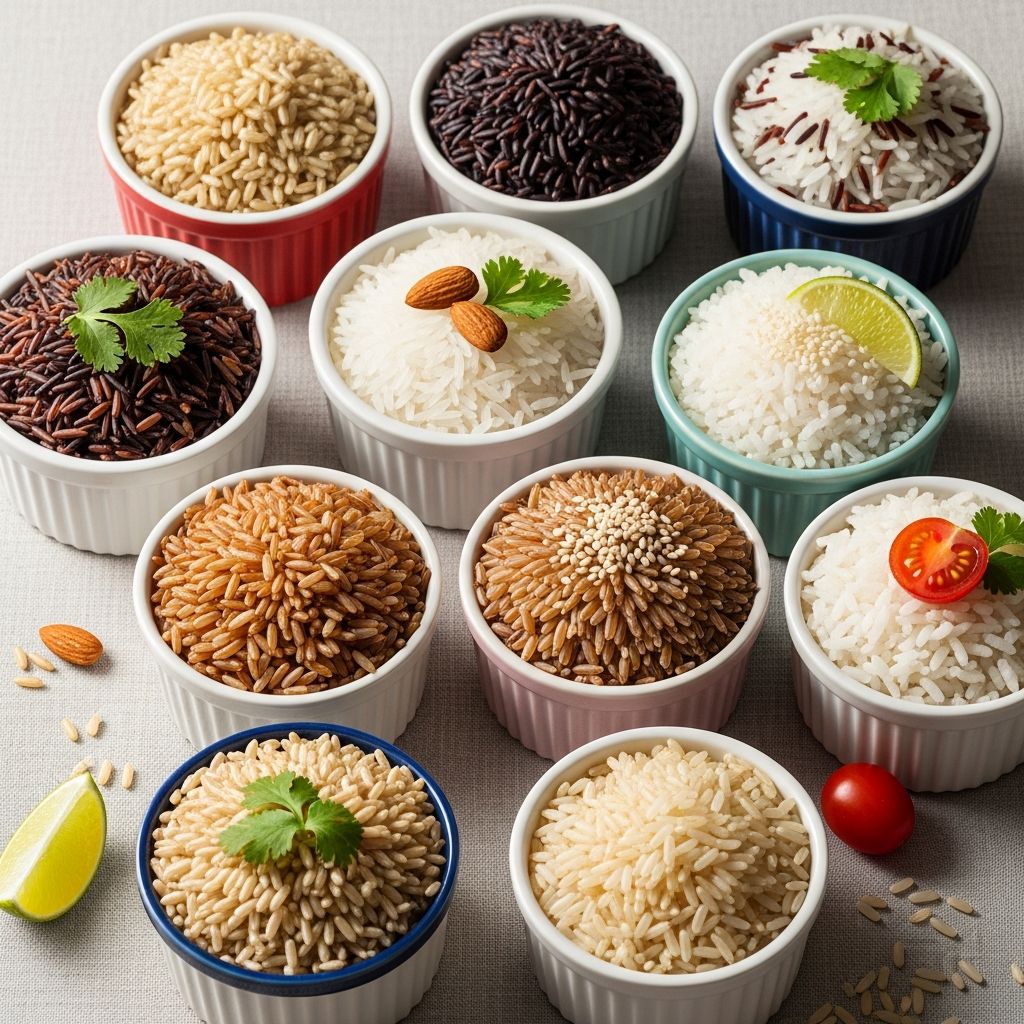
Rice is a dietary staple for over half the world’s population, providing essential energy through carbohydrates. But not all rice is created equal when it comes to health benefits. While white rice dominates supermarket shelves, offering refined convenience, whole grain and alternative varieties deliver superior nutrition including higher fiber, protein, antioxidants, and minerals that support heart health, digestion, blood sugar regulation, and disease prevention.
Dietitians emphasize choosing minimally processed rices with intact bran layers. These nutrient-dense options help combat common diet pitfalls like blood sugar spikes and nutrient deficiencies. According to USDA data, whole grains reduce type 2 diabetes risk by 30% compared to refined grains.1 This comprehensive guide spotlights 10 healthy rice varieties recommended by registered dietitians, complete with nutritional benefits, cooking tips, and creative recipe ideas to elevate your grain game.
1. Black Rice (Forbidden Rice)
Black rice earns its mysterious “forbidden” nickname from ancient Chinese emperors who reserved it exclusively for royalty due to its striking purple-black hue and potent health properties. Today, this whole grain rice reveals iron-rich bran beneath its dramatic exterior.
Key Nutritional Benefits:
- Highest anthocyanin content among grains—more powerful antioxidants than blueberries
- 6g fiber per cooked cup vs. 1.8g in white rice
- 9g plant protein per serving
- Rich in iron (15% DV) and vitamin E
Antioxidants in black rice combat oxidative stress linked to cancer, heart disease, and aging. A 2023 study in Food Chemistry found its anthocyanins reduce inflammation markers by 25%.2 Its nutty, slightly sweet flavor pairs beautifully with tropical fruits, seafood, or dark leafy greens.
Cooking Tips: Rinse thoroughly to remove excess starch. Use 1:1.75 rice-to-water ratio. Simmer 35-40 minutes. Perfect chewy texture emerges naturally—no soaking required.
2. Red Rice
Vibrant red rice grows predominantly in Bhutan and southern India, where mountainous terroir concentrates its mineral profile. The red bran layer packs peryl, a potent antioxidant also found in berries.
- 4x more fiber than white rice
- Manganese (88% DV) supports metabolism and bone health
- Zinc (12% DV) boosts immunity
- Lower glycemic index (55 vs. white rice’s 73)
Its chewy texture and earthy, nutty taste make red rice ideal for pilafs, burritos, or chilled rice salads. Dietitians love its versatility and ability to promote satiety.
3. Brown Rice
The gold standard of whole grain rice, brown rice retains its nutrient-packed bran and germ layers that white rice milling removes. Available as long, medium, or short grain varieties.
| Nutrient | Brown Rice (1 cup cooked) | White Rice (1 cup cooked) |
|---|---|---|
| Fiber | 3.5g | 0.6g |
| Magnesium | 84mg (20% DV) | 19mg (5% DV) |
| B Vitamins | High | Low |
Brown rice’s magnesium aids blood pressure regulation while its fiber feeds beneficial gut bacteria. NIH research confirms whole grain consumption correlates with 22% lower cardiovascular risk.3
Related Stories



4. Wild Rice
Technically a grass seed rather than true rice, wild rice offers unmatched nutrition from North American lakes. Its tender chew delivers:
- 3g fiber + 6.5g protein per ½ cup cooked
- More antioxidants than black rice
- 15x more zinc than brown rice
- Low calorie density
Nutty, tea-like flavor shines in stuffings, pilafs, or creamy risottos. Pair with mushrooms, nuts, and dried fruit for Thanksgiving-worthy dishes.
5. Basmati Rice
Aromatic basmati rice from India and Pakistan releases heavenly fragrance during cooking. Even brown basmati retains 80% more fiber than white jasmine rice.
GI of 50-58 prevents blood sugar spikes. Its elongated grains stay separate when cooked—a boon for biryanis, pilafs, and curries. Aged basmati develops even more nuanced aroma.
6. Black Japonica Rice
This Japanese heirloom rice combines sweet glutinous and savory black rice varieties. Its unique savory-sweet profile and jet-black color make it Instagram-famous.
- Rich in iron and anthocyanins
- Sticky texture perfect for sushi or onigiri
- High in phytonutrients
7. Wehani Rice
California-grown Wehani rice pops open during cooking, revealing striking maroon bran. Developed from Basmati genetics, it offers aromatic complexity with chewy texture.
High fiber content (4g/cup) and manganese make it digestive-friendly. Buttery flavor enhances pilafs, stuffings, and grain bowls without overpowering other ingredients.
8. Cauliflower Rice
Not rice at all, riced cauliflower slashes carbs by 90% while boosting veggie intake. One cup delivers just 29 calories versus 205 in white rice, plus vitamin C and K.
Prep Methods:
- Food processor pulsing
- Box grater
- Store-bought frozen
Sautés in 3 minutes. Perfect low-carb base for stir-fries, burrito bowls, or fried “rice.”
9. Quinoa
The ancient Incan supergrain offers complete protein (all 9 essential amino acids) plus higher fiber than any true rice. Nutty flavor and fluffy texture mimic rice perfectly.
- 8g protein per cooked cup
- 5g fiber
- Iron, magnesium, antioxidants
- Gluten-free complete protein
10. Farro
Nutty ancient wheat delivers chewy satisfaction and 5g fiber per ¼ cup dry serving. Superior mineral content includes zinc (25% DV) and magnesium (20% DV).
Perfectly complements autumnal flavors in risottos, soups, and grain salads. Lower gluten than modern wheat may improve digestibility for some.
How to Choose Healthy Rice: Dietitian Checklist
Look for:
- 100% whole grain as first ingredient
- <3g added sugar per serving
- <5g fiber per ¼ cup dry
- Low sodium (<140mg/serving)
Store Smart: Keep dry rice in airtight containers up to 1 year. Refrigerate cooked rice within 2 hours, consume within 4 days.
Cooking Methods for Perfect Texture
| Rice Type | Water Ratio | Cook Time | Best For |
|---|---|---|---|
| Black Rice | 1:1.75 | 40 min | Bowls, Salads |
| Brown Rice | 1:2 | 45 min | Everyday staple |
| Cauliflower Rice | Steam 3 min | 3 min | Low-carb base |
Frequently Asked Questions (FAQs)
Which rice is healthiest overall?
Black rice tops the list for antioxidant power, but brown rice offers the best everyday nutrition-to-cost ratio. Rotate varieties for maximum benefits.
Is white rice unhealthy?
Not inherently, but lacks fiber, vitamins, and minerals removed during milling. Reserve for specific recipes; prioritize whole grains 80%+ of time.
Can rice cause blood sugar spikes?
Refined white rice has high GI (70+), but brown, black, red varieties range 45-60. Pair any rice with protein/fat/fiber to blunt glucose response.
How much rice should I eat daily?
Dietitians recommend ½-1 cup cooked grains daily within 6-8 ounce total grain servings. Active people or athletes may need more.
Is arsenic a concern in rice?
Yes, particularly brown rice concentrates more arsenic in bran. FDA recommends variety in grains, cooking in excess water (6:1 ratio), and rinsing well.4
References
- Dietary Guidelines for Americans, 2020-2025 — USDA/HHS. 2020-12-01. https://www.dietaryguidelines.gov
- Anthocyanin profile and biological activity of black rice — Food Chemistry (Elsevier). 2023-05-15. https://doi.org/10.1016/j.foodchem.2023.135912
- Whole Grains and Cardiovascular Disease Risk — National Institutes of Health. 2022-03-10. https://pubmed.ncbi.nlm.nih.gov/35267892/
- Arsenic in Rice and Rice Products — FDA. 2023-11-01. https://www.fda.gov/food/environmental-contaminants-food
Similar Articles








Read full bio of medha deb