Seeking Shade: 3 Essential Practices To Prevent Skin Cancer
Discover how shade protects your skin from UV damage and reduces skin cancer risk effectively.
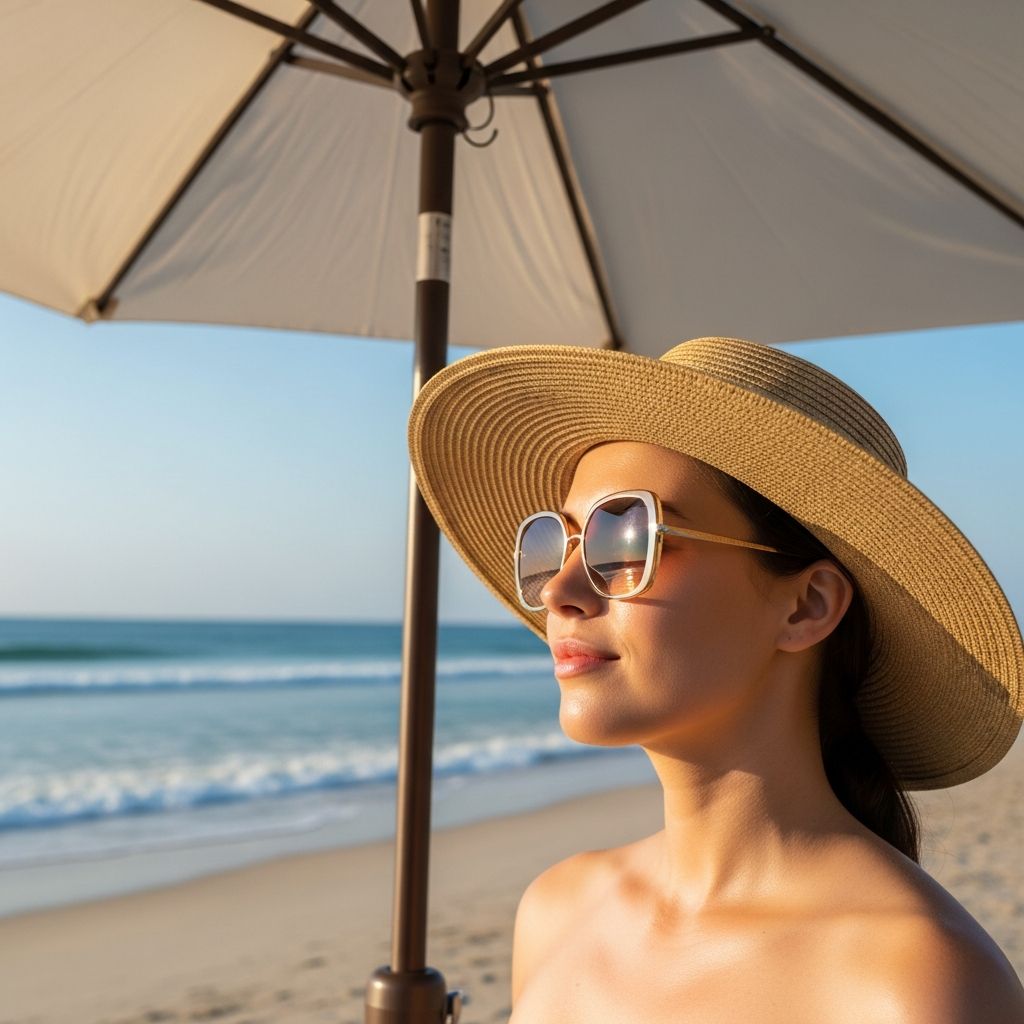
Healthy Skin Made in the Shade
When it comes to preventing skin cancer, most people think of sunscreen as the primary defense against harmful UV rays. However, one of the most effective and often underutilized strategies for protecting your skin is remarkably simple: seeking shade. Shade is a powerful environmental tool that can significantly reduce your exposure to ultraviolet radiation, one of the leading causes of skin cancer worldwide. Whether you’re spending a day at the beach, working outdoors, or simply enjoying time in your backyard, understanding the protective power of shade can help you maintain healthier skin and reduce your risk of developing skin cancer.
Why Shade Matters for Skin Protection
Skin cancer remains one of the most prevalent cancers in the United States, with over five million cases diagnosed annually. The primary culprit behind this epidemic is exposure to ultraviolet (UV) radiation from the sun. UV rays damage the DNA in skin cells, leading to mutations that can develop into melanoma, basal cell carcinoma, or squamous cell carcinoma. The good news is that most cases of skin cancer are preventable with proper protection against UV radiation.
Shade serves as a straightforward yet highly effective barrier against these harmful rays. When you’re in the shade, you’re reducing your direct exposure to UV radiation significantly. Good-quality shade can reduce UV exposure by up to 75%, providing substantial protection for your skin. This makes shade one of the easiest and most accessible sun protection methods available to everyone.
Understanding Different Types of Shade
Not all shade is created equal. The effectiveness of shade depends on its source and quality. Understanding the differences between natural and man-made shade can help you choose the best protection strategy for your situation.
Natural Shade: Trees and Vegetation
Trees are excellent natural sources of shade and have been protecting humans from the sun for millennia. A large, leafy tree provides substantial protection, particularly during midday hours when the sun is directly overhead. Trees offer multiple benefits beyond UV protection, including cooling effects, improved air quality, and aesthetic beauty that enhances outdoor spaces.
However, natural shade has limitations. Trees take considerable time to grow and establish, making them impractical as quick solutions to shade deficiency. Additionally, many urban areas lack sufficient tree coverage, leaving residents without adequate natural shade options. Weather conditions also affect tree shade effectiveness; on cloudy days, indirect UV rays become more prevalent and scattered, potentially reducing the protective benefits compared to sunny days.
Man-Made Shade Structures
Artificial shade structures such as canopies, umbrellas, shade sails, and pergolas offer consistent, reliable UV protection. These structures are designed specifically to block a large portion of UV radiation while maintaining the ability to enjoy outdoor activities. High-quality shade fabrics can block up to 98% of UV rays, depending on the material used.
Materials like high-density polyethylene (HDPE) are particularly effective, capable of blocking nearly all UV radiation. This represents a significant investment in long-term health protection. Man-made structures provide advantages over natural shade because they offer predictable, durable coverage that doesn’t depend on growing seasons or weather conditions.
Related Stories



How Shade Prevents Skin Cancer
The mechanism by which shade prevents skin cancer is straightforward: by reducing direct sun exposure, shade minimizes DNA damage to skin cells. When UV rays can’t reach your skin, they can’t cause the cellular mutations that lead to skin cancer development. Well-designed and correctly positioned shade provides protection from UV radiation where it is needed, at the right time of day and at the right time of year.
Shade is particularly important during peak UV hours, typically between 10 a.m. and 4 p.m., when the sun’s rays are strongest. During these hours, the intensity of UV radiation increases dramatically, making shade protection especially valuable. By positioning shade structures in areas with direct sun exposure during these peak times, you can dramatically reduce your skin’s UV exposure.
Health Benefits Beyond Skin Cancer Prevention
While preventing skin cancer is the primary benefit of shade, the advantages extend beyond melanoma and other skin cancers. Shade provides multiple health and wellness benefits that make it an essential component of healthy outdoor spaces.
Temperature Regulation and Heat Illness Prevention
Shade enables your body to cool down naturally, which is crucial for overall health and safety. In addition to UV protection, shade structures create cooler environments, reducing the risk of heat-related illnesses such as heat exhaustion and heat stroke. This is particularly important during summer months when temperatures soar and prolonged outdoor exposure becomes hazardous.
Protection for Vulnerable Populations
Certain populations face elevated skin cancer risks due to their occupations or lifestyles. Construction crews, landscapers, agricultural workers, and school staff spend countless hours in direct sunlight. These outdoor workers benefit tremendously from shade structures that provide safer, more comfortable working conditions. Children and adolescents are another vulnerable group; according to the Skin Cancer Foundation, just one blistering sunburn during childhood or adolescence doubles the chances of developing melanoma later in life. Installing shade in schools, parks, and recreational areas protects these young people during critical developmental years.
Comfort and Enjoyment of Outdoor Spaces
Shade structures allow people to enjoy indirect sunlight without experiencing the harsh effects of direct UV exposure. This means you can spend time outdoors, engage in recreational activities, and maintain an active lifestyle while still protecting your skin. The comfort provided by shade encourages more time spent in healthy outdoor environments rather than forcing people to retreat indoors or abandon outdoor activities.
Best Practices for Using Shade Effectively
To maximize the protective benefits of shade, follow these expert-backed recommendations:
Choose High-Quality UV Protection Materials
Not all shade fabrics are created equal. When selecting a shade structure, opt for materials specifically designed for UV protection. HDPE and other high-quality fabrics provide superior UV-blocking capabilities. Look for products certified for UV protection and manufactured by reputable companies that specialize in sun protection solutions.
Position Shade for Maximum Coverage
For optimal protection, place shade structures in areas with direct sun exposure during peak UV hours. Consider the sun’s path throughout the day and position structures to provide coverage during the hours when UV radiation is strongest (10 a.m. to 4 p.m.). Larger shade structures offer greater protection because their size reduces the amount of diffuse UV radiation coming through the sides.
Combine Shade with Other Sun Protection Methods
While shade provides excellent UV protection, seeking shade plus using sunscreen or wearing sun-protective clothing is the best practice to limit cancer-inducing sun damage. Even in shaded areas, UV rays can reflect off surfaces like water, sand, concrete, and other reflective materials. A comprehensive approach includes:
- Applying broad-spectrum sunscreen with SPF 30 or higher
- Wearing protective clothing with UPF (ultraviolet protection factor) labels
- Using wide-brimmed hats (with at least a three-inch brim)
- Wearing sunglasses that block 99-100% of UVA and UVB rays
- Seeking shade whenever possible
Shade in Community Planning and Design
Recognizing the importance of shade for public health, many communities and organizations are prioritizing shade in urban planning and parks design. The provision of shade is an important component in the design and creation of safe and healthy communities. IMPACT Melanoma’s IMPACT Shade program, for example, focuses on raising awareness about shade importance, promoting portable shade structures, and advocating for policies that incorporate shade into urban development and recreational spaces.
When shade is integrated into community design, it becomes accessible to everyone, not just those who can afford private structures. Public parks, beaches, schoolyards, and recreational areas benefit from permanent and portable shade installations that protect entire populations from UV radiation.
Frequently Asked Questions
Q: How much UV protection does shade actually provide?
Good-quality shade can reduce UV exposure by up to 75%, while high-quality shade fabrics can block up to 98% of UV rays depending on the material used. However, shade should be combined with other sun protection methods for comprehensive protection.
Q: Is natural shade from trees as effective as man-made structures?
Natural shade from trees provides good protection, especially during midday hours, but man-made structures offer more consistent coverage and durability. Trees take time to grow and aren’t available in all areas, particularly urban locations.
Q: Can UV rays penetrate shade?
While quality shade blocks most direct UV rays, some UV radiation can be diffuse or reflect off surfaces. This is why combining shade with sunscreen, protective clothing, and other sun protection measures is recommended.
Q: What’s the best time of day to seek shade?
Seek shade during peak UV hours between 10 a.m. and 4 p.m. when the sun’s rays are strongest. However, UV protection is important throughout the day, as UV rays can cause damage even during non-peak hours and on cloudy days.
Q: Are shade structures expensive?
Shade structures vary in cost, from portable umbrellas to permanent installations. While some structures require significant investment, they represent long-term health protection and can serve multiple purposes, making them a worthwhile investment for families and communities.
Taking Action: Making Shade Part of Your Sun Protection Strategy
Healthy skin starts with smart sun protection choices, and shade should be a cornerstone of your strategy. Whether you’re planning outdoor activities, working in direct sunlight, or simply wanting to reduce your skin cancer risk, prioritizing shaded environments is one of the most effective steps you can take.
Consider installing shade structures in your home, workplace, or community spaces. Support policies and initiatives that incorporate shade into urban planning and park design. Most importantly, make seeking shade a daily habit, especially during peak UV hours. Combined with sunscreen, protective clothing, and regular skin checks, shade provides powerful protection against skin cancer while allowing you to enjoy outdoor activities safely and comfortably.
Your skin’s health is worth the effort. By embracing shade as a primary sun protection tool, you’re taking control of your skin cancer risk and building a foundation for lifelong skin health.
References
- Stay Safe in the Sun: How Shade Structures Help Prevent Skin Cancer — Shade ‘N Net. 2025. https://shade-n-net.com/stay-safe-in-the-sun-how-shade-structures-help-prevent-skin-cancer/
- Shade | Cancer Council NSW — Cancer Council NSW. https://www.cancercouncil.com.au/cancer-prevention/sun-protection/preventing-skin-cancer/shade/
- Impact Shade — IMPACT Melanoma. https://impactmelanoma.org/impact-shade/
- Melanoma Prevention: Does Staying in the Shade Prevent Sunburn? — Dana-Farber Cancer Institute. 2018-05. http://blog.dana-farber.org/insight/2018/05/staying-shade-prevent-sunburn/
- Shade as an Environmental Design Tool for Skin Cancer Prevention — National Center for Biotechnology Information (NCBI). 2018. https://pmc.ncbi.nlm.nih.gov/articles/PMC6236749/
- How to Protect Your Skin from UV Rays | Sun Safety — American Cancer Society. https://www.cancer.org/cancer/risk-prevention/sun-and-uv/uv-protection.html
- Sun Protection — The Skin Cancer Foundation. https://www.skincancer.org/skin-cancer-prevention/sun-protection/
Similar Articles








Read full bio of medha deb