A Month of Healthy Summer Dinner Ideas for Kids
Discover 30 nutritious, kid-friendly summer dinner recipes to keep children happy and healthy.
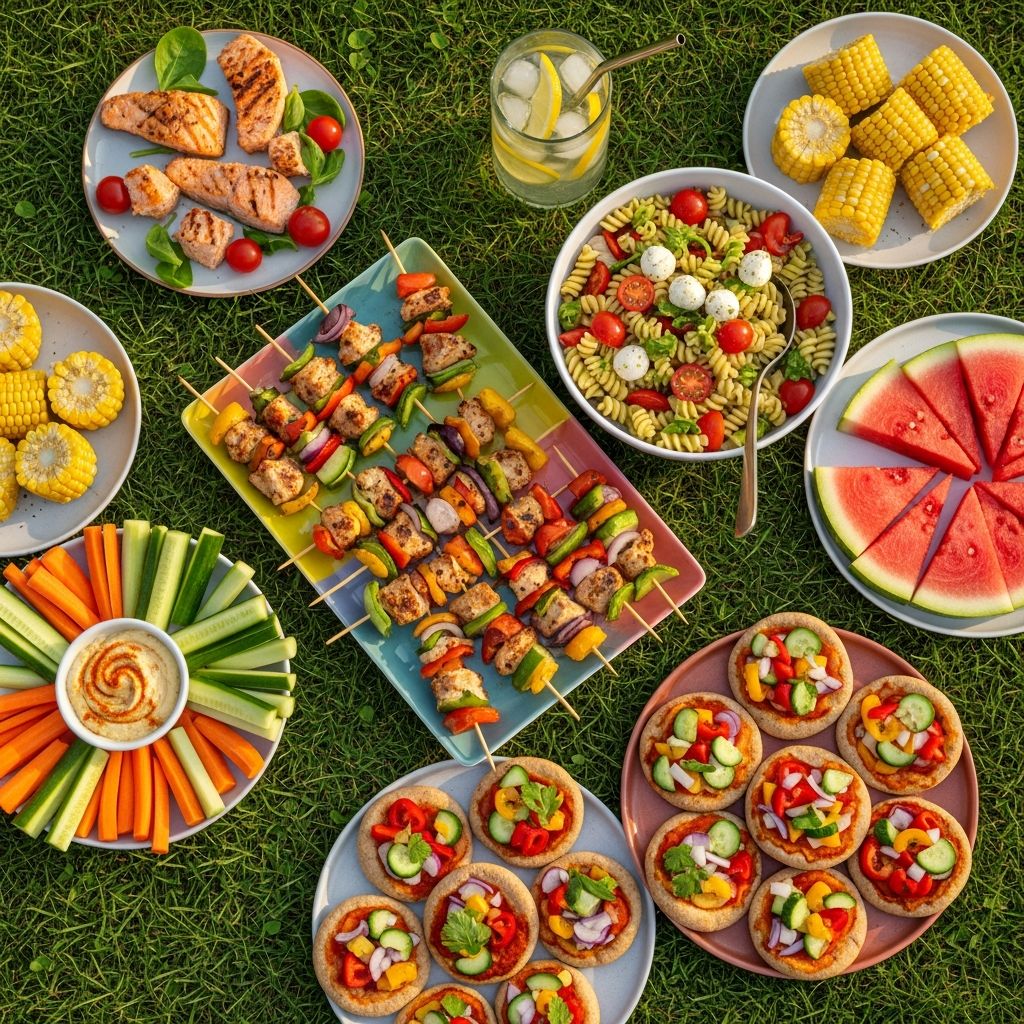
Summer is the perfect time to refresh your family’s dinner routine with fresh, light meals that take advantage of seasonal produce and warm weather. Finding dinner ideas that satisfy both nutritional needs and children’s palates can be challenging, but with the right recipes and planning, you can create a month of delicious, healthy meals your kids will genuinely enjoy. This comprehensive guide offers creative summer dinner solutions that balance nutrition, taste, and simplicity.
Why Summer Dining Matters for Children
During summer months, children’s dietary needs remain consistent, but their food preferences often shift. Lighter meals, fresh vegetables, and outdoor-friendly options become more appealing as temperatures rise. According to nutritional guidelines from the U.S. Department of Agriculture, children ages 6-12 should consume varied fruits, vegetables, whole grains, and lean proteins daily. Summer provides an excellent opportunity to incorporate fresh produce at its peak nutritional value.
Additionally, summer schedules often involve more outdoor activities, field trips, and camps, making it crucial to provide meals that fuel energy and support active lifestyles. Well-balanced dinners help maintain concentration, energy levels, and healthy growth during these active months.
Building Blocks of Healthy Summer Dinners
Creating nutritious summer dinners for children requires understanding the essential components:
- Lean Proteins: Include grilled chicken, turkey, fish, beans, and tofu options that cook quickly and pair well with fresh sides
- Fresh Vegetables: Utilize seasonal produce like zucchini, bell peppers, tomatoes, corn, and leafy greens that are abundant and affordable
- Whole Grains: Incorporate brown rice, whole wheat pasta, quinoa, or whole grain bread for sustained energy
- Healthy Fats: Include olive oil, avocado, and nuts in moderation to support brain development and nutrient absorption
- Hydration: Pair meals with water or unsweetened beverages to maintain proper hydration in warm weather
Week One: Starting Strong
Grilled Chicken with Garden Vegetables
Begin the month with simple grilled chicken paired with seasonal vegetables. Season boneless chicken breasts with herbs like basil and oregano, grill until golden, and serve alongside steamed broccoli, carrots, and zucchini. This classic combination provides complete protein, fiber, and essential vitamins. Children appreciate the mild flavors and straightforward preparation.
Build-Your-Own Tacos
Interactive meals engage children in healthy eating. Offer seasoned ground turkey or lean beef in whole wheat tortillas with toppings including shredded cheese, lettuce, tomatoes, and salsa. This approach allows children to customize their meals while consuming balanced nutrition. Taco nights often become family favorites that encourage participation and healthy choices.
Baked Fish with Sweet Potato Fries
Introduce omega-3 rich fish through appealing presentations. Bake mild white fish or salmon with lemon and herbs, paired with homemade sweet potato fries. Sweet potatoes offer beta-carotene and natural sweetness children enjoy, while fish provides essential nutrients for brain development.
Vegetable Pasta Primavera
Combine whole wheat pasta with fresh summer vegetables sautéed in light olive oil. Include zucchini, yellow squash, cherry tomatoes, and peas, finished with fresh basil and a sprinkle of Parmesan cheese. This vegetable-forward meal proves that plant-based dinners can be satisfying and delicious.
Week Two: Exploring New Flavors
Teriyaki Chicken Skewers
Related Stories



Grilled chicken skewers marinated in a mild teriyaki sauce introduce children to international flavors. Alternate chicken pieces with colorful vegetables like bell peppers and pineapple chunks. Serve over brown rice for a complete meal that combines protein, complex carbohydrates, and vitamins.
Turkey Meatballs with Marinara
Lean ground turkey meatballs baked with whole grain pasta and homemade or low-sodium marinara sauce provide familiar comfort food with nutritional benefits. Add finely minced vegetables to the meatball mixture to increase vegetable intake without detection, a helpful strategy for selective eaters.
Veggie-Loaded Quesadillas
Whole wheat tortillas filled with black beans, corn, bell peppers, and reduced-fat cheese create nutritious, quick meals. Serve with Greek yogurt instead of sour cream for added protein and probiotics. This meal teaches children that plant-based proteins offer complete nutrition.
BBQ Chicken with Corn on the Cob
Grilled chicken brushed with homemade barbecue sauce paired with fresh corn on the cob and a simple green salad captures summer’s essence. Using naturally sweetened barbecue sauce rather than heavily processed versions reduces added sugars while maintaining appealing flavors.
Week Three: Garden-Inspired Meals
Vegetable Stir-Fry with Tofu
Quick-cooking stir-fries highlight peak-season vegetables. Combine broccoli, snap peas, carrots, and mushrooms with seasoned tofu or chicken in a light sauce over brown rice. The varied textures and colors appeal to children while providing extensive nutritional variety.
Caprese Pasta Salad
Combine whole grain pasta with fresh mozzarella, ripe tomatoes, and basil for a light, refreshing meal. Dress with olive oil and balsamic vinegar rather than heavy creams. This Italian-inspired dish celebrates fresh summer ingredients while teaching appreciation for simple, quality foods.
Grilled Turkey Burgers
Ground turkey patties on whole wheat buns with fresh toppings offer a lighter alternative to beef burgers. Include homemade toppings like grilled tomatoes, lettuce, and avocado rather than processed condiments. Pair with baked sweet potato chips for complete nutrition.
Minestrone Soup with Fresh Vegetables
While soup might seem unsuitable for summer, chilled minestrone with abundant vegetables, beans, and whole grain pasta provides hydration and nutrition. Make large batches for meal preparation throughout the week.
Week Four: Finishing Strong
Lemon Herb Roasted Chicken with Roasted Vegetables
Chicken thighs seasoned with lemon, garlic, and herbs alongside roasted zucchini, bell peppers, and onions create aromatic, flavorful dinners. Chicken thighs remain moist and flavorful, making them appealing to children who find breast meat dry.
Black Bean and Corn Bowls
Rice bowls topped with seasoned black beans, corn, diced tomatoes, avocado, and grilled chicken or tofu provide customizable, nutrient-dense meals. The combination offers complete protein, fiber, and healthy fats that sustain energy throughout evening activities.
Whole Wheat Pizza Night
Homemade pizza on whole wheat crust with vegetable toppings and moderate cheese allows family participation in meal preparation. Children enjoy choosing toppings while consuming balanced nutrition. Using whole grain crusts significantly increases fiber and nutrient content compared to refined white crusts.
Grilled Fish Tacos with Cilantro Lime Slaw
White fish seasoned with lime and spices served in whole grain tortillas with fresh cabbage slaw introduces children to lighter seafood preparations. The combination provides omega-3 fatty acids, vegetables, and whole grains in an appealing format.
Seasonal Vegetables to Incorporate
Summer’s peak season offers abundant fresh produce perfect for children’s meals:
- Tomatoes: Rich in lycopene and vitamin C, fresh tomatoes appear in numerous dishes
- Zucchini: Versatile vegetable that’s mild-flavored and adaptable to multiple cooking methods
- Bell Peppers: Sweet varieties appeal to children while providing vitamin C and antioxidants
- Corn: Natural sweetness makes it a children’s favorite, offering whole grains and fiber
- Green Beans: Tender summer varieties cook quickly and pair well with various proteins
- Cucumber: Refreshing raw or cooked, perfect for hydration and light meals
- Spinach and Lettuce: Fresh salad greens are more appealing during warm months
Practical Tips for Summer Dinner Success
Meal Planning Strategies
Planning weekly menus reduces stress and ensures nutritional balance. Designate specific protein, vegetable, and grain options for each night to streamline grocery shopping and preparation. Create a simple template that rotates through protein types to prevent monotony while maintaining organization.
Preparation and Storage
Prepare vegetables on weekends by washing, chopping, and storing in airtight containers. Pre-marinated proteins can be stored for quick grilling throughout the week. This preparation reduces weeknight cooking time and ensures nutritious meals even during busy schedules.
Involving Children
Children are more likely to consume meals they helped prepare. Assign age-appropriate tasks like mixing ingredients, arranging vegetables on skewers, or selecting menu options. This involvement builds confidence in food preparation and encourages healthy eating habits.
Managing Selective Eaters
For children hesitant about vegetables, incorporate them into familiar formats like pasta sauces, meatballs, or smoothies. Offer vegetables alongside other foods without pressure, allowing repeated exposure to build familiarity. Research from pediatric nutrition experts emphasizes that children may require 10-15 exposures to new foods before acceptance.
Nutritional Considerations for Growing Children
According to the Academy of Nutrition and Dietetics, children require balanced meals containing appropriate portions of protein, complex carbohydrates, healthy fats, and micronutrients. Summer meals should not significantly differ from year-round nutrition standards, though lighter preparations and increased fresh produce naturally support better nutrition.
Calcium remains especially important for growing children’s bone development. Include dairy products like yogurt, cheese, or milk with meals, or incorporate non-dairy alternatives fortified with calcium for children with lactose intolerance.
Quick Cooking Techniques for Busy Families
Summer schedules often demand efficiency in the kitchen. Grilling, steaming, and quick sautéing reduce cooking times while preserving nutrients better than lengthy cooking methods. Sheet pan dinners that cook protein and vegetables simultaneously minimize cleanup while maximizing nutrition.
Using a slow cooker in the morning allows meals to be ready when dinner time arrives, reducing evening stress. This method works particularly well for bean-based and vegetable-forward recipes that benefit from extended cooking times.
Frequently Asked Questions
Q: How can I get my picky eater to try new summer vegetables?
A: Introduce new vegetables without pressure by serving them alongside familiar foods. Allow children to help select and prepare vegetables, and offer repeated exposure over time. Roasting vegetables brings out natural sweetness that often appeals to children more than boiled preparations.
Q: Are there quick dinner options for nights with activities?
A: Yes, many recipes cook in 20-30 minutes. Stir-fries, quesadillas, sheet pan dinners, and grilled proteins with simple sides work well. Meal prepping on weekends makes weeknight cooking even faster.
Q: How do I ensure balanced nutrition throughout the month?
A: Rotate through different protein sources (chicken, fish, turkey, beans, tofu) and incorporate various vegetables and whole grains. Plan meals using a template that ensures each dinner includes protein, vegetables, and complex carbohydrates.
Q: Can these recipes accommodate food allergies?
A: Most recipes are flexible and can be modified. Substitute proteins, grains, or vegetables based on allergies or preferences. Always read labels carefully and maintain awareness of cross-contamination risks.
Q: What if my child refuses vegetables?
A: Hide vegetables in sauces, meatballs, and grain dishes while serving fresh vegetables on the side without pressure. Involving children in gardening or farmers market shopping can increase interest in vegetables they selected themselves.
References
- Dietary Guidelines for Americans 2020-2025 — U.S. Department of Agriculture and U.S. Department of Health and Human Services. 2020. https://www.dietaryguidelines.gov/
- Academy of Nutrition and Dietetics Position on Nutrition for Children and Adolescents — Academy of Nutrition and Dietetics. 2022. https://www.eatrightpro.org/
- MyPlate: Children and Nutrition — U.S. Department of Agriculture MyPlate Program. 2024. https://www.myplate.gov/
- Feeding Children During Summer Months — American Academy of Pediatrics. 2023. https://www.healthychildren.org/
- Nutritional Requirements for Growing Children — World Health Organization. 2023. https://www.who.int/
Similar Articles








Read full bio of medha deb