Healthy vs Unhealthy Gums: 10 Signs to Spot & Stop Gum Disease
Discover the key differences between healthy and unhealthy gums, signs of gum disease, and expert tips to maintain optimal gum health for life.
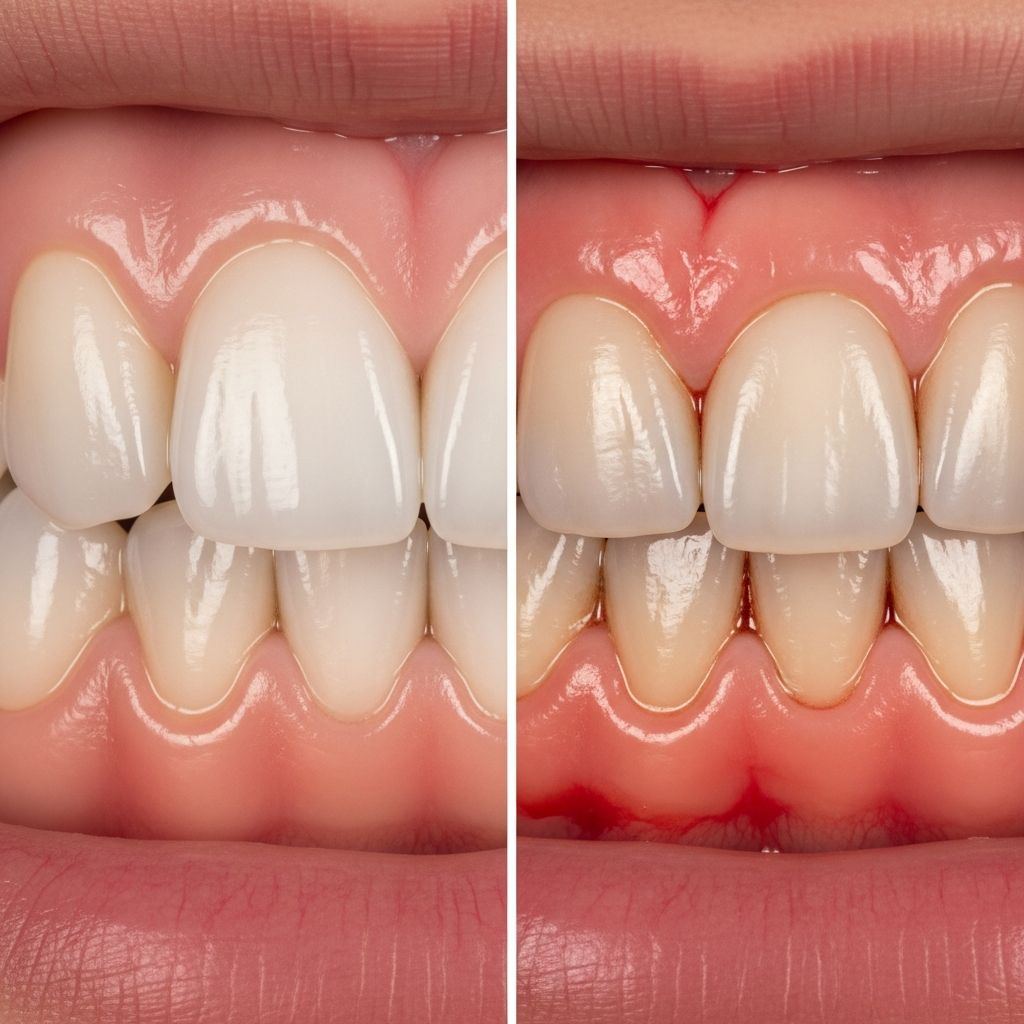
Healthy gums are pink, firm, and snug around your teeth, showing no signs of bleeding or swelling during brushing or flossing. Unhealthy gums appear red, swollen, and often bleed, signaling potential gum disease like gingivitis or periodontitis that can lead to tooth loss if untreated.
Why Is It Important to Take Care of Your Gums?
Gums, or gingiva, form the soft tissue that surrounds and anchors teeth in the upper and lower jaws. Maintaining their health prevents gum diseases such as gingivitis (early-stage inflammation) and periodontitis (advanced infection causing bone loss). Poor gum health allows bacteria to thrive, leading to plaque buildup and inflammation that can spread systemically.
Beyond oral issues like tooth loss, unhealthy gums link to serious conditions including cardiovascular disease, diabetes, stroke, respiratory infections, high blood pressure, dementia, depression, kidney disease, and anxiety. Research shows oral bacteria and inflammation from periodontitis contribute to these risks by entering the bloodstream.
Saliva plays a protective role by washing away food particles and neutralizing acids produced by germs. Medications like decongestants, antihistamines, painkillers, and antidepressants can reduce saliva flow, heightening gum disease risk. Regular care keeps germs in check, supporting overall health.
Healthy Gums vs. Unhealthy Gums
Distinguishing healthy from unhealthy gums is straightforward through visual and functional cues. Healthy gums indicate effective oral hygiene, while unhealthy ones warn of brewing problems.
Signs of Healthy Gums
- Pink color: Medium pink at the base fading to paler pink near teeth; natural pigmentation may vary but remains firm.
- Firm texture: No swelling or inflammation; gums hug teeth tightly with no gaps.
- No bleeding: Gums do not bleed during brushing, flossing, or eating.
- Smooth taper: Gums smoothly transition off teeth; slight visibility of tooth ridges underneath.
- Stable teeth: No looseness; comfortable chewing without pain or sensitivity.
Signs of Unhealthy Gums
- Redness and swelling: Inflamed appearance due to bacterial irritation.
- Bleeding: Occurs easily when brushing, flossing, or even spontaneously.
- Gaps or recession: Spaces between gums and teeth where plaque accumulates.
- Bad breath (halitosis): Persistent odor from bacterial buildup.
- Pain or tenderness: Sensitivity when chewing; loose teeth in advanced stages.
| Feature | Healthy Gums | Unhealthy Gums |
|---|---|---|
| Color | Pink, firm | Red, swollen |
| Texture/Fit | Tight around teeth, no gaps | Loose, receding |
| Bleeding | None | Frequent during care |
| Pain/Sensitivity | None | Tender, painful chewing |
Mild issues like gingivitis are reversible with improved hygiene, but periodontitis causes irreversible damage.
Maintaining Healthy Gums
Consistent habits form the foundation of gum health. Combine daily hygiene with lifestyle adjustments for optimal results.
Related Stories



Brush Your Teeth Twice a Day
Use a soft-bristled toothbrush with pea-sized stannous fluoride toothpaste for two minutes, morning and night. This removes plaque, the sticky bacterial film that irritates gums. Angle bristles at 45 degrees toward the gumline for effective cleaning.
Floss Daily
Flossing clears interdental spaces where brushes can’t reach, preventing plaque buildup. Use 18 inches of floss, curve it around each tooth, and slide gently under the gumline.
Use a Water Flosser
A water flosser delivers a pressurized jet to clean between teeth and massage gums, reducing inflammation and improving circulation.
Incorporate Mouthwash
Antimicrobial mouth rinses reduce plaque, prevent decay, fight gum disease, and freshen breath. Swish for 30-60 seconds after brushing.
Eat a Gum-Healthy Diet
Focus on nutrient-rich foods: leafy greens, fruits, vegetables, omega-3s from fatty fish, probiotics, and green tea for anti-inflammatory benefits. Limit sugars, processed carbs, and starches that feed bacteria. Rinse after indulgences.
- Beneficial foods: Spinach, berries, salmon, yogurt, green tea.
- Avoid: Sodas, candies, white bread.
Quit Smoking
Smoking constricts blood vessels, starving gums of oxygen and nutrients, increasing disease susceptibility and tooth loss risk.
Manage Stress
Chronic stress triggers inflammation, impairing bacterial defense. Practice mindfulness:
- Meditate daily.
- Exercise regularly.
- Try yoga.
- Maintain sleep schedule.
Visit Your Dentist Regularly
Professional cleanings remove hardened tartar. Schedule biannual checkups for early detection.
Frequently Asked Questions (FAQs)
Can unhealthy gums get better?
Yes, early gingivitis reverses with diligent brushing, flossing, and professional care. Advanced periodontitis requires treatment but can be managed.
What does gingivitis look like?
Gingivitis shows red, swollen gums that bleed easily; no bone loss yet.
How can I get rid of gingivitis?
Improve hygiene: brush twice daily, floss, use mouthwash, eat well, and see a dentist for scaling if needed.
Are bleeding gums always a sign of disease?
Bleeding often indicates plaque buildup or gingivitis; consult a dentist if persistent.
Does gum health affect the rest of my body?
Yes, poor gums link to heart disease, diabetes, and more via inflammation and bacteria.
Preventive Tips for Long-Term Gum Health
Beyond basics, monitor changes monthly. Use interdental brushes for wide spaces. Stay hydrated to boost saliva. Limit alcohol, which dries the mouth. Children and seniors need tailored care—kids for emerging teeth, elders for dry mouth risks.
Technology aids adherence: Electric toothbrushes vibrate for superior plaque removal; apps track habits. For high-risk individuals (smokers, diabetics), prescription rinses or antibiotics may help under guidance.
Systemic links underscore urgency: Periodontitis triples heart disease risk via inflamed vessels; controls diabetes less effectively. Pregnant individuals face preterm birth risks from oral infections. Proactive care yields dividends.
References
- What Do Healthy Gums Look Like? — Oral-B. Accessed 2026. https://oralb.com/en-us/oral-health/what-do-healthy-gums-look-like/
- The Connection Between Oral Hygiene and Gum Health — Salvatore Dental. Accessed 2026. https://www.salvatoredental.com/dental-services/blog/connection-between-oral-hygiene-and-gum-health
- The Dentist Is In: Healthy Gums Mean a Healthier You — TRICARE Newsroom, U.S. Air Force Col. Linda Coates, Defense Health Agency. 2025-12-17. https://newsroom.tricare.mil/News/TRICARE-News/Article/4216259/the-dentist-is-in-healthy-gums-mean-a-healthier-you-what-you-should-know
- Your health is in your mouth: A comprehensive view to promote oral health — PMC (Peer-reviewed). 2022. https://pmc.ncbi.nlm.nih.gov/articles/PMC9515542/
Similar Articles








Read full bio of medha deb