Healthy Ways to Use Your Leftover Pulp from Juicing
Transform juicing waste into nutrient-packed meals, snacks, and more with these creative, healthy ideas to reduce food waste.
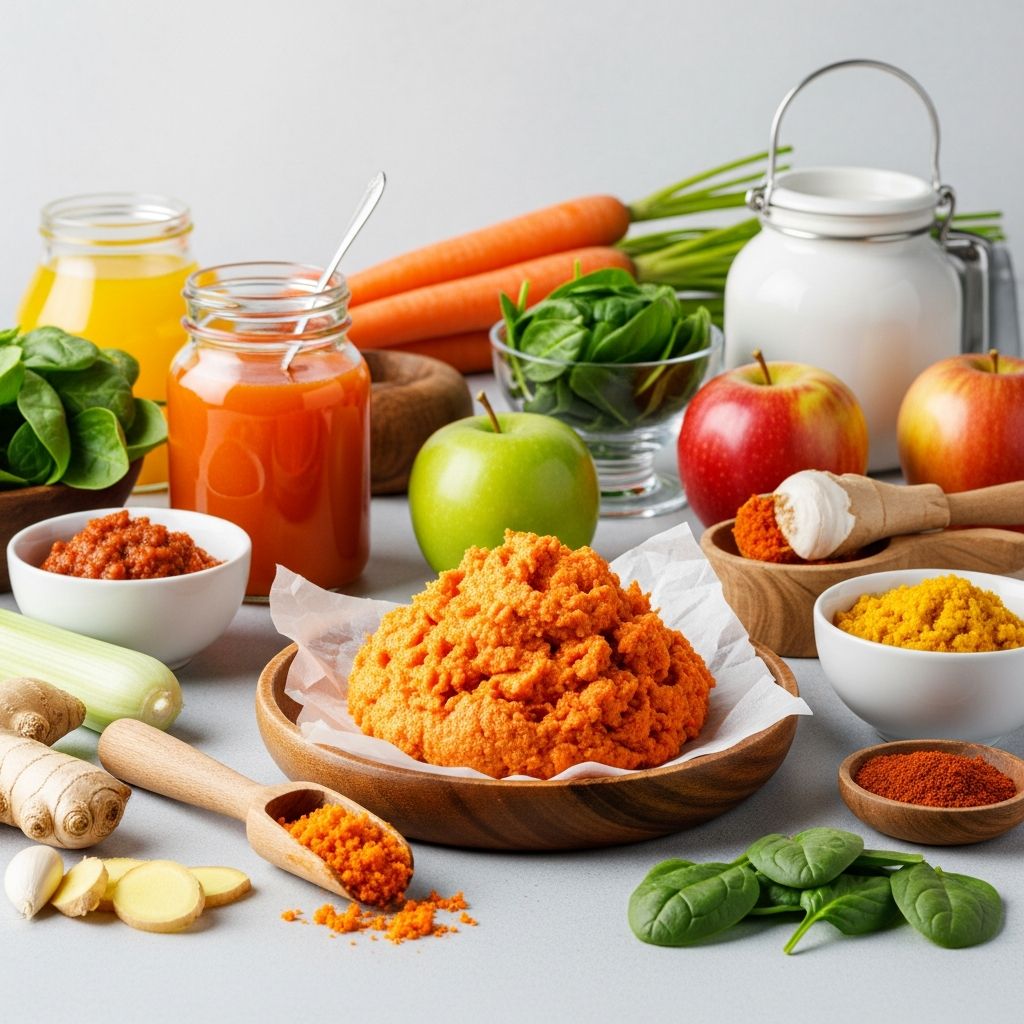
Juicing is a fantastic way to pack more fruits and vegetables into your diet, delivering concentrated nutrients in a quick, refreshing drink. However, the fibrous byproduct—known as juice pulp—often ends up discarded, which means throwing away valuable fiber, vitamins, minerals, and antioxidants. According to nutrition experts, this pulp retains significant insoluble fiber that supports digestion, stabilizes blood sugar, and promotes gut health. By repurposing it creatively, you can enhance meals, create tasty snacks, and minimize food waste while boosting the nutritional profile of your cooking.
This guide explores over a dozen healthy ways to transform leftover pulp from common juicing ingredients like apples, carrots, celery, beets, and leafy greens. From baked goods and soups to salads and even compost, these ideas draw from proven recipes and tips shared by juicing enthusiasts and wellness sites. Whether you’re a daily juicer or occasional user, these methods make sustainability delicious and effortless.
What Is Juice Pulp and Why Reuse It?
Juice pulp is the dry, fibrous residue left after extracting liquid from fruits and vegetables in a juicer. Unlike juicing, which separates soluble nutrients into the drink, the pulp holds onto insoluble fiber—the indigestible part that adds bulk to stool, aids regularity, and feeds beneficial gut bacteria. Studies highlight that pulp also contains bound phytonutrients and antioxidants not fully released in juice, making it a nutritional powerhouse.
Reusing pulp reduces household waste—Americans discard about 30-40% of food, per USDA estimates—and saves money by extending ingredients. It’s versatile: fruit pulps (apple, citrus) add sweetness to desserts; veggie pulps (carrot, celery) bring earthiness to savory dishes. Store fresh pulp in the fridge for 1-2 days or freeze in ice cube trays for months. Always rinse if needed to remove excess bitterness.
1. Add Pulp to Breads, Muffins, and Baked Goods
Incorporate pulp into doughs for moist, flavorful loaves and muffins packed with hidden veggies. Carrot or apple pulp works best, adding natural sweetness and fiber without overpowering taste. This sneaky way boosts family veggie intake.
- Juice Pulp Bread: Mix 1-2 cups pulp (carrot/apple) into yeast bread dough with flour, yeast, salt, and water. Knead, rise, bake at 350°F for 40-50 minutes. Yields soft, nutrient-dense slices.
- Healthy Muffins: Blend 1 cup pulp with oats, banana, eggs, baking powder, and cinnamon. Bake into muffins for breakfast. A popular recipe uses carrot pulp for carrot cake-style treats.
- Crackers: Combine pulp with seeds, herbs, olive oil; spread thin and dehydrate or bake crisp.
Pro tip: Start with 20-30% pulp substitution to avoid dense texture; experiment with zucchini or beet for variety.
2. Blend into Smoothies and Breakfast Bowls
Pulp thickens smoothies into milkshake-like consistency while doubling fiber content. Use ½ cup per serving with yogurt, milk, fruits, and protein powder.
Related Stories



- Green pulp (kale/celery) + banana + almond milk for a detox boost.
- Fruit pulp (apple/berry) in overnight oats or chia pudding for chewiness.
It’s an easy morning hack: no waste, more satiety. Fiber slows sugar absorption, preventing spikes.
3. Mix into Salads and Dressings
Boost salads with raw pulp for crunch and nutrition. Apple or carrot pulp adds sweetness; celery brings freshness.
- Toss ¼ cup pulp with greens, nuts, feta, and vinaigrette.
- Whisk pulp into dressings: Blend carrot pulp, oil, vinegar, garlic for a vibrant topping.
Fiber from pulp enhances gut health and fullness, making salads more satisfying.
4. Enrich Soups, Broths, Stews, and Sauces
Pulp creates thicker, nutrient-rich stocks. Simmer veggie pulp (carrot, celery, onion) in water with spices for homemade broth.
Vegetable Broth Recipe:
- Boil 9-10 cups water with 2-3 cups pulp, salt, pepper, bay leaves.
- Simmer 45-60 minutes; strain or leave chunky.
- Freeze in portions.
Use in curries, chilis, or pasta sauces. Celery pulp shines in Indian curries with garlic and peanuts.
5. Make Fruit Leather and Dehydrated Snacks
Turn sweet fruit pulps into chewy, preservative-free leather—a kid-friendly snack.
Recipe: Spread pureed pulp (apple/berry) thin on parchment; dehydrate at 135°F for 6-8 hours. Roll up.
- Energy bars: Mix pulp with oats, nuts, honey; press and dehydrate.
- Popsicles: Freeze pulp blends with coconut water.
6. Create Spreads, Dips, and Pestos
Elevate cream cheese or hummus with pulp for savory spreads.
- Cream Cheese Spread: Mix ½ cup pulp (carrot/celery) with 1 cup cream cheese, garlic powder, herbs. Chill 2-4 hours.
- Pesto: Blend green pulp (kale/celery) with basil, nuts, oil, garlic.
Perfect on bagels, crackers, or veggies—adds fiber stealthily.
7. Form Veggie Burgers and Meatballs
Bulk up patties with pulp for juicy, fiber-filled burgers.
- Mix pulp, beans, oats, egg, spices; pan-fry or bake.
- Great for carrot/ beet pulp in vegan versions.
8. Brew Fruit Tea or Infusions
Simmer fruit pulp (citrus/berry) with water, ginger, cinnamon; strain for warm tea. A cozy, antioxidant-rich drink.
9. Bake Cupcakes, Cookies, and More
Carrot pulp in cupcakes mimics classic carrot cake—moist and spiced. Pulp adds vitamins without extra sugar.
10. Other Creative Uses: Baby Food, Face Masks, Pet Treats
- Baby Food: Puree fruit pulp with yogurt for smooth, fibrous purees.
- Face Masks: Blend pulp, oats, honey for exfoliating DIY spa treatment.
- Dog Treats: Dehydrate veggie pulp into chews.
11. Compost or Fertilize Your Garden
Non-edible pulp enriches soil: Add to compost for nutrients or dilute in water for plant feed. Speeds decomposition, yields healthier plants.
Nutrition Benefits of Repurposing Pulp
Pulp’s insoluble fiber lowers cholesterol, aids weight control, and supports microbiome. Pair with soluble fibers from oats for balanced intake. A cup of pulp can add 5-10g fiber—20% daily needs.
| Pulp Type | Key Nutrients | Best Uses |
|---|---|---|
| Carrot/Apple | Fiber, Vitamin A, Antioxidants | Baking, Salads |
| Celery/Green | Fiber, Potassium | Soups, Pesto |
| Beet/Citrus | Folate, Vitamin C | Tea, Burgers |
Frequently Asked Questions (FAQs)
Can all juice pulp be eaten?
Most yes, but avoid bitter greens like kale in large amounts raw; cook them. Citrus pulp may be tough—blend well.
How long does pulp last?
Fridge: 1-2 days; freezer: 3-6 months in bags or trays.
Is pulp less nutritious than juice?
No—pulp has complementary fiber and bound nutrients juice lacks.
Which juicer gives best pulp?
Masticating juicers yield drier, nutrient-retaining pulp.
Can pulp replace flour in recipes?
Partially (up to 25%) for moisture; combine with grains.
Embracing these ideas turns juicing into a zero-waste habit, amplifying health benefits across meals.
References
- 11 Creative Ways To Re-use Your Juicer Pulp — Pulp & Press. 2023. https://us.pulpandpress.com/blogs/learn/11-creative-ways-to-re-use-your-juicer-pulp
- What to Do with Pulp from Juicing: 17 AWESOME Ways — Hurom. 2024. https://www.hurom.com/blogs/reviews/what-to-do-with-pulp-from-juicing
- 5 More Ways to Use Juice Pulp Leftovers When Juicing — YouTube (Goodnature). 2022-10-15. https://www.youtube.com/watch?v=ja8xa60qWog
- 11 Creative Ways to Use Leftover Juice Pulp — Goodnature. 2023. https://www.goodnature.com/blog/11-creative-ways-to-use-leftover-juice-pulp
- Healthy Juice Pulp Muffins — Love to be in the Kitchen. 2016-04-11. https://lovetobeinthekitchen.com/2016/04/11/healthy-juice-pulp-muffins/
Similar Articles








Read full bio of Sneha Tete