Heart Anatomy And Function: Comprehensive Guide For Circulatory Health
Understanding your heart: Structure, chambers, valves, and vital functions explained.
Heart: Anatomy & Function
The heart is a remarkable fist-sized organ that serves as the powerhouse of your circulatory system. Composed of muscle and specialized tissue, it works tirelessly to pump blood throughout your body, delivering oxygen and nutrients to your cells while removing waste products. Your heart is more than just a pump—it’s a sophisticated biological machine that coordinates with your brain and nervous system to maintain life-sustaining functions.
Overview of the Heart
Your heart’s primary function is to move blood throughout your body in a continuous, rhythmic cycle. This vital organ contains four muscular chambers that work in synchronized harmony to ensure blood flows in one direction. Electrical impulses trigger each heartbeat, orchestrating contractions that propel blood through these chambers and into your circulatory system. Your brain and nervous system direct your heart’s function, regulating your heart rate based on your body’s oxygen demands during rest and physical activity.
Beyond its primary pumping function, your heart also plays additional roles in maintaining your health. It works with your endocrine, nervous, and circulatory systems to regulate blood pressure, control heart rate, and respond to your body’s changing needs. Your heart circulates approximately 2,000 gallons (more than 7,500 liters) of blood every day, with increased output during physical activity.
Heart Anatomy: The Building Blocks
Understanding heart anatomy is essential to appreciating how this organ functions. Like the parts of a building, each component of your heart serves a specific structural and functional purpose.
Heart Walls and Layers
Your heart walls are composed of muscular tissue that contracts and relaxes to send blood throughout your body. These walls have three distinct layers, each contributing to the heart’s strength and flexibility. The septum, a layer of muscular tissue, divides your heart into left and right sides, allowing the organ to function as two separate pumps working in coordination.
The outermost layer is the epicardium, part of the pericardium—a protective sac that surrounds your entire heart. The pericardium produces fluid that lubricates your heart and prevents it from rubbing against other organs, reducing friction as it beats.
The Four Heart Chambers
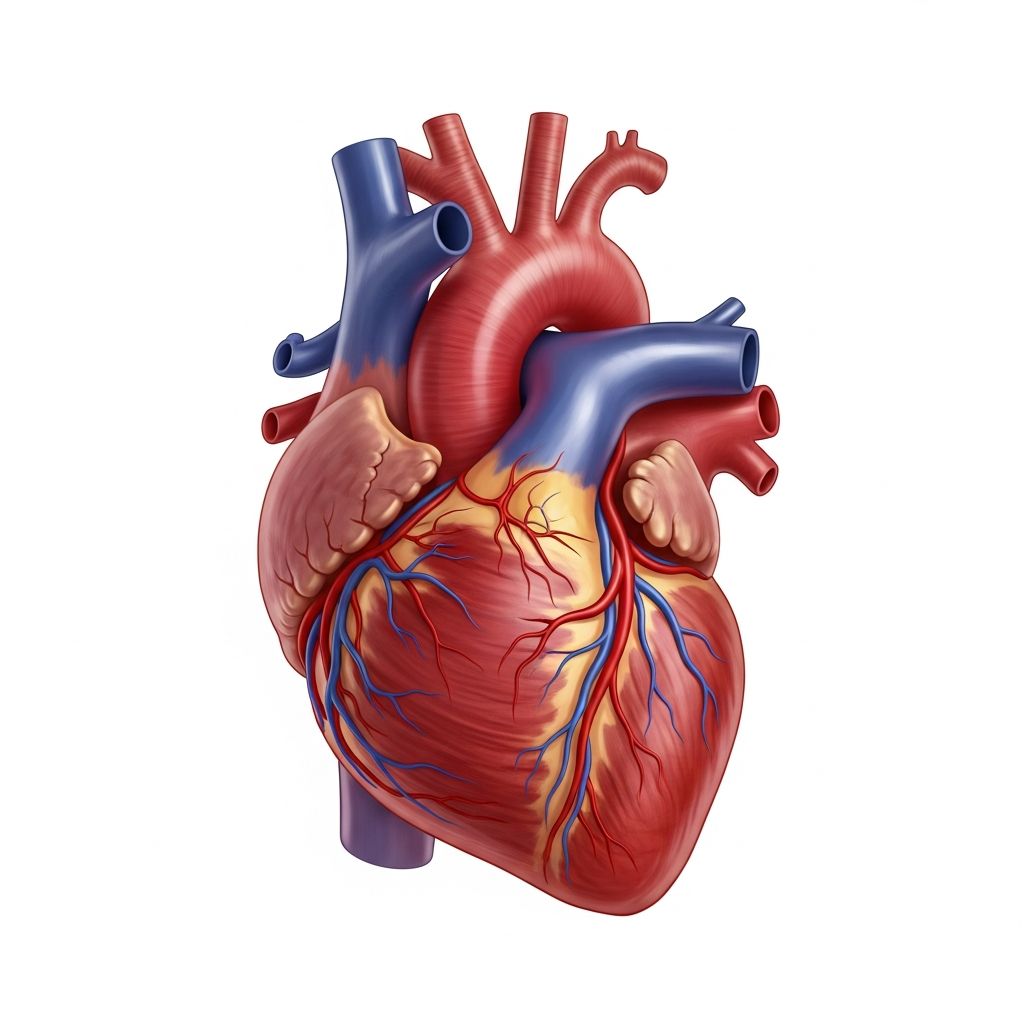
Your heart contains four hollow chambers that hold blood temporarily before moving it forward. These chambers are divided into two upper chambers called atria and two lower chambers called ventricles, with one of each on both the right and left sides of your heart.
Right Atrium: The right atrium receives oxygen-poor blood from your body through two large veins called the superior and inferior vena cava. This chamber collects blood that has circulated through your body and released its oxygen.
Right Ventricle: The right ventricle receives blood from the right atrium and pumps it to your lungs through the pulmonary arteries. In your lungs, the blood picks up fresh oxygen before returning to your heart.
Related Stories



Left Atrium: The left atrium receives oxygen-rich blood from your lungs through the pulmonary veins. This freshly oxygenated blood is ready to be distributed throughout your body.
Left Ventricle: The left ventricle is the heart’s most muscular chamber and performs the most work. It pumps oxygen-rich blood through the aortic valve into the aorta—the largest artery in your body—distributing blood to all your organs and tissues.
Heart Valves: The Doors of Your Heart
Your heart valves function like doors between your heart chambers, opening and closing to allow blood to flow while preventing it from moving backward. These four valves are essential to maintaining proper blood circulation and separating oxygen-rich blood from oxygen-poor blood.
Atrioventricular (AV) Valves
The atrioventricular valves open between your upper and lower heart chambers:
Tricuspid Valve: Located between the right atrium and right ventricle, the tricuspid valve allows blood to flow from the upper chamber to the lower chamber on the right side of your heart. When the right ventricle contracts, this valve closes to prevent blood from flowing backward.
Mitral Valve (Bicuspid Valve): Situated between the left atrium and left ventricle, the mitral valve manages blood flow on the left side of your heart. This valve ensures blood moves from the lungs into the powerful left ventricle without returning to the lungs.
Semilunar (SL) Valves
The semilunar valves open when blood flows out of your ventricles:
Pulmonary Valve: This valve sits between the right ventricle and pulmonary arteries, controlling blood flow to your lungs. It prevents blood from flowing back into the right ventricle after it’s been pumped to the lungs.
Aortic Valve: Located between the left ventricle and aorta, the aortic valve controls blood flow as it leaves your heart. This valve keeps blood flowing in one direction as it moves from your heart into the aorta and across your body.
The Coronary Arteries: Blood Supply to the Heart
Your heart receives its own blood supply through a network of coronary arteries that run along your heart’s surface. These specialized arteries are the first branches off your aorta, originating from the aortic root—the first part of the aorta that emerges from your left ventricle.
Right Coronary Artery (RCA): The RCA supplies blood to your right atrium and right ventricle, the chambers responsible for receiving oxygen-poor blood and pumping it to your lungs. Branches of the RCA also supply the electrical conduction nodes of your heart and approximately one-third of the interventricular septum, the wall separating your heart’s two lower chambers.
Left Main Coronary Artery (LMCA): The left main coronary artery branches quickly into two major vessels that feed the left side of your heart. These branches supply the more muscular left chambers, which do the heavy work of pumping blood throughout your entire body.
The function of your coronary arteries is critical—they supply your heart muscle with constant oxygen-rich blood necessary for proper function. A blockage in one or more coronary arteries is what typically causes a heart attack, highlighting the vital importance of maintaining healthy coronary circulation.
Blood Vessels: Arteries, Veins, and Capillaries
Your heart works with three types of blood vessels to circulate blood throughout your body:
Arteries carry oxygen-rich blood away from your heart to your organs and tissues. Your aorta is the largest artery in your body, receiving freshly pumped blood from your left ventricle.
Veins return oxygen-poor blood to your heart. The superior and inferior vena cava are the largest veins, bringing blood from your upper and lower body back to your right atrium.
Capillaries are tiny blood vessels where oxygen and nutrients are exchanged with your cells. Blood vessels contain layers of connective tissue, muscle, and elastic fibers that work together to regulate blood flow and blood pressure.
The Conduction System: Electrical Wiring of Your Heart
Your heart’s conduction system is like the electrical wiring of a building, controlling the rhythm and pace of your heartbeat. This sophisticated system ensures that your heart chambers contract in the proper sequence, maintaining efficient blood flow.
Signals originate at the top of your heart and travel down to the bottom, triggering coordinated contractions. This electrical coordination is essential for your heart to pump effectively. When this system malfunctions, you may experience irregular heartbeats or arrhythmias.
How Blood Flows Through Your Heart
Blood flows through your heart in a precise series of steps that complete in just one heartbeat—a second or two. Understanding this cycle helps explain how your heart delivers oxygen-rich blood throughout your body while simultaneously removing waste:
Step 1: Oxygen-poor blood returns from your body through the superior and inferior vena cava into your right atrium.
Step 2: Your right atrium contracts, pushing blood through the tricuspid valve into your right ventricle.
Step 3: Your right ventricle contracts, forcing blood through the pulmonary valve into your pulmonary arteries. Blood travels to your lungs where it releases carbon dioxide and picks up fresh oxygen.
Step 4: Oxygen-rich blood returns from your lungs through the pulmonary veins into your left atrium.
Step 5: Your left atrium contracts, pushing blood through the mitral valve into your left ventricle.
Step 6: Your left ventricle—the heart’s most powerful chamber—contracts forcefully, pushing blood through the aortic valve into the aorta. From here, blood travels throughout your entire body, delivering oxygen and nutrients to all your organs and tissues.
The Circulatory System: Your Heart in Context
Your heart is the central component of your circulatory system, working with blood vessels and your lungs to continuously move blood through your body. Your circulatory system prioritizes blood supply to your heart and brain—the two organs most critical for survival.
If your brain doesn’t receive adequate blood, you can lose consciousness within seconds and suffer brain damage after just four minutes without blood flow. Your heart also quickly begins to malfunction if it’s not receiving sufficient blood supply, which is why blockages in coronary arteries are so dangerous.
Heart Conditions Involving Structure and Function
Because your heart chambers and valves are so essential to proper function, many heart conditions involve these structures. Some conditions are congenital, beginning before birth, while others develop throughout life as we age. Common conditions include valve disorders, chamber abnormalities, and coronary artery disease.
Frequently Asked Questions (FAQs)
Q: How much blood does the heart pump per day?
A: Your heart circulates approximately 2,000 gallons (more than 7,500 liters) of blood every day. This remarkable output increases during physical activity as your body demands more oxygen.
Q: Why are the coronary arteries so important?
A: Coronary arteries supply oxygen-rich blood directly to your heart muscle, which needs constant blood flow to function properly. A blockage in these arteries is the typical cause of a heart attack.
Q: How do heart valves prevent blood from flowing backward?
A: Heart valves are one-way doors that open to allow blood to flow forward and close to prevent backward flow. Each valve is structurally designed to open during the appropriate phase of the heartbeat and seal completely to maintain directional flow.
Q: What controls your heart rate?
A: Your brain and nervous system direct your heart’s function and regulate your heart rate based on your body’s oxygen needs. Your conduction system generates electrical signals that control how fast your heart beats.
Q: What is the function of the pericardium?
A: The pericardium is a protective sac that surrounds your entire heart. It produces lubricating fluid that reduces friction as your heart beats and prevents it from rubbing against other organs.
Q: Which chamber does the most work?
A: The left ventricle performs the most work as it’s the most muscular chamber. It pumps oxygen-rich blood through the aortic valve into the aorta, distributing blood to your entire body.
References
- Coronary Arteries: Function & Anatomy — Cleveland Clinic. 2024. https://my.clevelandclinic.org/health/body/22973-coronary-arteries
- How Blood Flows Through the Heart & Body — Cleveland Clinic. 2024. https://my.clevelandclinic.org/health/articles/17060-how-does-the-blood-flow-through-your-heart
- Heart: Anatomy & Function — Cleveland Clinic. 2024. https://my.clevelandclinic.org/health/body/21704-heart
- Chambers of the Heart — Cleveland Clinic. 2024. https://my.clevelandclinic.org/health/body/23074-heart-chambers
- 4 Heart Valves: What They Are and How They Work — Cleveland Clinic. 2024. https://my.clevelandclinic.org/health/body/17067-heart-valves
- How Your Circulatory System Works — Cleveland Clinic. 2024. https://my.clevelandclinic.org/health/body/circulatory-and-cardiovascular-system
Similar Articles








Read full bio of medha deb