Heart Attack Causes: Risk Factors, Symptoms, And Prevention
Understand the primary causes, risk factors, and less common triggers of heart attacks to take proactive steps for better cardiovascular health.
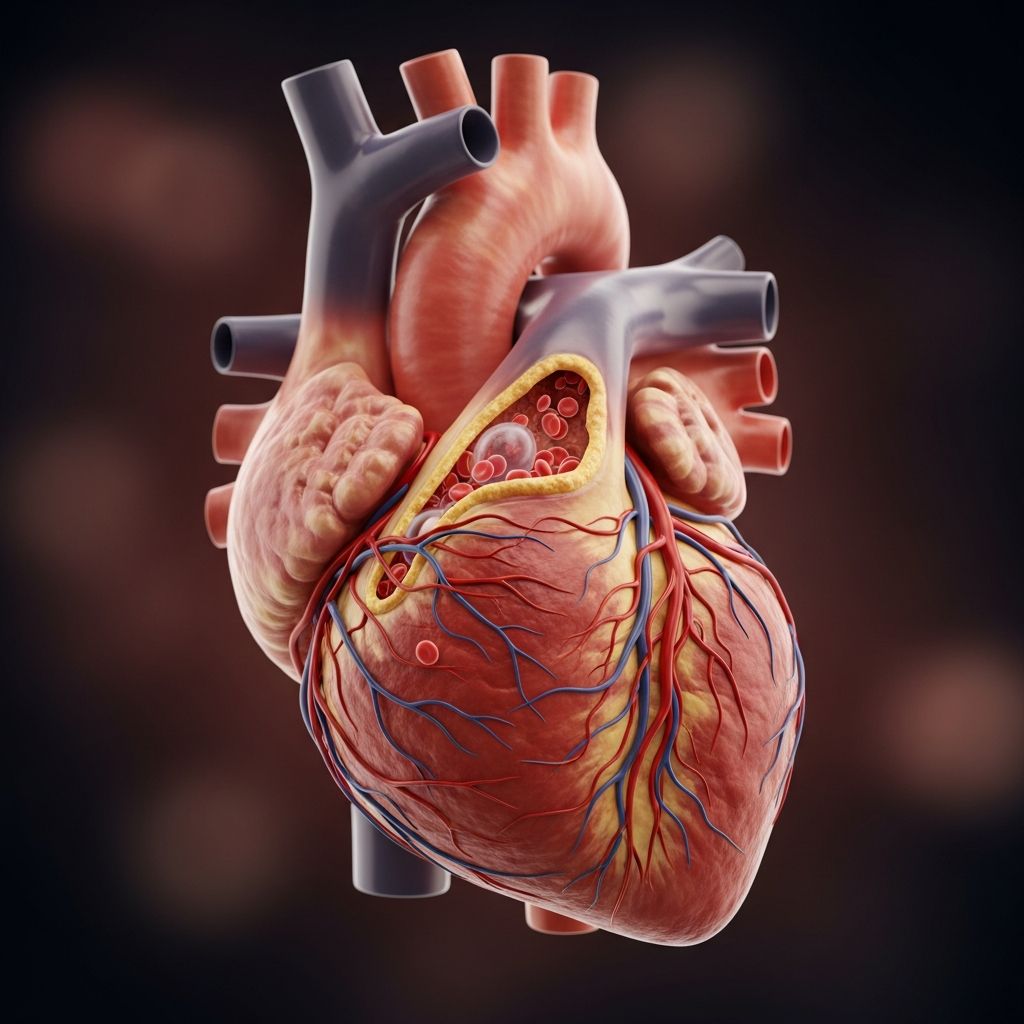
A heart attack, medically known as a myocardial infarction, happens when blood flow to a portion of the heart muscle is blocked or severely reduced, leading to tissue damage. This life-threatening event is most commonly triggered by coronary artery disease, where plaques narrow the arteries supplying the heart.
What Causes a Heart Attack?
The primary cause of heart attacks is
coronary artery disease (CAD)
, a condition where fatty deposits called plaques build up inside the coronary arteries. This process, known asatherosclerosis
, gradually narrows the arteries and restricts blood flow to the heart muscle. If a plaque ruptures, it can trigger the formation of a blood clot that completely blocks the artery, depriving the heart of oxygen-rich blood and causing muscle cells to die within minutes.Not every heart attack stems from plaque rupture. Less common mechanisms include:
- Coronary artery spasm: A sudden, severe contraction of a coronary artery, often in vessels with some plaque buildup or damage from smoking. This reduces blood flow temporarily but can lead to a full blockage if prolonged. Also called Prinzmetal’s or variant angina.
- Spontaneous coronary artery dissection (SCAD): A rare but serious tear in the wall of a coronary artery, allowing blood to pool and form clots that block flow. It disproportionately affects women, particularly postpartum or those with connective tissue disorders.
- Infections: Certain viral infections, like COVID-19, can inflame and damage heart muscle or arteries directly, mimicking or precipitating a heart attack.
- Coronary thrombosis: Clot formation within the artery without prior plaque rupture, often linked to hypercoagulable states.
Heart attacks are classified into types based on severity and ECG changes:
STEMI
(ST-elevation myocardial infarction) from complete blockages, andNSTEMI
(non-ST-elevation) from partial ones. Collateral circulation—extra blood vessels—can sometimes mitigate damage by rerouting flow.Risk Factors for Heart Attacks
Multiple modifiable and non-modifiable factors elevate heart attack risk. About half of Americans have at least one major controllable risk: high blood pressure, high cholesterol, or smoking.
Non-Modifiable Risk Factors
- Age: Risk rises sharply for men over 45 and women over 55.
- Family history: Early heart attacks in close relatives (men under 55, women under 65) signal genetic predisposition.
- Sex: Men face higher risk earlier in life, though women’s risk post-menopause equals or exceeds men’s.
Modifiable Risk Factors
Addressing these can dramatically lower risk:
- Tobacco use: Smoking damages artery linings, promotes clotting, and reduces oxygen in blood. Secondhand smoke poses similar dangers.
- High blood pressure (hypertension): Chronically elevated pressure scars and weakens arteries, accelerating plaque buildup.
- High cholesterol/triglycerides: Excess LDL (‘bad’) cholesterol forms plaques; low HDL (‘good’) fails to clear them. High triglycerides compound this.
- Diabetes: Elevated blood sugar injures blood vessels and nerves regulating heart function.
- Obesity: Central obesity links to insulin resistance, hypertension, dyslipidemia, and inflammation.
- Metabolic syndrome: Cluster of central obesity, hypertension, high triglycerides, low HDL, and high fasting glucose—doubles heart disease risk.
- Sedentary lifestyle: Inactivity weakens the heart and promotes weight gain and poor lipid profiles.
- Unhealthy diet: High in saturated fats, trans fats, sugars, salt, and processed foods; low in fruits, vegetables, and fiber.
- Chronic stress: Triggers hormones that raise blood pressure and inflammation.
- Illegal drug use: Stimulants like cocaine and amphetamines cause spasms and acute plaque rupture.
- Preeclampsia history: Pregnancy-induced hypertension raises lifetime cardiovascular risk.
- Autoimmune diseases: Conditions like rheumatoid arthritis or lupus promote vascular inflammation.
Related Stories



| Risk Factor | Impact on Heart Attack Risk | Prevention Strategy |
|---|---|---|
| Smoking | 2-4x increase | Quit immediately; avoid secondhand smoke |
| High Blood Pressure | Damages arteries over time | Monitor, meds, low-salt diet |
| Diabetes | 2-4x increase | Blood sugar control, healthy weight |
| Obesity | Promotes metabolic issues | Diet and 150 min/week exercise |
Heart Attack vs. Cardiac Arrest
A common misconception equates heart attacks with cardiac arrest, but they differ fundamentally. A
heart attack
is a circulation issue: blocked blood flow damages the heart muscle but the heart usually continues beating.Sudden cardiac arrest
is an electrical problem: the heart stops beating effectively due to arrhythmias like ventricular fibrillation. A heart attack can trigger arrest, but prompt CPR and defibrillation can reverse arrest.Complications of Heart Attacks
Untreated or severe heart attacks lead to complications from muscle damage:
- Heart failure: Impaired pumping ability, causing fatigue and fluid buildup.
- Arrhythmias: Irregular rhythms from scarred tissue.
- Pericarditis/Dressler syndrome: Inflammation of the heart’s sac, often autoimmune.
- Cardiogenic shock: Severe pump failure leading to organ hypoperfusion.
- Sudden cardiac death: Fatal arrhythmia post-attack.
Recovery varies by blocked artery size, treatment speed, and pre-existing health. Cardiac rehab, meds, and lifestyle changes reduce recurrence.
Prevention Strategies
Most heart attacks are preventable by targeting risk factors:
- Adopt a heart-healthy diet: Mediterranean-style with fruits, veggies, whole grains, lean proteins, healthy fats.
- Exercise 150 minutes/week of moderate activity.
- Maintain healthy weight (BMI 18.5-24.9).
- Quit smoking and limit alcohol.
- Manage blood pressure (<120>
- Reduce stress with mindfulness, sleep, social support.
Regular check-ups, especially if high-risk, enable early intervention.
Frequently Asked Questions (FAQs)
What is the most common cause of a heart attack?
The leading cause is coronary artery disease, where plaque buildup and rupture block coronary arteries.
Can stress cause a heart attack?
Yes, acute emotional stress can trigger spasms or plaque rupture, especially with other risks present.
How does smoking contribute to heart attacks?
It damages vessel linings, promotes clotting, lowers oxygen, and accelerates atherosclerosis.
What is SCAD, and who is at risk?
Spontaneous coronary artery dissection is a tear in artery walls causing clots; more common in women, especially peripartum.
Can you have a heart attack without blocked arteries?
Yes, via spasms, SCAD, or infections like COVID-19.
How quickly does heart damage occur during a heart attack?
Heart muscle begins dying within 30 minutes without blood flow; faster restoration limits damage.
References
- Heart attack – Symptoms & causes — Mayo Clinic. 2023-10-20. https://www.mayoclinic.org/diseases-conditions/heart-attack/symptoms-causes/syc-20373106
- What is a Heart Attack? — American Heart Association. 2024-05-15. https://www.heart.org/en/health-topics/heart-attack/about-heart-attacks
- About Heart Attack Symptoms, Risk, and Recovery — Centers for Disease Control and Prevention (CDC). 2024-08-01. https://www.cdc.gov/heart-disease/about/heart-attack.html
- What Is a Heart Attack? — National Heart, Lung, and Blood Institute (NHLBI), NIH. 2024-02-12. https://www.nhlbi.nih.gov/health/heart-attack
Similar Articles








Read full bio of Sneha Tete