Heart Attack Guide: Symptoms, Causes, Treatment, Prevention
Understand heart attack symptoms, causes, treatments, prevention, and recovery for better heart health.
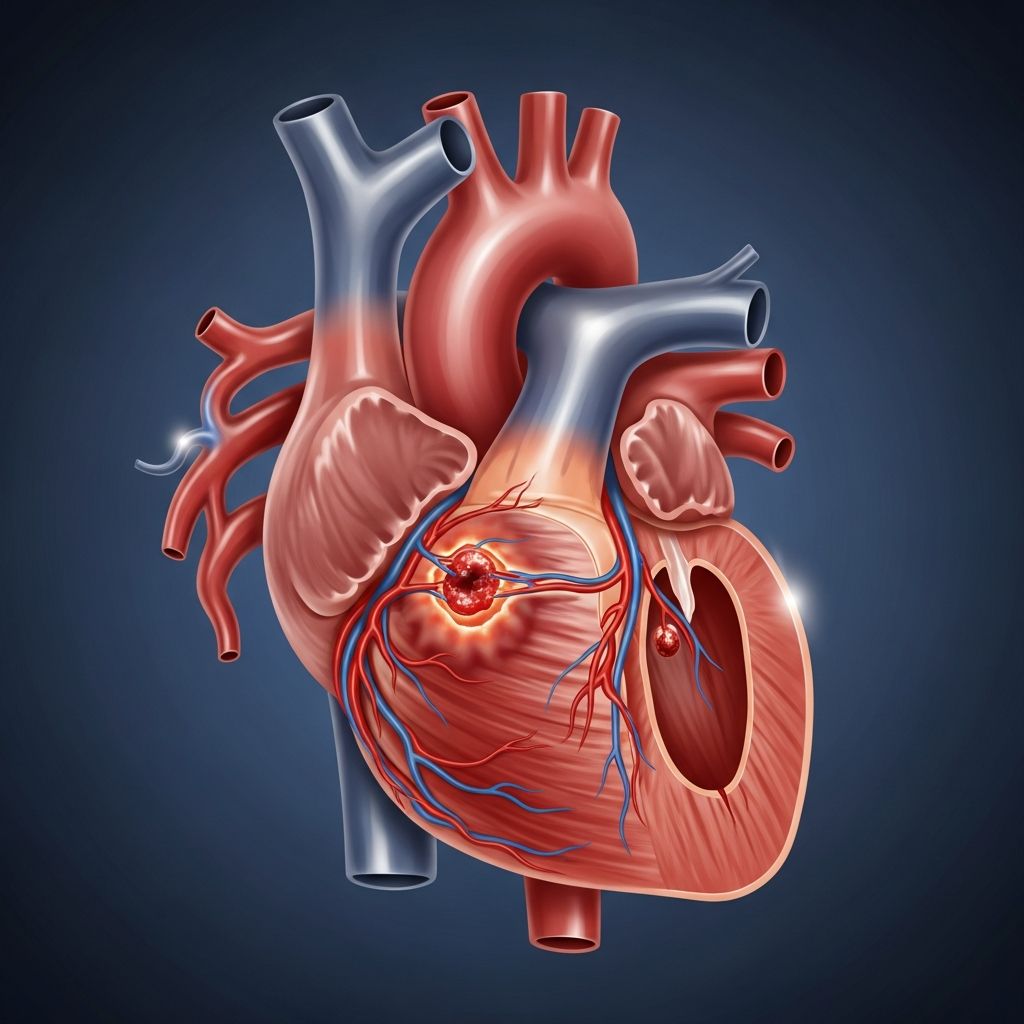
A heart attack, medically known as a myocardial infarction, occurs when blood flow to a part of the heart muscle is blocked, causing tissue damage. This life-threatening emergency affects millions worldwide and is a leading cause of death. According to the Centers for Disease Control and Prevention (CDC), approximately 805,000 people in the United States have a heart attack each year. Early recognition of symptoms and prompt medical intervention can significantly improve outcomes.
Heart attacks often result from coronary artery disease, where plaque buildup narrows arteries. When a plaque ruptures, a blood clot forms, blocking oxygen-rich blood to the heart. Without quick treatment, heart muscle begins to die within minutes. This article provides a comprehensive overview, covering symptoms, causes, diagnosis, treatment, recovery, prevention, and frequently asked questions.
Symptoms of a Heart Attack
Heart attack symptoms can vary widely, especially between men and women. Classic signs include intense chest pain or pressure, but some experience ‘silent’ heart attacks with subtle or no symptoms. The American Heart Association (AHA) emphasizes that symptoms may develop suddenly or gradually over hours, days, or even weeks.
Common Symptoms
- Chest pain or discomfort: Most common symptom; feels like pressure, squeezing, fullness, or pain in the center or left side of the chest lasting more than a few minutes or recurring.
- Upper body pain: Discomfort in one or both arms, back, neck, jaw, or stomach.
- Shortness of breath: May occur with or without chest pain.
- Cold sweat, nausea, or lightheadedness: Often accompanies other symptoms.
- Fatigue: Unusual tiredness, particularly in women.
Symptoms in Women
Women may experience atypical symptoms such as brief or sharp pain in the neck, arm, or back; anxiety or a sense of impending doom; or flu-like symptoms. A 2023 study in the Journal of the American College of Cardiology found women are more likely to have delayed treatment due to underrecognized symptoms.
When Symptoms Differ
People with diabetes may have silent heart attacks due to nerve damage (neuropathy) masking pain. Older adults and those with prior heart conditions might experience milder symptoms like indigestion or weakness.
Causes of a Heart Attack
The primary cause is coronary artery disease (CAD), where arteries supplying the heart narrow due to atherosclerosis—plaque made of cholesterol, fat, calcium, and other substances. Key mechanisms include:
- Plaque rupture and clot formation: A plaque breaks open, triggering a blood clot that blocks the artery.
- Coronary artery spasm: Sudden tightening of artery muscles, reducing blood flow (less common).
- Spontaneous coronary artery dissection (SCAD): A tear in the artery wall, more common in younger women.
Risk factors accelerate plaque buildup. Modifiable risks include smoking, high blood pressure, high cholesterol, diabetes, obesity, and sedentary lifestyle. Non-modifiable risks are age (over 45 for men, 55 for women), family history, and male sex.
Risk Factors for Heart Attacks
Understanding risks helps in prevention. The CDC identifies these major factors:
| Risk Factor | Description | Impact |
|---|---|---|
| High Blood Pressure | Force of blood against arteries damages vessel walls. | Increases plaque formation. |
| High Cholesterol | Excess LDL cholesterol builds plaque. | Narrows arteries over time. |
| Smoking | Chemicals damage arteries and promote clots. | Doubles risk. |
| Diabetes | High blood sugar harms vessels. | Triples heart attack risk. |
| Obesity | Excess weight strains heart. | Linked to other risks like hypertension. |
Related Stories



Emerging risks include chronic stress, poor sleep, air pollution, and excessive alcohol. A 2024 AHA report highlights that up to 80% of heart attacks are preventable through lifestyle changes.
Diagnosis of a Heart Attack
Emergency diagnosis involves rapid tests:
- Electrocardiogram (ECG/EKG): Detects electrical changes indicating heart damage.
- Blood tests: Measure cardiac enzymes like troponin, elevated within hours of damage.
- Coronary angiography: Dye and X-rays visualize blockages.
- Echocardiogram: Ultrasound assesses heart function.
Chest X-rays or CT scans rule out other conditions like aortic dissection.
Heart Attack Treatment
Immediate Emergency Response
Call 911 immediately—do not drive yourself. Chew aspirin (325 mg) if not allergic, as it thins blood. Emergency treatments include:
- Nitroglycerin: Relieves chest pain.
- Thrombolytics (clot-busters): Dissolve clots if given within hours.
- Angioplasty and stenting: Balloon opens artery; stent keeps it open.
- Coronary artery bypass grafting (CABG): Surgery reroutes blood around blockages.
STEMI vs. NSTEMI
Treatments differ by type: STEMI (ST-elevation, full blockage) requires urgent reperfusion; NSTEMI (non-ST-elevation, partial blockage) may involve medications first.
Recovery After a Heart Attack
Recovery varies; hospital stay is 2-5 days. Cardiac rehabilitation programs improve outcomes by 20-30%, per AHA data.
- Medications: Statins, beta-blockers, ACE inhibitors, antiplatelets.
- Lifestyle changes: Heart-healthy diet, exercise, smoking cessation.
- Monitoring: Regular check-ups for complications like heart failure or arrhythmias.
Emotional recovery addresses anxiety and depression, common in 20-30% of survivors.
Prevention of Heart Attacks
Preventive strategies focus on risk reduction:
- Diet: Mediterranean diet rich in fruits, vegetables, whole grains, lean proteins.
- Exercise: 150 minutes moderate activity weekly.
- Weight management: BMI under 25.
- Screenings: Regular blood pressure, cholesterol, diabetes checks.
- Stress reduction: Mindfulness, adequate sleep.
The U.S. Preventive Services Task Force recommends low-dose aspirin for select high-risk adults after discussion with providers.
Frequently Asked Questions (FAQs)
Can a heart attack be silent?
Yes, up to 45% of heart attacks have no or minimal symptoms, especially in diabetics or women. Troponin tests detect them.
How long do heart attack symptoms last?
Symptoms can last minutes to hours; persistent or recurring pain requires immediate care.
Can you have a heart attack while sleeping?
Yes, nighttime heart attacks occur, often linked to sleep apnea or circadian rhythms.
What is the survival rate for heart attacks?
With prompt treatment, in-hospital survival exceeds 90%; delays reduce it significantly.
Can stress cause a heart attack?
Acute stress can trigger via spasms or clots, but chronic stress contributes through hypertension and poor habits.
References
- Heart Attack Signs, Symptoms, and Causes — Centers for Disease Control and Prevention (CDC). 2024-05-15. https://www.cdc.gov/heart-disease/about/heart-attack.html
- Heart Attack Symptoms and Warning Signs — American Heart Association (AHA). 2025-01-10. https://www.heart.org/en/health-topics/heart-attack/warning-signs-of-a-heart-attack
- Acute Myocardial Infarction — National Heart, Lung, and Blood Institute (NHLBI). 2023-11-20. https://www.nhlbi.nih.gov/health/heart-attack
- Sex Differences in Symptoms and Outcomes After Acute Myocardial Infarction — Journal of the American College of Cardiology. 2023-06-27. https://doi.org/10.1016/j.jacc.2023.04.042
- 2024 Heart Disease and Stroke Statistics Update — American Heart Association. 2024-01-25. https://www.ahajournals.org/doi/10.1161/CIR.0000000000001209
- Aspirin Use to Prevent Cardiovascular Disease — U.S. Preventive Services Task Force (USPSTF). 2022-04-26. https://www.uspreventiveservicestaskforce.org/uspstf/recommendation/aspirin-to-prevent-cardiovascular-disease-preventive-medication
Similar Articles








Read full bio of Sneha Tete