Heart Attack Prevention: 10 Essential Strategies
Expert strategies to reduce your risk of heart attack through lifestyle changes, diet, exercise, and medical management.
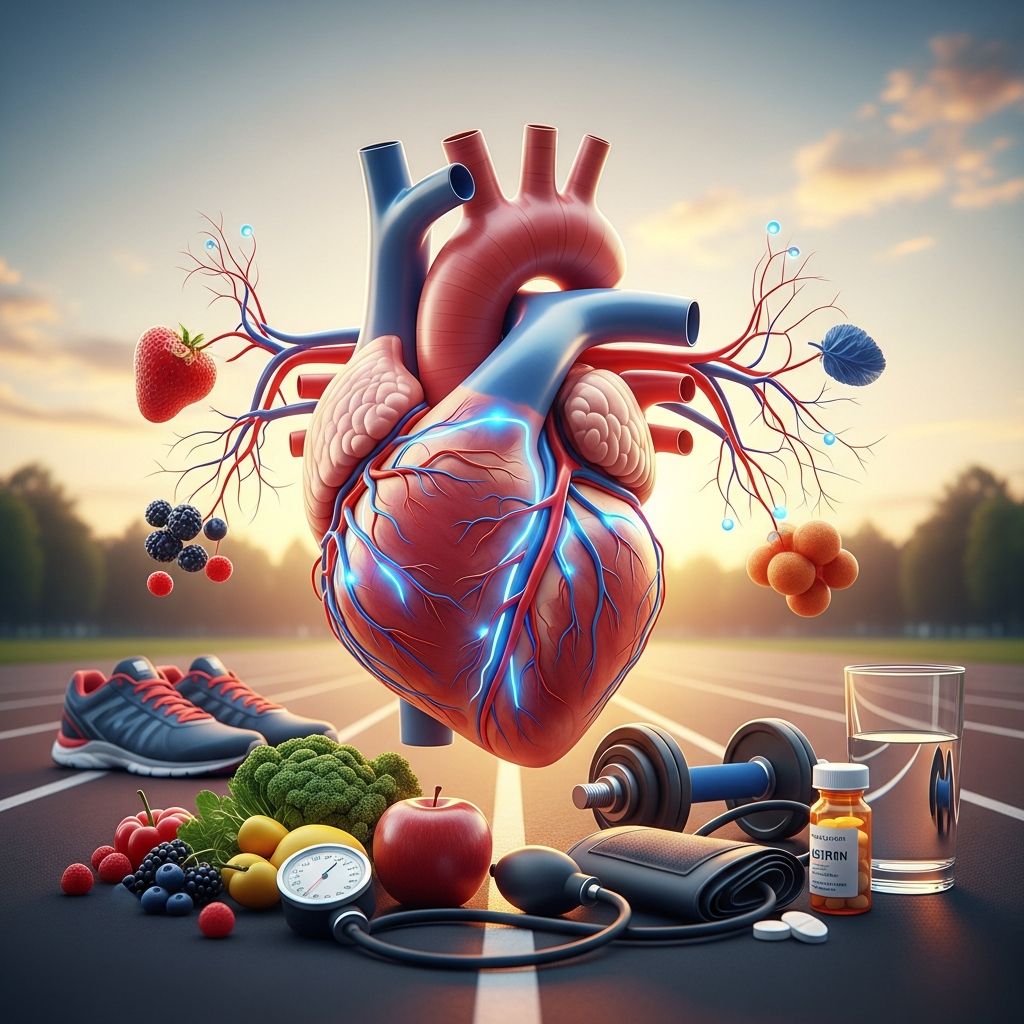
Heart attacks remain a leading cause of death worldwide, but they are largely preventable through lifestyle modifications and medical interventions. Primary, secondary, and primordial prevention strategies can significantly lower risk by addressing key factors like diet, exercise, smoking, and blood pressure.
What Is a Heart Attack?
A heart attack, or myocardial infarction, occurs when blood flow to part of the heart muscle is blocked, often by a clot in a coronary artery narrowed by plaque buildup (atherosclerosis). This deprives the heart of oxygen, causing tissue damage. Common symptoms include chest pain or pressure radiating to the arms, jaw, or back; shortness of breath; nausea; and cold sweats. Women and older adults may experience atypical symptoms like fatigue or indigestion.
Risk factors include high blood pressure, high cholesterol, diabetes, obesity, smoking, sedentary lifestyle, unhealthy diet, and family history. Early recognition and prevention are crucial, as timely intervention can limit damage.
Types of Prevention: Primordial, Primary, and Secondary
Prevention is categorized into three levels.
Primordial prevention
starts early in life to avoid risk factors like obesity and hypertension altogether through healthy habits.Primary prevention
targets those with risk factors (e.g., high cholesterol) to prevent a first event via lifestyle and medications.Secondary prevention
applies post-event to halt progression and avoid recurrence, including statins, aspirin, and intensified lifestyle changes.Adopting these can prevent over 80% of coronary artery disease cases and 72% of premature heart-related deaths.
1. Quit Smoking or Never Start
Tobacco use damages blood vessels, promotes clotting, and raises heart attack risk dramatically. Quitting reduces risk within months; after 1 year, it’s halved compared to continuing smokers.
- Avoid all forms: cigarettes, vaping, chewing tobacco.
- Seek support: counseling, nicotine replacement, or medications like varenicline.
- Benefits extend to non-smokers: secondhand smoke increases risk by 25-30%.
2. Eat a Heart-Healthy Diet
A diet rich in fruits, vegetables, whole grains, nuts, fish, and healthy oils lowers cardiovascular risk by 14-21%. Emphasize Mediterranean-style eating: olive oil, oily fish (salmon, sardines), and limit red/processed meats, sugars, trans fats, and sodium.
| Heart-Healthy Foods | Foods to Limit |
|---|---|
| Fruits/veggies (5+ servings/day), whole grains, nuts/seeds, fatty fish, legumes | Processed meats, sugary drinks, refined carbs, trans fats, high-sodium foods |
| Examples: Berries, leafy greens, oats, almonds, salmon | Examples: Bacon, soda, white bread, fried foods, canned soups |
High-fat diets worsen atherosclerosis; replace butter with plant oils. Alcohol in moderation (1 drink/day women, 2 men) if at all.
3. Exercise Regularly
Sedentary lifestyles increase heart attack risk; regular activity strengthens the heart, lowers blood pressure, improves cholesterol, and aids weight control. Aim for 150 minutes moderate aerobic exercise weekly (brisk walking, swimming, cycling) plus strength training twice weekly.
- Low-impact options ideal for beginners or those with conditions.
- Exercise cuts heart attack risk by up to 60% in studies.
- Start slow: consult a doctor if high-risk.
4. Maintain a Healthy Weight
Obesity strains the heart and raises risks for diabetes, hypertension, and high cholesterol. BMI 18.5-24.9 is optimal; waist circumference under 35 inches (women) or 40 inches (men).
Combine diet and exercise for sustainable loss (1-2 lbs/week). Even 5-10% weight reduction lowers risk significantly.
5. Manage Blood Pressure
Hypertension silently damages arteries. Target under 120/80 mmHg; new guidelines treat at 130/80. Lifestyle first: DASH diet (low sodium, high potassium), exercise, weight loss, limited alcohol.
Medications if needed: ACE inhibitors, beta-blockers. Regular checks essential.
Related Stories



6. Control Cholesterol and Lipids
High LDL cholesterol forms plaques; target LDL under 100 mg/dL (lower if high-risk). Statins are first-line; PCSK9 inhibitors for statin-intolerant. Triglyceride-lowering drugs like icosapent ethyl reduce events.
- Get lipid panels regularly.
- Diet/exercise often suffice for mild cases.
7. Manage Diabetes and Blood Sugar
Diabetes doubles heart attack risk. Maintain A1C under 7% via diet, exercise, metformin, or insulin. Monitor closely.
8. Prioritize Sleep Health
7-9 hours/night optimal; too little/long links to heart disease via inflammation and poor habits. Improve hygiene: consistent schedule, dark room, no screens.
9. Reduce Stress
Chronic stress raises cortisol, blood pressure. Practice mindfulness, yoga, hobbies. Social connections buffer risk.
10. Regular Checkups and Medications
Annual exams track risks. Aspirin for some; follow prescriptions.
Emerging Advances in Prevention
Newer thresholds for blood pressure treatment and drugs like PCSK9 inhibitors and triglyceride modulators offer hope for high-risk individuals. Yet, lifestyle remains foundational.
Frequently Asked Questions (FAQs)
What is the single best thing to prevent a heart attack?
Not smoking, followed by a healthy diet and regular exercise, can prevent most cases.
How much exercise do I need?
150 minutes moderate or 75 minutes vigorous weekly, plus strength training.
Can diet alone lower cholesterol?
Yes, for many; add oats, nuts, fish. Statins if needed.
Is it too late if I’ve had one heart attack?
No—secondary prevention halves second-event risk.
What’s a Mediterranean diet?
Plant-based with olive oil, fish, veggies, whole grains; low red meat.
Putting It All Together
Integrate these habits: no smoking, healthy weight, activity, diet, sleep. Following them prevents 80%+ of cases. Consult healthcare providers for personalized plans. Small changes yield big protections.
References
- Preventing Heart Disease — Harvard T.H. Chan School of Public Health. 2023. https://nutritionsource.hsph.harvard.edu/disease-prevention/cardiovascular-disease/preventing-cvd/
- Heart Attack – Symptoms & Causes — Mayo Clinic. 2024-01-01. https://www.mayoclinic.org/diseases-conditions/heart-attack/symptoms-causes/syc-20373106
- Preventing a Heart Attack — NHS. 2023. https://www.nhs.uk/conditions/heart-attack/prevention/
- What’s New in Heart Attack Prevention — Healthgrades. 2023. https://resources.healthgrades.com/right-care/heart-attack/whats-new-in-heart-attack-prevention
- Practical Strategies for Preventing Heart Attack — Prevention Magazine. 2023. https://www.prevention.com/health/a20465195/practical-strategies-for-preventing-heart-attack/
Similar Articles








Read full bio of Sneha Tete