Heart Attack Symptoms Women Shouldn’t Ignore
Learn critical warning signs of heart attacks in women that differ from men's symptoms.
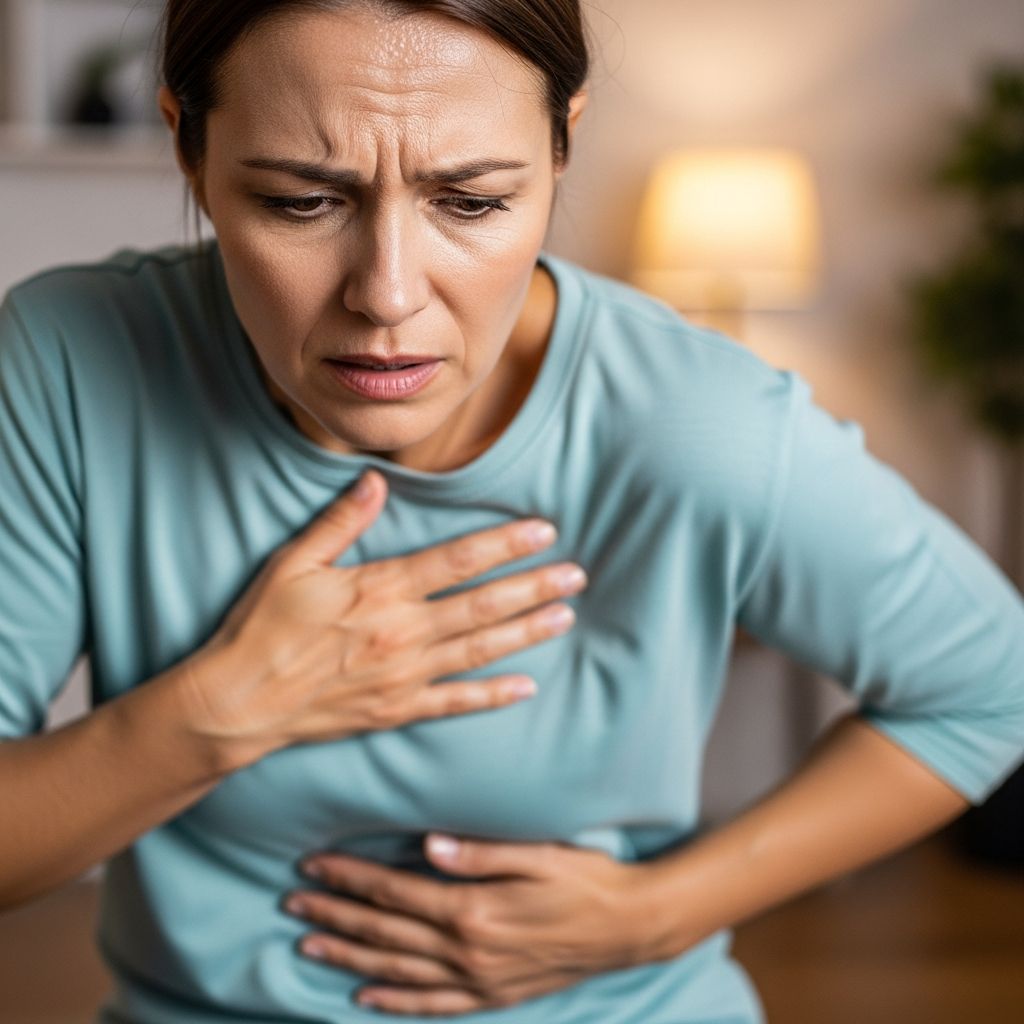
A heart attack occurs every 40 seconds in the United States, and heart disease remains the leading cause of death for women in the country. Despite this alarming statistic, many women dismiss early warning signs, attributing them to less serious conditions like acid reflux, the flu, or normal aging. Understanding the unique symptoms of heart attacks in women can be lifesaving, as women often experience different warning signs than men and are more likely to delay seeking treatment.
Understanding Heart Attacks: What Happens to Your Heart
A heart attack happens when blood flow to the heart muscle is blocked, usually by a blood clot or plaque buildup in the coronary arteries. When blood cannot reach the heart muscle, the cells begin to die, potentially causing permanent damage or death. Coronary artery disease (CAD) is the most common cause, occurring when plaque gradually accumulates on artery walls in a process called atherosclerosis.
Women are at particular risk because plaque in their arteries often forms differently than in men. Women tend to develop a smooth layer of plaque across the arteries rather than a few large clumps, making it harder to detect on standard tests like angiograms. Additionally, coronary spasms—where an artery temporarily pinches closed—occur more frequently in young women than in older women or men.
Common Heart Attack Symptoms in Women
While chest discomfort is the most common symptom for both men and women, the presentation varies significantly. Recognizing these symptoms is critical because time is literally muscle—the longer treatment is delayed, the more heart damage occurs.
Chest Pain and Discomfort
Chest pain or discomfort is the primary symptom women experience during a heart attack. However, women often describe this sensation differently than men. Rather than the crushing pressure some men compare to an elephant sitting on their chest, women may experience:
- Uncomfortable pressure, squeezing, or fullness in the center of the chest
- Pain that lasts more than a few minutes or comes and goes
- Upper back pressure that feels like squeezing or a rope being tied around them
Pain in Other Areas of the Body
Heart attack pain isn’t always confined to the chest. Women frequently report discomfort in:
- One or both arms
- The back, neck, or jaw
- Shoulder blades
- The stomach or upper abdomen
One particularly important consideration is the timing of symptoms. Pain that occurs during physical exertion deserves serious attention. If you experience shoulder pain while walking, chest tightness during exercise, or neck discomfort that worsens with activity, these warrant immediate medical evaluation rather than being dismissed as muscle strain or postural issues.
Shortness of Breath
Shortness of breath is more common in women than men during a heart attack and may occur with or without chest discomfort. This symptom can develop suddenly or gradually. Women may feel unusually winded during normal activities or feel as though they’ve just finished a marathon without exerting themselves.
Related Stories



Atypical Symptoms Women Often Overlook
Many women experience heart attack symptoms that don’t match the stereotypical presentation, leading them to delay or avoid seeking emergency care. These atypical signs are just as serious and warrant immediate attention:
Fatigue and Weakness
Unusual tiredness and weakness are significant warning signs, particularly when they develop suddenly or without explanation. Unlike normal fatigue from daily activities, heart attack-related exhaustion often feels disproportionate to your level of activity. Women report feeling inexplicably drained or unable to perform routine tasks.
Nausea and Indigestion
Women are more likely than men to experience nausea, upset stomach, or indigestion-like symptoms during a heart attack. This symptom is particularly dangerous because women may mistake it for heartburn or a digestive issue and attempt self-treatment with antacids rather than seeking emergency care. If these gastrointestinal symptoms are accompanied by other heart attack warning signs, immediate medical attention is essential.
Sweating and Anxiety
Breaking out in a cold sweat without exertion is a classic heart attack warning sign. Additionally, women may experience unusual anxiety or a sense of impending doom. These psychological symptoms combined with physical signs like sweating should trigger an emergency response.
Dizziness and Lightheadedness
Feeling dizzy, lightheaded, or faint can indicate a heart attack, particularly when combined with other symptoms. These symptoms result from reduced blood flow to the brain due to compromised cardiac function.
Why Women Delay Seeking Treatment
Research shows that women are more likely than men to brush off heart attack symptoms and delay seeking emergency care, a pattern that directly contributes to worse outcomes. Several factors contribute to this dangerous delay:
- Attribution to minor conditions: Women chalk up symptoms to stress, anxiety, acid reflux, or normal aging
- Atypical presentation: Symptoms may not match the “textbook” heart attack description
- Underestimation of risk: Many women don’t realize heart disease is their number-one health threat
- Competing priorities: Some women delay treatment to finish household tasks or attend to family obligations
- Lower confidence in symptoms: Women may be less certain their symptoms warrant emergency care
This hesitation has serious consequences. Cardiology experts emphasize that “time is muscle”—every minute counts when it comes to heart attack treatment.
How Women’s Heart Attack Outcomes Differ from Men’s
Women do worse than men after a heart attack across all age groups. This disparity is particularly pronounced in specific demographics:
- Women aged 45-65: More likely to die within a year of a heart attack compared to men of the same age
- Women over 65: More likely to die within a few weeks of a heart attack compared to male counterparts
Women typically experience their first heart attack about 10 years later than men—the average age is 72 for women versus 64 for men. However, when younger women do have heart attacks, they face disproportionately higher mortality rates, though researchers continue investigating why.
Diagnostic Challenges for Women
Women face unique diagnostic obstacles that can delay treatment. The smooth, layered plaque that forms in women’s arteries often escapes detection on standard angiograms. When women show heart attack symptoms but angiography appears normal, additional testing becomes necessary, including:
- Electrocardiograms (ECGs) to detect electrical activity changes
- Advanced imaging tests to visualize smoother plaque formations
- Stress tests to monitor heart function during physical activity
Emergency Treatment and Recovery
When a woman arrives at the hospital with heart attack symptoms, medical teams employ several treatment approaches:
Medications
- Nitrates: Including nitroglycerin, given intravenously to improve blood flow
- Beta blockers: Reduce heart workload, relieve chest pain, and prevent repeat attacks
- ACE inhibitors: Lower blood pressure and reduce strain on the heart
- Additional medications: Pain relievers, anxiety reducers, and cholesterol-lowering drugs as needed
Procedures
Common interventional procedures include angioplasty and stent placement to restore blood flow, or in some cases, coronary artery bypass surgery.
Prevention: Taking Action Before a Heart Attack
The most effective strategy is prevention through lifestyle modifications and medical management:
- Healthy diet: Include fruits, vegetables, lean proteins, whole grains, and low-fat dairy while limiting processed foods, added sugars, sodium, and alcohol
- Regular exercise: Aim for at least 150 minutes of moderate activity weekly
- Weight management: Maintain a healthy body mass index
- Stress reduction: Practice meditation, yoga, or counseling to manage emotional health
- Smoking cessation: Quit smoking completely
- Blood pressure control: Monitor and manage hypertension
- Cholesterol management: Maintain healthy lipid levels through diet and medication if needed
What to Do If You Experience Heart Attack Symptoms
Call 911 immediately if you experience any heart attack warning signs. Do not drive yourself or wait to see if symptoms improve. Early treatment significantly improves outcomes and prevents permanent heart damage.
If you experience mild discomfort that persists for weeks, schedule an appointment with your doctor. Familiarize yourself with these symptoms and share this information with loved ones—recognizing warning signs in others can also save lives.
Frequently Asked Questions
Q: Is chest pain always a sign of a heart attack?
A: No. While chest pain is the most common heart attack symptom, many conditions cause chest discomfort, including acid reflux, muscle strain, and anxiety. However, any chest pain or pressure should be evaluated by a medical professional, especially if accompanied by other symptoms like shortness of breath, nausea, or sweating.
Q: Can young women have heart attacks?
A: Yes. While heart attacks are less common in younger women than younger men, they do occur. Younger women may have risk factors like smoking, diabetes, high blood pressure, or a family history of early heart disease. The hormone estrogen provides some protection in younger women, but this doesn’t eliminate risk entirely.
Q: What’s the difference between a heart attack and cardiac arrest?
A: A heart attack occurs when blood flow to the heart is blocked, but the heart continues beating and the person remains conscious. Cardiac arrest is when the heart stops beating entirely, the person loses consciousness, and there’s no pulse. A heart attack can lead to cardiac arrest if untreated.
Q: Should I take aspirin if I think I’m having a heart attack?
A: Call 911 first. While aspirin can help in some situations, emergency medical professionals need to assess your specific condition. Follow their guidance on whether aspirin is appropriate for you.
Q: Can women fully recover from a heart attack?
A: Many women who have had a heart attack go on to lead full, active lives. Recovery depends on the extent of heart damage, how quickly treatment was received, and adherence to lifestyle changes and medications recommended by your healthcare team.
References
- Heart Attack Symptoms in Women — American Heart Association. 2024. https://www.heart.org/en/health-topics/heart-attack/warning-signs-of-a-heart-attack/heart-attack-symptoms-in-women
- Heart attack and women — Office on Women’s Health, U.S. Department of Health and Human Services. 2024. https://womenshealth.gov/heart-disease-and-stroke/heart-disease/heart-attack-and-women
- Heart Attack Symptoms Women Need to Know — Duke Health. 2024. https://www.dukehealth.org/blog/heart-attack-symptoms-women-need-know
Similar Articles








Read full bio of Sneha Tete