Heart Attack Symptoms: 6 Critical Warning Signs
Recognize heart attack warning signs early to save lives—know the symptoms in men and women.
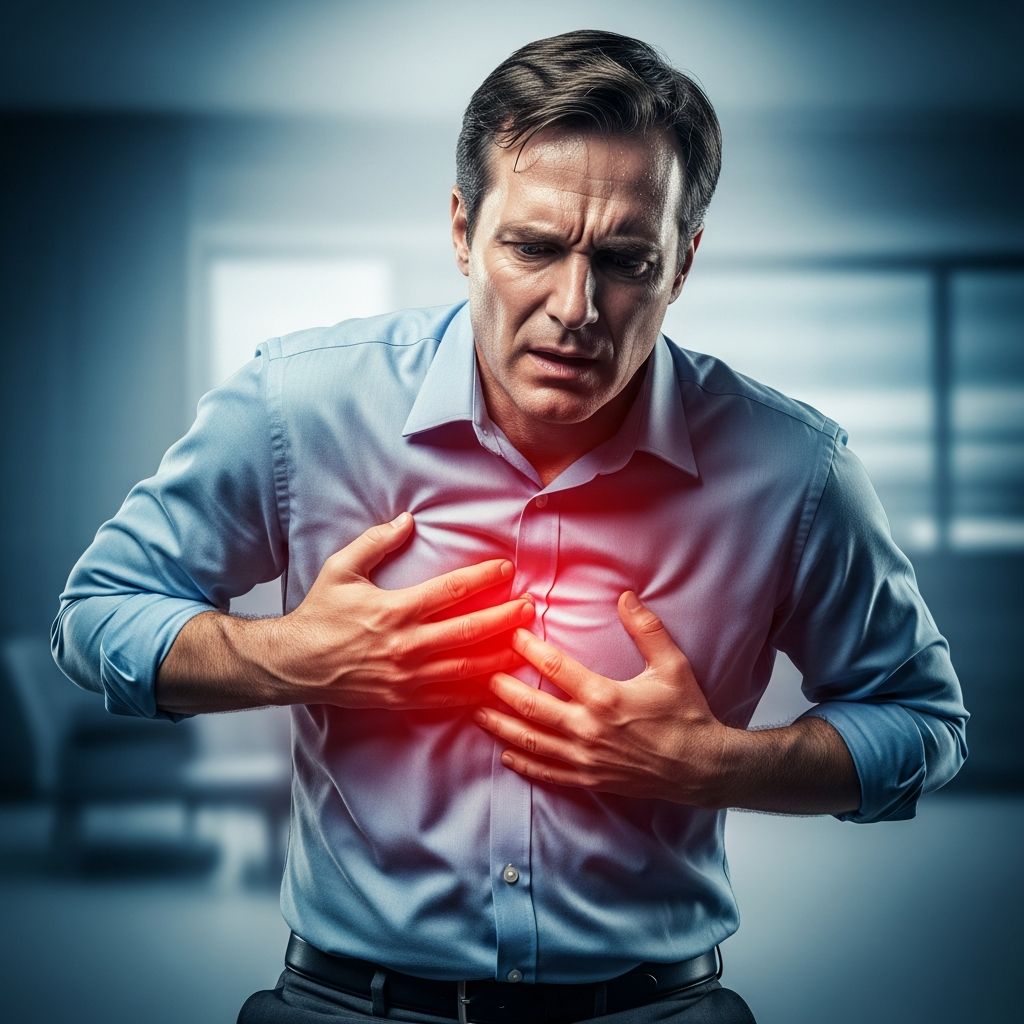
A heart attack, medically known as a myocardial infarction, occurs when blood flow to part of the heart muscle is blocked, often by a clot in a coronary artery. This deprives the heart of oxygen, leading to tissue damage that can be fatal if not treated promptly. Every 40 seconds, someone in the U.S. experiences a heart attack, making it a leading cause of death, particularly for women where it’s the number one killer. Recognizing symptoms early is crucial, as delays in seeking help worsen outcomes. Symptoms can vary by gender, age, and individual health, but common signs include chest discomfort, pain radiating to other areas, and sudden shortness of breath.
Heart disease develops gradually from plaque buildup in arteries (atherosclerosis), narrowing vessels until a rupture triggers clotting. Risk factors include high blood pressure, smoking, diabetes, obesity, and sedentary lifestyle. Women often misattribute symptoms to indigestion, flu, or stress, delaying care. This article details symptoms, differences between men and women, risk factors, and prevention, empowering you to act decisively.
Warning Signs of a Heart Attack
The hallmark symptom is
chest pain or discomfort
, described as pressure, squeezing, fullness, or pain in the center or left side of the chest. It typically lasts more than a few minutes or recurs intermittently. This occurs due to the heart muscle’s distress from oxygen deprivation, signaling via nerves to the chest wall.Other key warning signs include:
- Pain or discomfort radiating to one or both arms, back, neck, jaw, or stomach. Women frequently report back or jaw pain rather than classic chest pressure.
- Shortness of breath, which may occur with or without chest symptoms, often feeling like you can’t catch your breath even at rest.
- Cold sweat, sudden clamminess, or breaking out in perspiration without exertion.
- Nausea or vomiting, especially in women, mimicking stomach upset.
- Lightheadedness or dizziness, sometimes leading to fainting, due to reduced cardiac output.
These symptoms can be subtle or mimic other conditions like anxiety or acid reflux. If any occur, especially in combination, call 911 immediately—do not drive yourself. Time is muscle; treatments like angioplasty are most effective within the golden hour.
Heart Attack Symptoms in Women
Women’s heart attack symptoms often differ from men’s, leading to underdiagnosis. While
chest pain
remains the most common, up to 50% of women experience atypical signs like upper back pressure feeling like a rope tightening around the chest or squeezing sensation.Unique symptoms more prevalent in women include:
- Anxiety or sense of impending doom, with overwhelming unease.
- Upset stomach or indigestion-like pain, without heartburn.
- Pain in the shoulder, back, or arm, often one-sided.
- Unusual fatigue or weakness, sometimes days before the event, linked to hormonal changes post-menopause.
- Shortness of breath during mild activity or rest.
Post-menopausal women face higher risks due to estrogen decline, which protects arteries. Pregnancy-related conditions like gestational diabetes also elevate lifetime risk. Studies show women wait longer to seek help, increasing mortality by 20-50%. Awareness campaigns emphasize these subtleties to bridge the gap.
Heart Attack Symptoms in Men
Men typically present with classic symptoms: intense
chest pain
radiating to the left arm, lasting 20+ minutes, often with sweating and breathlessness. This aligns with the ‘Hollywood heart attack’ depiction but isn’t universal. Younger men under 45 may experience milder signs like jaw pain or fatigue, especially with risk factors like smoking or cocaine use.Less common in men but possible: nausea, back pain, or lightheadedness. Genetic predispositions like family history amplify risks. Men’s symptoms are more predictable, yet denial or exertion attribution delays care.
Related Stories



Risk Factors for Heart Attacks
Understanding risks helps prevention. Modifiable factors include:
- Smoking: Doubles risk; quitting halves it within a year.
- High cholesterol and blood pressure: Plaque builders.
- Diabetes: Accelerates atherosclerosis.
- Obesity and poor diet: Promote inflammation.
- Sedentary lifestyle: Weakens heart efficiency.
Non-modifiable: Age (over 45 men, 55 women), family history, male gender pre-menopause. Emerging data highlights sleep apnea, chronic stress, and air pollution as contributors. Assess personal risk via tools like the ASCVD calculator from the American College of Cardiology.
When to Call 911
Act immediately if symptoms persist >5 minutes, worsen with activity, or include multiple signs. Even if unsure, err on caution—false alarms are better than tragedy. Chew aspirin (325mg) if not allergic, as it thins blood. Emergency response includes ECG, thrombolytics, or stents to restore flow.
Post-attack, cardiac rehab reduces recurrence by 20-30%. Women benefit most from tailored programs addressing fatigue and mental health.
Prevention Strategies
Heart disease is 80-90% preventable. Key steps:
- Exercise regularly: 150 minutes moderate aerobic (brisk walking) or 75 vigorous (running) weekly, plus strength training twice weekly.
- Healthy diet: Emphasize fruits, vegetables, whole grains, lean proteins, nuts; limit sodium (<2300mg/day), sugars, processed foods.
- Quit smoking: Use patches, counseling; risk drops significantly post-quit.
- Manage weight and conditions: Target BMI 18.5-24.9; control BP (<120/80), cholesterol, blood sugar.
- Regular checkups: Screenings detect issues early.
- Stress management: Meditation, yoga lower cortisol.
| Risk Factor | Prevention Tip | Impact |
|---|---|---|
| Smoking | Quit via nicotine replacement | 50% risk reduction in 1 year |
| Inactivity | 150 min/week exercise | 30% lower risk |
| Poor Diet | Mediterranean diet | 25% fewer events |
| Hypertension | Med + lifestyle | Halves stroke/attack risk |
Frequently Asked Questions (FAQs)
Can heart attack symptoms come and go?
Yes, discomfort may wax and wane, but if it recurs, seek emergency care immediately.
Do women have different heart attack symptoms than men?
Yes, women often experience subtler signs like back pain, nausea, or fatigue rather than severe chest pain.
How long do heart attack symptoms last?
Typically more than a few minutes; brief pain is less likely cardiac.
Can you have a heart attack without chest pain?
Yes, especially in women, elderly, or diabetics—known as silent myocardial infarction.
What should you do if you suspect a heart attack?
Call 911, chew aspirin if able, stay calm, and avoid exertion.
Latest Research and Updates
As of 2026, studies emphasize wearable tech for early detection via ECG monitoring. mRNA therapies target plaque reversal, while GLP-1 drugs like semaglutide show 20% risk reduction in trials. Women’s health initiatives push for sex-specific research to close outcome gaps.
Global data from WHO notes 18 million annual cardiovascular deaths, underscoring urgency. Personalized medicine via genetics refines risk prediction.
References
- Heart Attack Symptoms in Women — American Heart Association. 2024-01-15. https://www.heart.org/en/health-topics/heart-attack/warning-signs-of-a-heart-attack/heart-attack-symptoms-in-women
- Heart Disease Facts — Centers for Disease Control and Prevention (CDC). 2025-06-10. https://www.cdc.gov/heart-disease/about/index.html
- Acute Myocardial Infarction in Women — American College of Cardiology. 2024-11-20. https://www.acc.org/latest-in-cardiology/articles/2024/11/20/10/45/sex-differences-in-ami
- Physical Activity Guidelines — U.S. Department of Health and Human Services. 2023-05-01. https://health.gov/our-work/physical-activity/current-guidelines
- Cardiovascular Diseases — World Health Organization (WHO). 2025-09-12. https://www.who.int/health-topics/cardiovascular-diseases
Similar Articles








Read full bio of Sneha Tete