Heart Attack vs. Cardiac Arrest: Key Differences
Understand the critical differences between heart attacks and cardiac arrest to recognize symptoms and seek emergency care.
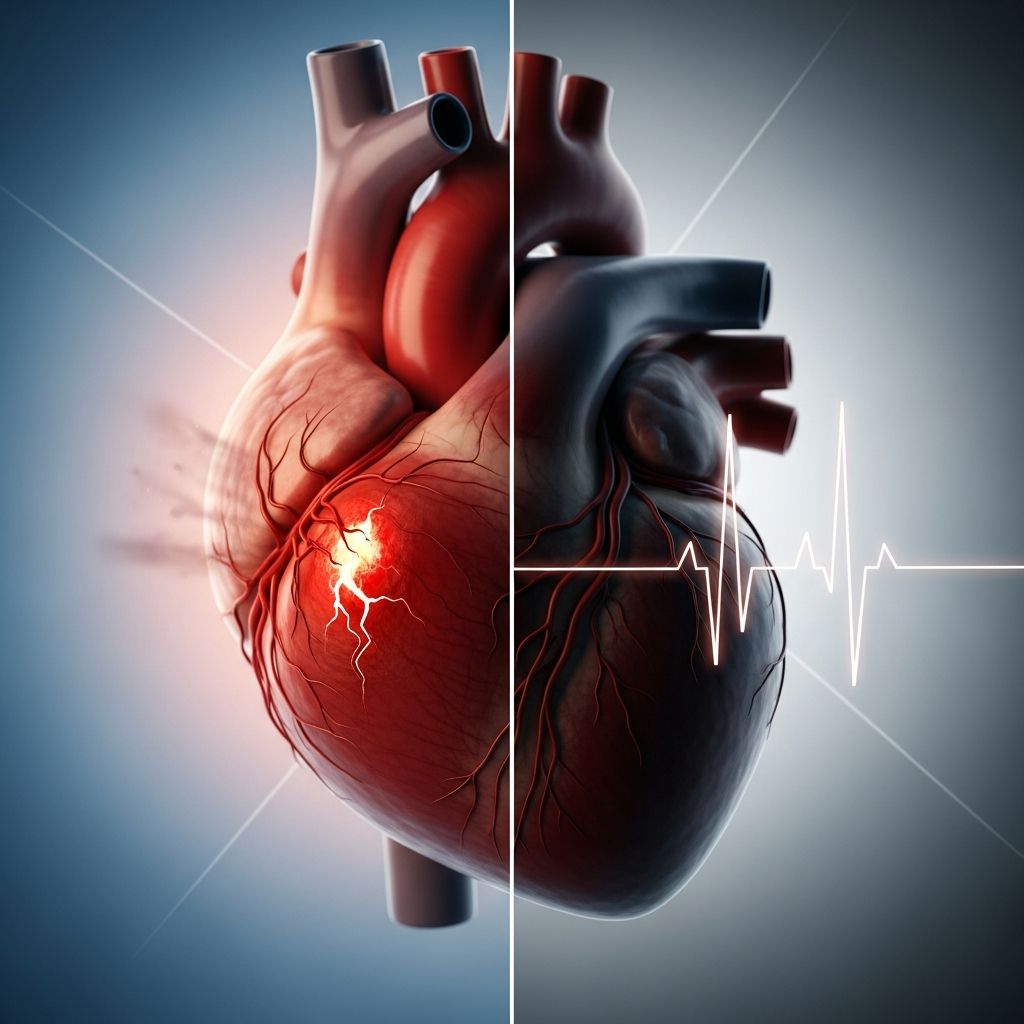
Understanding Heart Attacks and Cardiac Arrest: Critical Differences Everyone Should Know
Many people use the terms “heart attack” and “cardiac arrest” interchangeably, assuming they refer to the same life-threatening condition. However, these are two distinct medical emergencies with different causes, symptoms, and treatment approaches. Understanding these differences can be lifesaving, as recognizing which condition someone is experiencing determines the appropriate emergency response. Both conditions demand immediate medical attention, but the interventions required are significantly different. This comprehensive guide will help you understand the key distinctions between these two serious cardiac events.
What Is a Heart Attack?
A heart attack, medically known as myocardial infarction, occurs when blood flow to the heart muscle is severely restricted or completely blocked. This blockage typically develops gradually due to the buildup of plaque—composed of fat, cholesterol, and other substances—within the coronary arteries that supply oxygen-rich blood to the heart. Sometimes, a blood clot forms and lodges in these narrowed arteries, completely cutting off blood supply to a section of the heart muscle.
When blood flow is interrupted, the heart muscle tissue in the affected area becomes starved of oxygen. Without adequate oxygenated blood, the heart muscle begins to die, a process known as necrosis. The longer treatment is delayed, the more extensive the damage becomes. During a heart attack, the heart typically continues to beat, which is an important distinction from cardiac arrest. However, the damaged tissue can weaken the heart’s overall function, potentially leading to complications including arrhythmias or, in severe cases, cardiac arrest.
The primary cause of heart attacks is coronary artery disease, which develops over years or decades as plaque accumulates in the arteries. Risk factors include high blood pressure, high cholesterol, smoking, diabetes, obesity, and a family history of heart disease. Heart attacks can also result from coronary artery spasms, which temporarily narrow the artery and restrict blood flow, though this is less common.
What Is Cardiac Arrest?
Cardiac arrest represents a fundamentally different type of heart emergency. Rather than a circulation problem, cardiac arrest is an electrical malfunction within the heart. During cardiac arrest, the electrical system that controls the heart’s beating malfunctions, causing the heart to stop beating entirely or to beat so ineffectively that it cannot pump blood to the brain and other vital organs. This sudden cessation of heart function creates an immediate life-threatening situation.
In cardiac arrest, the heart essentially fails to function as a pump. Without the circulation of oxygenated blood to the brain and vital organs, permanent brain damage can occur within minutes, and death can result within seconds to minutes if emergency treatment is not initiated immediately. The condition is characterized by a complete or near-complete loss of cardiac output, meaning blood is not being circulated throughout the body.
Cardiac arrest can be caused by various underlying conditions, including abnormal heart rhythms (arrhythmias), cardiomyopathies that damage the heart tissue itself, congenital heart diseases present from birth, severe trauma causing massive blood loss, or it can even develop as a consequence of an untreated heart attack. The condition often strikes without warning, though some individuals may experience warning signs such as a racing heartbeat, dizziness, lightheadedness, chest pain, shortness of breath, nausea, or vomiting immediately before losing consciousness.
Related Stories



Key Differences at a Glance
| Characteristic | Heart Attack | Cardiac Arrest |
|---|---|---|
| Primary Cause | Blocked blood flow to heart muscle | Electrical malfunction in heart |
| Problem Type | Circulation problem (“plumbing”) | Electrical problem |
| Heart Function | Heart usually continues beating | Heart stops or beats ineffectively |
| Onset | May develop gradually or suddenly | Always sudden and unexpected |
| Consciousness | Person usually remains conscious | Person loses consciousness immediately |
| Survival Rate | Over 60% with proper treatment | About 5% outside hospital setting |
Recognizing Heart Attack Symptoms
Heart attack symptoms can vary between individuals, but common warning signs include chest pain or discomfort, which may feel like pressure, squeezing, fullness, or pain in the center of the chest lasting more than a few minutes. Additional symptoms may include:
- Shortness of breath, which may occur with or without chest discomfort
- Discomfort in other areas of the upper body, including arms, back, neck, jaw, or stomach
- Nausea or lightheadedness
- Unusual fatigue or weakness
- Cold sweats or clammy skin
Women may experience different or additional symptoms compared to men, sometimes reporting fatigue, shortness of breath, or nausea as primary symptoms rather than chest pain. If you or someone near you experiences these symptoms, call emergency services immediately rather than waiting to see if symptoms improve.
Recognizing Cardiac Arrest Symptoms
Cardiac arrest symptoms are more uniform and distinctive. The primary and most immediate sign is sudden loss of consciousness, often accompanied by an inability to detect a pulse. Additional signs include:
- Sudden collapse or fainting
- Absence of a detectable pulse
- Cessation of normal breathing or gasping for breath
- Loss of responsiveness to stimuli
- Possible seizure-like activity
If you witness someone experiencing these symptoms, immediate action is critical. Begin CPR (cardiopulmonary resuscitation) immediately and call emergency services. Retrieve an automated external defibrillator (AED) if available in the area, as this device can potentially restore the heart’s normal rhythm.
The Connection Between Heart Attack and Cardiac Arrest
Although heart attacks and cardiac arrests are distinct conditions, they can be related. An untreated or severe heart attack can lead to cardiac arrest as a complication. When a heart attack damages the heart muscle extensively, it can disrupt the electrical signals that control the heartbeat, potentially triggering an arrhythmia that deteriorates into cardiac arrest. However, it is important to note that most people who experience a heart attack do not develop cardiac arrest, particularly when treatment begins promptly.
Cardiac arrest can also occur independently of a heart attack. It may develop from other cardiac conditions, severe trauma, or electrical abnormalities unrelated to blocked blood vessels. Understanding this connection reinforces why both conditions require immediate medical attention.
Emergency Treatment Approaches
Because heart attacks and cardiac arrests have different underlying causes, their treatments differ significantly.
Treatment for Heart Attack
Heart attack treatment focuses on restoring blood flow to the heart muscle as quickly as possible. Emergency medical care typically includes:
- Administration of aspirin or other antiplatelet medications to prevent blood clots
- Nitrates to help dilate blood vessels and improve blood flow
- Beta-blockers to reduce heart workload
- Catheterization procedures to locate and open blocked arteries (angioplasty)
- Stent placement to keep arteries open
- Thrombolytic therapy (clot-busting medications) in some cases
The goal is to minimize heart muscle damage by restoring oxygen-rich blood flow as quickly as possible.
Treatment for Cardiac Arrest
Cardiac arrest treatment focuses on restoring the heart’s normal electrical rhythm and restarting effective pumping action. Emergency response involves:
- Immediate CPR to manually circulate blood to vital organs
- Use of an automated external defibrillator (AED) to deliver electrical shock and restore normal heart rhythm
- Advanced life support medications, including epinephrine and amiodarone
- Post-resuscitation care to stabilize vital functions
- Treatment of the underlying cause if determined
The critical time window is extremely narrow—brain damage can begin within minutes of blood flow cessation, making immediate intervention essential.
Why Understanding the Difference Matters
Distinguishing between these conditions is crucial for several reasons. First, it helps bystanders provide appropriate emergency assistance. Second, it guides healthcare providers in selecting the most effective treatment. Third, it informs prevention strategies and lifestyle modifications to reduce risk. Finally, it enables individuals to recognize warning signs and seek help promptly.
Public awareness campaigns emphasizing the difference between these conditions have contributed to improved survival rates and reduced complications. Educational initiatives have helped people recognize heart attack symptoms and call for emergency help before the condition progresses to cardiac arrest.
Prevention and Risk Reduction
While cardiac arrest can occur unexpectedly, many heart attacks can be prevented or delayed through lifestyle modifications. These include maintaining a healthy diet, exercising regularly, managing stress, avoiding smoking, controlling blood pressure and cholesterol levels, and managing existing conditions like diabetes.
Regular medical check-ups, particularly for those with risk factors, can identify vulnerable individuals who may benefit from preventive medications or interventions. Maintaining awareness of family history is also important, as genetic factors influence cardiac risk.
Frequently Asked Questions
Q: Can a heart attack turn into cardiac arrest?
A: Yes, an untreated or severe heart attack can potentially lead to cardiac arrest as a complication. However, most heart attacks do not progress to cardiac arrest, especially when treatment begins promptly.
Q: Which condition is more dangerous?
A: Cardiac arrest is typically more immediately life-threatening. Without emergency intervention, cardiac arrest can result in death or permanent brain damage within minutes. Heart attacks are serious but generally allow slightly more time for treatment, with survival rates exceeding 60% with proper care.
Q: What should I do if someone is having a heart attack?
A: Call emergency services immediately. Have the person sit or lie down, loosen tight clothing, and administer aspirin if available and not contraindicated. Stay with the person and monitor their condition until emergency responders arrive.
Q: What should I do if someone is experiencing cardiac arrest?
A: Call emergency services immediately. Begin CPR if trained to do so. If an AED is available, retrieve it and follow its instructions. Continue CPR until emergency responders arrive or the person shows signs of life.
Q: Are there warning signs of cardiac arrest?
A: Cardiac arrest is often sudden without warning. However, some individuals may experience brief warning signs such as chest pain, shortness of breath, dizziness, or fainting just before losing consciousness.
Q: How many people experience cardiac arrest annually?
A: Over 350,000 people experience sudden cardiac arrest outside hospital settings in the United States each year, with approximately 95 percent proving fatal without immediate intervention.
References
- Heart Attack vs. Cardiac Arrest — Heart Foundation Australia. 2024. https://www.heartfoundation.org.au/blog/heart-attack-vs-cardiac-arrest
- The Differences Between a Heart Attack & Cardiac Arrest — Northern Georgia Health Services. 2024. https://www.nghs.com/heart/differences-heart-attack-cardiac-arrest
- Sudden Cardiac Arrest vs Heart Attack — Henry Ford Health System Cardiology. 2024. https://www.henryford.com/Services/Cardiology/Support/Diagnosis/Heart-attack-vs-sudden-cardiac-arrest
- What’s the difference between a heart attack and cardiac arrest? — Johnson & Johnson Health and Wellness. 2024. https://www.jnj.com/health-and-wellness/whats-the-difference-between-a-heart-attack-and-cardiac-arrest
- Heart attack vs. cardiac arrest: What’s the difference? — American Heart Association. 2024. https://www.heart.org/en/health-topics/house-calls/differences-between-heart-attack-and-cardiac-arrest
- Sudden Cardiac Arrest vs. Heart Attack: Know the Signs, Save a Life — UCHealth. 2024. https://www.uchealth.com/en/media-room/articles/know-the-signs-help-save-a-life-sudden-cardiac-arrest-vs-heart-attack
- Heart Attack vs. Cardiac Arrest — American Red Cross. June 18, 2024. https://www.redcross.org/take-a-class/resources/articles/heart-attack-vs-cardiac-arrest
Similar Articles








Read full bio of Sneha Tete