Heart Attacks In Young Women: Essential Guide For 2025
Heart attacks are rising among women under 50. Learn the unique symptoms, risk factors, and prevention strategies every young woman should know.
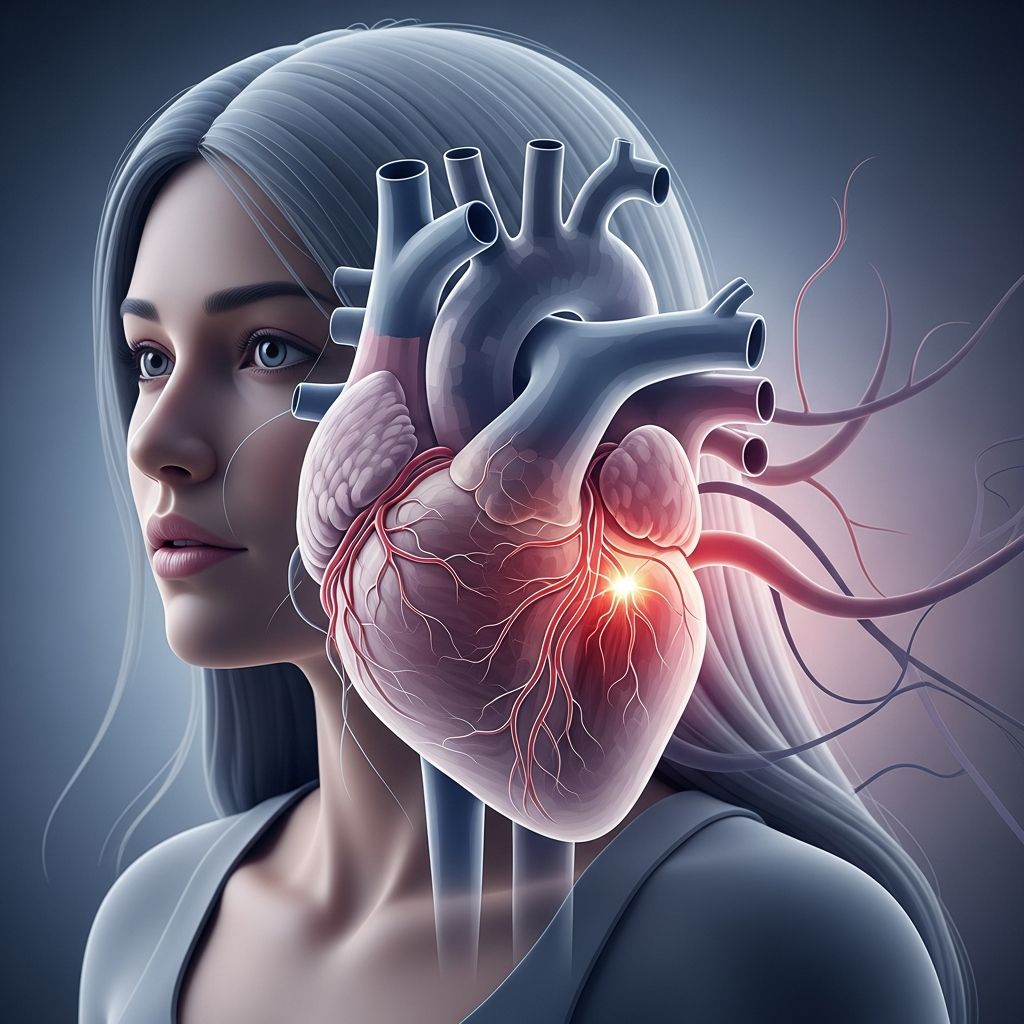
Heart disease remains the leading cause of death for women in the United States, but a disturbing trend is emerging: heart attacks among younger women are on the rise. Women under 50 now account for nearly one in five heart attack hospitalizations, a significant increase from previous decades. Unlike older adults, young women often face unique risk factors and symptoms that are frequently overlooked, leading to delayed treatment and worse outcomes.
This article explores the growing epidemic of heart attacks in young women, covering symptoms, risk factors, diagnosis challenges, treatment options, prevention strategies, and real stories from survivors. Understanding these issues can empower women to recognize warning signs early and take proactive steps to protect their heart health.
Symptoms of Heart Attack in Young Women
Heart attack symptoms in women often differ from the classic ‘chest-clutching’ pain depicted in media, especially in younger women. While men typically experience severe chest pain radiating to the arm or jaw, women are more likely to have subtler, nonspecific symptoms that mimic other conditions like indigestion, anxiety, or flu.
- Common symptoms in young women: Shortness of breath (49% of cases), nausea or vomiting (43%), back or jaw pain (40%), fatigue (extreme tiredness days before), and flu-like symptoms.
- Chest pain or pressure occurs in only 63% of women vs. 92% of men.
- Younger women under 55 often report ‘indigestion’ or ‘stress’ rather than admitting possible heart issues due to age bias.
These atypical presentations contribute to diagnostic delays. A study found women wait 37 minutes longer than men to call 911 after symptom onset. Awareness is critical: if symptoms persist over 10-20 minutes, especially with risk factors, seek emergency care immediately.
Risk Factors Unique to Young Women
While traditional risks like smoking, obesity, diabetes, and high cholesterol apply, young women face gender-specific factors that accelerate heart disease. Pregnancy and reproductive history play outsized roles.
| Risk Factor | Prevalence/Impact | Source |
|---|---|---|
| Preeclampsia (high BP during pregnancy) | 4x higher risk of future heart attack; affects 5-8% pregnancies | CDC |
| Gestational diabetes | 2x increased heart disease risk post-pregnancy | AHA |
| Premature birth (<37 weeks) | 1.5-2x elevated cardiovascular risk | NIH |
| PCOS (Polycystic Ovary Syndrome) | Insulin resistance leads to early atherosclerosis | Endocrine Society |
| Birth control pills (combined estrogen-progestin) | 2-6x clot risk in smokers over 35 | WHO |
| Menopause before 45 (early) | 50% higher heart attack risk | AHA |
Other contributors include autoimmune diseases (lupus, rheumatoid arthritis), which inflame blood vessels; mental health issues like depression (2x risk); and social factors like job stress or caregiving. Black and Hispanic women face 20-40% higher rates due to systemic inequities and higher rates of hypertension/diabetes.
Why Heart Attacks Are Increasing in Younger Women
Recent data reveals a 17% rise in heart attacks among women aged 30-54 from 2019-2023, per CDC analysis. Key drivers include:
- Obesity epidemic: 42% of US women obese; visceral fat promotes inflammation.
- Sedentary lifestyles: Post-COVID activity drop; screen time up 30%.
- Mental health crisis: Anxiety/depression doubled post-pandemic; chronic stress elevates cortisol and BP.
- Delayed screenings: Pandemic backlogs mean missed hypertension diagnoses (1 in 3 women undiagnosed).
- Vaping/smoking: E-cigarette use tripled in young women; nicotine damages arteries.
Related Stories



A 2024 National Heart, Lung, and Blood Institute study confirms younger women (30-50) now represent 20% of cases, up from 10% in 2000. Hidden plaque ruptures from non-obstructive coronary disease (MINOCA) cause 25% of young women’s attacks, missed on standard stress tests.
Diagnosis Challenges for Young Women
Young women face ‘ageism’ in ERs: doctors often attribute symptoms to panic attacks or GI issues. Only 50% receive timely ECGs vs. 70% of men. Key diagnostic tools:
- ECG/EKG: Detects 80% of STEMI attacks.
- Troponin blood test: Elevated in 95% within 3 hours.
- Echocardiogram: Checks heart function post-attack.
- Coronary angiogram: Gold standard for blockages; cardiac MRI for MINOCA.
Women are 59% more likely to be discharged from ER without proper testing. Advocacy tip: Insist on full workup if symptoms persist.
Treatment and Recovery
Immediate treatment mirrors men’s: aspirin, nitroglycerin, angioplasty/stents for blockages, or thrombolytics. Post-attack:
- Medications: Statins (lower cholesterol), beta-blockers (control HR/BP), ACE inhibitors, antiplatelets.
- Lifestyle rehab: Cardiac rehabilitation reduces recurrence 30%; includes exercise counseling.
- Long-term: 20-30% develop heart failure; young women have higher complication rates from pregnancy history.
Survival rates improved to 94% with rapid intervention, but young survivors face fertility concerns (meds may affect pregnancy) and psychological trauma (PTSD in 25%).
Prevention Strategies for Young Women
80% of heart attacks are preventable. Tailored steps:
- Know your numbers: BP <120/80, LDL <100, fasting glucose <100. Screen post-pregnancy if complications occurred.
- Move daily: 150 min moderate exercise/week (brisk walking counts).
- Eat heart-smart: Mediterranean diet; limit processed foods/sugars.
- Quit tobacco/vaping: Risk drops 50% in 1 year.
- Manage stress: Mindfulness, therapy; screen for depression.
- Reproductive health: Discuss pill risks with OB-GYN; monitor post-partum BP 6-12 weeks.
Apps like AHA’s Life’s Essential 8 track progress. Women with preeclampsia should start statins at 40 or earlier if other risks.
Real Stories: Young Women Heart Attack Survivors
Emily, 38, pregnant with her second child, dismissed back pain as Braxton Hicks. Actually a widow-maker blockage. ‘I coded twice,’ she shares. Now advocates for pregnancy-heart screenings.
Sarah, 29, active yogi, felt ‘anxious’ with nausea. ER sent her home; returned next day for emergency bypass. Her PCOS was undiagnosed.
These stories highlight the need for awareness: young, fit women aren’t immune.
Frequently Asked Questions (FAQs)
Can women in their 20s or 30s have heart attacks?
Yes, though rare (2-5% of cases), rates are rising due to obesity, smoking, and pregnancy complications. Always take symptoms seriously.
Do birth control pills cause heart attacks?
Risk is low (<1/10,000 users/year) but elevates with smoking, age >35, or migraines. Progestin-only options are safer for high-risk women.
How is heart attack risk after preeclampsia managed?
Annual BP/cholesterol checks, low-dose aspirin if diabetic, lifestyle changes. Risk equals a 60+ year-old woman’s for 10-15 years post-event.
Are symptoms different during pregnancy?
Yes; shortness of breath and fatigue are normal, but sudden severe pain/swelling warrants immediate evaluation for clots or cardiomyopathy.
What tests should young women request?
Baseline lipid panel at 20 if family history; coronary calcium scan if multiple risks. EKGs for ongoing symptoms.
Heart health starts young. Consult your doctor for personalized risk assessment.
References
- Trends in Incidence of Heart Attack Among Young Women — National Heart, Lung, and Blood Institute. 2024-03-27. https://health.mil/News/Dvids-Articles/2024/03/27/news467058
- Heart Disease and Stroke Statistics Update — American Heart Association. 2025. https://www.heart.org/en/about-us/heart-and-stroke-association-statistics
- Preeclampsia and Cardiovascular Disease — Centers for Disease Control and Prevention. 2024. https://www.cdc.gov/reproductivehealth/maternalinfanthealth/preeclampsia.htm
- Cardiovascular Disease in Women Under 50 — National Institutes of Health. 2023-12-15. https://www.nih.gov/news-events/news-releases/nih-study-finds-heart-attacks-younger-women-increasing
- MINOCA: Myocardial Infarction with Non-Obstructive Coronary Arteries — American College of Cardiology. 2024. https://www.acc.org/latest-in-cardiology/articles/2024/01/15/12/45/minoca-in-young-women
- Combined Hormonal Contraceptives and Cardiovascular Risk — World Health Organization. 2023. https://www.who.int/news-room/fact-sheets/detail/contraception
Similar Articles








Read full bio of medha deb