Heart Block: Types, Causes, Symptoms & Treatment
Understanding heart block: A comprehensive guide to diagnosis, management, and treatment options.
Understanding Heart Block
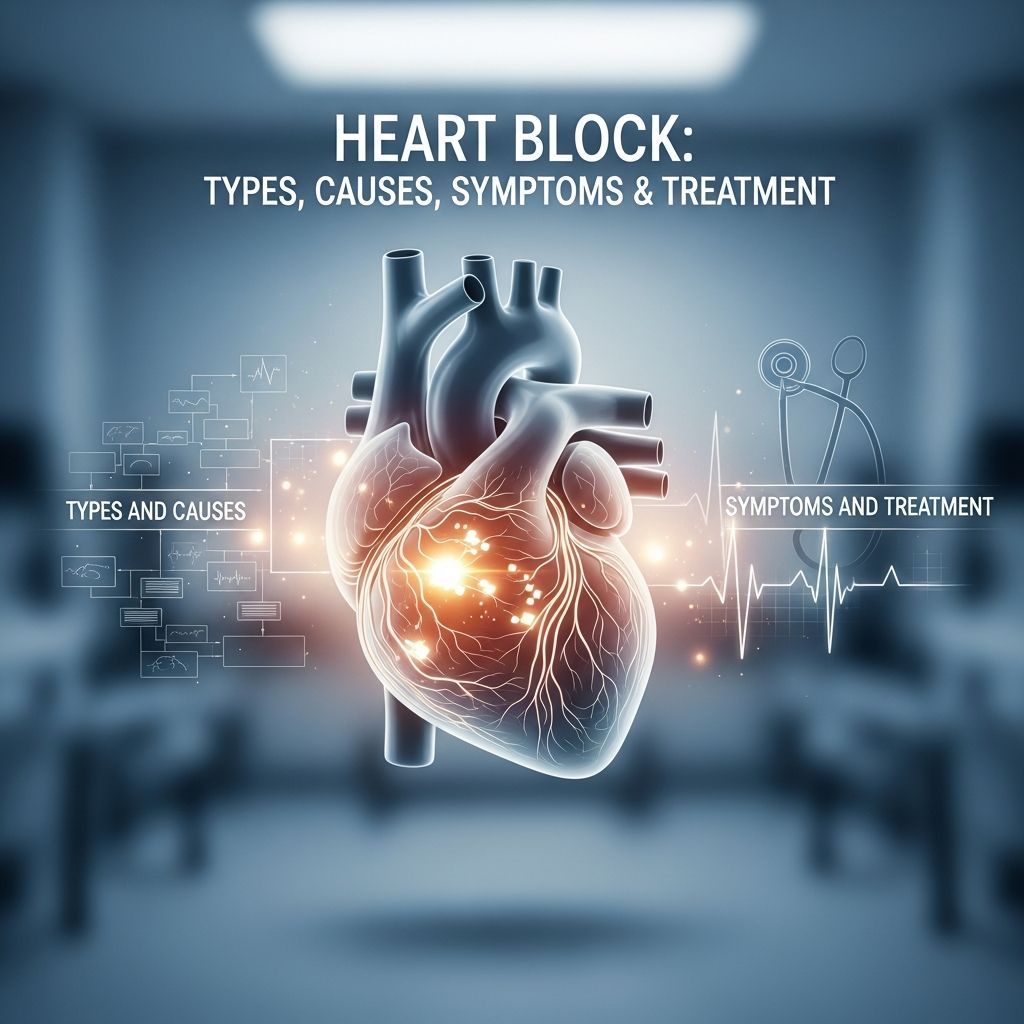
Heart block is a condition that affects the electrical system of the heart, disrupting the signals that control your heartbeat. The heart relies on a complex electrical conduction system to maintain a steady rhythm and pump blood efficiently throughout your body. When this electrical pathway becomes disrupted or blocked, your heart may beat too slowly, skip beats, or develop an irregular rhythm. This condition is classified as an arrhythmia, meaning an abnormal heart rhythm.
Understanding heart block is essential because while some forms are mild and require no treatment, others can be serious and life-threatening. The severity depends on the type of block, how much the electrical signal is affected, and your overall heart health. Some people with heart block experience no symptoms at all and may only discover the condition during routine medical testing, while others face significant symptoms that require immediate medical intervention.
Types of Heart Block
Heart block is classified into three main degrees based on the severity of the electrical signal disruption. Each type presents different clinical implications and treatment requirements.
First-Degree Heart Block
First-degree heart block is the mildest form of this condition. In this type, electrical impulses travel from the atria to the ventricles more slowly than normal, but the signal still reaches its destination. The delay occurs at the atrioventricular (AV) node, which acts as a gateway between the upper and lower chambers of the heart.
Most people with first-degree heart block experience no symptoms and require no treatment. The condition is often discovered incidentally during an electrocardiogram (ECG) performed for other reasons. Because the heart can still contract and pump blood effectively, even with the delayed signal, first-degree heart block is generally considered benign. However, patients should maintain regular follow-up appointments with their cardiologist to ensure the condition doesn’t progress.
Second-Degree Heart Block
Second-degree heart block is more serious than first-degree and involves intermittent failure of electrical signals to reach the ventricles. This means some heartbeats occur normally while others are partially or completely blocked. Second-degree heart block is further subdivided into two types: Mobitz type 1 (Wenckebach) and Mobitz type 2.
Mobitz Type 1 (Wenckebach): In this pattern, the electrical signal becomes progressively delayed with each beat until one signal is completely blocked, and then the pattern repeats. This type is generally less serious and may not require treatment, though some patients experience lightheadedness, dizziness, or brief fainting episodes.
Mobitz Type 2: This is a more serious form of second-degree heart block where some electrical signals are completely blocked without warning, causing an irregular heartbeat. Unlike Mobitz type 1, the blocked beats are unpredictable. Patients with Mobitz type 2 may experience chest pain, shortness of breath, and more pronounced symptoms. This type often requires treatment with a pacemaker to maintain a regular heart rate and ensure adequate blood circulation.
Related Stories



Third-Degree Heart Block (Complete Heart Block)
Third-degree heart block, also called complete heart block, is the most severe form of this condition. In this type, no electrical signals pass between the atria and ventricles, meaning these chambers beat independently of each other. The ventricles develop their own slower escape rhythm, which may result in a heart rate of 40 beats per minute or slower.
Complete heart block significantly compromises the heart’s ability to pump blood efficiently to the body’s organs and tissues. Without adequate oxygen delivery to vital organs like the brain, kidneys, and heart muscle itself, serious complications can develop. Third-degree heart block can cause loss of consciousness and requires prompt medical treatment, typically including a pacemaker implantation to restore normal heart rhythm coordination.
Causes of Heart Block
Heart block can develop from various causes, which are categorized as either congenital (present from birth) or acquired (developing later in life).
Congenital Heart Block
Some individuals are born with heart block, a condition known as congenital heart block. This can result from a heart defect that developed during fetal development or from maternal autoimmune conditions. When a mother has an autoimmune disease such as lupus or Sjögren’s syndrome, antibodies can cross the placenta and affect the developing baby’s heart electrical system. Congenital heart block can also occur as part of other structural heart abnormalities.
Acquired Heart Block
Acquired heart block, the most common form, develops later in life. Multiple factors can contribute to its development:
Heart Disease and Heart Attacks: Coronary heart disease and previous heart attacks are among the most common causes of heart block. Damage to the heart muscle from reduced blood flow can scar the electrical conduction tissue.
Heart Surgery: Procedures involving the heart can create scar tissue that disrupts electrical signal transmission. Surgeons attempt to minimize this risk, but it remains a potential complication.
Medications: Certain medications, including some used to treat heart arrhythmias, high blood pressure, or other conditions, can cause heart block as a side effect. If medication is identified as the cause, adjusting the dosage or switching to an alternative medication may resolve the problem.
Infection and Inflammation: Conditions like myocarditis (inflammation of the heart muscle) or infections affecting the heart can damage the electrical system. Lyme disease, transmitted by tick bites, can also cause heart block.
Age-Related Degeneration: The heart’s electrical system can degenerate with age, leading to a progressive slowing of electrical conduction.
Electrolyte Abnormalities: Imbalances in minerals like potassium, calcium, and magnesium can temporarily disrupt the heart’s electrical system.
Other Medical Conditions: Diseases affecting muscle tissue, certain genetic conditions, and other systemic illnesses can contribute to heart block development.
Symptoms of Heart Block
The symptoms of heart block vary significantly depending on how severely the electrical signals are blocked and how much the heart rate slows. Some people with mild heart block experience no symptoms whatsoever, while others face serious, potentially life-threatening symptoms.
Common Symptoms
Patients with symptomatic heart block may experience:
- Slow or irregular heartbeat, or palpitations (awareness of heartbeats)
- Shortness of breath, particularly during physical activity
- Lightheadedness, dizziness, or vertigo
- Fainting or syncope episodes
- Chest pain or discomfort
- Fatigue or unusual tiredness
- Difficulty with exercise or exertion due to inadequate blood pumping
Why Symptoms Occur
When heart block prevents efficient blood pumping, vital organs including the brain don’t receive adequate oxygen. This oxygen deprivation triggers the symptoms experienced by patients. The severity of symptoms generally correlates with how slow the heart rate becomes and how much heart block interrupts normal cardiac output.
Diagnosis of Heart Block
Heart block diagnosis typically involves a comprehensive approach combining medical history, physical examination, and diagnostic testing.
Medical History and Physical Examination
Your doctor will inquire about your symptoms, when they started, any family history of heart disease or arrhythmias, current medications, and previous medical conditions. During physical examination, your doctor will listen to your heart with a stethoscope to detect an abnormally slow or irregular heartbeat.
Electrocardiogram (ECG)
An ECG is the primary diagnostic tool for heart block. This non-invasive test records the electrical activity of your heart through electrodes placed on your skin. Different patterns on the ECG indicate different types of heart block and help determine severity.
Holter Monitor or Event Monitor
These portable ECG devices record your heart’s rhythm over 24 to 48 hours (Holter monitor) or longer (event monitor). They help capture heart block episodes that may not be present during a single office ECG.
Echocardiogram
This ultrasound test visualizes your heart’s structure and function, helping identify any structural abnormalities or underlying heart disease contributing to heart block.
Diagnostic Challenge
Many people with asymptomatic heart block are diagnosed incidentally during testing for other cardiac concerns. This highlights why regular cardiac screening is important, especially for those with risk factors.
Treatment Options
Treatment for heart block depends on its severity, symptoms, and underlying cause.
First-Degree Heart Block
First-degree heart block typically requires no specific treatment. Regular monitoring ensures the condition remains stable. Patients should maintain a healthy lifestyle, manage any underlying heart conditions, and follow up with their cardiologist periodically.
Second-Degree Heart Block
Treatment for second-degree heart block depends on the subtype. Mobitz type 1 may not require treatment unless symptoms are present. Mobitz type 2, being more serious, usually requires a pacemaker to prevent dangerously slow heart rates and maintain adequate blood flow to vital organs.
Third-Degree Heart Block
Third-degree heart block almost always requires pacemaker implantation. Without this intervention, patients face serious risk of heart attack, loss of consciousness, and sudden cardiac arrest.
Pacemaker Therapy
A pacemaker is a small electronic device implanted under the collarbone that sends electrical signals to the heart, maintaining a regular heartbeat when the heart’s natural electrical system fails. Modern pacemakers are sophisticated, reliable devices designed to last many years. They can be programmed to different settings based on individual patient needs and can monitor heart activity continuously.
Treatment of Underlying Conditions
When heart block results from a treatable condition like infection, medication side effects, or electrolyte imbalance, addressing the underlying cause may resolve the heart block. If medication is responsible, changing the prescription or adjusting dosage may correct the problem.
When to Seek Emergency Care
Seek immediate emergency medical attention if you experience:
- Severe chest pain
- Fainting or loss of consciousness
- Severe shortness of breath
- Extreme weakness or difficulty performing normal activities
- Confusion or difficulty concentrating
Living with Heart Block
Many people live normal, active lives with heart block, especially with appropriate treatment. Following your doctor’s recommendations, taking prescribed medications as directed, attending regular follow-up appointments, and maintaining a heart-healthy lifestyle all contribute to optimal outcomes. Patients with pacemakers can generally resume normal activities, including most exercise, though certain high-impact activities may need modification.
Frequently Asked Questions
Q: Can heart block go away on its own?
A: Sometimes temporary heart block caused by medication side effects, electrolyte imbalance, or acute infection may resolve when the underlying cause is treated. However, permanent heart block caused by structural damage or degeneration typically requires ongoing management with pacemaker therapy.
Q: Is heart block hereditary?
A: Some forms of congenital heart block can run in families, particularly when associated with maternal autoimmune conditions. However, most acquired heart block develops from age-related changes or heart disease rather than hereditary factors.
Q: Can I exercise with heart block?
A: This depends on the severity of your heart block and whether you have a pacemaker. Many patients can exercise safely with appropriate medical clearance. Your cardiologist will advise you on suitable activities based on your specific condition.
Q: How long do pacemakers last?
A: Modern pacemakers typically last 7 to 10 years, though this varies based on usage patterns and device type. Your cardiologist monitors device function regularly and will schedule replacement when battery depletion approaches.
Q: Will I need a pacemaker for life?
A: If heart block results from a treatable temporary condition, a pacemaker may not be permanent. However, most people with clinically significant heart block require long-term pacemaker therapy for safety and quality of life.
Q: Can diet affect heart block?
A: While diet doesn’t directly cause or treat heart block, maintaining a heart-healthy diet supports overall cardiovascular health and may help manage underlying conditions like high blood pressure or heart disease that contribute to heart block.
References
- Heart block: Types, causes, symptoms, and risk factors — Medical News Today. 2024. https://www.medicalnewstoday.com/articles/180986
- Heart block — National Health Service (NHS). 2024. https://www.nhs.uk/conditions/heart-block/
- Heart Block: Types, Symptoms & Causes — Cleveland Clinic. 2024. https://my.clevelandclinic.org/health/diseases/17056-heart-block
- Heart Block: Causes, Symptoms, Diagnosis, Treatment — WebMD. 2024. https://www.webmd.com/heart-disease/what-is-heart-block
- Heart Block — Loyola Medicine. 2024. https://www.loyolamedicine.org/services/heart-and-vascular/heart-vascular-conditions/arrhythmias/heart-block
Similar Articles








Read full bio of Sneha Tete