Heart Block: 3 Types, Symptoms, Causes & When To Seek Help
Understanding heart block: Learn about types, symptoms, causes, and treatment options for this serious condition.
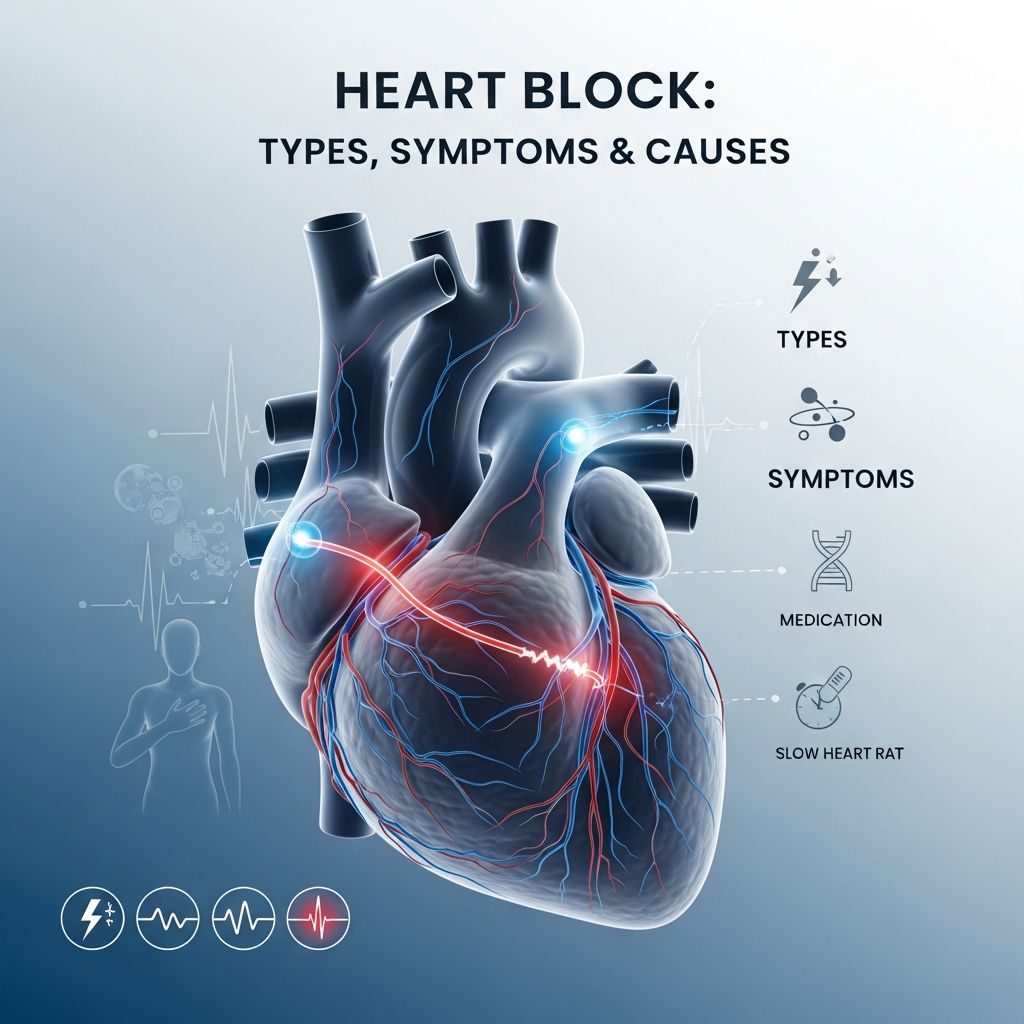
Heart block is a condition in which the electrical signal that controls your heartbeat is delayed or blocked as it moves from the upper chambers (atria) of your heart to the lower chambers (ventricles). This disruption in the electrical pathway can significantly impact your heart’s ability to pump blood effectively throughout your body. Understanding heart block is essential because it can range from a mild condition requiring no treatment to a serious problem that demands immediate medical intervention.
The heart relies on a sophisticated electrical conduction system to maintain a regular rhythm and ensure proper blood flow. When this system malfunctions, various complications can arise. Heart block represents one category of these electrical disturbances, and its severity depends on how much the signal is blocked and where the blockage occurs in the conduction pathway.
What is Heart Block?
Heart block occurs when the transmission of electrical impulses between your atria and ventricles is interrupted or delayed. Your heart’s electrical system normally generates signals that cause the upper chambers to contract and push blood into the lower chambers, which then pump blood to your lungs and body. When this coordinated electrical activity breaks down, your heart may not pump efficiently.
The condition is also known as atrioventricular block or AV block because the problem typically occurs at the atrioventricular node, which is the gateway for electrical signals traveling from the atria to the ventricles. Depending on the severity of the blockage, your heart rate may slow considerably, potentially affecting how much oxygen-rich blood reaches your brain and other vital organs.
Types of Heart Block
Heart block is classified into three main categories based on severity and how it affects your heart’s electrical conduction. Each type has different implications for your health and requires different treatment approaches.
First-Degree Heart Block
First-degree heart block is the mildest form of this condition. In this type, the electrical impulse still successfully reaches your ventricles, but it moves more slowly than normal as it passes through the atrioventricular node. Think of it as traffic moving through a congested area—the signal eventually gets through, but it takes longer than it should.
Most people with first-degree heart block experience no symptoms whatsoever. Healthcare providers often discover this condition incidentally during a routine electrocardiogram (EKG) performed for other reasons. First-degree heart block typically does not require treatment, and many individuals can live normal, active lives without any intervention.
Second-Degree Heart Block
Second-degree heart block, also called incomplete heart block, is more serious than the first-degree variety. With this type, some of your heart’s electrical impulses successfully reach the lower chambers, but others do not. This means that some of your heartbeats occur normally, while others are skipped or delayed.
Second-degree heart block has two subtypes, each with distinct characteristics:
- Type I (Wenckebach): The electrical signal gets progressively slower with each beat until one signal fails to pass through entirely. The pattern then repeats. This type may cause minimal symptoms in many people.
- Type II (Mobitz II): Without warning, some electrical impulses suddenly fail to reach the ventricles. This type is more serious than Type I and is more likely to require treatment, potentially including a pacemaker.
Related Stories



Third-Degree Heart Block
Third-degree heart block represents a complete blockage of electrical signals between the atria and ventricles. No signals successfully traverse from the upper chambers to the lower chambers. This is the most serious form of heart block and significantly impairs your heart’s ability to pump blood effectively to your body.
When third-degree block occurs, your ventricles must rely on a backup electrical system to generate their own impulses, typically at a much slower rate than normal. This results in a dangerously slow heart rate (severe bradycardia), which can cause inadequate blood flow to your brain and other vital organs. Third-degree heart block almost always requires treatment with a pacemaker.
Symptoms of Heart Block
The symptoms you experience with heart block vary significantly depending on the severity of the condition and how it affects your heart’s pumping function. Not everyone with heart block experiences symptoms, which is why medical screening is important.
First-Degree Heart Block Symptoms
People with first-degree heart block typically have no symptoms at all. The condition is usually discovered during routine medical examinations or EKGs performed for unrelated reasons.
Symptoms of More Severe Heart Block
If you have second-degree or third-degree heart block, you may experience the following symptoms:
- Chest discomfort or pain
- Shortness of breath
- Fatigue or weakness
- Dizziness or lightheadedness
- Fainting (syncope)
- Confusion or difficulty concentrating
- A noticeably slow heartbeat (you may feel your pulse is unusually slow)
Symptoms of third-degree heart block tend to be more intense and concerning due to the significantly slower heart rate associated with this condition. If you experience severe symptoms such as chest pain, severe shortness of breath, or loss of consciousness, seek medical attention immediately.
Causes of Heart Block
Heart block can develop for various reasons, some of which are temporary and others that are permanent conditions. Understanding the underlying cause is crucial for determining the appropriate treatment.
Common Causes Include:
- Coronary artery disease: Blockages in arteries that supply blood to your heart can damage the electrical conduction system.
- Heart attack: Damage to heart tissue from a previous or acute heart attack can disrupt electrical pathways.
- Heart failure: The enlarged or weakened heart muscle can interfere with normal electrical conduction.
- Cardiomyopathy: This disease of the heart muscle can damage the electrical system.
- Myocarditis: Inflammation of the heart muscle, often caused by viral infection, can temporarily or permanently affect electrical conduction.
- Certain medications: Some heart medications, digoxin, beta-blockers, and calcium channel blockers can slow conduction through the AV node.
- Rheumatic fever: This complication of untreated strep throat can scar the heart tissue and affect electrical pathways.
- Lyme disease: In endemic areas, this tick-borne infection can cause heart block.
- Aging: The electrical conduction system naturally deteriorates with age.
- High potassium levels: Hyperkalemia can affect electrical conduction in the heart.
- Hypothyroidism: Low thyroid hormone levels can slow heart conduction.
- Heart surgery or catheterization: These procedures can sometimes cause temporary or permanent heart block.
Risk Factors for Heart Block
You may be at an increased risk of developing heart block if you have any of the following characteristics or conditions:
- Existing coronary artery disease or history of heart attack
- High blood pressure (hypertension)
- High cholesterol levels
- Diabetes
- Smoking history
- Obesity
- Advanced age
- Family history of heart disease or heart block
- Rheumatic heart disease
- Inflammatory conditions affecting the heart
- Sleep apnea
- Chronic kidney disease
Complications of Heart Block
If left untreated or inadequately managed, heart block can lead to serious, potentially life-threatening complications. These include:
- Cardiac arrest: Complete cessation of heart function requiring immediate CPR and emergency intervention.
- Heart failure: Your heart’s inability to pump enough blood to meet your body’s needs.
- Syncope-related injuries: Falls and accidents resulting from fainting episodes.
- Sudden cardiac death: Particularly with untreated complete heart block.
- Stroke: Inadequate blood circulation can increase clot formation risk.
- Organ damage: Reduced blood flow to the brain, kidneys, and other organs.
Diagnosis of Heart Block
To diagnose heart block, your healthcare provider will conduct a comprehensive evaluation that includes your medical history, a physical examination, and specialized cardiac tests.
Initial Evaluation
During your first visit, your provider will ask detailed questions about your symptoms, medical history, medications, and family history of heart disease. They will perform a physical examination and check your blood pressure. This initial assessment helps establish a baseline understanding of your cardiovascular health.
Diagnostic Tests
Electrocardiogram (EKG or ECG): This is the primary test for diagnosing heart block. It records the electrical activity of your heart and shows specific patterns that indicate the type and severity of heart block present.
Holter Monitor: This portable device records your heart’s electrical activity over 24 to 48 hours as you go about your normal daily activities. It can detect heart block that occurs intermittently and may not show up on a standard EKG.
Event Monitor: Similar to a Holter monitor but worn for longer periods, this device allows you to record your heart’s activity when symptoms occur.
Stress Test (Exercise Electrocardiogram): Your provider may ask you to exercise on a treadmill or stationary bike while your heart rhythm is monitored. This test reveals how your heart responds to increased activity and can detect heart block that only appears during physical exertion.
Echocardiogram: This ultrasound of your heart provides detailed images of its structure and function, helping identify any underlying heart disease that may be causing the block.
Cardiac Catheterization: In some cases, your provider may recommend a more invasive test where a thin tube is threaded through blood vessels to your heart. This allows for detailed assessment of your coronary arteries and heart function.
Specialist Referral
Your primary care physician may refer you to a cardiologist, a heart specialist, or an electrophysiologist, who specializes in the electrical activity of the heart. An electrophysiologist is particularly valuable for complex cases requiring precise diagnosis and treatment planning.
Treatment Options for Heart Block
Heart block treatment is highly individualized and depends on the type and severity of your condition, the underlying cause, your overall health status, and your personal preferences.
Observation and Monitoring
Many people with first-degree heart block require no treatment at all. Your provider may simply monitor your condition during regular check-ups to ensure it doesn’t progress. If symptoms develop or the condition worsens, treatment can be initiated at that time.
Medication Management
Sometimes, adjusting or changing your current medications can improve heart block. If the condition is caused by or worsened by specific medications like digoxin, beta-blockers, or calcium channel blockers, your provider may reduce the dose or switch to alternative medications.
Treating underlying conditions such as coronary artery disease, heart failure, or thyroid problems may also improve heart block. For example, if heart block is secondary to a thyroid disorder, treating the thyroid condition may resolve the electrical conduction problem.
Pacemaker Therapy
A pacemaker is an implanted device that monitors your heart’s electrical activity and sends electrical signals to stimulate your heart when needed. This device is often the treatment of choice for second-degree Type II heart block and almost always for third-degree heart block.
Temporary pacemakers: These may be used in hospital settings when heart block occurs acutely, such as during a heart attack or after heart surgery. They provide temporary support while the underlying condition is being treated.
Permanent pacemakers: These are surgically implanted under the skin near your collarbone. The device includes a pulse generator (battery and electronics) connected to leads (wires) that deliver electrical impulses to your heart. Modern pacemakers are sophisticated, small devices that can last 7 to 10 years or longer depending on usage.
Treatment for Underlying Causes
Treating the underlying condition causing heart block is essential. This may include:
- Medications for coronary artery disease or high blood pressure
- Coronary angioplasty or bypass surgery for significant coronary blockages
- Antibiotics for Lyme disease if detected early
- Heart failure medications and management
- Anti-inflammatory treatments for myocarditis
Life After Pacemaker Implantation
If you receive a pacemaker, understanding what to expect before, during, and after the procedure is important for successful recovery.
Before the Procedure
Your provider will explain the procedure in detail, discuss risks and benefits specific to your situation, and answer any questions. You’ll likely need blood tests and possibly imaging studies. Follow all pre-procedure instructions regarding medications, fasting, and activity restrictions.
During the Procedure
Pacemaker implantation is typically performed under local anesthesia in a cardiac catheterization laboratory. Your provider makes a small incision near the collarbone, inserts the device, and positions the leads in your heart while using fluoroscopy (X-ray guidance) to ensure proper placement. The procedure typically takes 30 to 60 minutes.
After the Procedure
Most patients stay overnight in the hospital for observation. You should be able to resume regular activities within a few days to weeks, depending on your individual recovery and your provider’s specific recommendations. You’ll have follow-up appointments to ensure your pacemaker is functioning correctly and to monitor your heart rhythm.
Potential Side Effects
Some people experience minor side effects after pacemaker implantation, including:
- Soreness, swelling, or bruising at the implant site
- Temporary discomfort or pain
- Mild infection (rare)
- Device malfunction (very rare with modern devices)
- Pacemaker syndrome (a rare condition causing unusual symptoms)
Living with Your Pacemaker
Modern pacemakers are durable and reliable. Most people can resume normal activities, including exercise, after appropriate recovery. However, you should avoid strong magnetic fields, certain medical procedures, and contact sports that could damage the device. Regular follow-up appointments are essential to ensure your pacemaker continues to function optimally and to make any necessary adjustments.
Prevention Strategies
While you cannot always prevent heart block, you can reduce your risk by addressing modifiable risk factors and maintaining your cardiovascular health:
- Manage blood pressure: Keep your blood pressure within normal ranges through medication and lifestyle changes.
- Control cholesterol: Maintain healthy cholesterol levels through diet, exercise, and medication if needed.
- Quit smoking: If you smoke, cessation is one of the most impactful changes you can make.
- Exercise regularly: Aim for at least 150 minutes of moderate-intensity aerobic activity weekly.
- Maintain a healthy weight: Obesity increases cardiovascular disease risk.
- Eat a heart-healthy diet: Focus on fruits, vegetables, whole grains, lean proteins, and healthy fats.
- Manage diabetes: If you have diabetes, maintain good blood sugar control.
- Reduce stress: Practice relaxation techniques such as meditation or yoga.
- Regular check-ups: See your healthcare provider regularly to detect and manage heart problems early.
- Medication compliance: Take prescribed medications as directed by your provider.
When to Seek Medical Attention
Contact your healthcare provider if you experience symptoms such as chest pain, persistent shortness of breath, fainting, or a noticeably slow heartbeat. Seek emergency medical care immediately if you experience severe chest pain, difficulty breathing, loss of consciousness, or feel like your heart has stopped.
Frequently Asked Questions (FAQs)
Q: Is heart block life-threatening?
A: First-degree heart block is rarely life-threatening and often requires no treatment. However, complete heart block (third-degree) is serious and requires treatment, typically with a pacemaker. The prognosis depends on the type of heart block, underlying causes, and whether you receive appropriate treatment.
Q: Can heart block go away on its own?
A: Heart block caused by temporary conditions such as medication effects, acute myocarditis, or certain infections may improve once the underlying cause is treated. However, permanent structural changes to the heart typically require ongoing management.
Q: Can I exercise with heart block?
A: This depends on the severity of your heart block and your overall health. Your cardiologist can recommend an appropriate exercise program tailored to your condition. Many people with properly treated heart block can exercise safely.
Q: How often do I need monitoring if I have a pacemaker?
A: Your cardiologist will establish a monitoring schedule, typically involving check-ups every 3 to 12 months. Remote monitoring technology allows some aspects of pacemaker function to be checked without office visits.
Q: What should I avoid if I have a pacemaker?
A: Avoid strong magnetic fields (like MRI machines without proper precautions), high-voltage power lines, some airport security equipment, and contact sports. Your cardiologist will provide specific guidelines for your situation.
References
- Heart Block: Types, Symptoms & Causes — Cleveland Clinic. 2024-04-14. https://my.clevelandclinic.org/health/diseases/17056-heart-block
- Coronary Artery Disease: Symptoms & Treatment — Cleveland Clinic. https://my.clevelandclinic.org/health/diseases/16898-coronary-artery-disease
- Cardiac Arrhythmias and Conduction Disorders — American Heart Association. https://www.heart.org
- Heart Block: Management and Outcomes — National Institutes of Health. https://www.ncbi.nlm.nih.gov/
- Left Posterior Fascicular Block (LPFB) — Cleveland Clinic. https://my.clevelandclinic.org/health/diseases/23288-left-posterior-fascicular-block
- Pacemaker Implantation and Management — Mayo Clinic. https://www.mayoclinic.org
Similar Articles








Read full bio of Sneha Tete