Heart Cancer Symptoms: 10 Key Signs To Spot Early
Recognizing the rare but serious signs of heart cancer and how they mimic common heart conditions.
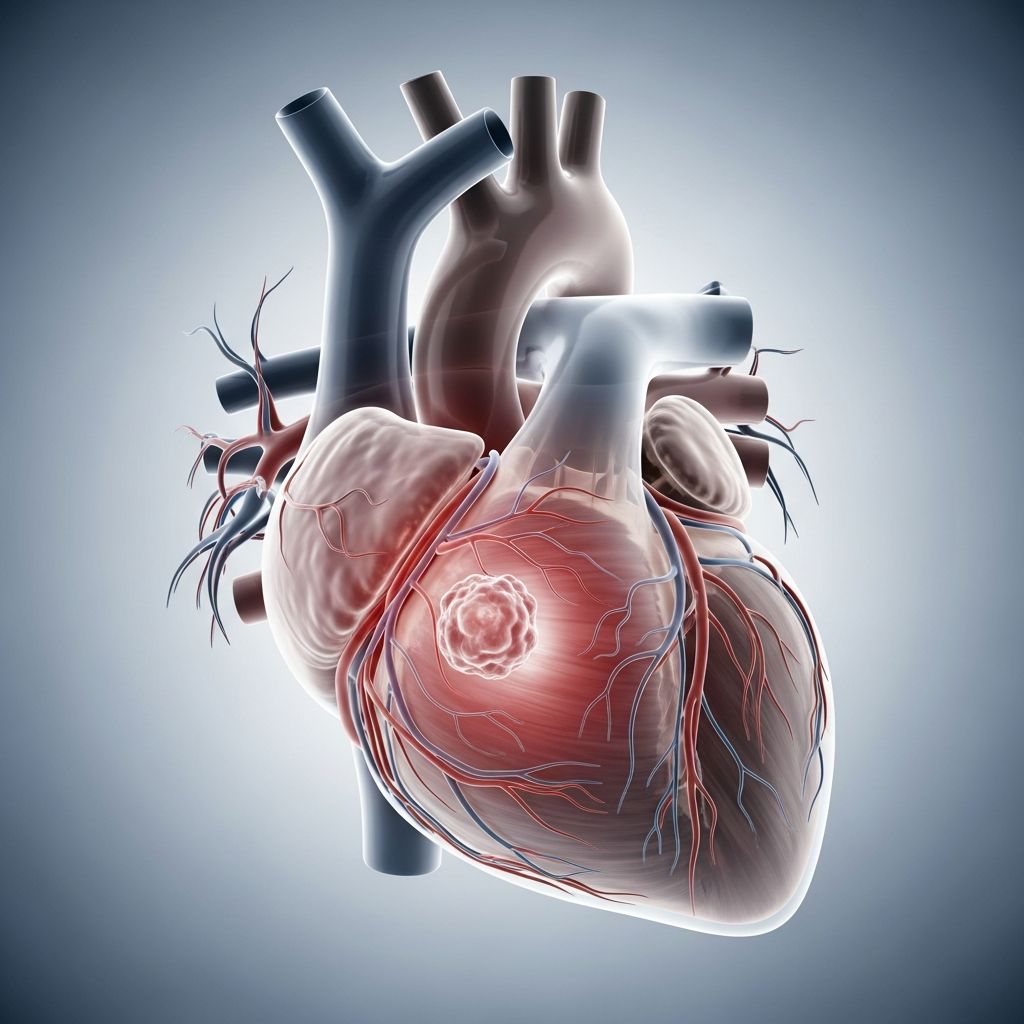
Heart cancer, or cardiac tumors, are exceptionally rare, with primary tumors originating in the heart occurring in fewer than 0.1% of cases. Most tumors found in the heart are benign, but malignant ones—often sarcomas—can be life-threatening due to their impact on heart function. Symptoms frequently overlap with common cardiovascular issues like heart attacks or heart failure, making early detection challenging. This article explores the symptoms, types, diagnosis, and management of heart cancer based on medical insights.
What Is Heart Cancer?
Heart cancer refers to malignant tumors that develop in the heart tissue. Primary heart cancers start in the heart itself and are predominantly sarcomas, such as angiosarcoma, which often arise in the right atrium. These are 30 to 50 times less common than secondary (metastatic) tumors, which spread from cancers elsewhere, like the lungs, breast, or melanoma. Secondary tumors retain their original classification, such as metastatic breast cancer to the heart, rather than being termed heart cancer.
Benign tumors like myxomas or fibromas can also cause severe complications by obstructing blood flow or triggering emboli. Regardless of type, tumors disrupt heart rhythm, valve function, or pumping efficiency, leading to systemic effects.
Heart Cancer Symptoms
Symptoms of heart cancer are often nonspecific and mimic those of heart failure, arrhythmias, or strokes. Many patients are asymptomatic until the tumor grows large enough to interfere with cardiac function. Common presentations include:
- Shortness of breath: Due to fluid buildup in lungs from heart failure or pulmonary embolism.
- Chest pain: From restricted blood flow, pericardial effusion, or tumor pressure.
- Arrhythmias: Irregular heartbeats caused by tumors affecting electrical pathways.
- Fatigue and weakness: Resulting from reduced cardiac output.
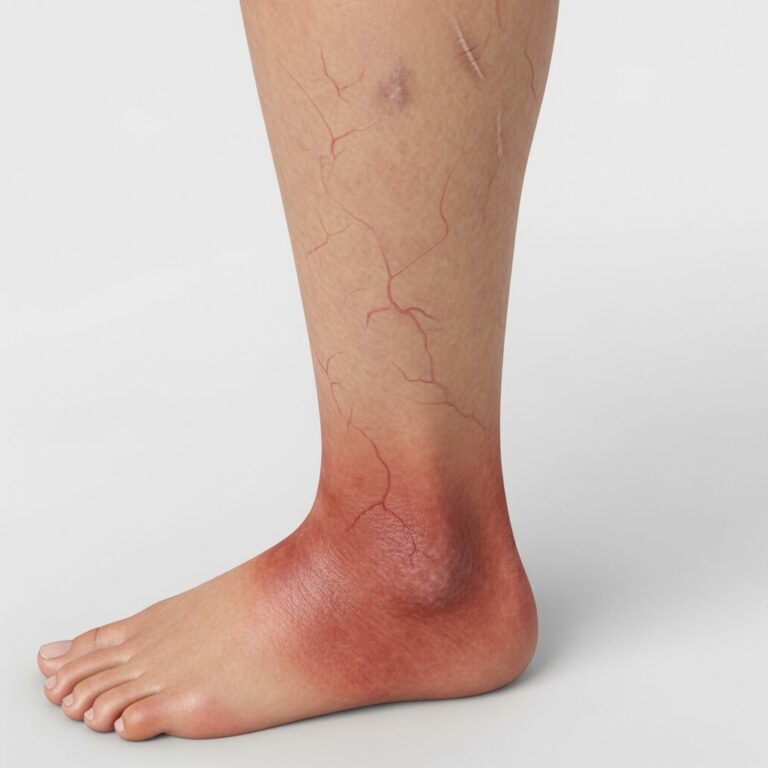
- Swelling: In legs, abdomen, or face from venous congestion or right heart obstruction.
- Dizziness or fainting: Due to low blood pressure or emboli to the brain.
- Pericardial effusion: Fluid around the heart causing palpitations and hypotension.
- Unexplained weight loss, fever, or night sweats: Constitutional symptoms in malignant cases.
- Coughing up blood (hemoptysis) or hoarse voice: From tumor invasion or emboli.
- Cognitive issues: Confusion or memory loss from strokes caused by tumor fragments.
Symptom severity depends on tumor location: right atrial tumors cause systemic congestion, while left-sided ones lead to pulmonary symptoms. Emboli from friable tumors can trigger strokes or pulmonary issues.
Primary vs. Secondary Heart Cancer
| Type | Description | Prevalence | Common Symptoms |
|---|---|---|---|
| Primary | Tumors originating in heart (e.g., angiosarcoma, rhabdomyosarcoma) | Very rare (<0.02% autopsies) | Arrhythmia, heart failure, emboli |
| Secondary (Metastatic) | Spread from lung, breast, or other cancers | 30-50x more common than primary | Similar to primary, plus primary site symptoms |
Primary tumors are aggressive and often diagnosed late. Secondary tumors reflect the originating cancer’s behavior but compromise heart function similarly.
How Heart Cancer Is Diagnosed
Diagnosis begins with clinical suspicion from persistent cardiac symptoms unresponsive to standard treatments. Key imaging and tests include:
- Echocardiogram (Echo): First-line; visualizes tumor size, location, and mobility. Transesophageal echo provides superior detail.
- Electrocardiogram (ECG): Detects arrhythmias or ischemia patterns.
- Chest X-ray: Reveals cardiomegaly, pulmonary congestion, or effusion.
- CT/MRI/PET scans: Assess tumor extent, metastasis, and tissue characteristics.
- Cardiac catheterization: Evaluates blockages and hemodynamics.
- Biopsy: Confirms malignancy, though risky due to embolization potential.
Sudden heart failure or emboli in young patients raises suspicion for primary tumors.
Treatment for Heart Cancer
Treatment is multidisciplinary, focusing on symptom relief and tumor control. Options include:
Related Stories



- Surgery: Resection for accessible tumors (e.g., atrial myxomas). Heart transplant rare for malignancies.
- Chemotherapy: For sarcomas; neoadjuvant to shrink tumors.
- Radiation: Palliative for unresectable cases, though heart tolerance limits use.
- Supportive care: Diuretics for effusion, anticoagulants for clots, pacemakers for arrhythmias.
Prognosis is poor for malignant primary tumors (months to years survival), better for benign or secondary if primary controlled.
Heart Cancer vs. Other Heart Conditions
Heart cancer symptoms overlap with myocardial infarction (chest pain, dyspnea), cardiomyopathy (fatigue, edema), or pericarditis (effusion). Key differentiators:
- Young age or no risk factors for coronary disease.
- Emboli/strokes without atrial fibrillation.
- Persistent fever/weight loss suggesting malignancy.
Advanced imaging distinguishes tumors from thrombi or vegetations.
Frequently Asked Questions (FAQs)
Is heart cancer common?
No, primary heart cancer is extremely rare, affecting far fewer than 1 in a million people annually. Metastatic involvement is more frequent.
What causes heart cancer?
Unknown for primary sarcomas; risk factors minimal. Secondary from other cancers via bloodstream/lymphatics.
Can heart cancer be cured?
Benign tumors often cured surgically. Malignant primary rarely; median survival 6-12 months post-diagnosis.
Who is at risk for cardiac tumors?
No clear demographics; slightly more in males for angiosarcoma. Genetic syndromes like Carney complex for myxomas.
Can heart tumors be detected early?
Often incidental on imaging for unrelated issues. Routine screening not recommended due to rarity.
References
- Heart Cancer: How Common Is It & What Are the Symptoms? — City of Hope Cancer Center. 2023-02. https://www.cancercenter.com/community/blog/2023/02/heart-cancer-prevalence-and-symptoms
- Heart Tumor Symptoms, Types & Treatment — Columbia Surgery. N/A. https://columbiasurgery.org/conditions-and-treatments/cardiac-tumor
- Cardiac Sarcoma — University of Rochester Medical Center (.edu). N/A. https://www.urmc.rochester.edu/encyclopedia/content?contenttypeid=85&contentid=p00240
- Overview of Heart Tumors — Merck Manuals. N/A. https://www.merckmanuals.com/home/heart-and-blood-vessel-disorders/heart-tumors/overview-of-heart-tumors
- Heart Cancer: Symptoms & Treatment — Cleveland Clinic. N/A. https://my.clevelandclinic.org/health/diseases/16840-heart-cancer
- Heart cancer: Is there such a thing? — Mayo Clinic. N/A. https://www.mayoclinic.org/diseases-conditions/cancer/expert-answers/heart-cancer/faq-20058130
Similar Articles








Read full bio of medha deb