Heart Disease Causes: Key Risks, Prevention, And What To Know
Uncover the primary causes of heart disease, from high blood pressure and smoking to diabetes and poor diet—key insights for prevention.
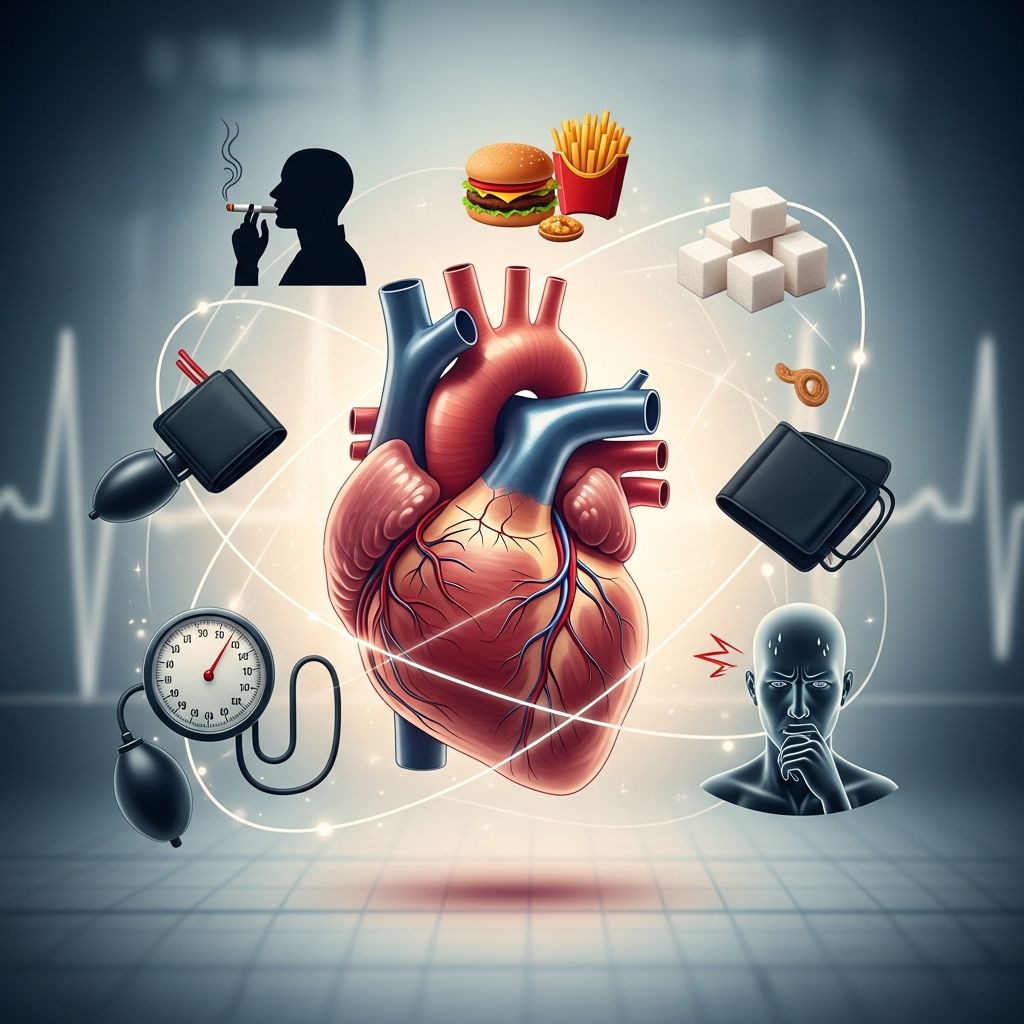
Heart disease encompasses a range of conditions affecting the heart and blood vessels, making it a leading cause of death worldwide. Understanding its causes is crucial for prevention and early intervention.
What Is Heart Disease?
Heart disease refers to a group of disorders that impact the heart’s structure and function. It includes conditions like
coronary artery disease
, where arteries narrow due to plaque buildup;arrhythmias
, irregular heartbeats;congenital heart defects
present at birth;cardiomyopathy
, disease of the heart muscle; andheart valve disease
. These conditions often develop from a combination of genetic predispositions, lifestyle factors, and environmental influences. Atherosclerosis, the buildup of fatty plaques in arteries, is the most common underlying process in coronary artery disease, the primary form of heart disease.Many cases are preventable through lifestyle modifications. Factors like physical inactivity, poor diet, smoking, and chronic stress significantly elevate risk. Family history also plays a role; if a close relative developed heart disease early—before age 55 for men or 65 for women—the risk increases.
High Blood Pressure (Hypertension)
**High blood pressure** is a major cause of heart disease, forcing the heart to work harder and damaging artery walls over time. Uncontrolled hypertension leads to artery hardening and thickening, altering blood flow to the heart and body. It is one of the top three risk factors, alongside high cholesterol and smoking, affecting nearly half of U.S. adults.
Hypertension often has no symptoms, earning it the nickname “silent killer.” It contributes to atherosclerosis, heart failure, and stroke. Risk amplifies with obesity, diabetes, and poor diet high in salt. Managing blood pressure through medication, diet, and exercise can significantly lower heart disease risk.
High Cholesterol
Elevated
cholesterol levels
, particularly LDL (“bad”) cholesterol, promote plaque formation in arteries, a process called atherosclerosis. This narrows vessels, reducing blood flow and increasing heart attack and stroke risk. Diets high in saturated fats, trans fats, and cholesterol exacerbate this.High cholesterol often results from genetic factors like familial hypercholesterolemia, combined with lifestyle choices. It worsens other risks like hypertension and diabetes. Regular screening and statins can control levels effectively.
Smoking and Tobacco Use
**Smoking** is a leading preventable cause of heart disease. Tobacco smoke damages artery linings, promotes clot formation, and raises blood pressure and heart rate. Smokers are far more likely to suffer heart attacks than non-smokers.
Nicotine and chemicals in smoke accelerate atherosclerosis and cause arrhythmias. Secondhand smoke poses similar risks. Quitting smoking yields immediate benefits, with heart disease risk dropping significantly within a year.
Diabetes
**Diabetes**, especially type 2, doubles heart disease risk through hyperglycemia, which damages blood vessels and promotes inflammation. It causes endothelial dysfunction, oxidative stress, and increased LDL oxidation, all fueling atherosclerosis.
Obesity and insulin resistance often precede diabetes, creating a vicious cycle with hypertension. About 1 in 3 adults with diabetes has chronic kidney disease, another heart risk amplifier. Glycemic control via diet, exercise, and medication is essential.
Obesity
**Obesity** strains the heart through excess weight, increasing blood pressure, cholesterol, and diabetes risk. Adiposopathy—dysfunctional fat tissue—releases inflammatory cytokines and free fatty acids, promoting CVD.
Visceral fat around organs worsens insulin resistance and hypertension. Even moderate weight loss (5-10%) reduces these risks substantially. BMI over 30 classifies obesity, but waist circumference better predicts heart risks.
- Mechanisms: Impaired heart filling, diastolic dysfunction, sleep apnea.
- Prevalence: Linked to rising T2DM and hypertension rates.
Related Stories



Poor Diet
An
unhealthy diet
high in fats, salt, sugar, and processed foods drives multiple risks. It elevates cholesterol, blood pressure, and obesity while depleting nutrients. Low fiber and high glycemic foods promote inflammation and insulin resistance.Diets misaligned with circadian rhythms or heavy in fast food compound issues. Gut microbiome disruption from poor nutrition raises TMAO levels, linked to atherosclerosis. Mediterranean-style diets rich in fruits, vegetables, and omega-3s protect the heart.
Physical Inactivity
**Lack of exercise** contributes to obesity, hypertension, diabetes, and weak heart muscle. Sedentary lifestyles reduce cardiovascular fitness and promote plaque buildup.
Regular activity strengthens the heart, improves circulation, and lowers stress hormones. Aim for 150 minutes of moderate aerobic exercise weekly.
Other Risk Factors
Beyond primary causes, additional factors include:
- Age: Risk rises with age due to artery wear.
- Sex: Men at higher risk pre-menopause; women’s risk equalizes post-menopause.
- Family History: Genetic predisposition to early-onset disease.
- Stress: Chronic stress damages arteries and worsens habits.
- Poor Dental Health: Infections can lead to endocarditis.
- Kidney Disease: Accelerates vascular damage.
| Risk Factor | Impact on Heart | Prevention Tip |
|---|---|---|
| High Blood Pressure | Artery damage, heart strain | Low-salt diet, meds |
| High Cholesterol | Plaque buildup | Statins, healthy fats |
| Smoking | Vessel damage, clots | Quit aids |
| Diabetes | Vascular inflammation | Blood sugar control |
| Obesity | Multiple risks amplified | Weight loss |
Prevention Strategies
Preventing heart disease involves addressing modifiable risks:
- Adopt a heart-healthy diet: Emphasize plants, limit processed foods.
- Exercise regularly: 30 minutes most days.
- Maintain healthy weight: Target BMI 18.5-24.9.
- Quit smoking: Seek professional help.
- Manage chronic conditions: Monitor BP, cholesterol, glucose.
- Reduce stress: Practice mindfulness, sleep well.
- Regular checkups: Screen early, especially with family history.
Population-specific considerations: Women face higher post-menopausal risks; certain ethnic groups have elevated genetic vulnerabilities.
Frequently Asked Questions (FAQs)
What is the number one cause of heart disease?
Atherosclerosis from high cholesterol and hypertension is primary, but smoking and diabetes are close contributors.
Can heart disease be prevented?
Yes, up to 80% of cases are preventable via lifestyle changes like diet, exercise, and not smoking.
How does diabetes cause heart disease?
High blood sugar damages vessels, causes inflammation, and promotes plaque.
Is stress a direct cause of heart disease?
Indirectly, via artery damage and poor habits, but chronic stress elevates risk.
At what age should I worry about heart disease?
Risk increases after 45 for men, 55 for women; screen earlier with family history.
This article synthesizes evidence-based insights to empower better heart health decisions. Consult a healthcare provider for personalized advice.
References
- Heart disease – Symptoms and causes — Mayo Clinic. 2023-10-05. https://www.mayoclinic.org/diseases-conditions/heart-disease/symptoms-causes/syc-20353118
- Ten things to know about ten cardiovascular disease risk factors — PMC (NCBI). 2021-07-20. https://pmc.ncbi.nlm.nih.gov/articles/PMC8315386/
- About Heart Disease — CDC. 2024-01-15. https://www.cdc.gov/heart-disease/about/index.html
Similar Articles








Read full bio of Sneha Tete