Heart Disease: 8 Key Conditions, Risks, And Prevention
Comprehensive insights into heart conditions, risks, prevention strategies, and management for lifelong cardiovascular wellness.
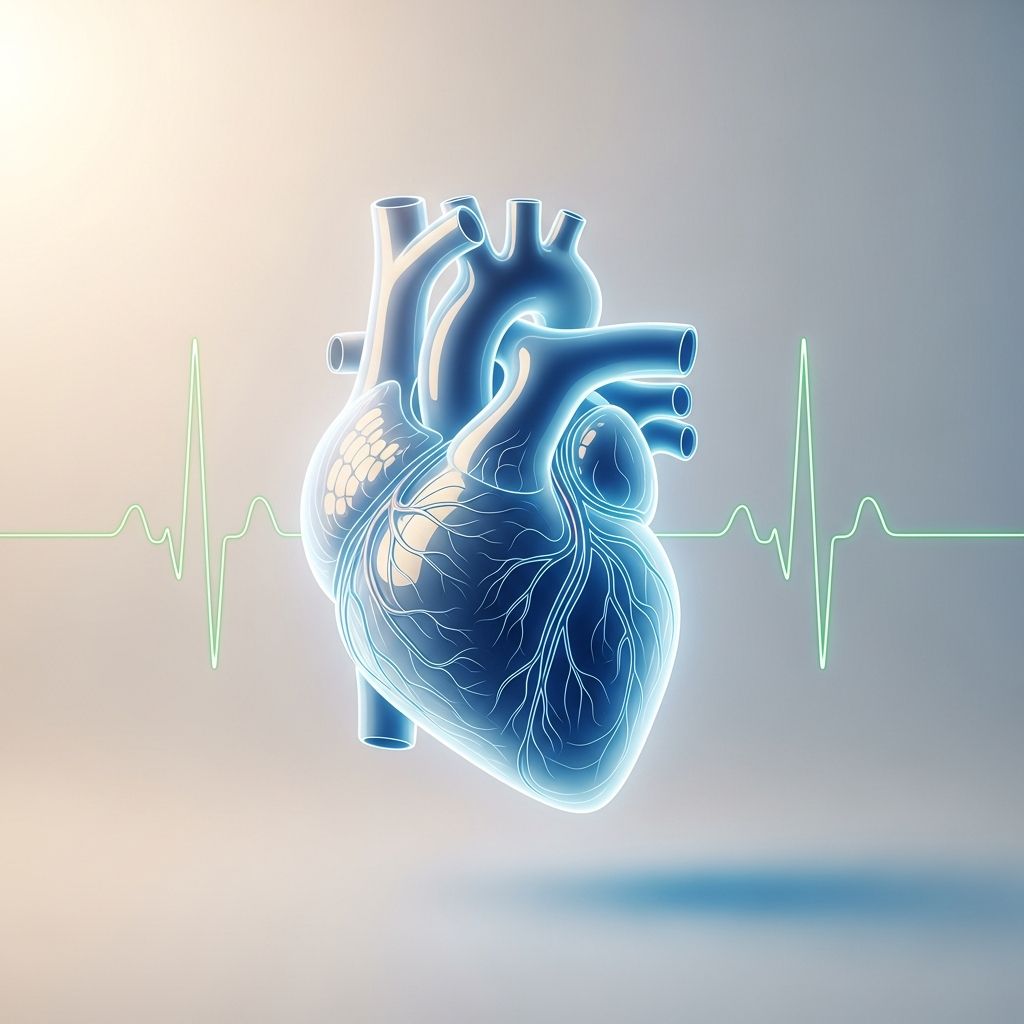
The heart powers every bodily function by circulating oxygen-rich blood, yet conditions affecting it remain a leading global health challenge. Coronary artery disease stands as the predominant form, where plaque accumulation narrows vital arteries supplying the heart muscle. This article delves into various heart conditions, their origins, warning signs, risk contributors, diagnostic approaches, therapies, and proactive steps for maintaining cardiac vitality.
Core Functions of the Heart and Pathways to Dysfunction
The heart operates as a muscular pump with four chambers—two atria and two ventricles—coordinated by electrical impulses for rhythmic contractions. Coronary arteries branch from the aorta: the left main divides into the left anterior descending and circumflex branches, while the right coronary artery nourishes the right side. Disruptions in this system, such as blockages or irregular rhythms, impair oxygen delivery, sparking diverse disorders.
Heart disease evolves gradually, often through atherosclerosis, where fatty deposits stiffen and constrict vessels, limiting blood flow and provoking chest discomfort or infarction. Non-modifiable elements like genetics and age interplay with controllable ones, amplifying vulnerability.
Prevalent Heart Conditions Explained
Multiple disorders compromise cardiac performance, each with distinct mechanisms and implications.
- Coronary Artery Disease (CAD): Plaque buildup in coronary walls—comprising cholesterol, calcium, and fibrous tissue—narrows passages, reducing nutrient supply. Ruptured plaques trigger clots, potentially blocking flow entirely and causing myocardial infarction.
- Heart Attack (Myocardial Infarction): Sudden occlusion starves heart tissue of oxygen, leading to cell death. Prompt intervention preserves function.
- Arrhythmias: Faulty electrical signals cause irregular beats, from benign flutters to perilous fibrillations risking stroke or arrest.
- Congenital Heart Defects: Structural anomalies present at birth, such as malformed vessels or septa, linked sometimes to maternal infections or genetics. Advances in surgery enhance prognoses.
- Congestive Heart Failure (CHF): Weakened pumping floods tissues with fluid, manifesting as breathlessness and edema. Causes span prior infarcts to valve issues.
- Valve Disorders: Stenosis restricts forward flow; regurgitation permits backflow, straining the heart across any of its four valves.
- Cardiomyopathy: Muscle abnormalities—dilated, thickened, or rigid—hinder contraction and rhythm, progressing to failure if unchecked.
- Spontaneous Coronary Artery Dissection (SCAD): Spontaneous tears in artery layers provoke clots and infarcts, more common in women.
Recognizing Critical Symptoms
Many conditions progress silently until acute episodes. Heart attack signals include crushing chest pressure radiating to arms, jaw, or back, alongside nausea, sweating, and dyspnea. Arrhythmias may feel like palpitations or dizziness; failure presents with persistent fatigue, leg swelling, and orthopnea. Women and diabetics often experience subtler signs like jaw pain or exhaustion. Immediate medical attention upon suspicion saves lives.
Primary Risk Contributors
Risks divide into unavoidable (age, family history, male gender pre-menopause) and modifiable categories. About 47% of U.S. adults harbor at least one major modifiable factor.
| Risk Factor | Impact on Heart | Management Tips |
|---|---|---|
| High Blood Pressure | Forces artery strain, fostering plaque | Monitor regularly; adopt DASH diet, exercise |
| Elevated Cholesterol | Excess LDL fuels atherosclerosis | Target LDL <100 mg/dL; boost HDL via activity |
| Diabetes | Damages vessels, accelerates CAD | Control blood sugar; annual screenings |
| Obesity | Compounds metabolic risks | Aim BMI <25; calorie balance |
| Inactivity | Weakens heart reserve | 150 min moderate aerobic weekly |
| Smoking | Damages endothelium, promotes clots | Quit aids; avoid secondhand |
| Stress | Elevates cortisol, blood pressure | Mindfulness, social support |
Cholesterol specifics: LDL (‘bad’) deposits in walls; HDL (‘good’) clears it. Triglycerides, from excess carbs, correlate with plaque when high.
Diagnostic Approaches
Clinicians assess via history, exams, and tests: ECG for rhythms, echocardiograms for structure/function, stress tests for ischemia, angiograms for blockages. Blood panels gauge cholesterol, troponins for infarction.
Treatment Modalities
Strategies blend lifestyle, pharmacology, and interventions.
- Lifestyle Overhaul: Heart-healthy eating (Mediterranean-style), 150+ minutes weekly exercise, smoking cessation, weight control.
- Medications: Statins lower cholesterol; antihypertensives ease pressure; antiplatelets avert clots; beta-blockers steady rhythm.
- Procedures: Angioplasty/stents reopen arteries; bypass grafts detour blockages; valve repairs/replacements; pacemakers for arrhythmias.
Cardiac rehab programs integrate supervised exercise, education, counseling for optimal recovery.
Related Stories



Preventive Blueprint for Cardiac Longevity
Adopt Life’s Essential 8: balanced diet, regular activity, no tobacco, healthy weight, cholesterol/blood pressure/glucose/diabetes management, sleep, nicotine avoidance. Early screenings from age 45 (men)/55 (women) or sooner with family history detect issues.
Common Queries on Heart Health
What heightens heart disease risk in women?
Pregnancy complications, menopause, autoimmune diseases elevate susceptibility alongside traditional factors.
Can diet alone reverse CAD?
Plant-based diets reduce progression but pair with exercise/meds for best outcomes.
How does sleep factor in?
7-9 hours nightly supports repair; poor sleep spikes pressure and inflammation.
Is heart disease hereditary?
Family patterns increase odds, but lifestyle overrides genetics.
What signals warrant ER visit?
Severe chest pain >5 min, especially with breathlessness/sweating.
Lifestyle Integration for Daily Protection
Commence with brisk walking, cycling, or swimming—aim for moderate intensity where conversation is possible. Strength sessions twice weekly build resilience. Prioritize fruits, vegetables, whole grains, lean proteins, omega-3s from fish/nuts; limit saturated fats, sodium, sugars. Stress reduction via yoga or meditation curbs sympathetic overdrive.
Monitor metrics: home BP devices, annual lipid panels. Apps track activity, diet adherence. Community programs foster accountability.
References
- A Guide to Understanding Heart Disease — Total Cardiology Rehabilitation. 2021-04. https://tcrehab.totalcardiology.ca/wp-content/uploads/2021/04/A-Guide-to-Understanding-Heart-Disease-Final-2021.pdf
- Heart Disease: Symptoms, Causes & Treatment — Cleveland Clinic. Accessed 2026. https://my.clevelandclinic.org/health/diseases/24129-heart-disease
- Your Guide To Living Well With Heart Disease — National Heart, Lung, and Blood Institute (NHLBI), NIH. 2006. https://www.nhlbi.nih.gov/sites/default/files/publications/06-5716.pdf
- About Heart Disease — Centers for Disease Control and Prevention (CDC). Accessed 2026. https://www.cdc.gov/heart-disease/about/index.html
- Guidelines and Clinical Policy — American College of Cardiology (ACC). Accessed 2026. https://www.acc.org/guidelines
- Life’s Essential 8 — American Heart Association. Accessed 2026. https://www.heart.org/en/healthy-living/healthy-lifestyle/lifes-essential-8
Similar Articles








Read full bio of Sneha Tete