Heart Disease Overview: Symptoms, Risks & Prevention Guide
Understand heart disease: types, symptoms, risk factors, prevention, and treatment strategies for better heart health.
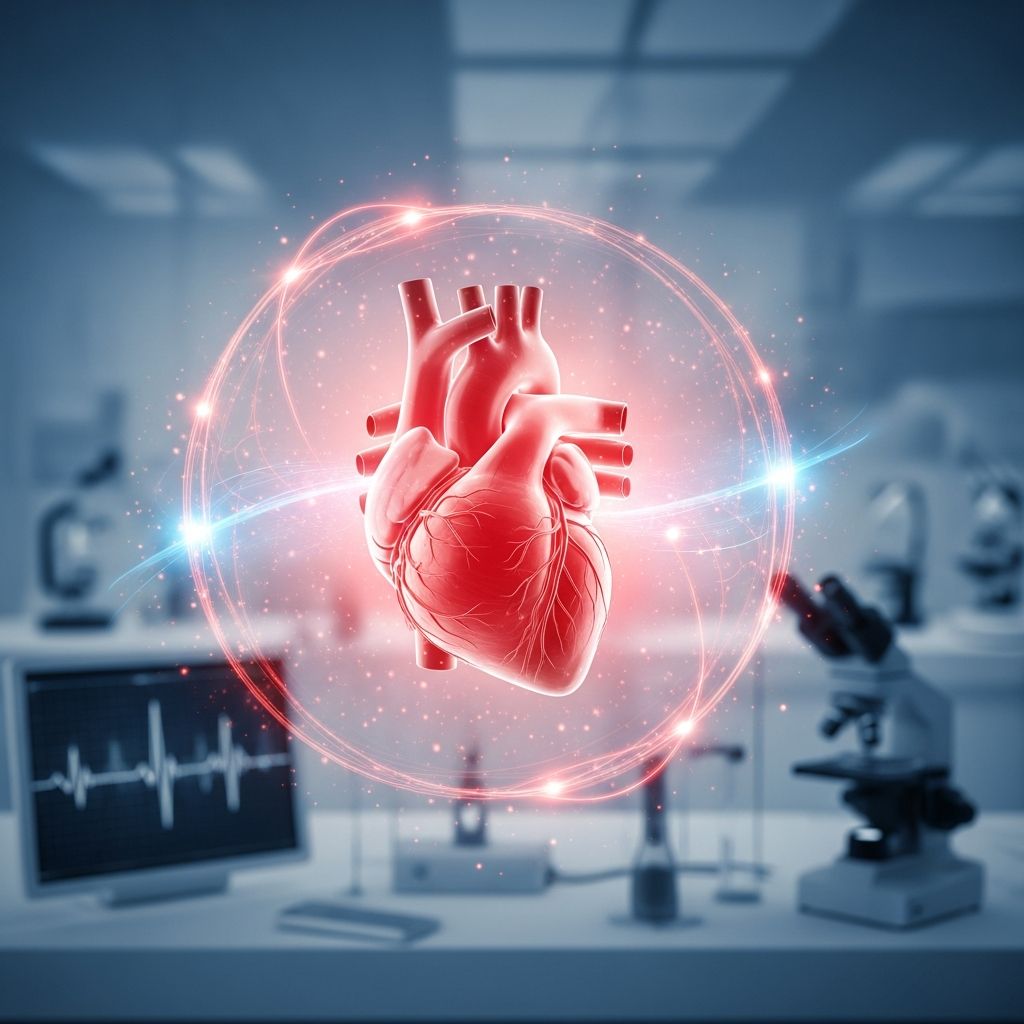
Heart disease encompasses a range of conditions affecting the heart’s structure and function, with
coronary artery disease (CAD)
being the most common type in the United States, impacting blood flow to the heart and potentially leading to heart attacks. As the leading cause of death, accounting for 1 in every 5 deaths, understanding its symptoms, risks, and management is crucial for prevention and early intervention.What Is Heart Disease?
The term
heart disease
refers to several types of heart conditions, including diseases of the blood vessels, heart rhythm issues, and heart muscle weaknesses.Coronary artery disease (CAD)
, the primary form, occurs when plaque buildup narrows the coronary arteries, reducing blood flow to the heart muscle and increasing the risk of heart attacks. Other types include arrhythmias (irregular heartbeats), heart failure (when the heart cannot pump effectively), congenital heart defects, and cardiomyopathy (diseased heart muscle). Heart disease often develops silently over years, making awareness of risk factors essential.According to health authorities, heart disease and stroke together contribute to significant morbidity, resulting in poor quality of life, disability, and death, yet many cases are preventable through lifestyle modifications and risk factor control.
Symptoms of Heart Disease
Heart disease can be “silent,” remaining undiagnosed until a major event like a heart attack, heart failure, or arrhythmia occurs. Common symptoms vary by condition:
- Heart attack: Chest pain or discomfort, upper back or neck pain, heartburn, nausea or vomiting, extreme fatigue, dizziness, and shortness of breath.
- Arrhythmia: Fluttering feelings in the chest (palpitations), often described as a racing or irregular heartbeat.
- Heart failure: Shortness of breath, persistent fatigue, and swelling in the feet, ankles, legs, abdomen, or neck veins.
Women may experience atypical symptoms such as jaw pain, nausea, or fatigue more frequently than classic chest pain. Recognizing these signs promptly can be life-saving, as timely treatment reduces long-term damage.
Risk Factors for Heart Disease
Several modifiable and non-modifiable factors elevate the risk of developing heart disease. About
47% of U.S. adults
have at least one of the three key risk factors: high blood pressure, high blood cholesterol, or smoking.Key Risk Factors
- High blood pressure (hypertension): Forces the heart to work harder, damaging arteries over time.
- High blood cholesterol: Leads to plaque buildup in arteries (atherosclerosis).
- Smoking: Damages blood vessels and reduces oxygen supply to the heart.
- Diabetes: Accelerates atherosclerosis and impairs blood vessel function.
- Overweight and obesity: Strain the heart and contribute to other risks like hypertension.
- Physical inactivity: Weakens the heart muscle and promotes other risk factors.
- Unhealthy diet: High in saturated fats, trans fats, cholesterol, and sodium.
- Excessive alcohol use: Can lead to high blood pressure and cardiomyopathy.
Non-modifiable risks include age (risk increases after 65), family history, and male sex (though women’s risk rises post-menopause). Mental health disorders like depression are also linked, exacerbating risks through behavioral and physiological pathways. Controlling these factors through treatment and lifestyle changes can prevent many cases.
Prevention of Heart Disease
Preventing heart disease focuses on managing risk factors and adopting heart-healthy habits. Key strategies include:
- Regular blood pressure and cholesterol checks to catch issues early.
- Quitting smoking and avoiding secondhand smoke.
- Maintaining a healthy weight through balanced diet and exercise.
- Engaging in at least 150 minutes of moderate aerobic activity weekly.
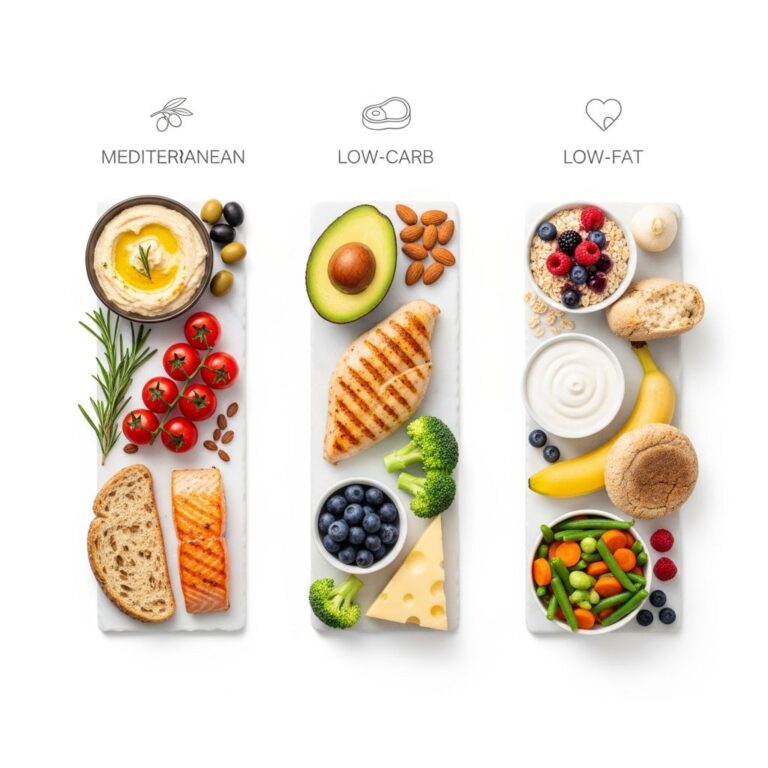
- Eating a diet rich in fruits, vegetables, whole grains, and lean proteins while limiting processed foods.
- Limiting alcohol to moderate levels (up to one drink per day for women, two for men).
- Managing diabetes and other chronic conditions with medication and monitoring.
Related Stories



Public health initiatives emphasize education on symptom recognition to ensure timely treatment during emergencies like heart attacks or strokes, reducing disability and death. Healthy People 2030 aims to improve cardiovascular health by addressing these preventable causes.
Diagnosis of Heart Disease
Diagnosing heart disease involves a combination of medical history review, physical exams, and advanced tests. Initial assessments include blood pressure measurement, cholesterol panels, and ECG (electrocardiogram) to detect arrhythmias or prior damage.
Common diagnostic tools:
| Test | Purpose |
|---|---|
| Echocardiogram | Ultrasound imaging of heart structure and function |
| Stress test | Monitors heart during exercise to assess blood flow |
| Cardiac catheterization | Direct visualization of coronary arteries |
| CT or MRI scans | Detailed images of heart and vessels |
| Blood tests | Detects troponin levels indicating heart muscle damage |
Early diagnosis allows for interventions that halt progression and improve prognosis.
Treatment and Management
Treatment depends on the type and severity of heart disease but often combines lifestyle changes, medications, and procedures. Medications include statins for cholesterol, antihypertensives, antiplatelets like aspirin, and beta-blockers to reduce heart workload. Procedures range from angioplasty and stenting to bypass surgery for severe CAD.
Cardiac Rehabilitation
**Cardiac rehabilitation** is a supervised program essential for recovery from heart attacks, heart failure, or surgery. It includes:
- Physical activity tailored to individual fitness levels.
- Education on nutrition and healthy eating.
- Medication adherence guidance.
- Smoking cessation support.
- Stress management and mental health counseling.
A multidisciplinary team—doctors, nurses, exercise specialists, dietitians, and therapists—guides participants, leading to better outcomes and quality of life.
Living with Heart Disease
Long-term management involves ongoing monitoring, adherence to treatment, and sustained lifestyle changes. Patients should track symptoms, attend regular check-ups, and adjust medications as needed. Support groups and mental health resources help cope with the emotional toll. Advances in telehealth and wearables enable better self-monitoring of heart rhythm and activity. With proper management, many live active lives post-diagnosis.
Statistics and Public Health Impact
Heart disease remains the
leading cause of death
in the U.S., with stroke as the fifth. Recent data from 2018–2022 shows it claims 1 in 5 lives, underscoring the need for prevention. Healthy People 2030 tracks progress in reducing deaths and improving cardiovascular health, with objectives showing mixed results: some improving, others stagnant.Frequently Asked Questions (FAQs)
What is the most common type of heart disease?
Coronary artery disease (CAD), which affects blood flow to the heart, is the most common.
Can heart disease be prevented?
Yes, by controlling risk factors like high blood pressure, cholesterol, smoking, and adopting healthy habits.
What are the signs of a heart attack?
Chest pain, shortness of breath, nausea, fatigue, and pain in the upper body.
What is cardiac rehabilitation?
A supervised program with exercise, education, and counseling for heart patients.
How does mental health relate to heart disease?
Conditions like depression increase risk through poor habits and inflammation; counseling helps.
References
- About Heart Disease — Centers for Disease Control and Prevention (CDC). 2024-05-03. https://www.cdc.gov/heart-disease/about/index.html
- Heart Disease and Stroke – Healthy People 2030 — Office of Disease Prevention and Health Promotion (ODPHP). Accessed 2023. https://odphp.health.gov/healthypeople/objectives-and-data/browse-objectives/heart-disease-and-stroke
Similar Articles








Read full bio of Sneha Tete