Heart Failure: Understanding Symptoms, Causes & Treatment
Complete guide to understanding heart failure: causes, symptoms, diagnosis, and comprehensive treatment options.
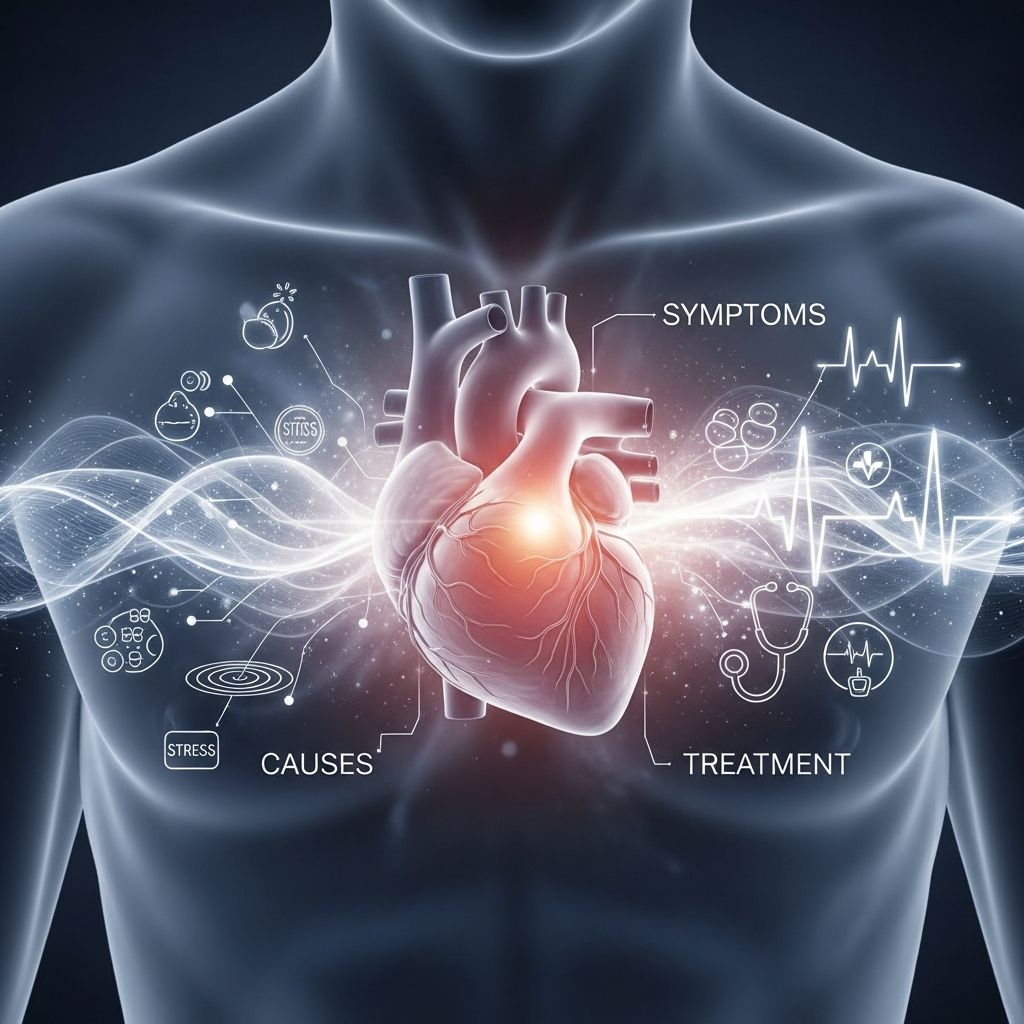
Understanding Heart Failure: A Comprehensive Guide
Heart failure is a serious condition in which the heart cannot pump enough blood to meet the body’s needs. This chronic disease affects millions of people worldwide and requires ongoing medical management and lifestyle modifications. Understanding heart failure, its causes, symptoms, and treatment options is essential for patients and their families to make informed decisions about care and maintain the best possible quality of life.
What is Heart Failure?
Heart failure occurs when the heart muscle becomes weakened or stiffened, preventing it from pumping blood effectively throughout the body. Unlike a heart attack, which happens suddenly, heart failure typically develops gradually as the heart loses its ability to contract and relax properly. This condition means the heart cannot deliver adequate oxygen-rich blood to the lungs, brain, kidneys, and other vital organs.
When the heart fails to pump efficiently, fluid backs up into the lungs and other tissues, causing congestion. This is why heart failure is sometimes called congestive heart failure (CHF). The severity of heart failure can range from mild to severe, and it requires careful medical supervision and treatment to prevent complications and hospitalization.
Types of Heart Failure
Heart failure is classified into two primary types based on how the heart functions:
Systolic Heart Failure (Heart Failure with Reduced Ejection Fraction)
Systolic heart failure occurs when the left ventricle, the heart’s main pumping chamber, becomes weakened and cannot contract forcefully enough. The heart’s ability to eject blood with each beat is significantly reduced. This type accounts for approximately 40% of heart failure cases and is characterized by a reduced ejection fraction, typically below 40%.
Diastolic Heart Failure (Heart Failure with Preserved Ejection Fraction)
Diastolic heart failure develops when the left ventricle becomes stiff and cannot relax properly between heartbeats. Although the heart can still contract normally, it cannot fill with adequate blood during the resting phase. The ejection fraction remains normal (above 50%), but the heart’s ability to fill and distribute blood is compromised. This type is increasingly common, particularly in older adults and those with hypertension.
Stages of Heart Failure
The American Heart Association and American College of Cardiology have established four stages of heart failure that help guide treatment decisions and prognostic expectations:
Stage A: At Risk
Patients in Stage A have risk factors for developing heart failure but show no signs or symptoms of the disease. Risk factors include hypertension, diabetes, coronary artery disease, and obesity. Prevention strategies and risk factor management are critical at this stage.
Stage B: Structural Disease Without Symptoms
Stage B patients have structural heart disease but have never experienced symptoms. This may include reduced ejection fraction or valve disease identified through diagnostic testing. Early intervention with medications and lifestyle modifications can slow disease progression.
Related Stories



Stage C: Structural Disease With Symptoms
Stage C represents symptomatic heart failure. Patients experience characteristic symptoms such as shortness of breath, fatigue, and exercise intolerance. Treatment at this stage includes medications, devices, and comprehensive management to control symptoms and improve outcomes.
Stage D: Advanced/Refractory Heart Failure
Stage D is considered advanced heart failure, where patients experience severe, persistent symptoms despite optimal medical therapy. These patients require specialized treatment options such as heart transplantation, ventricular assist devices, or palliative care approaches.
Common Causes of Heart Failure
Heart failure develops as a result of various underlying conditions that damage or weaken the heart muscle. The most common causes include:
- Hypertension (High Blood Pressure): Chronic elevated blood pressure forces the heart to work harder, eventually weakening the heart muscle over time.
- Coronary Artery Disease: Narrowing of coronary arteries reduces blood flow to the heart muscle, potentially causing heart attacks and subsequent damage.
- Diabetes: Elevated blood sugar levels damage blood vessels and the heart muscle, increasing heart failure risk significantly.
- Cardiomyopathy: This disease directly affects the heart muscle, causing it to become enlarged, thickened, or scarred.
- Valvular Heart Disease: Damaged or diseased heart valves prevent proper blood flow through the heart chambers.
- Arrhythmias: Irregular heartbeats can weaken the heart over time if left untreated.
- Chemotherapy and Radiation: Cancer treatments can damage the heart muscle as a side effect.
Recognizing Heart Failure Symptoms
Heart failure symptoms develop gradually and may be subtle initially. Common warning signs include:
- Shortness of breath during normal activities or when lying flat
- Persistent fatigue and weakness
- Swelling in the feet, ankles, legs, or abdomen
- Sudden weight gain (more than 2-3 pounds in a day)
- Chest pain or pressure
- Persistent dry cough
- Difficulty concentrating or confusion
- Rapid or irregular heartbeat
- Decreased ability to exercise
Symptoms may worsen during periods of stress, illness, or when patients fail to adhere to their treatment regimen. Recognizing these symptoms early and reporting them to a healthcare provider is crucial for preventing complications and hospital admissions.
Diagnostic Testing for Heart Failure
Accurate diagnosis of heart failure requires a comprehensive medical evaluation and specialized testing. During the initial assessment, physicians obtain detailed patient history including current symptoms, medical conditions, family history of heart disease, medication use, alcohol consumption, and exposure to chemotherapy or radiation.
Physical Examination
A thorough physical examination helps identify signs of heart failure such as fluid retention, abnormal heart sounds, and elevated blood pressure.
Diagnostic Tests
Several tests confirm heart failure diagnosis and assess severity:
- Electrocardiogram (EKG): Records electrical activity of the heart to detect abnormal rhythms and structural changes.
- Echocardiogram: Ultrasound imaging shows heart structure and function, measuring ejection fraction.
- Chest X-ray: Reveals fluid in the lungs and heart enlargement.
- Blood Tests: Measure B-type natriuretic peptide (BNP) and other markers indicating heart stress.
- Cardiac Catheterization: Invasive procedure measuring pressures in heart chambers to assess function.
- Stress Tests: Evaluate heart function during physical activity.
Treatment Strategies for Heart Failure
Medications
Medical therapy forms the foundation of heart failure management. Standard medications include:
- ACE Inhibitors or Angiotensin II Receptor Blockers: Reduce blood pressure and decrease heart workload.
- Beta-Blockers: Slow heart rate and reduce blood pressure.
- Diuretics: Remove excess fluid from the body.
- Aldosterone Antagonists: Help retain potassium while removing excess fluid.
- Inotropic Agents: Strengthen heart contractions in advanced cases.
Device Therapy
For selected patients, specialized devices improve outcomes:
- Cardiac Resynchronization Therapy (CRT): Biventricular pacemakers coordinate heart chamber contractions.
- Implantable Cardioverter-Defibrillator (ICD): Detects dangerous arrhythmias and delivers corrective therapy.
- Left Ventricular Assist Devices (LVAD): Mechanical pumps support heart function as bridge to transplantation or destination therapy.
Surgical Options
For specific conditions, surgical interventions may benefit patients:
- Coronary Artery Bypass Grafting: Restores blood flow around blockages in coronary arteries.
- Valve Repair or Replacement: Corrects diseased or damaged heart valves.
- Heart Transplantation: Replacement with donor heart for advanced, refractory heart failure.
Lifestyle Management and Daily Care
Successful heart failure management extends beyond medications and devices to include daily lifestyle practices:
Monitoring and Assessment
Daily weight monitoring is essential for early detection of fluid retention. Patients should report weight gains exceeding 4 pounds above their baseline “dry weight” to their healthcare provider. Attention to changes in symptoms such as increased shortness of breath or swelling indicates worsening condition requiring medical evaluation.
Dietary Modifications
Heart-healthy nutrition supports cardiac function. Patients should follow a diet low in sodium to prevent fluid retention, limited in saturated fats, and rich in fruits, vegetables, and whole grains. Fluid restriction may be recommended in advanced cases to prevent excessive fluid accumulation.
Physical Activity
Appropriate exercise improves cardiac function and overall health. Cardiac rehabilitation programs provide supervised exercise training tailored to individual tolerance levels. Regular physical activity, as tolerated, strengthens the heart and improves functional capacity.
Medication Adherence
Consistent medication use prevents symptom progression and hospitalizations. Patients must understand their medications, dosing schedules, and potential side effects. Compliance with prescribed therapy is critical for optimal outcomes.
Heart Failure Zones: Recognizing Your Status
The Heart Failure Zones system helps patients understand their condition status and when to seek medical attention:
Green Zone: All Clear
In the Green Zone, symptoms are absent or mild and stable. Weight remains within 4 pounds of baseline. Blood pressure and heart rate are well-controlled. Patients should continue current treatment and maintain regular follow-up appointments.
Yellow Zone: Caution
Yellow Zone indicates early warning signs requiring prompt medical attention. New or worsening symptoms such as increased shortness of breath, unusual fatigue, weight gain, or decreased exercise tolerance warrant contact with healthcare providers. Medication adjustments may be necessary.
Red Zone: Emergency
Red Zone symptoms require immediate emergency evaluation. Severe shortness of breath at rest, chest pain, confusion, or inability to think clearly necessitate emergency room evaluation or calling 911. These symptoms indicate acute decompensation requiring urgent intervention.
Follow-Up Care and Monitoring
Regular follow-up visits with heart failure specialists and nurses are essential for optimal outcomes. These appointments allow providers to assess symptom control, monitor medication effectiveness, check for early signs of disease progression, and adjust treatment as needed. Follow-up care goals include maintaining symptom control, preserving functional capacity, preventing hospitalizations, and improving overall quality of life.
Missed appointments should be rescheduled promptly, as consistent monitoring prevents complications and emergency admissions. Multidisciplinary teams including cardiologists, cardiac nurses, nutritionists, and rehabilitation specialists work together to provide comprehensive, patient-centered care.
Advanced Heart Failure Treatment Options
For patients with Stage D advanced heart failure refractory to standard therapy, specialized treatment options exist:
Heart Transplantation
Heart transplantation offers long-term survival benefit for carefully selected patients with end-stage heart failure. Rigorous evaluation determines transplant candidacy, considering age, overall health status, kidney and liver function, and ability to comply with lifelong immunosuppressive therapy.
Ventricular Assist Devices
Mechanical circulatory support devices include temporary devices as bridges to transplantation and permanent destination therapy devices for patients ineligible for transplantation. LVADs have become increasingly effective with improved technology and outcomes.
Palliative and Hospice Care
For patients with terminal heart failure, palliative care focuses on symptom management and comfort, emphasizing quality of life over life extension. Hospice services provide compassionate end-of-life care supporting patients and families.
Frequently Asked Questions About Heart Failure
Q: Can heart failure be cured?
A: Heart failure is typically a chronic condition managed with medications, devices, lifestyle modifications, and ongoing medical supervision. While not curable in most cases, early detection and aggressive treatment can halt disease progression and significantly improve quality of life and survival.
Q: How often should I have follow-up appointments?
A: Follow-up frequency depends on disease severity and stability. Newly diagnosed patients or those with unstable conditions may require weekly or biweekly visits. Stable patients typically need appointments every 4-12 weeks. Your cardiologist will determine the appropriate schedule for your individual situation.
Q: What dietary restrictions do I need to follow?
A: Heart failure patients should follow a heart-healthy diet low in sodium (typically less than 2,000 mg daily), limited in saturated fats, and rich in fruits, vegetables, whole grains, and lean proteins. Fluid restriction may be recommended based on your specific condition. Consult with a cardiac nutritionist for personalized dietary guidance.
Q: Can I exercise with heart failure?
A: Yes, appropriate exercise is beneficial for heart failure patients. Cardiac rehabilitation programs provide supervised exercise training tailored to your tolerance level. Consult your cardiologist regarding safe activity levels specific to your condition before beginning any exercise program.
Q: What medications are typically used for heart failure?
A: Common medications include ACE inhibitors or ARBs, beta-blockers, diuretics, and aldosterone antagonists. Your specific medication regimen depends on your heart failure type, severity, and individual factors. Medications should be taken exactly as prescribed for optimal effectiveness.
Q: When should I seek emergency care?
A: Seek emergency care immediately if you experience severe shortness of breath at rest, chest pain, confusion, or inability to think clearly. These Red Zone symptoms indicate acute decompensation requiring urgent evaluation at the emergency department or by calling 911.
Specialist Care and Multidisciplinary Teams
Optimal heart failure management involves comprehensive care from specialized teams. The Kaufman Center for Heart Failure and similar centers provide coordinated care from cardiologists, cardiac surgeons, nurses, nutritionists, cardiac rehabilitation professionals, and researchers. These multidisciplinary teams work collaboratively toward common goals of symptom control, disease management, patient education, and research advancement. Comprehensive care settings reduce hospitalizations, improve outcomes, and enhance patient satisfaction and quality of life.
References
- Advanced Heart Failure Disease Management — Cleveland Clinic. 2024. https://my.clevelandclinic.org/departments/heart/patient-education/
- Heart Failure Disease Management: A Team Approach — Cleveland Clinic Journal of Medicine, Department of Cardiology, Cleveland Clinic. 2020. https://www.ccjm.org/content/ccjom/68/1/53.full.pdf
- A Practical Guide from the Heart Failure Society of America — Heart Failure Society of America. 2020. https://pubmed.ncbi.nlm.nih.gov/33289664/
- Heart Failure Zones Guidelines — Cleveland Clinic. 2024. https://my.clevelandclinic.org/departments/heart/patient-education/recovery-care/heart-failure/heart-failure-zones
- Your Guide to Managing Heart Failure — Cleveland Clinic. 2024. https://my.clevelandclinic.org/departments/heart/patient-education/recovery-care/heart-failure/managing-heart-failure-guide
- Living with Heart Failure — Cleveland Clinic. 2024. https://my.clevelandclinic.org/departments/heart/patient-education/recovery-care/heart-failure/living-heart-failure
Similar Articles








Read full bio of medha deb