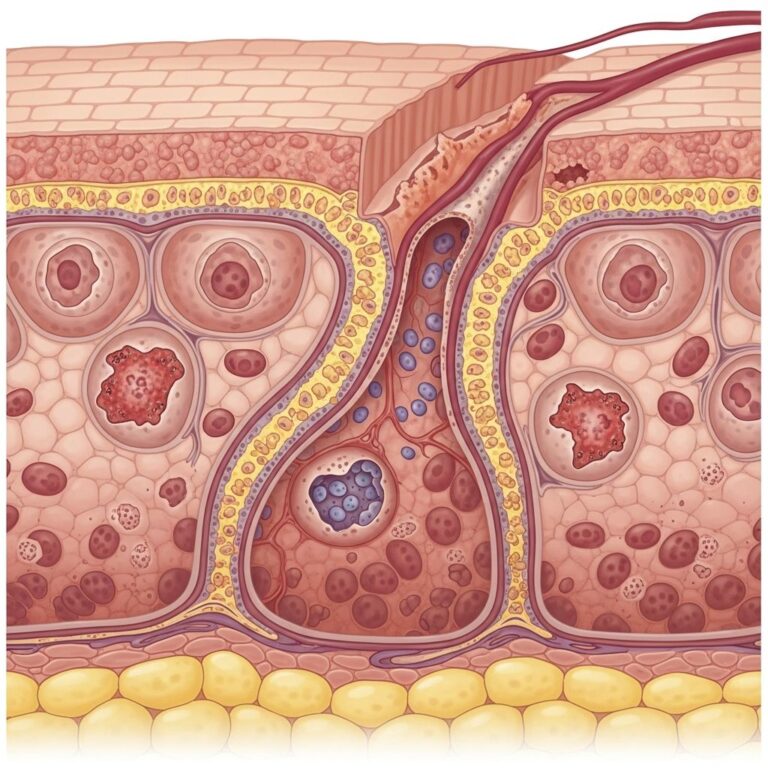
Beta-Blockers: Uses, Side Effects, And Safety Guide
Comprehensive guide to beta-blockers: uses, types, side effects, and essential information for safe treatment.
Peer reviewed by medical professionals. Last updated 2025.
Beta-blockers, also known as beta-adrenoceptor blocking medicines, are widely prescribed to manage various cardiovascular and other conditions by blocking the effects of adrenaline on beta receptors in the heart and blood vessels. This reduces heart rate, blood pressure, and strain on the heart.
How do beta-blockers work?
Beta-blockers work by ‘sitting’ on beta-adrenergic receptors in the body, preventing stimulation by hormones like adrenaline (epinephrine) and noradrenaline. In the heart, this blocks receptors, reducing the force and rate of heartbeat, which lowers blood pressure and eases heart workload. They also help widen blood vessels in some cases, improving blood flow.
This mechanism is particularly beneficial for conditions involving excessive heart stimulation, such as rapid heartbeats or high blood pressure. For instance, in anxiety, they mitigate physical symptoms like tremor and tachycardia without addressing the psychological aspect.
Types of beta-blockers
There are several classes of beta-blockers, differing in selectivity and additional properties:
- Non-selective beta-blockers: Affect both beta-1 (heart) and beta-2 (lungs, blood vessels) receptors. Examples: propranolol (Inderal), nadolol, sotalol, timolol.
- Cardioselective beta-blockers: Primarily target beta-1 receptors, safer for those with respiratory issues. Examples: atenolol (Tenormin), bisoprolol (Cardicor), metoprolol (Lopresor), acebutolol[10].
- Alpha and beta-blockers: Block both alpha and beta receptors, useful for heart failure. Example: carvedilol.
- Vasodilating beta-blockers: Examples: nebivolol (Bystolic), pindolol.
Choice depends on the condition, patient profile, and whether oral, intravenous, or eye drop forms are needed.
What are beta-blockers used for?
Heart and blood vessel conditions
Beta-blockers are first-line for many cardiac issues:
- High blood pressure (hypertension): Reduce heart output and relax vessels.
- Angina: Decrease oxygen demand by slowing heart rate.
- Heart attack prevention: Lower risk of further myocardial infarction post-event.
- Arrhythmias: Control fast rates, e.g., atrial fibrillation.
- Heart failure: Improve symptoms and survival in stable patients.
Other uses
- Anxiety: Reduce physical symptoms like shaking and rapid heartbeat for situational use.
- Overactive thyroid (hyperthyroidism): Alleviate tremor and tachycardia.
- Migraine prophylaxis: Fewer attacks in frequent sufferers.
- Essential tremor: Improve hand steadiness.
| Condition | Examples of Beta-Blockers | Primary Benefit |
|---|---|---|
| Hypertension | Atenolol, Bisoprolol | Lowers BP |
| Angina | Metoprolol, Propranolol | Reduces chest pain |
| Heart Failure | Carvedilol, Bisoprolol | Improves ejection fraction |
| Arrhythmias | Sotalol | Controls rate |
| Migraine | Propranolol | Prevents attacks |
Beta-blockers side-effects
Many tolerate beta-blockers well, but common side effects include:
- Fatigue and cold hands/feet: Due to reduced heart rate and blood flow.
- Slow heart rate (bradycardia): May cause dizziness or fainting.
- Breathing issues: Worsen asthma or COPD via beta-2 blockade.
- Sexual dysfunction: Erectile issues in men.
- Diabetes concerns: Mask hypoglycemia symptoms; may increase type 2 diabetes risk.
- Others: Sleep disturbances, GI upset, lipid changes (raised triglycerides, lowered HDL).
Related Stories



Consult leaflets for full lists. Most effects are dose-related and reversible.
How long can you stay on beta-blockers?
Duration varies:
- Short-term: Hyperthyroidism (weeks/months).
- Long-term/lifelong: Post-heart attack, chronic hypertension, heart failure.
Do not stop abruptly; taper to avoid rebound tachycardia or hypertension.
Who cannot take beta-blockers?
Contraindications include:
- Uncontrolled heart failure.
- Bradycardia or hypotension.
- Sick sinus syndrome or certain blocks.
- Severe asthma/COPD.
- Prinzmetal’s angina.
Caution in diabetes, pregnancy, and with interacting drugs like verapamil.
Frequently Asked Questions (FAQs)
Q: Can beta-blockers cause weight gain?
A: Yes, some experience modest weight gain due to fluid retention or reduced activity from fatigue. Lifestyle adjustments help.
Q: Are beta-blockers safe in pregnancy?
A: Some like labetalol are used, but discuss risks with your doctor as others may affect fetal growth.
Q: Do beta-blockers affect exercise?
A: They blunt maximum heart rate, so adjust exercise targets. Still safe for moderate activity.
Q: Can I drink alcohol on beta-blockers?
A: Moderate alcohol is usually fine but may enhance dizziness. Limit intake.
Q: How quickly do beta-blockers work?
A: Effects on heart rate within hours; full BP control may take weeks.
References
- Beta-blockers: Uses and Side-Effects — Patient.info. 2023-03-23. https://patient.info/heart-health/beta-blockers
- Beta blockers — Mayo Clinic. 2023. https://www.mayoclinic.org/diseases-conditions/high-blood-pressure/in-depth/beta-blockers/art-20044522
- What can beta blockers do for anxiety symptoms? — Patient.info. 2023. https://patient.info/features/mental-health/what-can-beta-blockers-do-for-anxiety-symptoms
- Timolol tablets – a beta-blocker — Patient.info. 2023. https://patient.info/medicine/timolol-tablets-a-beta-blocker
- Pindolol – a beta-blocker — Patient.info. 2023. https://patient.info/medicine/pindolol-a-beta-blocker-2
- Propranolol (Beta-blocker) — Patient.info. 2023. https://patient.info/medicine/propranolol-a-beta-blocker-angilol-bedranol-beta-prograne
- Carvedilol tablets – a beta-blocker — Patient.info. 2023. https://patient.info/medicine/carvedilol-tablets-a-beta-blocker
Similar Articles








Read full bio of Sneha Tete