Heart Health Essentials: Protect Your Cardiovascular System
Complete guide to maintaining heart health through diet, exercise, and lifestyle choices.
Understanding Heart Health
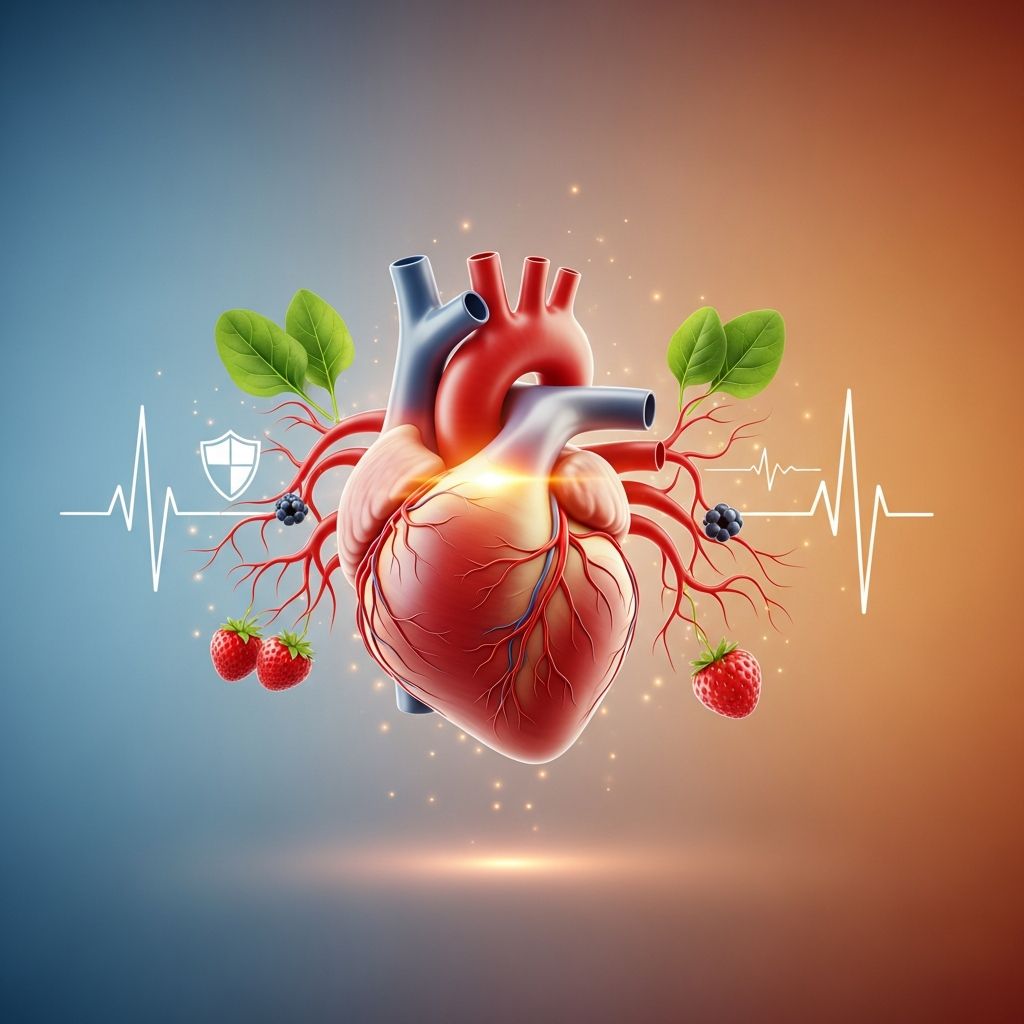
Your heart is one of the most vital organs in your body, working continuously to pump blood and deliver oxygen to every cell. Heart disease remains one of the leading causes of death globally, yet many cases are preventable through lifestyle modifications and informed health decisions. Understanding the fundamentals of heart health empowers you to take control of your cardiovascular future and reduce your risk of serious complications.
The Importance of Food Quality in Heart Disease Prevention
Recent research from Harvard T.H. Chan School of Public Health has shed new light on what truly matters for heart health. A groundbreaking study tracking nearly 200,000 adults over several decades found that the quality of food consumed is just as important as the type of diet followed. Whether someone adheres to a low-carbohydrate or low-fat diet, what matters most is choosing high-quality, minimally processed foods.
The research revealed that individuals who consumed high-quality foods, regardless of their chosen diet approach, reduced their risk of coronary heart disease by approximately 15 percent. This finding challenges the conventional wisdom that diet type is the primary determinant of heart health outcomes. Instead, the focus should shift to the nutritional quality of every bite consumed.
High-Quality vs. Low-Quality Foods
The Harvard researchers classified foods into two distinct categories to evaluate diet quality and its impact on heart health:
High-quality foods include:
– Whole grains and grain products- Fresh fruits and berries- Leafy greens and vegetables- Nuts and nut butters- Legumes and plant-based proteins- Fish and omega-3 rich sources
Low-quality foods include:
– Refined grains and white bread- Processed meats and deli products- Starchy vegetables like potatoes- Foods with added sugars and syrups- Saturated fats from animal sources- Highly processed snack foods
The distinction between these categories is crucial for understanding how your dietary choices impact your cardiovascular system. High-quality foods provide essential nutrients, fiber, and beneficial compounds that support heart function, while low-quality foods often contain excess sodium, saturated fats, and added sugars that strain the cardiovascular system.
Key Risk Factors for Heart Disease
Understanding the risk factors for heart disease allows you to identify areas where you can make meaningful changes. Some risk factors cannot be controlled, such as age, family history, and genetics, but many lifestyle-related risk factors are within your control.
Controllable risk factors include:
– High blood pressure (hypertension)- High cholesterol levels- Diabetes and blood sugar control- Obesity and excess weight- Physical inactivity and sedentary lifestyle- Tobacco use and smoking- Excessive alcohol consumption- Chronic stress and anxiety- Poor diet quality and nutrition
By addressing these controllable factors through lifestyle modifications, you can significantly reduce your risk of developing heart disease and improve your overall health outcomes.
Related Stories



Nutrition Strategies for Optimal Heart Health
Nutrition plays a fundamental role in maintaining cardiovascular health. The heart benefits tremendously from a diet rich in heart-protective nutrients and low in substances that promote inflammation and arterial damage.
Building Your Heart-Healthy Plate
A heart-healthy diet should emphasize whole, minimally processed foods and include a variety of nutrients that support cardiovascular function. Each meal is an opportunity to nourish your heart and reduce disease risk. Here’s how to structure your meals for optimal cardiac health:
Vegetables and Fruits: Fill half your plate with colorful vegetables and fruits. These foods are rich in vitamins, minerals, antioxidants, and fiber—all essential for heart health. Aim for a variety of colors, as different pigments indicate different beneficial compounds. Dark leafy greens, berries, oranges, and red peppers are particularly heart-protective.
Whole Grains: Choose whole grains over refined grains whenever possible. Whole grains contain the bran, germ, and endosperm, providing more fiber and nutrients. Options include oatmeal, brown rice, quinoa, whole wheat bread, and barley. The fiber in whole grains helps regulate cholesterol and blood sugar levels.
Lean Proteins: Select protein sources that are low in saturated fat. Plant-based proteins like beans, lentils, nuts, and seeds are excellent choices. Fish rich in omega-3 fatty acids, such as salmon, mackerel, and sardines, offer additional heart-protective benefits. If consuming meat, choose lean cuts and limit portion sizes.
Healthy Fats: Replace saturated and trans fats with heart-healthy unsaturated fats. Olive oil, avocados, nuts, and seeds provide monounsaturated and polyunsaturated fats that support cardiovascular health. These fats help reduce inflammation and support healthy cholesterol levels.
Nutrients Essential for Heart Function
Certain nutrients deserve special attention when considering heart health. Potassium helps regulate blood pressure, magnesium supports heart rhythm, and omega-3 fatty acids reduce inflammation and support healthy cholesterol. Foods rich in these nutrients should feature prominently in your diet.
The Role of Physical Activity
Regular physical activity is one of the most powerful tools for maintaining heart health. Exercise strengthens the heart muscle, improves circulation, helps maintain healthy weight, and reduces stress—all factors that contribute to cardiovascular wellness.
Recommended activity guidelines:
– 150 minutes of moderate-intensity aerobic exercise per week- 75 minutes of vigorous-intensity aerobic exercise per week- Muscle-strengthening activities at least twice weekly- Flexibility and balance training for overall fitness
Moderate-intensity activities include brisk walking, cycling, swimming, and recreational sports. Vigorous-intensity activities include running, fast cycling, and high-intensity interval training. The key is consistency—regular physical activity provides more benefit than occasional intense exercise sessions.
Managing Blood Pressure and Cholesterol
Two critical markers of heart health are blood pressure and cholesterol levels. High blood pressure forces the heart to work harder, while elevated cholesterol can lead to plaque buildup in arteries. Both conditions often have no symptoms, making regular monitoring essential.
Blood Pressure Goals: Normal blood pressure is generally considered less than 120/80 mmHg. High blood pressure (140/90 mmHg or higher) significantly increases heart disease risk. Regular monitoring allows you to track changes and work with your healthcare provider to maintain healthy levels through diet, exercise, and medication if necessary.
Cholesterol Management: Your body needs some cholesterol, but excess cholesterol can accumulate in arteries. LDL cholesterol (the “bad” kind) should be kept low, while HDL cholesterol (the “good” kind) should be elevated. A heart-healthy diet emphasizing whole grains and reducing saturated fats helps maintain healthy cholesterol levels. Regular blood tests monitor your cholesterol profile and guide treatment decisions.
Stress Management and Sleep Quality
Chronic stress and poor sleep negatively impact heart health. Stress triggers the release of hormones that elevate heart rate and blood pressure, while poor sleep disrupts the body’s natural rhythms and increases inflammation. Prioritizing stress reduction and quality sleep is essential for cardiovascular wellness.
Effective stress management techniques include meditation, yoga, deep breathing exercises, spending time in nature, and engaging in hobbies you enjoy. Quality sleep—typically 7-9 hours nightly—allows your body to repair and regulate vital functions. Creating a consistent sleep schedule and maintaining a relaxing bedroom environment supports better sleep quality and heart health.
Avoiding Harmful Habits
Certain behaviors significantly increase heart disease risk. Smoking damages blood vessels, promotes inflammation, and accelerates plaque buildup. Excessive alcohol consumption raises blood pressure and triglycerides. These habits should be avoided or eliminated entirely for optimal heart health.
If you smoke, quitting is the single most important step you can take for your heart. Within one year of quitting, your heart disease risk drops significantly. If you consume alcohol, do so in moderation—no more than one drink daily for women or two for men.
Regular Health Monitoring
Proactive health monitoring helps identify potential issues before they become serious. Regular check-ups with your healthcare provider should include blood pressure checks, cholesterol screening, and discussion of your family history and risk factors. For some individuals, additional tests like electrocardiograms or stress tests may be recommended.
Frequently Asked Questions About Heart Health
Q: What is the best diet for heart health?
A: Research shows that diet quality matters more than diet type. Whether following a low-carbohydrate or low-fat approach, focusing on high-quality, minimally processed plant-based foods, whole grains, fruits, vegetables, and healthy fats provides the greatest heart-protective benefits. The key is choosing whole foods and limiting processed options regardless of your dietary approach.
Q: How much exercise do I need for a healthy heart?
A: The American Heart Association recommends at least 150 minutes of moderate-intensity aerobic exercise or 75 minutes of vigorous-intensity exercise per week, combined with muscle-strengthening activities twice weekly. However, even small amounts of physical activity provide benefits, so start where you are and gradually increase your activity level.
Q: Can heart disease be reversed through lifestyle changes?
A: While established heart disease cannot be completely reversed, significant lifestyle modifications can slow its progression, reduce symptoms, and lower the risk of future cardiac events. In some cases, early-stage atherosclerosis may be halted or modestly improved through aggressive dietary and lifestyle changes combined with appropriate medical treatment.
Q: What role does family history play in heart disease risk?
A: Family history is a non-modifiable risk factor for heart disease. If you have close relatives who experienced heart disease at a young age, your risk is elevated. However, this doesn’t mean you will necessarily develop heart disease. Maintaining healthy lifestyle habits becomes even more important when there is a family history of cardiovascular disease.
Q: How often should I have my cholesterol checked?
A: Generally, adults should have their cholesterol checked at least every four to six years. If you have risk factors for heart disease, family history of high cholesterol, or are over 40, more frequent testing may be recommended. Consult your healthcare provider about the appropriate screening schedule for your individual situation.
Q: Is red wine good for heart health?
A: Moderate consumption of red wine has been associated with heart benefits due to compounds like resveratrol. However, this doesn’t mean you should start drinking if you don’t already. The heart-protective benefits can be obtained from eating grapes or other sources. If you do consume alcohol, moderation is key—no more than one drink daily for women or two for men.
Taking Action for Your Heart
Your heart health is largely within your control. By focusing on high-quality nutrition, regular physical activity, stress management, quality sleep, and avoiding harmful habits, you can significantly reduce your heart disease risk and improve your overall quality of life. Start with small, sustainable changes rather than attempting a complete lifestyle overhaul. Consult with your healthcare provider to develop a personalized heart health plan based on your individual risk factors and health status. Remember, every positive choice you make today contributes to a healthier heart tomorrow.
References
- Harvard study finds heart health depends on food quality, not just diet type — Harvard T.H. Chan School of Public Health / New Food Magazine. 2025-06-02. https://www.newfoodmagazine.com/news/251797/harvard-study-food-quality-and-heart-health/
Similar Articles








Read full bio of Sneha Tete