Heart Health Essentials: Practical Steps For A Stronger Heart
Discover proven strategies to protect your heart, reduce risks, and build lifelong cardiovascular wellness through diet, exercise, and smart habits.

The heart powers every bodily function, making its protection a top priority for overall well-being. Cardiovascular conditions remain a leading global health challenge, but informed lifestyle choices can dramatically lower risks. This guide draws from established medical insights to outline practical steps for maintaining a strong heart across all ages.
Understanding Cardiovascular Risks
Heart disease encompasses various conditions, with coronary artery disease being the most prevalent, where plaque buildup narrows arteries supplying the heart. Key modifiable risks include elevated cholesterol, hypertension, excess weight, diabetes, physical inactivity, poor diet, inadequate sleep, and tobacco use. Non-modifiable factors like age, family history, and gender also play roles, but addressing controllable ones yields significant benefits. For instance, high blood pressure silently damages vessels over time, increasing chances of heart attacks and strokes.
A simple self-assessment can reveal personal vulnerabilities: calculate your Body Mass Index (BMI) using height and weight; a score of 25 or higher signals overweight status linked to heightened heart risks. Regular physical activity below 30 minutes most days or a history of chest pains further elevates concerns. Awareness prompts action, as even gradual changes compound into protection.
Nutrition for a Stronger Heart
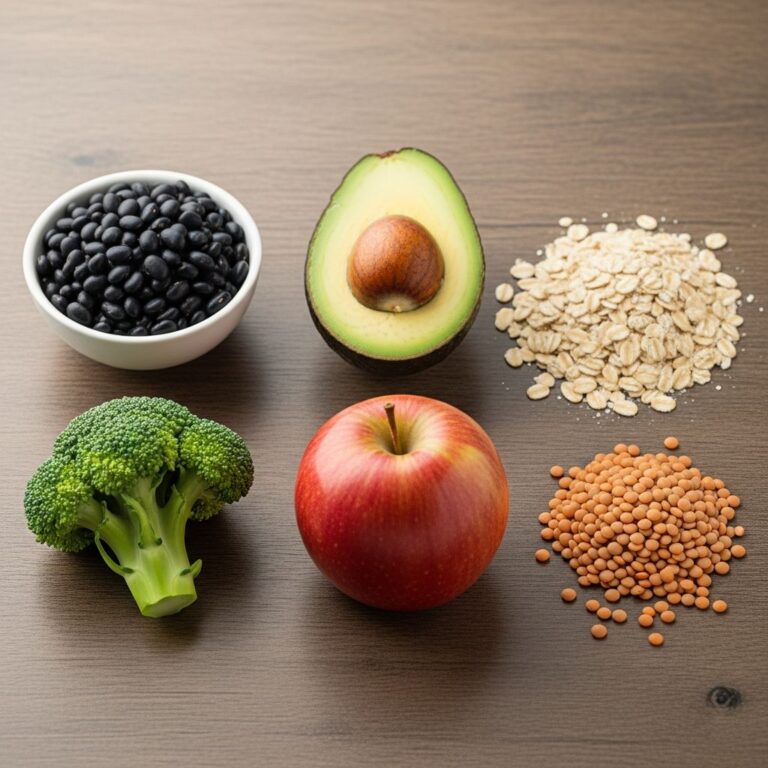
Diet forms the foundation of cardiovascular health. Prioritize nutrient-dense foods that support vessel flexibility and cholesterol balance. Emphasize vegetables, fruits, whole grains, legumes, lean proteins like fish, and healthy fats from sources such as olive oil and avocados. Limit sodium, added sugars, refined carbs, processed meats, saturated fats from red meats and full-fat dairy, and trans fats in fried or baked goods.
Evidence-based plans like the Mediterranean diet, rich in plant foods and omega-3s from seafood, or the DASH (Dietary Approaches to Stop Hypertension) plan, which curbs salt while boosting potassium-rich produce, effectively lower blood pressure and lipid levels. Practical swaps include choosing grilled over fried options, opting for herbs instead of salt, and incorporating berries or nuts as snacks. These adjustments not only aid weight control but also mitigate diabetes risk by stabilizing blood sugar.
- Daily plate model: Half vegetables and fruits, quarter whole grains, quarter lean proteins.
- Fluid focus: Water or unsweetened teas over sodas; limit alcohol to moderate levels.
- Portion awareness: Use smaller plates to naturally reduce intake without hunger.
Physical Activity Guidelines
Movement strengthens the heart muscle, improves circulation, and combats obesity. Aim for at least 30-60 minutes of moderate activity most days, such as brisk walking, cycling, or swimming. This routine lowers blood pressure, enhances cholesterol profiles, and boosts insulin sensitivity, reducing type 2 diabetes odds.
Start small if sedentary: begin with 10-minute walks, building to sustained sessions. Incorporate strength training twice weekly using bodyweight exercises like squats or resistance bands to preserve muscle mass, which supports metabolism. Consistency trumps intensity; track progress with a pedometer targeting 7,000-10,000 steps daily. Benefits extend to mental health, easing stress that indirectly burdens the heart.
Related Stories



| Activity Type | Examples | Frequency | Benefits |
|---|---|---|---|
| Aerobic | Walking, jogging, cycling | 150 min/week moderate | Lowers BP, improves endurance |
| Strength | Weights, push-ups | 2 days/week | Builds muscle, aids weight control |
| Flexibility | Yoga, stretching | Daily | Reduces injury risk, eases tension |
Managing Key Metrics: Cholesterol, Blood Pressure, and Sugar
Cholesterol Control
High blood cholesterol fosters plaque in arteries, a primary heart disease driver. A lipoprotein profile every 5 years—or more if elevated—measures LDL (”bad”), HDL (”good”), and triglycerides. Optimal levels: LDL under 100 mg/dL, HDL above 60 mg/dL for women and 50 for men. Lifestyle tweaks like soluble fiber from oats and exercise raise HDL while diet curbs LDL. Statins may be prescribed if needed.
Blood Pressure Monitoring
Hypertension, often symptomless, strains the heart and heightens failure risk. Target below 120/80 mmHg; 140/90 or higher warrants intervention. Screen every 2 years from age 18, annually if at risk. Home monitors aid tracking; combine with low-sodium diets, exercise, and weight loss for control.
Blood Sugar Balance
Diabetes doubles heart disease risk by damaging vessels. Fasting plasma glucose tests detect issues; aim for under 100 mg/dL. Manage via balanced meals, activity, and monitoring to prevent complications.
The Role of Quality Sleep
Adequate rest—7+ hours nightly for adults—regulates hormones, blood pressure, and inflammation. Poor sleep correlates with obesity, hypertension, and attacks. Establish routines: consistent bedtimes, dark environments, no screens pre-bed. Naps under 30 minutes preserve nighttime sleep.
Weight Management Strategies
Maintaining a healthy BMI (18.5-24.9) prevents strain from excess fat, especially abdominal. Combine calorie awareness, nutrient focus, and activity. Track via apps; seek professional guidance for sustainable loss of 1-2 pounds weekly. Even 5-10% reduction yields cardiovascular gains.
Eliminating Tobacco and Moderating Alcohol
Smoking triples heart disease risk via vessel constriction and clot promotion. Quitting immediately halves risk within a year; resources like counseling and patches assist. Limit alcohol to one drink daily for women, two for men, as excess raises pressure.
Routine Screenings and Medical Checkups
Early detection saves lives. Discuss with providers: personal risk assessment, pressure/cholesterol/glucose tests, activity/diet plans, and quit-smoking aid. Family history informs frequency.
Recognizing Emergencies
Heart attack signs: chest pressure radiating to arms/jaw, shortness of breath, nausea, sweating. Women may experience fatigue or back pain. Call emergency services immediately; prompt treatment preserves heart function.
Frequently Asked Questions (FAQs)
What is the fastest way to improve heart health?
Quit smoking, adopt a plant-rich diet, and walk 30 minutes daily for quick risk reductions.
How often should I check blood pressure at home?
Daily if diagnosed high; otherwise, weekly to establish baselines.
Can stress cause heart problems?
Chronic stress elevates pressure and inflammation; manage via mindfulness and exercise.
Is red meat bad for the heart?
Limit to lean cuts occasionally; processed versions pose higher risks due to sodium/fats.
What sleep duration is ideal for heart protection?
7-9 hours nightly supports metabolic health.
Building Sustainable Habits
Heart wellness thrives on integration: pair meals with walks, screenings with annual goals. Partner with family for accountability; apps track metrics. Consult dietitians for personalized plans. Small, consistent steps outperform drastic overhauls, fostering lifelong vitality.
References
- Your Guide to A Healthy Heart — National Heart, Lung, and Blood Institute (NHLBI). 2005 (authoritative foundational guide, still relevant for core principles). https://www.nhlbi.nih.gov/files/docs/public/heart/healthyheart.pdf
- Life’s Essential 8 — American Heart Association. 2023 (updated 2024). https://www.heart.org/en/healthy-living/healthy-lifestyle/lifes-essential-8
- Strategies to prevent heart disease — Mayo Clinic. 2024. https://www.mayoclinic.org/diseases-conditions/heart-disease/in-depth/heart-disease-prevention/art-20046502
Similar Articles








Read full bio of Sneha Tete