Peripheral Vasodilators: Essential Guide For PAD, Uses, Risks
Understanding peripheral vasodilators: uses, types, benefits, and risks in treating vascular conditions like PAD and hypertension.
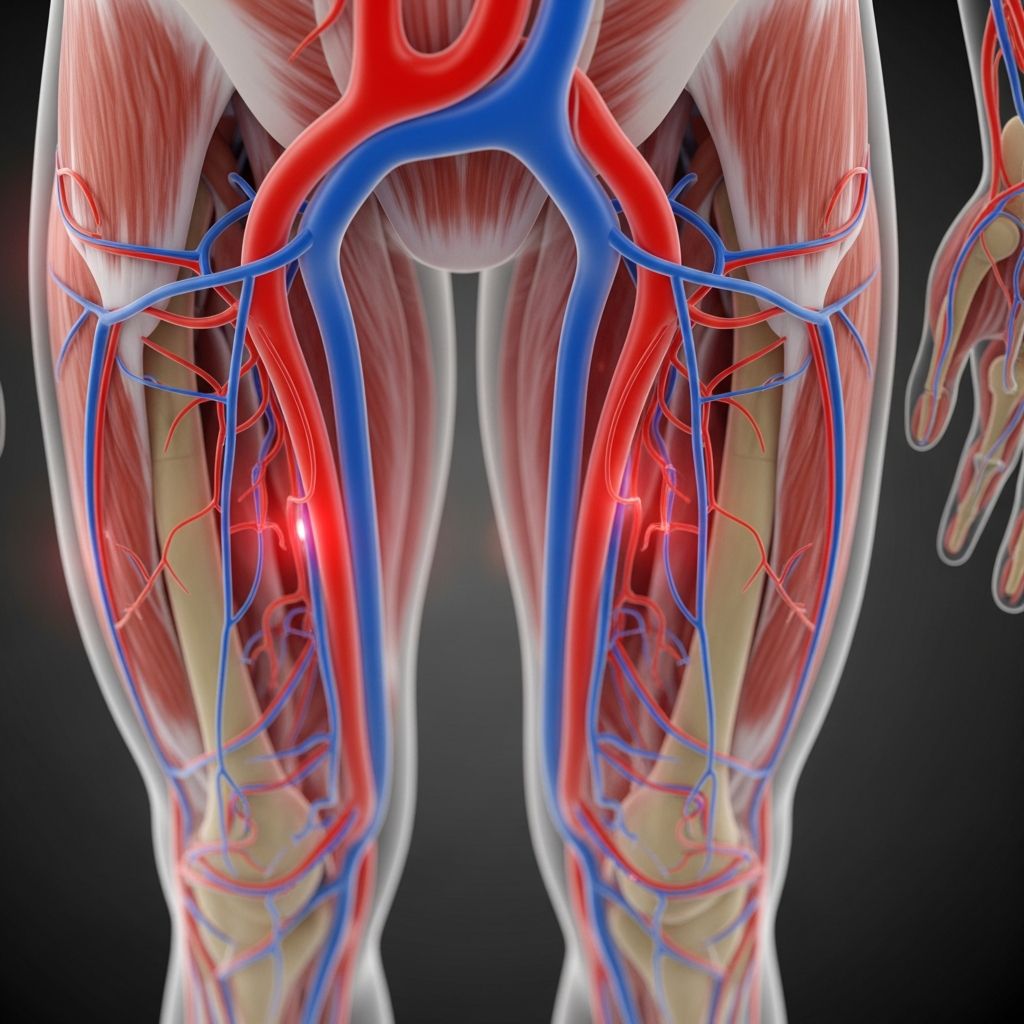
Peripheral vasodilators are medications that widen blood vessels in the outer parts of the body, such as the arms and legs, to improve blood flow. They are primarily used to manage conditions like peripheral arterial disease (PAD), intermittent claudication, hypertension, and certain cases of heart failure or angina.
What are Peripheral Vasodilators?
These drugs work by relaxing the smooth muscle in arterial walls, reducing vascular resistance and enhancing circulation to peripheral tissues. Unlike systemic vasodilators that affect the entire body, peripheral ones target extremities, making them suitable for localized issues like leg pain from PAD.
In clinical practice, peripheral vasodilators address reduced blood flow due to narrowed arteries, often caused by atherosclerosis. By dilating vessels, they alleviate symptoms such as pain during walking (intermittent claudication) and support tissue oxygenation.
How Do Peripheral Vasodilators Work?
Vasodilators act through various mechanisms to promote vessel dilation. Direct-acting types like hydralazine and minoxidil relax arteriolar smooth muscle directly, possibly via cyclic AMP mediation. Nitrates increase nitric oxide (NO) in smooth muscle cells, leading to relaxation, predominantly in veins but also arteries.
Other classes include:
- ACE Inhibitors: Block conversion of angiotensin I to II, a vasoconstrictor.
- Angiotensin Receptor Blockers (ARBs): Prevent angiotensin II receptor binding.
- Calcium Channel Blockers (CCBs): Inhibit calcium influx, reducing contractility; dihydropyridines target vessels, non-dihydropyridines affect the heart.
- Beta-Blockers (e.g., nebivolol): Some have endothelium-dependent vasodilatory effects.
These actions lower peripheral resistance, easing blood flow but potentially causing reflex tachycardia as the body compensates.
Uses of Peripheral Vasodilators
Peripheral vasodilators treat several cardiovascular conditions:
| Condition | Role of Vasodilators | Examples |
|---|---|---|
| Peripheral Arterial Disease (PAD) | Improve walking distance in intermittent claudication | Naftidrofuryl oxalate |
| Hypertension | Reduce blood pressure by vasodilation | Hydralazine, CCBs |
| Angina/Heart Failure | Decrease preload/afterload | Nitrates |
| Preeclampsia | Manage severe hypertension safely | Hydralazine, nifedipine |
| Critical Limb Ischaemia | Support if revascularization fails | Prostanoids |
In PAD, about 20% of patients progress to critical limb ischaemia despite medical therapy. Vasodilators like naftidrofuryl are NICE-recommended for claudication when appropriate.
Specific Peripheral Vasodilators in PAD
Naftidrofuryl Oxalate
NICE recommends naftidrofuryl oxalate for intermittent claudication in PAD patients suitable for vasodilator therapy. It improves pain-free walking distance by enhancing blood flow and reducing erythrocyte aggregation.
Cilostazol
Though not NICE-recommended routinely, cilostazol increases walking distance in claudication via phosphodiesterase inhibition, raising cAMP levels for vasodilation and antiplatelet effects. Its use is limited by side effects like headaches.
Pentoxifylline and Inositol Nicotinate
These are not recommended by NICE for PAD claudication due to insufficient evidence of benefit.
Prostanoids for Critical Limb Ischaemia
If revascularization fails, prostanoids (e.g., iloprost) offer minor benefits in rest pain relief and ulcer healing but no amputation reduction. Patients must weigh adverse effects.
Related Stories



Side Effects and Risks
Common side effects include:
- Reflex Tachycardia: Baroreflex response to reduced resistance.
- Hypotension: Orthostatic dizziness, weakness.
- Fluid Retention/Headaches: Especially with nitrates or minoxidil.
- Nausea: Common across classes.
In PAD, blood pressure reduction can temporarily worsen claudication. Monitor renal function with ACE inhibitors due to possible renal artery stenosis. Contraindications include pregnancy for ACEIs/ARBs.
Management in Peripheral Arterial Disease (PAD)
PAD treatment starts with risk factor control: smoking cessation, statins, antiplatelets, exercise. Beta-blockers are safe, even with LEAD.
- Antiplatelets: Aspirin, clopidogrel reduce events; clopidogrel preferred for better profile.
- Revascularization: Preferred for critical ischaemia.
- Analgesia: Paracetamol + opiates for rest pain.
Vasodilators complement but do not replace lifestyle and revascularization.
Contraindications and Precautions
Avoid in severe hypotension, recent MI (some nitrates), or glaucoma (beta-blockers). Physiotherapists note orthostatic risks during exercise rehab. In pregnancy, prefer hydralazine over ACEIs.
Frequently Asked Questions (FAQs)
Q: What is the main recommended peripheral vasodilator for PAD claudication?
A: Naftidrofuryl oxalate, per NICE guidelines, for suitable patients.
Q: Are beta-blockers safe in PAD?
A: Yes, not contraindicated; useful for co-existing heart conditions.
Q: What are common side effects of vasodilators?
A: Reflex tachycardia, hypotension, headaches, dizziness.
Q: Can vasodilators prevent amputations in critical ischaemia?
A: Prostanoids show no evidence of reducing amputations.
Q: Which vasodilators are safe in pregnancy?
A: Hydralazine and certain CCBs like nifedipine; avoid ACEIs/ARBs.
Patient Advice and Monitoring
Patients should report dizziness, swelling, or worsening pain. Regular BP checks and exercise programs enhance outcomes. Combine with supervised walking to maximize claudication improvement.
For hypertension, vasodilators pair with beta-blockers to counter tachycardia. Long-term, they reduce cardiovascular morbidity.
References
- Peripheral Arterial Disease: Symptoms and Treatment — Patient.info. 2023. https://patient.info/doctor/history-examination/peripheral-arterial-disease-pro
- Vasodilators — Physiopedia. 2024-01-15. https://www.physio-pedia.com/Vasodilators
- Vasodilators – StatPearls — NCBI Bookshelf, NIH. 2023-07-17. https://www.ncbi.nlm.nih.gov/books/NBK554423/
- Peripheral Vasodilators — Wiley Online Library. 2016. https://onlinelibrary.wiley.com/doi/10.1002/9781118975169.ch21
- Blood pressure medicines: Types and side-effects — Patient.info. 2024. https://patient.info/heart-health/high-blood-pressure-hypertension/medication
Similar Articles








Read full bio of medha deb