25 Heart-Healthy Cooking Tips For Flavorful, Nutritious Meals
Practical tips to prepare delicious meals that support cardiovascular health and reduce heart disease risk.
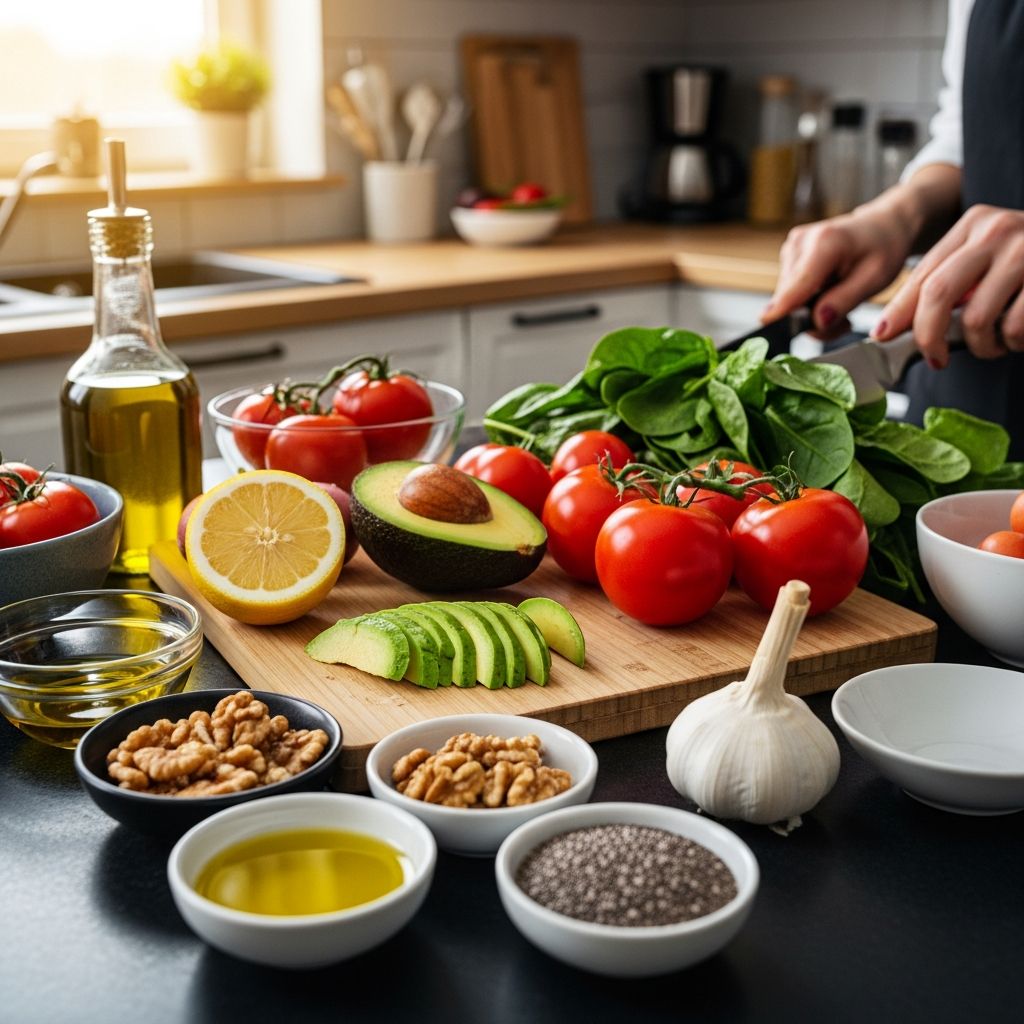
Certain foods can lower your risk of heart disease or help manage it, while others may increase your risk. Heart disease remains a leading cause of death, but lifestyle choices like diet play a crucial role in prevention. These 25 tips, drawn from expert recommendations, focus on preparing heart-healthy meals that are flavorful and nutritious. By choosing healthier fats, incorporating omega-3s, boosting fiber, limiting saturated fats and sodium, you can support cardiovascular health effectively.
Choose Healthier Types of Fat and Cooking Methods
Selecting the right types of fats and cooking techniques is foundational for heart-healthy eating. Unsaturated fats, found in oils like canola and olive, help increase good cholesterol levels while reducing bad cholesterol. Avoid trans fats and limit saturated fats to less than 10% of daily calories, as per the Dietary Guidelines for Americans.
- Use small amounts of oils, such as
canola
andolive oil
, in recipes and for sautéing to minimize calorie intake while adding flavor. - Make your own salad dressings with olive or flaxseed oil for a fresh, customizable option that’s lower in sodium and preservatives.
- Blend mashed
avocado
into dips or use small amounts to add creaminess and healthy monounsaturated fats to dishes. - Try different cooking methods like
baking
,broiling
,grilling
,steaming
, andpoaching
to add variety without added fats. For example, grill vegetables basted with olive oil and herbs for a smoky flavor.
These methods preserve nutrients and reduce the need for excess oil. Experimenting with them keeps meals exciting while protecting your heart.
Eat Foods Containing Omega-3 Fatty Acids
Omega-3 fatty acids are essential for heart health, helping to reduce inflammation and lower triglyceride levels. Aim for two servings of fatty fish weekly, as recommended by health experts. Plant-based sources provide additional benefits for vegetarians.
- Add
walnuts
to cereal, salads, or muffins. Use walnut oil in salad dressings for a nutty taste rich in alpha-linolenic acid (ALA). - Eat two 4-ounce portions of fatty fish each week, such as
salmon
,lake trout
,canned light tuna
(in water),mackerel
, andsardines
. Grill salmon with lemon and herbs for a simple, delicious meal. - Choose eggs from chickens fed high-omega-3 diets; check labels for enriched options to boost intake without extra effort.
- Incorporate other sources like flaxseeds, chia seeds, and fatty fish in family meals to promote heart health across all ages.
Regular omega-3 consumption supports better blood vessel function and may reduce arrhythmia risk.
Include Sources of Dietary Fiber Throughout the Day
Dietary fiber binds to cholesterol in the digestive system, helping remove it from the body. High-fiber foods like whole grains, fruits, and vegetables are key to lowering LDL cholesterol and improving heart health. Make half your plate fruits and vegetables at every meal.
- Include plant-based proteins such as
tempeh
,beans
,lentils
,seeds
, andnuts
for fiber and protein without saturated fats. - Opt for
whole fruits and vegetables
over 100% fruit juices to retain fiber; don’t discard edible peels on apples or potatoes after washing. - Choose
whole grains
like oats, quinoa, brown rice, and whole-grain bread instead of refined grains to increase soluble fiber intake. - Build salads with beans, fresh veggies, and whole grains for quick, fiber-packed meals.
Related Stories



Increasing fiber gradually prevents digestive discomfort and sustains fullness, aiding weight management—a key heart health factor.
Limit Saturated Fat
Saturated fats raise LDL cholesterol levels, increasing heart disease risk. Focus on lean proteins and low-fat dairy to keep intake under 10% of calories.
- Select
lean cuts
of beef and pork with “loin” or “round” in the name; drain fat from cooked ground meat. - Cut back on processed meats like
hot dogs
,salami
, andbacon
, which are high in saturated fat and sodium. - Refrigerate stews or soups and skim off hardened fat before reheating.
- Replace higher-fat cheeses with
reduced-fat feta
orpart-skim mozzarella
. - Thicken sauces with
evaporated fat-free milk
instead of whole milk. - Transition to lower-fat dairy: start with 2%, then 1%, and fat-free milk and yogurt.
- Choose
skinless poultry
or remove skin before cooking. - Read
Nutrition Facts labels
for saturated fat, trans fat, and partially hydrogenated oils; limit foods like cakes and donuts.
These swaps maintain taste while significantly cutting saturated fat. For cookouts, opt for lean turkey burgers or grilled tofu.
Reduce Salt (Sodium)
High sodium intake raises blood pressure, a major heart disease risk. Most sodium comes from processed foods, so home cooking gives control. Aim for less than 2,300 mg daily, ideally 1,500 mg for those with hypertension.
- Prepare foods at home to control salt; cut at least half from recipes without losing flavor.
- Skip table salt and high-sodium condiments like
soy sauce
,ketchup
,pickles
, andolives
. - Choose
reduced-sodium
orno-salt-added
canned soups and vegetables; rinse canned beans to cut sodium. - Check
Nutrition Facts
for sodium and select lower options. - Season with
herbs
,spices
,garlic
,onions
,peppers
,lemon
, orlime juice
for bold flavors.
Flavor enhancers like these make low-sodium meals enjoyable. Combine with physical activity for comprehensive heart protection.
Heart-Healthy Meal Ideas
Put these tips into practice with simple recipes:
- Black Bean Salad: Mix rinsed black beans, chopped veggies, avocado, and lime vinaigrette—no stove needed.
- Grilled Salmon: Season with herbs, grill, serve with quinoa and steamed broccoli.
- Caprese Salad: Tomatoes, mozzarella, basil, olive oil drizzle.
- Slow Cooker Roast: Lean beef or pork with veggies; use leftovers for tacos.
| Meal Type | Key Tips Used | Benefits |
|---|---|---|
| Salad | Healthy fats, fiber, low sodium | Quick, nutrient-dense |
| Grilled Fish | Omega-3s, lean protein | Reduces inflammation |
| Slow Cooker | Lean meats, skim fat | Meal prep convenience |
Frequently Asked Questions (FAQs)
Can I still enjoy flavorful meals on a heart-healthy diet?
Yes, use herbs, spices, citrus, and healthy fats like olive oil and avocado to enhance taste without salt or saturated fats.
How much fatty fish should I eat weekly?
Aim for two 4-ounce servings, such as salmon or tuna, to meet omega-3 needs.
What’s the best way to reduce sodium in canned foods?
Choose no-salt-added versions and rinse beans or veggies to remove up to 40% of sodium.
Are eggs heart-healthy?
Omega-3 enriched eggs are beneficial in moderation; limit to fit your cholesterol plan.
How do I transition to lower-fat dairy?
Start with 2% milk/yogurt, gradually move to 1% and fat-free to adjust taste.
Find a Nutrition Expert
For personalized advice, consult a registered dietitian nutritionist through the Academy of Nutrition and Dietetics’ network. They provide credible guidance on heart-healthy eating.
References
- 25 Heart-Healthy Eating Tips — Academy of Nutrition and Dietetics. 2023. https://www.eatright.org/health/health-conditions/cardiovascular-health-heart-disease-hypertension/heart-healthy-cooking-tips
- Prepare Heart-Healthy Foods for Your Family — Academy of Nutrition and Dietetics. 2023. https://www.eatright.org/food/food-preparation/cooking-tips/prepare-heart-healthy-foods-for-your-family
- Tips for a Healthy Cookout — Academy of Nutrition and Dietetics. 2023. https://www.eatright.org/food/food-preparation/cooking-tips/tips-for-a-healthy-cookout
- 5 Quick and Healthy Meals without Using the Stove — Academy of Nutrition and Dietetics. 2023. https://www.eatright.org/food/food-preparation/cooking-tips/5-quick-and-healthy-meals-without-using-the-stove
- Heart Health for Women — Academy of Nutrition and Dietetics. 2023. https://www.eatright.org/health/health-conditions/cardiovascular-health-heart-disease-hypertension/heart-health-for-women
Similar Articles








Read full bio of medha deb