Heart-Healthy Diet Plan: 6 Simple Principles For Beginners
Simple, beginner-friendly guide to a heart-healthy diet with meal plans, tips, and recipes to reduce heart disease risk.
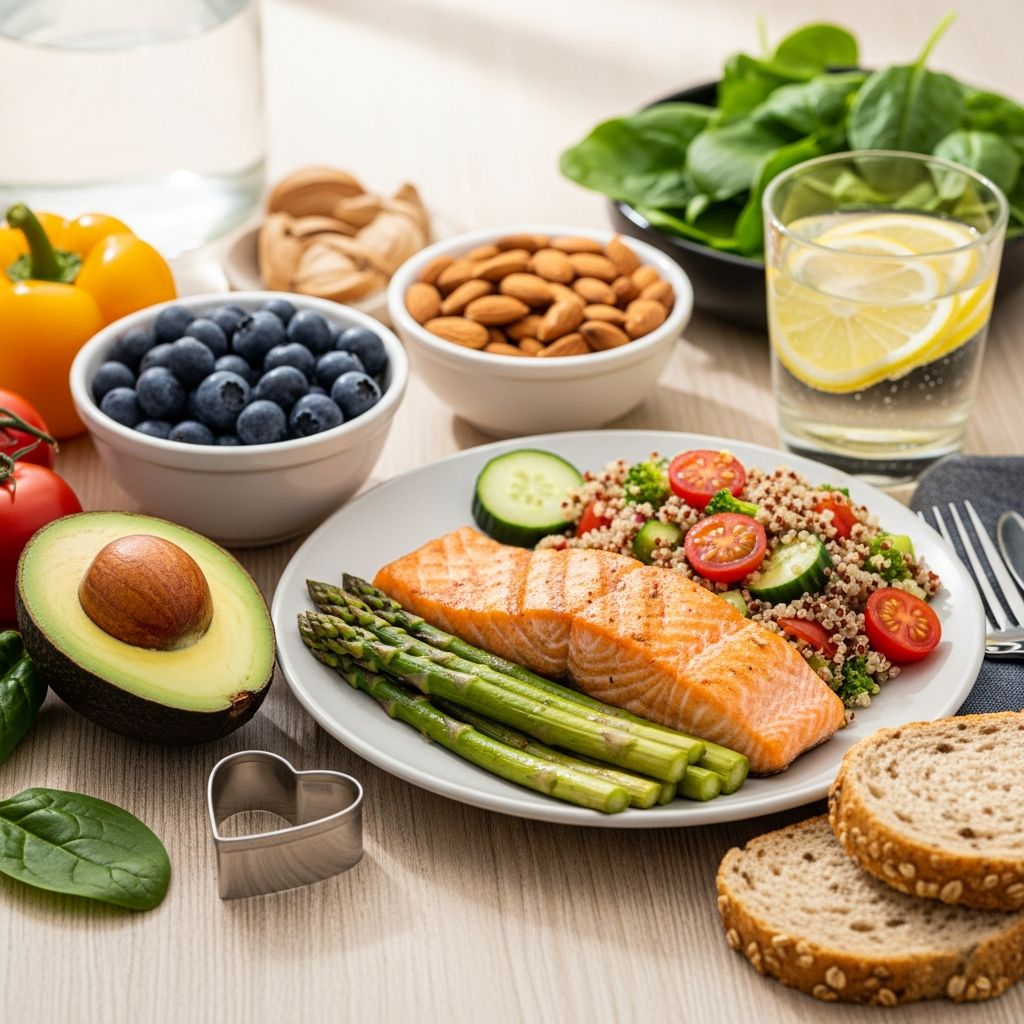
A heart-healthy diet emphasizes nutrient-dense foods like fruits, vegetables, whole grains, lean proteins, and healthy fats to reduce the risk of heart disease, lower cholesterol, and manage blood pressure. This beginner-friendly plan draws from established patterns like those recommended by the Heart Foundation, focusing on sustainable changes for long-term cardiovascular health.
What Is a Heart-Healthy Diet?
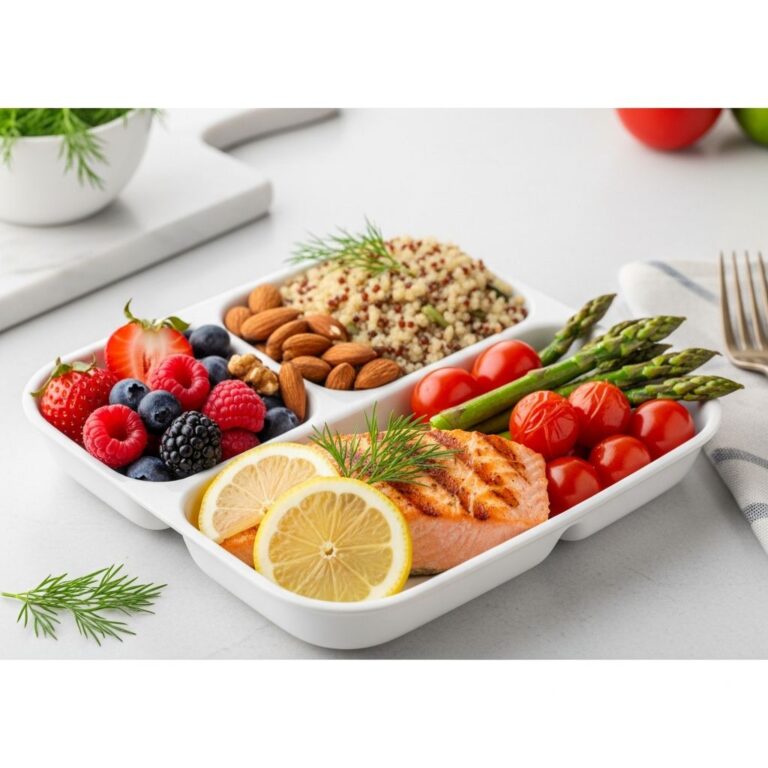
A heart-healthy diet prioritizes whole foods rich in fiber, vitamins, minerals, and omega-3s while limiting saturated fats, sodium, and added sugars. According to the Heart Foundation, it includes plenty of vegetables, fruits, wholegrains, healthy proteins like legumes and fish, and healthy fats from sources like olive oil and nuts. These choices help lower high blood pressure and cholesterol levels, key risk factors for heart disease.
Similar to the DASH (Dietary Approaches to Stop Hypertension) and Mediterranean diets, this eating pattern promotes plant-based foods, fatty fish at least twice weekly, moderate dairy, and minimal red meat. Small, consistent changes—such as filling half your plate with vegetables—yield significant benefits without restrictive rules.
6 Principles of a Heart-Healthy Diet
Follow these evidence-based principles to build heart-protective meals:
- Eat plenty of vegetables and fruits: Aim for 5+ vegetable servings and 3+ fruit servings daily. These provide fiber, antioxidants, and nutrients that reduce heart attack and stroke risk. One serving is ½ cup cooked veggies or 1 cup leafy greens.
- Choose whole grains: Opt for brown rice, oats, wholemeal bread, and quinoa. Their soluble and insoluble fiber lowers cholesterol and stabilizes blood sugar.
- Include healthy proteins: Prioritize plant sources like beans, lentils, nuts, seeds (¾ cup cooked legumes per serving), fish/seafood 2-3 times weekly for omega-3s, and limit red meat to 1-3 times weekly.
- Select healthy fats: Use extra virgin olive oil, avocados, nuts, and seeds daily. These monounsaturated fats improve cholesterol profiles. Include fatty fish like salmon for additional heart benefits.
- Choose low-fat dairy: Unflavored milk, yogurt, and cheese provide calcium and protein without excess saturated fat. Opt for reduced-fat if you have high cholesterol.
- Limit unhealthy extras: Reduce salt, added sugars, and processed foods to manage blood pressure and triglycerides.
Heart-Healthy Foods to Eat
Stock up on these staples for effortless meal prep:
- Vegetables: Leafy greens (spinach, kale), broccoli, peppers, tomatoes, carrots—aim for variety and color.
- Fruits: Berries, apples, citrus, melons—fresh or frozen.
- Whole grains: Oats, quinoa, brown rice, whole-wheat pasta, barley.
- Proteins: Salmon, tuna, lentils, chickpeas, tofu, eggs, skinless chicken, nuts/seeds.
- Healthy fats: Olive oil, avocados, almonds, walnuts, chia seeds.
- Dairy: Plain Greek yogurt, low-fat milk, cottage cheese.
Foods to Limit or Avoid
To protect your heart, minimize:
- Saturated and trans fats: Fatty meats, butter, full-fat dairy, fried foods.
- Sodium: Processed meats, canned soups, fast food—aim under 2,300 mg daily.
- Added sugars: Sodas, candies, sweetened cereals.
- Refined grains: White bread, pastries.
- Red and processed meats: Bacon, sausages, limit to occasional use.
7-Day Heart-Healthy Meal Plan
This 1,500-1,800 calorie plan (adjustable) meets nutrient needs while staying delicious and simple. Mix and match for variety; portions support weight management if needed. Daily structure: breakfast, snack, lunch, snack, dinner.
| Day | Breakfast | A.M. Snack | Lunch | P.M. Snack | Dinner | Total Calories (Approx.) |
|---|---|---|---|---|---|---|
| Monday | Oatmeal with berries & Greek yogurt (350 cal) | Apple + handful almonds (200 cal) | Grilled chicken salad with olive oil dressing (450 cal) | Carrots & hummus (150 cal) | Baked salmon, quinoa, broccoli (500 cal) | 1,650 |
| Tuesday | Whole-grain toast with avocado & egg (350 cal) | Greek yogurt with chia seeds (180 cal) | Lentil soup & mixed greens (400 cal) | Pear & walnuts (200 cal) | Turkey stir-fry with veggies & brown rice (500 cal) | 1,630 |
| Wednesday | Smoothie: spinach, banana, yogurt, flaxseeds (320 cal) | Cottage cheese & cherry tomatoes (150 cal) | Tuna salad wrap in whole-wheat tortilla (450 cal) | Celery & peanut butter (180 cal) | Grilled tofu, sweet potato, asparagus (520 cal) | 1,620 |
| Thursday | Greek yogurt parfait with granola & fruit (360 cal) | Orange + pistachios (200 cal) | Chickpea salad with feta & veggies (420 cal) | Bell pepper slices & hummus (160 cal) | Baked cod, barley, green beans (500 cal) | 1,640 |
| Friday | Whole-grain cereal with milk & berries (340 cal) | Handful mixed nuts (190 cal) | Quinoa bowl with black beans & avocado (460 cal) | Yogurt & cucumber (140 cal) | Chicken breast, couscous, zucchini (510 cal) | 1,640 |
| Saturday | Oatmeal with apple & walnuts (350 cal) | Carrot sticks & tzatziki (170 cal) | Salmon salad with olive oil (450 cal) | Banana (100 cal) | Vegetable stir-fry with tofu & rice (520 cal) | 1,590 |
| Sunday | Egg whites on whole-grain toast with spinach (330 cal) | Berries & almonds (210 cal) | Turkey & veggie wrap (430 cal) | Hummus & snap peas (160 cal) | Grilled fish, wild rice, kale (500 cal) | 1,630 |
Related Stories



Notes: Recipes inspired by test-kitchen standards; swap within categories to maintain calories. Drink water, herbal tea; add herbs/spices for flavor.
Sample Recipes
Baked Salmon with Quinoa and Broccoli
Ingredients (serves 1): 4 oz salmon fillet, ½ cup quinoa (dry), 1 cup broccoli, 1 tsp olive oil, lemon, herbs.
- Preheat oven to 400°F. Rub salmon with oil, lemon, salt-free seasoning; bake 12-15 min.
- Cook quinoa per package; steam broccoli.
- Serve together. Nutrition: ~500 cal, high in omega-3s.
Lentil Soup
Ingredients (serves 2): 1 cup lentils, 2 carrots, 1 onion, 4 cups low-sodium broth, garlic, cumin.
- Sauté veggies; add lentils, broth, spices. Simmer 25 min.
- Blend partially. Nutrition: Fiber-rich, cholesterol-lowering.
Heart-Healthy Grocery List
Weekly shopping for the plan (serves 1; scale up):
- Produce: 5 cups greens, 2 bunches broccoli, 1 lb carrots, 2 bell peppers, 2 apples, 2 pears, berries, bananas, lemons, garlic, onions.
- Proteins: 1 lb salmon/cod, ½ lb chicken/turkey, 1 can lentils/chickpeas, eggs, tofu.
- Grains: Oats, quinoa, brown rice, whole-wheat bread/tortillas.
- Dairy: Greek yogurt, low-fat cottage cheese, milk.
- Fats: Olive oil, avocados, nuts (almonds, walnuts), hummus.
- Other: Herbs, low-sodium broth, spices.
Tips for Success
- Fill half your plate with veggies at every meal.
- Use olive oil for cooking/dressings; aim for 2-3 fish meals weekly.
- Read labels: Choose <5g sugar, <140mg sodium per serving.
- Plan ahead: Prep meals Sunday for the week.
- Stay hydrated; limit alcohol to 1 drink/day women, 2 men.
- Combine with 150 min weekly exercise for optimal heart health.
Common Mistakes to Avoid
- Over-relying on processed ‘healthy’ foods: Stick to whole foods.
- Skipping fats: Healthy ones are essential; don’t fear them.
- Ignoring portions: Even heart-healthy foods add up.
- Forgetting variety: Rotate colors/foods for broad nutrients.
Frequently Asked Questions (FAQs)
Can beginners really follow a heart-healthy diet?
Yes, start with small swaps like olive oil for butter and more veggies. Sustainable changes beat fad diets.
How many calories for heart health?
1,200-2,200 based on needs; this plan targets 1,500-1,800 for most adults.
Does it help lose weight?
Fiber and protein promote satiety; paired with activity, yes—e.g., 500 cal deficit for 1 lb/week loss.
Vegetarian options?
Absolutely: Emphasize legumes, tofu, nuts; sample plan includes many.
How soon do benefits show?
Blood pressure may drop in weeks; cholesterol in months with consistency.
References
- Heart healthy eating pattern — Heart Foundation. 2023. https://www.heartfoundation.org.au/healthy-living/healthy-eating/heart-healthy-eating-pattern
- Eating Well for Heart Health Meal Plan — ARUP Laboratories (EatingWell-inspired). 2022. https://www.aruplab.com/files/images/wellness/MealPlan_1500_calorie.pdf
- Eating well for a healthy heart — Health e-University (University of Calgary). 2023. https://www.healtheuniversity.ca/EN/CardiacCollege/Documents/eating_well-eng.pdf
Similar Articles








Read full bio of medha deb