Heart-Healthy Foods: What to Eat and What to Avoid
Discover essential dietary choices to support cardiovascular health and reduce heart disease risk.
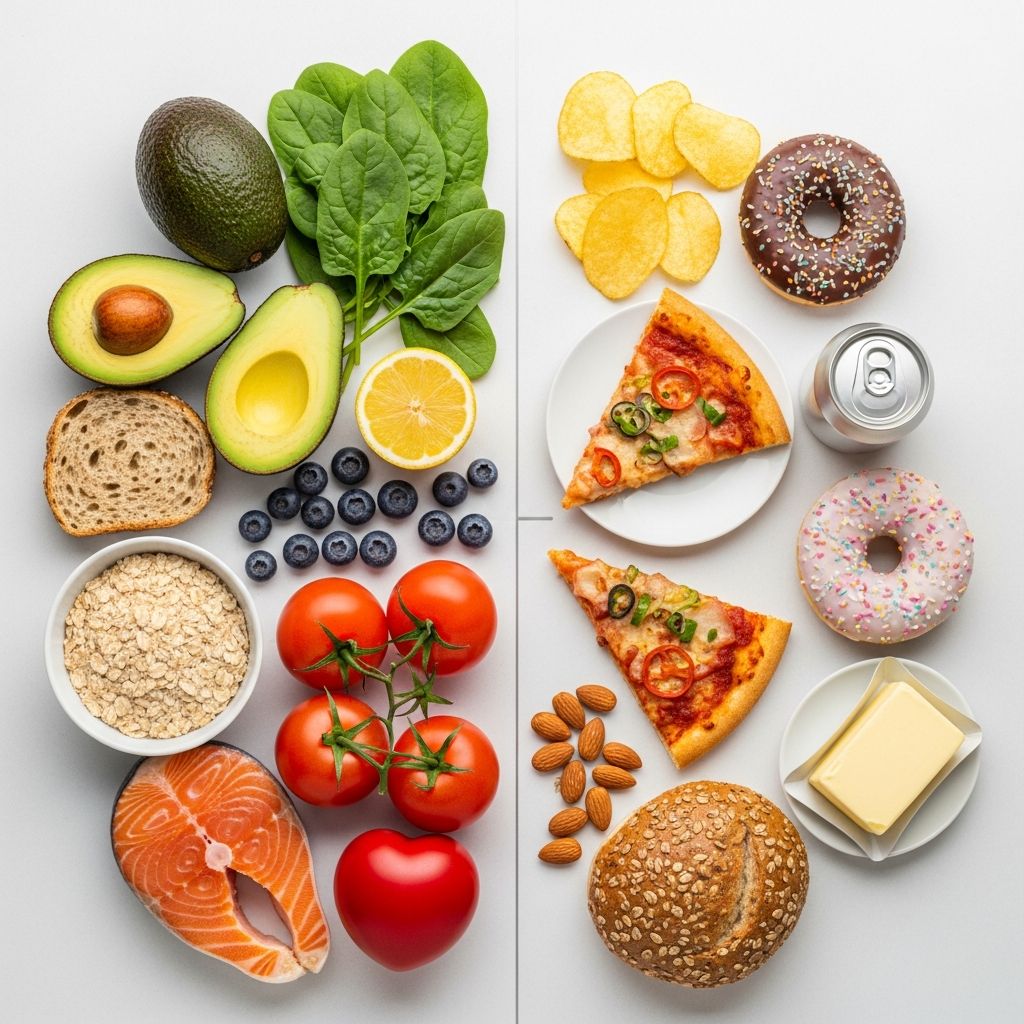
Your dietary choices have a profound impact on your cardiovascular health. Heart disease remains one of the leading causes of death worldwide, yet many cases can be prevented through smart food choices and lifestyle modifications. Understanding which foods support heart health and which ones work against it is essential for anyone looking to reduce their risk of cardiovascular disease, manage existing conditions, or simply feel better. This comprehensive guide explores the evidence-based recommendations for heart-healthy eating, helping you make informed decisions at every meal.
The Foundation of Heart-Healthy Eating
A heart-healthy diet focuses on whole foods and balanced nutrition patterns that have been scientifically proven to reduce cardiovascular disease risk. The fundamental principle involves choosing foods that support healthy cholesterol levels, maintain optimal blood pressure, and keep your arteries clear and flexible. Rather than following restrictive fad diets, heart-healthy eating emphasizes variety, balance, and the quality of foods you consume.
According to major cardiovascular health organizations, the best dietary patterns for heart health contain primarily fruits and vegetables, whole grains, healthy protein sources, and healthy oils, while limiting processed foods, added sugars, and excess sodium. This approach isn’t about deprivation—it’s about making intentional choices that nourish your body and protect your heart.
Foods to Eat for Heart Health
Fruits and Vegetables: Aim for Color and Variety
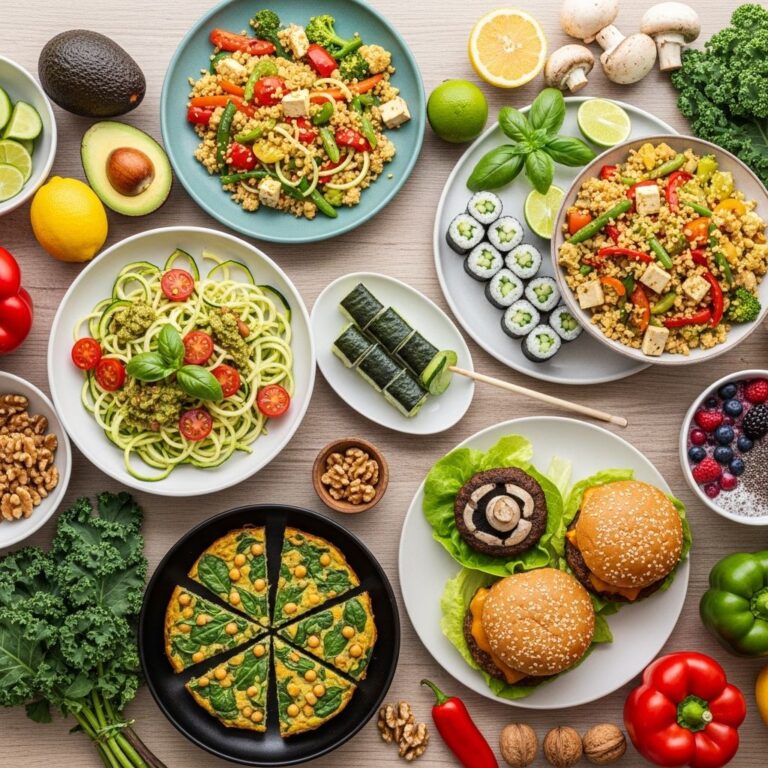
Fruits and vegetables are nutritional powerhouses that should form the foundation of any heart-healthy diet. These foods are rich in fiber, vitamins, minerals, and phytonutrients—compounds that have protective effects against cardiovascular disease. Aim to fill half your plate with fruits and vegetables at each meal, and prioritize eating a wide variety of colors.
Deeply colored fruits and vegetables, including leafy greens like spinach and kale, berries, tomatoes, and orange-colored produce such as sweet potatoes and carrots, tend to be particularly nutrient-dense. Each color family offers unique benefits: dark leafy greens provide magnesium and potassium, red and orange vegetables contain lycopene and beta-carotene, and blue and purple fruits are rich in anthocyanins.
The good news is that all forms of fruits and vegetables count toward your heart-healthy diet. Fresh, frozen, canned, and dried varieties all provide valuable nutrients. Frozen and canned options often have longer shelf lives, require no preparation, and can be equally nutritious or sometimes even more nutrient-dense than fresh produce since they’re preserved at peak ripeness. When choosing canned or frozen vegetables, opt for varieties with minimal added sodium and sugar.
Whole Grains: Choose Intact and Unrefined
Whole grains are dramatically different from refined grains in their nutritional value and effects on cardiovascular health. Whole grains contain the intact starchy endosperm, germ, and bran, making them excellent sources of fiber, B vitamins, and minerals. This fiber content is particularly important for heart health, as it helps lower cholesterol, regulate blood sugar, and support healthy digestion.
When shopping for grain products, look for items made with at least 51% whole grains, which qualifies them as whole grain foods. Excellent choices include whole wheat, barley, wheat berries, quinoa, oats, and brown rice. These can be enjoyed as whole grain bread, whole wheat pasta, oatmeal, and other grain-based products. Research shows that replacing refined grains with whole grains is associated with lower cardiovascular disease risk and improved cardiovascular risk factors in clinical trials.
Related Stories



Avoid refined grains like white bread, white rice, and pastries made with enriched flour. These products have been stripped of their fiber and many nutrients, leaving them to cause rapid spikes in blood sugar and insulin—both risk factors for heart disease.
Protein: Emphasize Plant-Based and Fish Sources
Protein is essential for building and maintaining muscle, but the source of your protein matters significantly for heart health. The healthiest approach involves prioritizing plant-based proteins while limiting red meat and avoiding processed meats entirely.
Plant-Based Proteins: Legumes including beans, lentils, and chickpeas are among the most heart-protective foods you can eat. Research shows that higher legume intake is associated with lower cardiovascular disease risk. Nuts and seeds are equally impressive, with studies demonstrating that higher nut consumption correlates with lower risk of heart disease, coronary heart disease, and stroke mortality. These foods provide protein, healthy fats, fiber, and numerous protective compounds with minimal saturated fat.
Fish and Seafood: Eating fish at least twice weekly provides substantial cardiovascular benefits, primarily due to omega-3 fatty acids that help reduce inflammation and support heart health. Fatty fish like salmon, mackerel, sardines, and herring are particularly beneficial. However, preparation method matters—fried fish doesn’t provide the same protective benefits as baked, grilled, or steamed preparations. When you eat fish instead of red meat or full-fat dairy products, you gain additional cardiovascular advantages through substitution.
Dairy Products: Choose low-fat or fat-free dairy products instead of full-fat versions. If you enjoy milk, yogurt, or cheese, selecting lower-fat options reduces your intake of saturated fat and cholesterol while preserving the beneficial nutrients these foods provide.
Meat and Poultry: If you choose to eat meat or poultry, select lean cuts and avoid processed forms. Processed meats like bacon, sausage, and deli meats contain high levels of sodium and preservatives linked to increased heart disease risk. Lean cuts of beef or pork, prepared without added fats, can be part of a heart-healthy diet in moderation.
Healthy Oils: Choose Liquid Plant Oils
The type of fat you consume profoundly influences your cardiovascular health. Replace tropical oils (coconut, palm, and palm kernel oil), animal fats (butter and lard), and partially hydrogenated fats with liquid plant oils. Excellent choices include olive oil, canola oil, soy oil, corn oil, sunflower oil, and peanut oil.
These liquid plant oils contain monounsaturated and polyunsaturated fats that help lower cholesterol and reduce cardiovascular disease risk. Olive oil, particularly extra virgin varieties, offers additional protective compounds called polyphenols. Use these oils for cooking, salad dressings, and food preparation. Remember that while these oils are healthier than saturated fats, they’re still calorie-dense, so use them in moderation as part of a balanced diet.
Minimally Processed Foods
Ultra-processed foods typically contain high levels of sodium, added sugars, unhealthy fats, and chemical additives while being low in fiber and nutrients. Choosing minimally processed foods whenever possible supports better heart health. When you prepare meals from whole ingredients, you control the salt, sugar, and fat content.
Foods and Beverages to Limit or Avoid
Added Sugars and Sugary Beverages
Excess sugar consumption significantly increases cardiovascular disease risk through multiple mechanisms: promoting weight gain, increasing triglycerides, raising blood pressure, and contributing to inflammation. Beverages with added sugars—including regular soda, sweetened coffee drinks, energy drinks, and sports drinks—are particularly problematic because liquid calories don’t trigger the same satiety signals as solid food, making it easy to consume excessive amounts.
Limit or eliminate these beverages from your diet. Even seemingly healthier options like fruit juice, while containing some nutrients, should be consumed in moderation—aim for no more than a small glass daily—due to their concentrated sugar content.
Sodium and Salt
Excess sodium raises blood pressure, a major cardiovascular disease risk factor. Most dietary sodium comes from processed and restaurant foods rather than the salt shaker at home. Read nutrition labels carefully and choose products with lower sodium content. When preparing meals at home, use herbs, spices, and other flavorings instead of salt to season your food.
Saturated and Trans Fats
Saturated fats and especially trans fats raise LDL cholesterol levels and increase cardiovascular disease risk. Trans fats, found in partially hydrogenated oils, are particularly harmful and should be avoided entirely. Limit saturated fats from full-fat dairy products, fatty cuts of meat, and tropical oils to less than 5-6% of your daily calories. Replace these fats with healthier unsaturated options.
Processed and Red Meats
Processed meats like bacon, sausage, hot dogs, and deli meats contain high levels of sodium and preservatives and have been linked to increased heart disease and stroke risk. Red meat consumption, particularly in large amounts, is associated with elevated cardiovascular disease risk. If you eat meat, choose lean cuts prepared without added fats, and limit portion sizes.
Building Heart-Healthy Meals: Practical Strategies
The Healthy Eating Plate Model
A practical framework for building heart-healthy meals divides your plate into sections:
Vegetables and Fruits (½ your plate): Fill half your plate with vegetables and fruits. Choose a variety of colors and types. Remember that potatoes and French fries don’t count as vegetables due to their negative effects on blood sugar.
Whole Grains (¼ your plate): One quarter of your plate should contain whole grains—foods like whole wheat bread, brown rice, oats, quinoa, or whole wheat pasta.
Protein (¼ your plate): One quarter of your plate should contain healthy protein sources: fish, poultry, beans, nuts, or legumes. These can be mixed into salads or paired with vegetables.
Healthy Oils (in moderation): Use healthy vegetable oils for cooking and preparing food. Avoid trans fats and limit saturated fats.
Beverages: Drink water as your primary beverage. Coffee and tea (without added sugar) can also be part of a healthy diet. Limit milk and dairy to one or two servings daily, and limit juice to a small glass daily.
Weight Management and Physical Activity
Maintaining a healthy weight is crucial for cardiovascular health. Adjust your calorie intake and expenditure to achieve and maintain a healthy body weight through balanced eating and regular physical activity. Adults should aim for at least 2.5 hours of moderate-intensity or 75 minutes of vigorous-intensity aerobic activity weekly. Additionally, stay active throughout your day—the sedentary lifestyle common in modern society significantly increases cardiovascular disease risk.
Special Dietary Considerations
Alcohol Consumption
If you don’t currently drink alcohol, there’s no need to start for heart health. If you choose to drink alcohol, limit your intake to moderate amounts: up to one drink daily for women and up to two drinks daily for men. Excessive alcohol consumption increases cardiovascular disease risk.
Evidence-Based Dietary Patterns
Several well-researched dietary patterns support cardiovascular health:
Mediterranean Diet: This pattern emphasizes olive oil, fish, legumes, vegetables, whole grains, and nuts while limiting red meat and processed foods. Extensive research supports its cardiovascular benefits.
Dietary Approaches to Stop Hypertension (DASH): The DASH diet focuses on vegetables, fruits, whole grains, lean proteins, and low-fat dairy while limiting saturated fat, cholesterol, added sugars, and sodium. Clinical trials show it effectively lowers blood pressure and cholesterol.
Plant-Based Patterns: Vegetarian and vegan diets, when well-planned to ensure adequate nutrients, provide cardiovascular benefits through their emphasis on plant foods and elimination or reduction of animal products.
Frequently Asked Questions
Q: Can I still enjoy foods I love on a heart-healthy diet?
A: Absolutely. The goal isn’t elimination but moderation and smart substitution. You can enjoy most foods occasionally while building your diet primarily around heart-healthy options. Focus on making incremental changes rather than perfect adherence.
Q: How quickly will dietary changes improve my heart health?
A: Some improvements happen quickly—studies show that dietary changes can lower cholesterol within weeks and improve blood pressure within days. However, significant cardiovascular benefits typically develop over months and years of consistent healthy eating.
Q: Do I need expensive health foods for a heart-healthy diet?
A: No. Basic whole foods like dried beans, frozen vegetables, brown rice, and canned fish are affordable, nutritious, and heart-healthy. Frozen and canned options are often cheaper than fresh while providing comparable nutrition.
Q: What’s more important—diet or exercise—for heart health?
A: Both are essential and work synergistically. Diet controls risk factors like cholesterol and blood pressure, while exercise strengthens the heart and supports weight management. Optimal cardiovascular health requires attention to both.
Q: Should I follow a specific diet plan or can I create my own?
A: You can create your own heart-healthy diet by following the principles outlined here: emphasize whole foods, include plenty of vegetables and fruits, choose whole grains and healthy proteins, use healthy oils, and limit processed foods and sodium. Alternatively, established patterns like Mediterranean or DASH diets provide structured frameworks.
Q: How does a heart-healthy diet affect cholesterol levels?
A: Heart-healthy eating lowers LDL (bad) cholesterol and typically raises HDL (good) cholesterol. Reducing saturated fat, increasing fiber through whole grains and plants, and replacing unhealthy fats with healthy oils are particularly effective for cholesterol management.
Making the Transition to Heart-Healthy Eating
Changing your eating habits is a process that works best when approached gradually. Start by identifying one or two dietary changes you can implement immediately—perhaps adding an extra serving of vegetables daily or switching from white rice to brown rice. Once these changes feel natural, add additional modifications.
Stock your kitchen with heart-healthy staples: olive oil, whole grain bread, legumes, nuts, fresh and frozen vegetables, and herbs and spices for flavor. When dining out, review menus in advance and make conscious choices. At the grocery store, shop the perimeter where whole foods are typically located, and read nutrition labels carefully.
Remember that heart-healthy eating isn’t about perfection—it’s about making consistently better choices that support your long-term cardiovascular health and overall wellbeing. Every meal is an opportunity to nourish your heart and reduce your disease risk. By understanding which foods to emphasize and which to limit, you take control of one of the most powerful tools available for protecting your heart health.
References
- 2021 Dietary Guidance to Improve Cardiovascular Health and Reduce Cardiovascular Disease Risk — American Heart Association. 2021-06-28. https://www.ahajournals.org/doi/10.1161/cir.0000000000001031
- Healthy Eating Plate — The Nutrition Source, Harvard School of Public Health. 2024. https://nutritionsource.hsph.harvard.edu/healthy-eating-plate/
- Life’s Essential 8 — American Heart Association. 2024. https://www.heart.org/en/healthy-living/healthy-lifestyle/lifes-essential-8
Similar Articles








Read full bio of medha deb