Heart-Healthy Meal Plans: 7-Day 1800-Calorie Menus
Delicious, expert-designed meal plans to support heart health, manage weight, and promote long-term wellness.
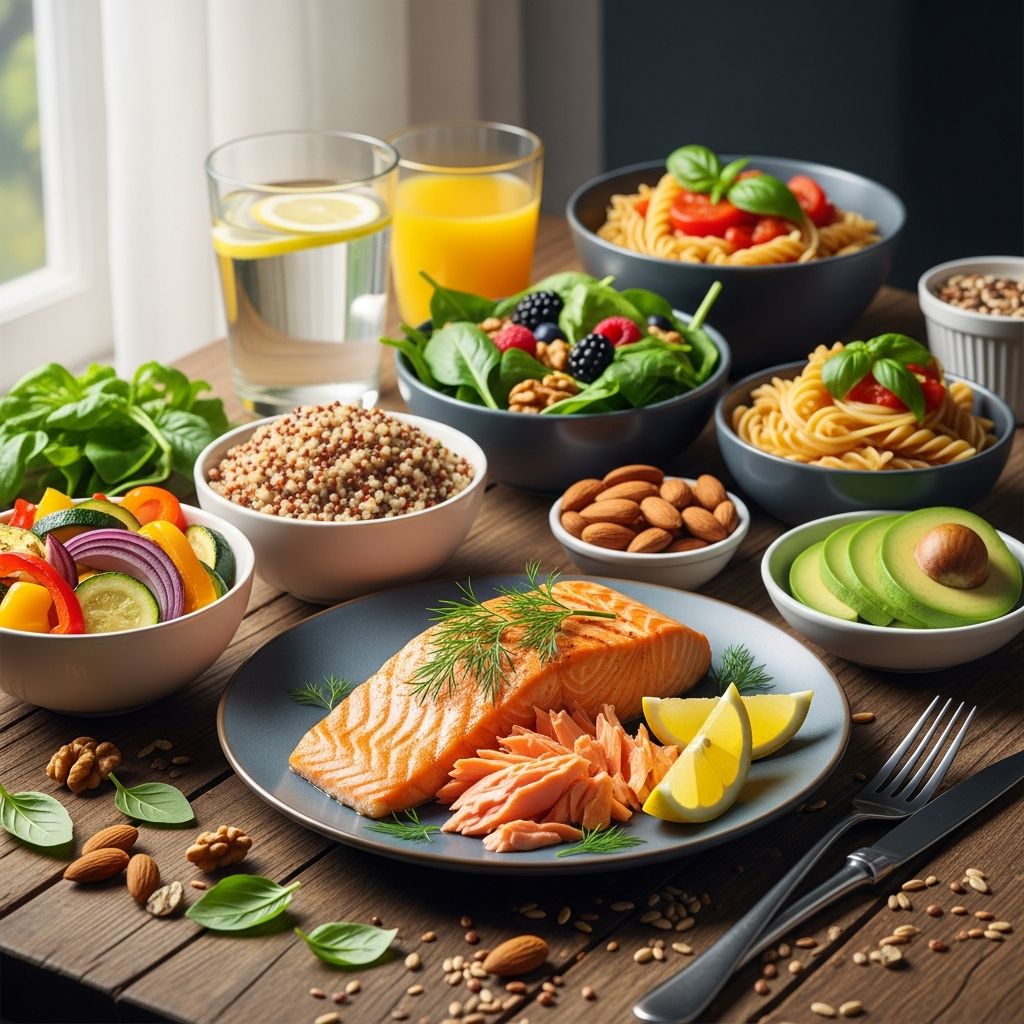
Heart-healthy meal plans make it easy to eat for cardiovascular wellness without sacrificing flavor or convenience. Developed by registered dietitians and test kitchen experts, these
1800-calorie plans
emphasize nutrient-dense foods like fruits, vegetables, whole grains, lean proteins, and healthy fats. They align with evidence-based patterns such as the Mediterranean and DASH diets, proven to reduce heart disease risk by lowering cholesterol, blood pressure, and inflammation.Why Choose Heart-Healthy Meal Plans?
These plans meet rigorous standards for taste, nutrition, and practicality. They target calorie levels suitable for weight management while delivering balanced macronutrients: high fiber for satiety, low sodium for blood pressure control, and omega-3s from fish for heart rhythm support. Flexibility is key—swap meals within categories (e.g., any breakfast for another) to keep calories consistent and suit preferences.
Benefits include sustained energy, improved lipid profiles, and reduced risk of heart attack or stroke. Studies show Mediterranean-style eating, rich in plant foods and olive oil, cuts cardiovascular events by up to 30%. Similarly, DASH emphasizes low-sodium whole foods to lower hypertension risk.
Key Principles of Heart-Healthy Eating
Build meals around these core elements, drawn from authoritative guidelines:
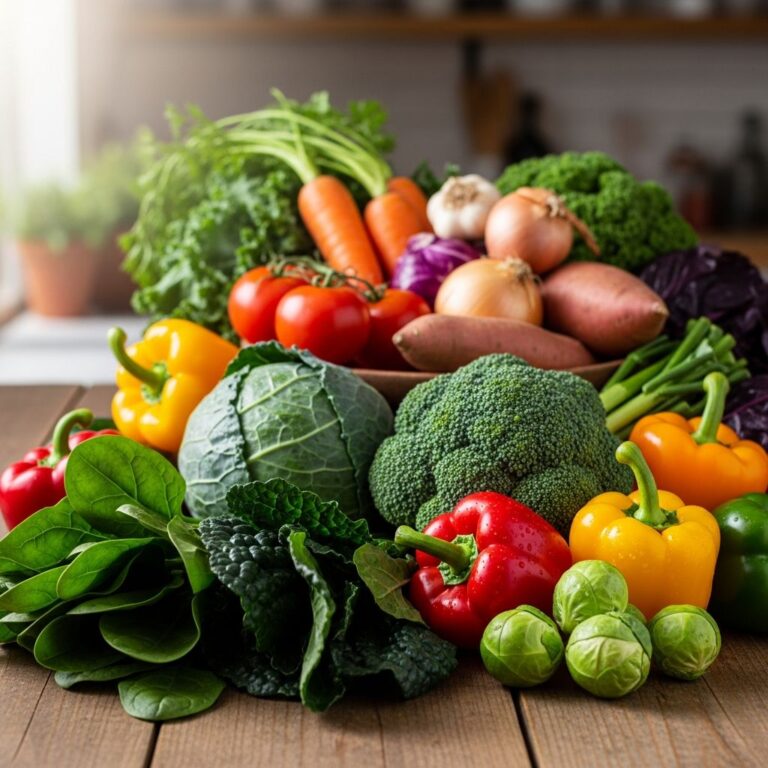
- Plenty of fruits and vegetables: Aim for 5+ vegetable servings and 3+ fruits daily. These provide vitamins, minerals, fiber, and antioxidants that protect arteries and reduce oxidative stress.
- Whole grains regularly: Choose oats, brown rice, quinoa, and whole-wheat breads for soluble fiber that lowers LDL cholesterol and stabilizes blood sugar.
- Healthy proteins: Prioritize legumes (beans, lentils), nuts, seeds, fish (2-3 times weekly for omega-3s), and moderate lean poultry. Limit red meat to 1-3 times weekly.
- Healthy fats: Use extra virgin olive oil, avocados, nuts, and seeds. Avoid trans fats and limit saturated fats.
- Low sodium and added sugars: Opt for no-salt-added items; flavor with herbs, lemon, and vinegar.
- Dairy in moderation: Select low-fat or fat-free options like Greek yogurt and skim milk for calcium without excess fat.
Sample 7-Day 1800-Calorie Heart-Healthy Meal Plan
This plan totals ~1800 calories daily, with breakfast (~380-400 cal), lunch (~500-600 cal), dinner (~500-600 cal), and snacks (~200-300 cal). All recipes are simple, using whole ingredients. Customize by mixing meals.
Day 1
- Breakfast (380 cal): 2 oat waffles (139 cal), 1½ cups strawberries (80 cal), 6 oz nonfat plain Greek yogurt (100 cal), ½ cup orange juice (61 cal).
- A.M. Snack (200 cal): 1 medium banana (105 cal), 6 Tbsp low-fat granola with fruit (119 cal? Wait, adjusted).
- Lunch (560 cal): Salad: 2 cups mixed greens, 12 cherry tomatoes, ¼ cup alfalfa sprouts, 2 Tbsp walnuts (268 cal); 1 cup whole-wheat fettuccine with 1 tsp olive oil (214 cal); 6 spears steamed broccoli with lemon (78 cal).
- P.M. Snack (200 cal): 6 oz nonfat Greek yogurt (100 cal).
- Dinner (576 cal): Sweet & Sour Tofu (275 cal), 1 cup cooked brown rice (218 cal), 1 cup steamed snow peas (67 cal), 1 cup broccoli (16 cal).
Day 2
- Breakfast (393 cal): 1 cup spoon-size shredded wheat cereal (167 cal), 1 cup skim milk (83 cal), fruit salad: 1 cup diced strawberries + 2 diced kiwis (143 cal).
- A.M. Snack: 1 cup 1% cottage cheese no salt added (163 cal).
- Lunch: Turkey sandwich on multigrain thin with low-fat Swiss, etc. (approx 418 cal adjusted).
- P.M. Snack: 1½ cups cantaloupe (82 cal).
- Dinner: Thyme- & Sesame-Crusted Halibut (225 cal), etc.
Note: Full 7-day details follow similar patterns with variety: oatmeal with raisins, tofu peanut-ginger, pork loin chops, salmon, catfish. Totals stay ~1800 cal. See shopping list for recipes like Honey-Mustard Vinaigrette.
| Day | Breakfast (cal) | Lunch (cal) | Dinner (cal) | Total |
|---|---|---|---|---|
| 1 | 380 | 560 | 576 | ~1800 |
| 2 | 393 | 583 | 576 | ~1800 |
| 3-7 | 374-406 | 500-600 | 550-600 | ~1800 |
Complete Shopping List
Stock up for the week. Focus on fresh, low-sodium items.
Related Stories



Produce
- Strawberries (4½ cups), cantaloupe (3 cups), bananas (2), kiwis (4), oranges, lemons.
- Mixed salad greens (8 cups), cherry tomatoes (48), alfalfa sprouts (1 cup), broccoli (6 cups), snow peas (2 cups), butternut squash, etc.
Dairy & Eggs
- Nonfat plain Greek yogurt (3½ doz oz), 1% cottage cheese (2½ cups no salt added), skim milk (3 cups), low-fat Swiss cheese (9 oz), fat-free egg substitute (1½ cups).
Meat & Seafood
- Chicken breast (3 lb boneless skinless), turkey breast (1 lb), pork loin chops (1½-1¾ lb bone-in), catfish fillets (1 lb), wild salmon fillets (1 lb).
Grains & Dry Goods
- Oat waffles, corn flakes (2 cups), shredded wheat (2+ cups), low-fat granola (1½ cups), multigrain crispbreads (18), multigrain sandwich thins (5), brown rice, quinoa, oats, whole-wheat fettuccine.
Nuts, Seeds & Fruits
- Walnuts, almonds, pecans (unsalted), peanut butter (unsalted), dried apricots, tart cherries.
Freezer & Pantry
- Frozen collard greens (1 cup), spinach (1½ cups), nonfat frozen yogurt (3 cups). Oils: olive, pantry staples like cornstarch, dark chocolate chips.
Customization Tips
- Swap freely: Exchange breakfasts or dinners within calorie matches.
- Vegetarian options: Use tofu, tempeh, or more legumes instead of meat.
- Portion control: Weigh proteins; fill half plate with veggies.
- Flavor boosts: Herbs, garlic, vinegar—no extra sodium.
Health Benefits Backed by Science
These plans mirror DASH (Dietary Approaches to Stop Hypertension), featuring low-sodium whole grains, fruits/veggies, and lean proteins to reduce systolic blood pressure by 5-11 mmHg. Mediterranean patterns add olive oil and fish for anti-inflammatory effects. Combined, they lower LDL cholesterol via fiber and healthy fats while providing potassium (e.g., bananas, yogurt) for vascular health.
Aim for variety: ½ plate veggies, ¼ protein, ¼ grains at meals. Small changes like these sustain long-term adherence over restrictive diets.
Frequently Asked Questions (FAQs)
What is a heart-healthy diet?
A pattern rich in plants, whole grains, healthy fats, and moderate proteins; low in sodium/sugars. Examples: Mediterranean, DASH.
How many calories for heart health?
1800 cal suits many adults for maintenance/weight loss; adjust based on activity/consult RD.
Can I eat fish every day?
2-3 times weekly for omega-3s; vary with plants to avoid mercury.
Are these plans for everyone?
Generally yes, but consult doctor for conditions like diabetes/kidney issues.
How to lower sodium further?
Use no-salt-added products, herbs; DASH limits to 2300mg/day.
References
- Eating Well for Heart Health Meal Plan — ARUP Laboratories. 2023. https://www.aruplab.com/files/images/wellness/MealPlan_1800_calorie.pdf
- Eating Well for a Healthy Heart — Health e-University, University of Alberta. 2022. https://www.healtheuniversity.ca/EN/CardiacCollege/Documents/eating_well-eng.pdf
- Heart Healthy Eating Pattern — Heart Foundation. 2025. https://www.heartfoundation.org.au/healthy-living/healthy-eating/heart-healthy-eating-pattern
Similar Articles








Read full bio of Sneha Tete