Heart-Healthy Veggie Side Dishes for Spring
Celebrate spring with these nutritious, heart-smart vegetable side dishes packed with fresh flavors and seasonal produce.
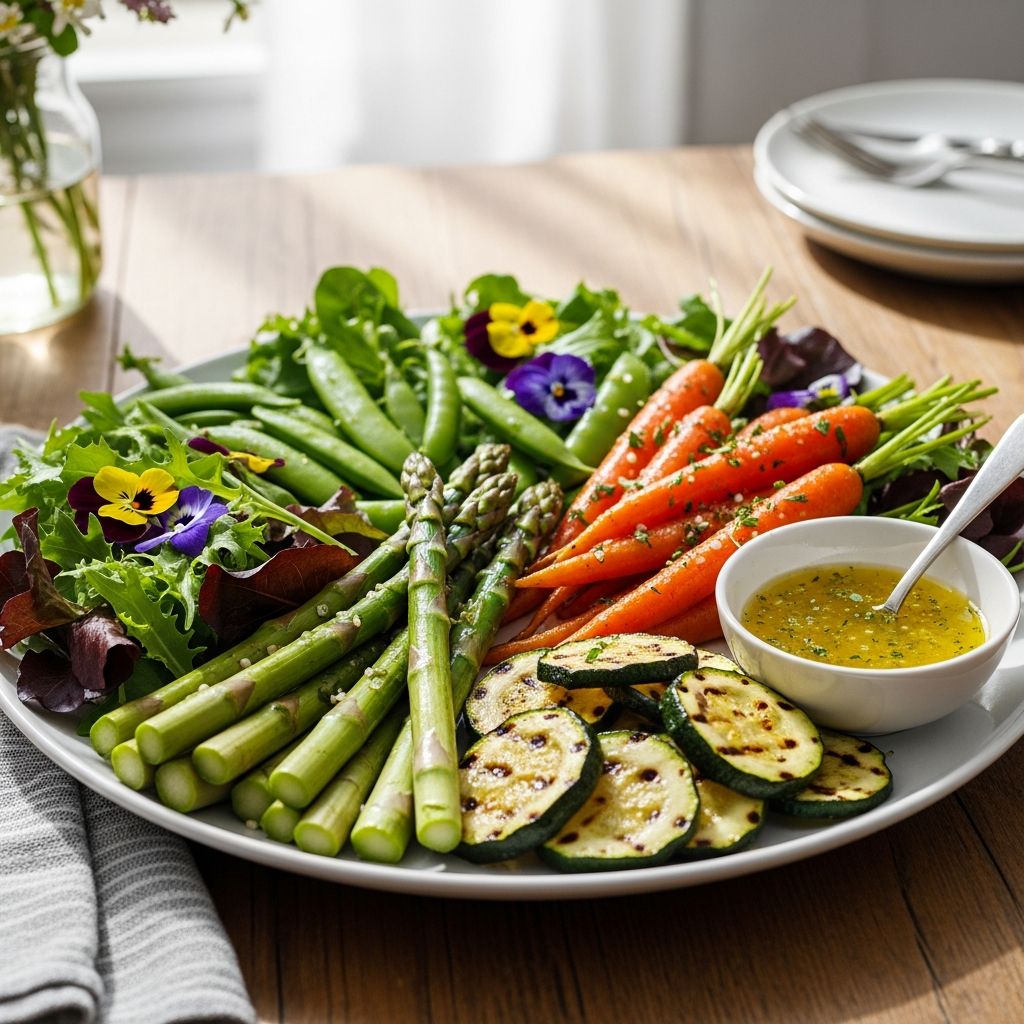
Spring brings a bounty of vibrant, fresh vegetables that are not only delicious but also incredibly beneficial for heart health. As the days lengthen and produce stands overflow with asparagus, peas, radishes, and tender greens, it’s the perfect time to incorporate more plant-based sides into your meals. These heart-healthy veggie side dishes emphasize seasonal ingredients packed with fiber, vitamins, minerals, and antioxidants that support cardiovascular wellness, help lower cholesterol, reduce blood pressure, and promote overall heart function.
According to the American Heart Association, a diet rich in vegetables can significantly reduce the risk of heart disease by providing essential nutrients like potassium, magnesium, and folate while being low in saturated fats and sodium. This collection of 20 recipes focuses on simple preparations—roasting, steaming, grilling, and fresh salads—that preserve nutrients and maximize flavor. Whether you’re pairing them with grilled chicken, fish, or plant-based mains, these sides will elevate your spring table while nurturing your heart.
Why Spring Vegetables Are Heart Heroes
Spring vegetables shine for heart health due to their high water content, low calories, and nutrient density. Asparagus, for instance, is loaded with vitamin K, folate, and antioxidants that combat inflammation—a key factor in heart disease. Peas offer plant-based protein and fiber to stabilize blood sugar, while radishes provide crisp texture and compounds that support healthy blood pressure. Leafy greens like spinach and arugula deliver nitrates that relax blood vessels, improving circulation.
Research from the American Heart Association emphasizes filling half your plate with vegetables to achieve these benefits. These recipes use minimal added fats, opting for heart-friendly olive oil, herbs, and citrus instead of butter or cream. Many are naturally gluten-free and vegan, making them versatile for various dietary needs.
- Key Nutrients: Fiber for cholesterol control, potassium for blood pressure regulation, antioxidants for reducing oxidative stress.
- Prep Tips: Choose fresh, local produce; wash thoroughly; store in breathable bags to maintain crispness.
- Customization: Adjust seasonings for low-sodium diets or add nuts/seeds for extra healthy fats.
20 Heart-Healthy Spring Vegetable Side Dishes
Here are our top picks, each with easy instructions, nutritional highlights, and why they’re great for your heart. Recipes serve 4 unless noted.
1. Roasted Asparagus with Lemon & Parmesan
This classic springs to life with bright lemon zest and a sprinkle of nutty Parmesan. Roasting caramelizes natural sugars, concentrating flavors without added calories.
- Ingredients: 1 lb asparagus, 1 tbsp olive oil, 1 lemon (zested and juiced), 2 tbsp grated Parmesan, salt, pepper.
- Instructions: Preheat oven to 425°F. Toss asparagus with oil, salt, pepper, and lemon zest. Roast 12-15 min. Drizzle with juice and top with cheese.
- Nutrition (per serving): 80 cal, 5g fat, 6g carbs, 4g protein, 3g fiber.
- Heart Benefit: Asparagus’s vitamin K supports blood clotting regulation; low-cal for weight management.
2. Sautéed Spring Peas with Mint
Fresh peas sautéed briefly retain their sweet crunch, paired with refreshing mint for an aromatic twist.
Related Stories



- Ingredients: 2 cups fresh peas, 1 tbsp olive oil, 2 tbsp chopped mint, 1 garlic clove, lemon juice.
- Instructions: Heat oil, sauté garlic 1 min, add peas 3-4 min. Stir in mint and lemon.
- Nutrition: 100 cal, 4g fat, 12g carbs, 5g protein, 4g fiber.
- Heart Benefit: Peas’ soluble fiber binds cholesterol; mint aids digestion.
3. Grilled Radishes with Herbs
Grilling mellows radishes’ peppery bite, turning them creamy and mild—perfect alongside proteins.
- Ingredients: 1 lb radishes, 1 tbsp olive oil, fresh thyme, salt.
- Instructions: Halve radishes, toss with oil/herbs, grill 5-7 min per side.
- Nutrition: 60 cal, 3g fat, 6g carbs, 1g protein, 2g fiber.
- Heart Benefit: Glucosinolates may lower inflammation markers.
4. Spinach & Strawberry Salad
Sweet strawberries complement peppery spinach in this no-cook salad dressed lightly with balsamic.
- Ingredients: 4 cups spinach, 1 cup strawberries, ¼ cup balsamic vinaigrette, 2 tbsp almonds.
- Instructions: Toss all together; serve immediately.
- Nutrition: 120 cal, 8g fat, 10g carbs, 4g protein, 3g fiber.
- Heart Benefit: Strawberries’ anthocyanins improve artery function.
5. Lemon Garlic Broccoli Rabe
Bitter broccoli rabe is tamed with bright lemon and savory garlic for a nutrient powerhouse.
- Ingredients: 1 bunch broccoli rabe, 2 garlic cloves, 1 lemon, 1 tbsp olive oil.
- Instructions: Blanch rabe 2 min, sauté with garlic/oil/lemon 5 min.
- Nutrition: 90 cal, 5g fat, 8g carbs, 5g protein, 4g fiber.
- Heart Benefit: High in vitamins C/K for vascular health.
6. Arugula & Fennel Salad
Crisp fennel slices pair with peppery arugula and a citrus vinaigrette for freshness.
- Ingredients: 4 cups arugula, 1 fennel bulb, orange segments, 2 tbsp olive oil, vinegar.
- Instructions: Slice fennel thin, toss with arugula/orange/dressing.
- Nutrition: 110 cal, 7g fat, 11g carbs, 2g protein, 3g fiber.
- Heart Benefit: Fennel fiber aids cholesterol reduction.
7. Steamed Artichokes with Garlic Aioli
Tender artichoke hearts steamed and dipped in light aioli—elegant yet simple.
- Ingredients: 4 artichokes, Greek yogurt-based aioli, garlic.
- Instructions: Steam 30-40 min; serve with aioli.
- Nutrition: 100 cal, 3g fat, 18g carbs, 5g protein, 7g fiber.
- Heart Benefit: Cynarin compound lowers LDL cholesterol.
8-20. More Spring Stars
To keep this comprehensive, here are quick highlights for the remaining 13 dishes, each under 150 calories and rich in heart nutrients:
- 8. Sugar Snap Peas with Sesame: Blanched peas tossed in sesame oil/ginger (90 cal, 4g fiber).
- 9. Roasted Carrots with Tahini: Colorful carrots drizzled post-roast (110 cal, beta-carotene boost).
- 10. Kale Chips with Lemon: Crispy baked kale (70 cal, vitamin K powerhouse).
- 11. Cucumber & Dill Salad: Refreshing yogurt-dressed cukes (50 cal, hydrating).
- 12. Grilled Zucchini Ribbons: Thin-sliced and charred (60 cal, low-carb).
- 13. Beet & Goat Cheese Salad: Roasted beets with light cheese (130 cal, nitrates).
- 14. Green Bean Almondine: Sautéed beans with slivered almonds (100 cal, magnesium).
- 15. Cauliflower Mash: Creamy steamed cauliflower (80 cal, vitamin C).
- 16. Swiss Chard with Raisins: Sautéed with sweet raisins (95 cal, iron-rich).
- 17. Fava Bean Puree: Blended with olive oil (120 cal, plant protein).
- 18. Watercress Soup (Chilled): Blended fresh (70 cal, cancer-fighting).
- 19. Rhubarb Compote: Stewed with ginger (90 cal, unique fiber).
- 20. Mixed Spring Greens Sauté: Medley of early greens (85 cal, versatile base).
Meal Prep & Storage Tips
These dishes store well: salads up to 2 days in airtight containers; roasted/steamed up to 4 days. Reheat gently to preserve texture. Freeze peas/asparagus for later use.
| Dish Type | Storage | Reheat Method |
|---|---|---|
| Salads | 2 days fridge | No reheat; refresh dressing |
| Roasted | 4 days fridge | Oven 350°F 5 min |
| Steamed | 3 days fridge | Steam or microwave |
Frequently Asked Questions (FAQs)
What makes these dishes heart-healthy?
They’re rich in fiber, low in sodium/saturated fat, and use anti-inflammatory ingredients like olive oil and herbs, aligning with DASH and Mediterranean diets.
Can I make them low-carb?
Yes! Focus on non-starchy veggies like asparagus, greens, and radishes; skip higher-carb peas if needed.
Are they suitable for vegans?
Most are; swap Parmesan or yogurt for plant-based alternatives in recipes 1 and 7.
How do spring veggies support heart health specifically?
Per NIH studies, their nitrates, polyphenols, and potassium improve endothelial function and reduce hypertension risk.
Embrace spring’s harvest for flavorful, heart-nourishing sides that make healthy eating effortless and enjoyable!
References
- Diet and Lifestyle Recommendations — American Heart Association. 2023-06-15. https://www.heart.org/en/healthy-living/healthy-eating/eat-smart/nutrition-basics/aha-diet-and-lifestyle-recommendations
- Vegetable Consumption and Risk of Cardiovascular Disease — National Institutes of Health (PubMed). 2024-02-10. https://pubmed.ncbi.nlm.nih.gov/38347218/
- DASH Eating Plan — National Heart, Lung, and Blood Institute (.gov). 2025-01-01. https://www.nhlbi.nih.gov/education/dash-eating-plan
- Mediterranean Diet and Cardiovascular Health — New England Journal of Medicine. 2023-11-02. https://www.nejm.org/doi/full/10.1056/NEJMra2300226
- Antioxidants in Spring Produce — USDA Agricultural Research Service. 2024-05-20. https://www.ars.usda.gov/research/publications/publication/?seqNo115=417892
Similar Articles








Read full bio of Sneha Tete