Heart Murmur Causes: Understanding the Sounds
Comprehensive guide to heart murmur causes, from innocent to serious conditions.
Understanding Heart Murmurs: What You Need to Know
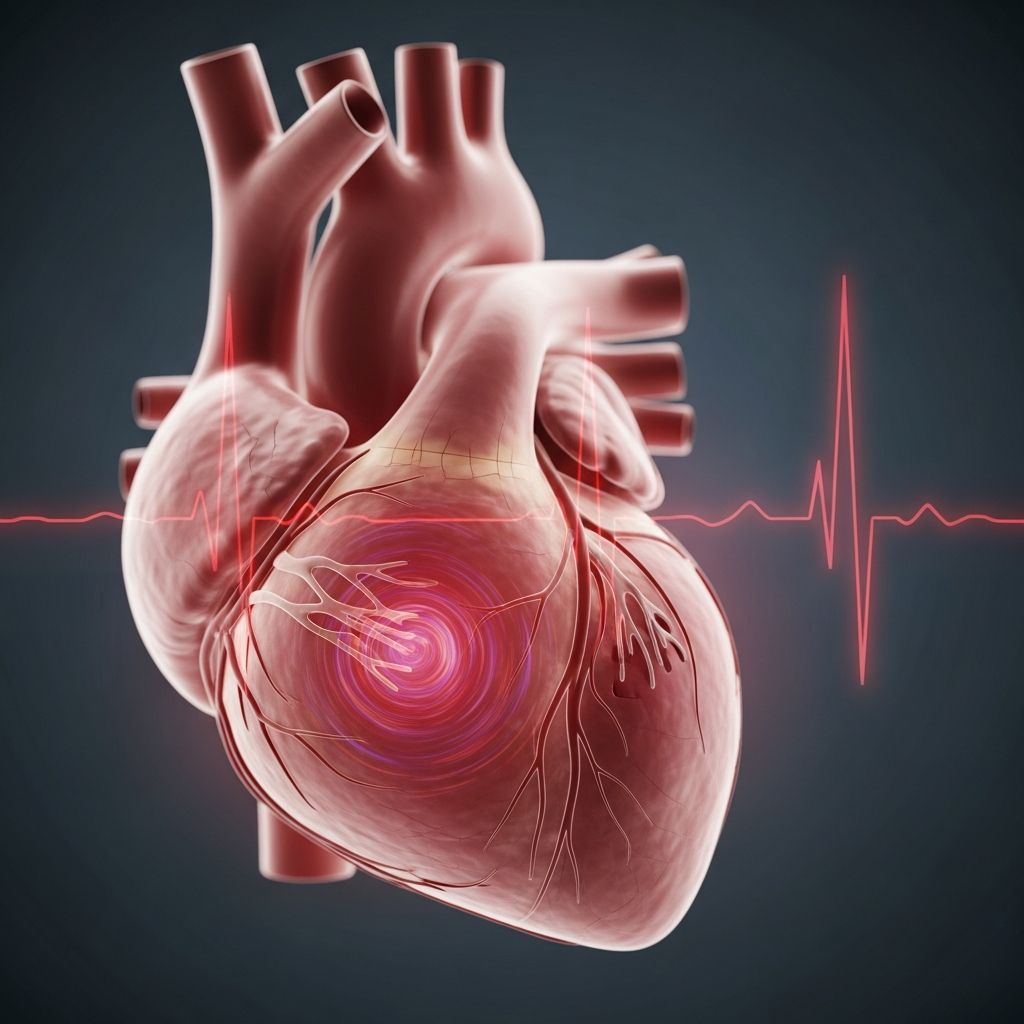
A heart murmur is a blowing, whooshing, or rasping sound heard during a heartbeat. These sounds are caused by turbulent blood flow through the heart valves. While the term “murmur” might sound alarming, not all heart murmurs indicate a serious problem. In fact, many murmurs are harmless and require no treatment, while others may signal an underlying heart condition that needs attention. Understanding the causes of heart murmurs is essential for determining whether your heart health requires medical intervention or simple monitoring.
What Causes Heart Murmurs?
Heart murmurs develop due to alterations in blood flow or mechanical operation within the cardiac system. The fundamental mechanism behind all murmurs involves the creation of disturbed blood flow, which produces the characteristic sounds heard during auscultation. Several categories of causes can lead to heart murmurs, ranging from temporary conditions to congenital defects present from birth.
Innocent Heart Murmurs
Innocent heart murmurs are harmless sounds that occur in people with typically normal hearts. These murmurs are particularly common in newborns and children, and they may disappear over time without causing any long-term health concerns. The development of benign murmurs is not always associated with a pathologic process; rather, they frequently result from temporary conditions affecting blood flow.
Several conditions can cause innocent heart murmurs by temporarily increasing blood flow through the heart:
- Fever: Elevated body temperature increases metabolic demands and heart rate, temporarily raising blood flow.
- Anemia: A lack of healthy red blood cells that carry oxygen to body tissues causes the heart to pump more forcefully to compensate.
- Hyperthyroidism: An overactive thyroid gland accelerates metabolism and increases heart rate and blood flow.
- Rapid growth spurts: During periods of fast growth, particularly in adolescence, the heart pumps more blood to support the developing body.
- Physical activity or exercise: Increased physical exertion demands greater cardiac output and blood circulation.
- Pregnancy: Pregnant individuals experience increased blood volume and cardiac output to support both mother and fetus.
Valve Disease-Related Murmurs
Problems with heart valves represent one of the most common causes of abnormal murmurs, particularly in adults. The heart contains four valves—aortic, mitral, tricuspid, and pulmonary—each responsible for ensuring blood flows in one direction through the heart chambers.
Specific valve problems that cause murmurs include:
- Aortic valve disease: The aortic valve may become dilated, stretched, or defective, causing blood to leak backward (aortic regurgitation) or preventing proper opening (aortic stenosis).
- Mitral valve disease: Problems include chronic or acute mitral regurgitation and mitral stenosis, affecting blood flow between the left atrium and left ventricle.
- Tricuspid valve problems: Tricuspid regurgitation and stenosis can develop, affecting right-sided heart function.
- Pulmonary valve issues: Pulmonary regurgitation and stenosis may occur, particularly in children with congenital conditions.
Related Stories



Congenital Heart Defects
Congenital heart defects—conditions present from birth—represent significant causes of murmurs, especially in children. These structural abnormalities disrupt normal blood flow patterns, creating the turbulent flow that produces murmur sounds.
Common congenital causes include:
- Holes in the heart: Atrial septal defects (ASDs) and ventricular septal defects (VSDs) create abnormal communication between heart chambers, allowing blood to shunt between them.
- Patent ductus arteriosus (PDA): In this condition, the opening between the aorta and pulmonary artery fails to close after birth as it normally should, allowing continued blood shunting.
- Coarctation of the aorta: A narrowing of the aorta creates turbulent blood flow, producing both systolic and diastolic murmur components.
- Anomalous pulmonary venous return: An abnormal formation of the pulmonary veins causes irregular blood flow patterns.
Age-Related and Degenerative Causes
As people age, the heart undergoes structural changes that can lead to murmurs. Calcium deposits accumulate in heart valves over time, causing them to become stiff and narrow—a condition called calcific or degenerative valve disease. This calcium buildup reduces the opening of valves, making it harder for blood to pass through and producing characteristic murmur sounds. Additionally, calcified valves may not close completely, allowing blood to flow backward and creating additional turbulent flow.
Infections and Inflammatory Conditions
Several infections and inflammatory conditions affecting the heart can produce murmurs. Infective endocarditis, a bacterial infection of the heart’s lining and valves, represents a serious cause of murmurs. Bacteria spread through the bloodstream to the heart from other body parts, such as the mouth, and their growth narrows valve openings and affects blood flow through them.
Chronic rheumatic heart disease develops following rheumatic fever, causing chronic inflammation in heart valves that compromises valve function and alters blood flow patterns. This condition remains an important cause of acquired heart disease, particularly in populations with limited access to antibiotics for strep throat treatment.
Structural and Functional Conditions
Several conditions affecting the heart’s structure or function cause murmurs through various mechanisms:
- Hypertrophic obstructive cardiomyopathy: Thickening of the heart muscle obstructs blood flow through the left ventricle.
- Functional mitral regurgitation: Weakening of the heart muscle prevents the mitral valve from closing properly, allowing backward blood flow.
- Cardiomyopathy: A weakened heart muscle reduces pumping efficiency and creates irregular blood flow patterns.
- Cardiac tumors: Tumors forming on heart valves or in chambers like the left atrium can directly obstruct blood flow or mechanically interfere with valve function.
Genetic Syndromes and Systemic Conditions
Certain genetic syndromes and autoimmune disorders are associated with increased risk of heart murmurs:
- Marfan syndrome: A connective tissue disorder affecting heart valve structure and aortic integrity.
- Ehlers-Danlos syndrome: Affects connective tissue, potentially compromising heart valve function.
- Turner syndrome: Associated with various cardiac abnormalities including valve problems and aortic disease.
- Noonan syndrome: Linked to congenital heart defects including pulmonary stenosis.
- Ebstein’s anomaly: A rare congenital condition affecting the tricuspid valve.
- Mitral valve prolapse: A common condition where the mitral valve leaflets bulge backward during heart contraction.
- Systemic lupus erythematosus: An autoimmune disorder affecting multiple organ systems, including the heart and valves.
- Congenital rubella syndrome: Maternal rubella infection during pregnancy can cause congenital heart defects including murmurs.
Risk Factors for Heart Murmurs
Certain factors increase the likelihood of developing a heart murmur. Understanding these risk factors can help individuals assess their cardiac health and determine when to seek medical evaluation.
Family history plays a significant role, particularly family history of sudden cardiac death or congenital heart disease. Genetic predisposition to cardiac conditions means that individuals with affected relatives face elevated risk.
Prenatal exposures can influence heart development. Exposure to certain medications or alcohol during pregnancy increases the risk of congenital heart defects in offspring.
Previous infections such as rheumatic fever or Kawasaki disease can damage heart valves and increase murmur risk. Additionally, rheumatic fever history remains an important risk factor for developing chronic valve disease.
Medical conditions that increase murmur risk include pulmonary hypertension, high blood pressure affecting the lungs, and hypereosinophilic syndrome, marked by elevated white blood cells.
Innocent vs. Worrisome Murmurs: Key Differences
Understanding the distinction between innocent and abnormal murmurs helps determine appropriate management. Innocent murmurs occur in individuals with structurally normal hearts and typically cause no symptoms or long-term complications. These murmurs may persist throughout life without causing serious health problems, or they may disappear completely as the underlying cause resolves.
Worrisome murmurs, by contrast, usually indicate an underlying structural problem requiring medical attention. In children, worrisome murmurs are typically caused by congenital heart defects with structural abnormalities. In adults, abnormal murmurs most commonly relate to valve disease, cardiomyopathy, or other acquired cardiac conditions.
When to Seek Medical Attention
While many heart murmurs are benign, medical evaluation is important when a murmur is first detected. Healthcare providers use physical examination, echocardiography, and other diagnostic tests to distinguish between innocent and abnormal murmurs. Follow-up care is particularly recommended for murmurs related to valve problems.
Individuals should seek prompt medical attention if they experience symptoms such as shortness of breath, chest pain, dizziness, or fainting, particularly in conjunction with a known heart murmur.
Frequently Asked Questions About Heart Murmurs
Q: Are all heart murmurs serious?
A: No. Many heart murmurs are innocent and harmless, occurring in people with normal hearts. These benign murmurs are common in newborns, children, and pregnant individuals, and often require no treatment or monitoring beyond initial evaluation.
Q: Can innocent heart murmurs go away?
A: Yes. Innocent heart murmurs may disappear over time as the underlying cause—such as fever, anemia, or pregnancy—resolves. Some murmurs, however, may persist throughout life without causing health problems.
Q: What is the difference between systolic and diastolic murmurs?
A: Systolic murmurs occur when the heart is emptying, typically between the first and second heart sounds, while diastolic murmurs occur when the heart is filling with blood. Continuous murmurs occur throughout the heartbeat. The timing and characteristics help physicians determine the underlying cause.
Q: Can exercise cause a heart murmur?
A: Physical activity can temporarily increase blood flow and create an innocent heart murmur during exercise. This type of murmur is benign and typically resolves when activity ceases.
Q: Do children outgrow heart murmurs?
A: Many children with innocent heart murmurs do outgrow them as their bodies develop and the conditions causing increased blood flow resolve. However, congenital heart defects causing murmurs typically persist and require ongoing medical management.
Q: What tests diagnose heart murmurs?
A: Echocardiography, a non-invasive ultrasound of the heart, is the primary diagnostic test for evaluating murmurs and determining their cause. Additional tests may include electrocardiography, chest X-rays, or cardiac catheterization depending on clinical findings.
Q: Can pregnancy cause a heart murmur?
A: Yes. Pregnancy significantly increases blood volume and cardiac output, which can create innocent heart murmurs. These murmurs typically resolve after delivery and do not indicate heart disease.
References
- Heart murmur: Causes, symptoms, and treatment — Medical News Today. Accessed January 2026. https://www.medicalnewstoday.com/articles/326802
- Physiology, Cardiovascular Murmurs — National Center for Biotechnology Information (NCBI). https://www.ncbi.nlm.nih.gov/books/NBK525958/
- Heart murmurs – Symptoms & causes — Mayo Clinic. Accessed January 2026. https://www.mayoclinic.org/diseases-conditions/heart-murmurs/symptoms-causes/syc-20373171
- Abnormal and “Innocent” Heart Murmurs — American Heart Association. https://www.heart.org/en/health-topics/heart-valve-problems-and-disease/heart-valve-problems-and-causes/innocent-heart-murmur
- Heart murmurs: MedlinePlus Medical Encyclopedia — U.S. National Library of Medicine. Accessed January 2026. https://medlineplus.gov/ency/article/003266.htm
- Are Innocent Heart Murmurs in Children Cause for Concern? — University Health. https://www.universityhealth.com/blog/heart-murmurs-in-children
Similar Articles








Read full bio of Sneha Tete