Heart Murmurs In Adults: Causes, Symptoms, Diagnosis
Discover the causes, symptoms, and management strategies for heart murmurs in adults to empower informed health decisions.
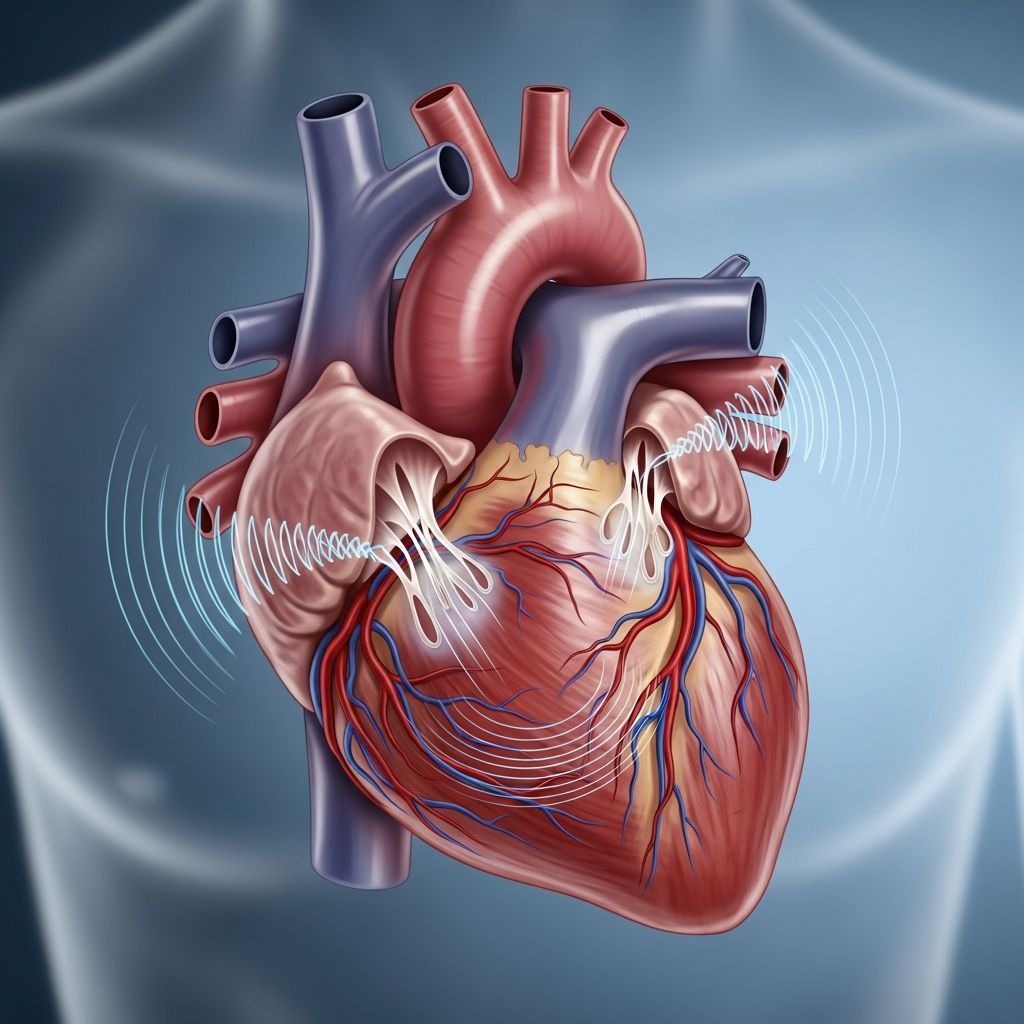
Heart murmurs represent unusual sounds during the heartbeat cycle, often detected as whooshing or swishing noises produced by turbulent blood flow through the heart’s chambers or valves. In adults, these sounds can signal benign conditions or serious structural issues, necessitating careful evaluation by healthcare professionals.
What Exactly Is a Heart Murmur?
A heart murmur occurs when blood flow creates audible vibrations within the heart, detectable via stethoscope during a routine exam. Normal heartbeats produce lub-dub sounds from valve closures, but murmurs add extra layers of noise due to high-velocity flow across narrowed openings or leaky valves. These can be
innocent murmurs
, harmless and common during physiological stresses like pregnancy or anemia, orabnormal murmurs
linked to pathology.Innocent murmurs typically resolve without intervention and pose no risk, often arising from temporary factors such as fever, exercise, or hyperthyroidism. Conversely, abnormal ones stem from acquired or congenital defects, demanding further investigation to prevent complications like heart failure.
Types of Heart Murmurs: Systolic, Diastolic, and Continuous
Murmurs are classified by timing in the cardiac cycle:
- Systolic murmurs coincide with ventricular contraction, subdivided into ejection types (narrowed outflow paths) and regurgitant types (backward leakage).
- Diastolic murmurs emerge during ventricular relaxation, often from valve incompetence allowing reverse flow.
- Continuous murmurs persist through both phases, rare in adults and usually tied to vascular anomalies.
Each type carries distinct acoustic profiles—pitch, intensity (graded 1-6), location, and radiation—which guide diagnosis.
Primary Causes of Abnormal Heart Murmurs in Adults
Unlike children, where congenital defects dominate, adult murmurs frequently result from degenerative changes or lifestyle-related damage. Key culprits include:
- Valve degeneration: Aging leads to sclerosis or calcification, stiffening the aortic or mitral valves and causing stenosis (narrowing) or regurgitation (leakage).
- Infections and inflammation: Endocarditis from bacteria erodes valve surfaces; rheumatic fever scars them post-strep infection.
- Systemic conditions: High blood pressure, cardiomyopathy, anemia, hyperthyroidism, or autoimmune diseases like lupus elevate flow turbulence.
- Congenital persistence: Unrepaired issues like septal defects or valve anomalies manifest later.
| Valve Affected | Common Issue | Potential Murmur Type |
|---|---|---|
| Aortic | Stenosis/Sclerosis | Systolic ejection |
| Mitral | Regurgitation/Prolapse | Systolic regurgitant |
| Mitral | Stenosis | Diastolic rumble |
| Tricuspid/Pulmonary | Regurgitation/Stenosis | Systolic/Diastolic |
This table summarizes prevalent valve pathologies and their murmur signatures, aiding clinicians in localization.
Symptoms Associated with Problematic Heart Murmurs
Many murmurs are asymptomatic, discovered incidentally. However, worrisome ones may accompany:
- Shortness of breath, especially on exertion.
- Chest pain or tightness.
- Fatigue, dizziness, or fainting (syncope).
- Palpitations or irregular rhythms.
- Cyanosis (bluish lips/nails) in severe cases.
- Swelling in legs or abdomen from right-heart strain.
Symptom severity correlates with underlying disease progression; early detection mitigates risks.[10]
Risk Factors That Heighten Murmur Likelihood
Related Stories



Certain profiles predispose adults to murmurs:
- Advanced age (>60), due to cumulative valve wear.
- History of hypertension or rheumatic fever.
- Connective tissue disorders like Marfan syndrome.
- Intravenous drug use, inviting endocarditis.
- Chronic conditions: anemia, thyroid excess, pulmonary hypertension.
Preventive strategies include blood pressure control, prompt infection treatment, and regular cardiac screenings for at-risk groups.
How Physicians Diagnose Heart Murmurs
Diagnosis begins with auscultation: doctors assess murmur grade (1-6), pitch, location (aortic, pulmonic, tricuspid, mitral areas), timing, and maneuvers altering intensity (e.g., squatting increases preload).
Confirmatory tests include:
- Echocardiography: Ultrasound visualizes valve function, chamber sizes, and flow patterns—gold standard.
- ECG: Detects arrhythmias or hypertrophy.
- Chest X-ray: Reveals heart enlargement or lung congestion.
- Cardiac MRI/CT: For complex anatomies.
- Stress testing: Evaluates exercise tolerance.
These modalities differentiate innocent from pathological murmurs precisely.
Treatment Approaches for Abnormal Murmurs
Management hinges on etiology and symptoms:
- Innocent murmurs: Observation only; address triggers like anemia.
- Valve disease: Medications (diuretics, beta-blockers) for symptom relief; anticoagulation for atrial fibrillation.
- Severe stenosis/regurgitation: Valve repair or replacement via open surgery, TAVR (transcatheter aortic valve replacement), or minimally invasive methods.
- Infection-related: Antibiotics ± surgery for endocarditis.
- Other: Tumor resection for carcinoid, lifestyle mods for hypertension.
Multidisciplinary teams, including cardiologists and surgeons, tailor plans to optimize outcomes.
Lifestyle Modifications to Support Heart Health
Beyond medical interventions, adults can mitigate murmur risks through:
- A heart-healthy diet low in sodium and saturated fats.
- Regular aerobic exercise, cleared by a doctor.
- Weight management and smoking cessation.
- Stress reduction via mindfulness or yoga.
- Antibiotic prophylaxis before dental procedures if high-risk.[10]
These habits slow degenerative processes and enhance quality of life.
When to Seek Immediate Medical Attention
Consult a doctor promptly if experiencing new or worsening symptoms like unexplained fatigue, breathlessness, or chest discomfort. Routine check-ups are vital for those with risk factors, as early intervention prevents irreversible damage.
Frequently Asked Questions (FAQs)
Can a heart murmur develop suddenly in adults?
Yes, from acute events like endocarditis or myocardial infarction creating new flow disturbances.
Do all heart murmurs require surgery?
No, most innocent ones and mild abnormal cases are managed conservatively; surgery reserves for symptomatic severe disease.
Is a heart murmur hereditary?
Some congenital forms are, and genetic conditions like Marfan increase risk, but many adult-onset are acquired.
Can exercise cause or worsen a murmur?
Temporary innocent murmurs may arise from exertion, but abnormal ones warrant exercise restrictions until evaluated.
How often should echocardiograms be repeated?
Depends on severity; mild cases every 3-5 years, severe annually per guidelines.
Long-Term Outlook and Prognosis
Prognosis varies: innocent murmurs carry excellent outlooks; treated valve diseases achieve good survival with modern interventions. Untreated severe cases risk heart failure, arrhythmias, or embolism. Adherence to therapy and follow-up ensures optimal results.
References
- Heart murmurs – Symptoms & causes — Mayo Clinic. 2023-10-12. https://www.mayoclinic.org/diseases-conditions/heart-murmurs/symptoms-causes/syc-20373171
- Heart Murmurs: Causes, Diagnosis, Treatment, Prevention — WebMD. 2024-05-15. https://www.webmd.com/heart-disease/heart-murmur-causes-treatments
- Abnormal and “Innocent” Heart Murmurs — American Heart Association. 2023-08-20. https://www.heart.org/en/health-topics/heart-valve-problems-and-disease/heart-valve-problems-and-causes/innocent-heart-murmur
- Heart Murmur | Fact Sheets — Yale Medicine. 2024-01-10. https://www.yalemedicine.org/conditions/heart-murmur
- Heart Murmur: Symptoms & Treatments — University of Utah Health. 2023-11-05. https://healthcare.utah.edu/cardiovascular/conditions/heart-murmur
Similar Articles








Read full bio of medha deb