Heart Muscle Inflammation: Understanding Myocarditis
A comprehensive guide to myocarditis causes, symptoms, and treatment options.
Defining the Condition
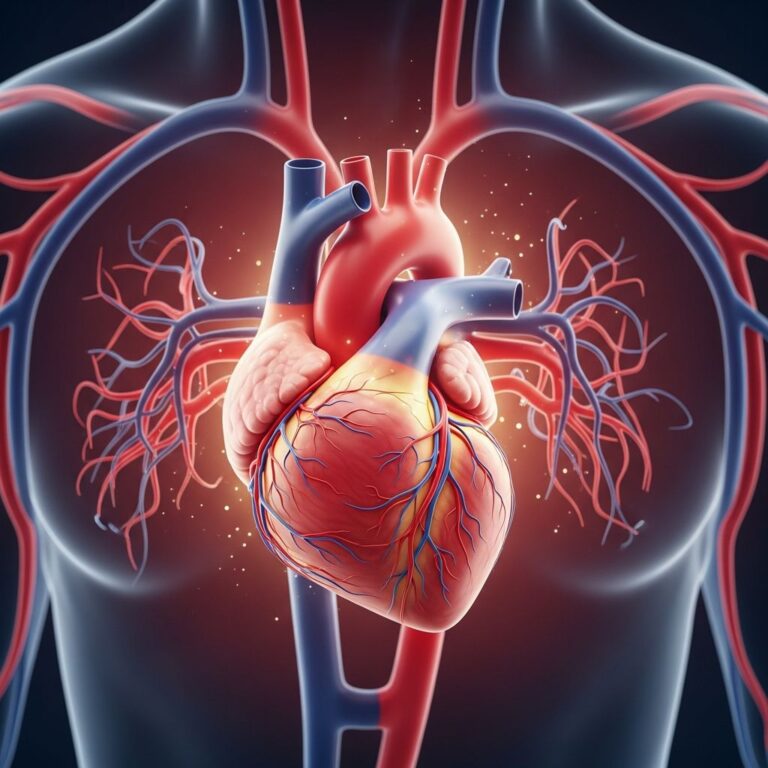
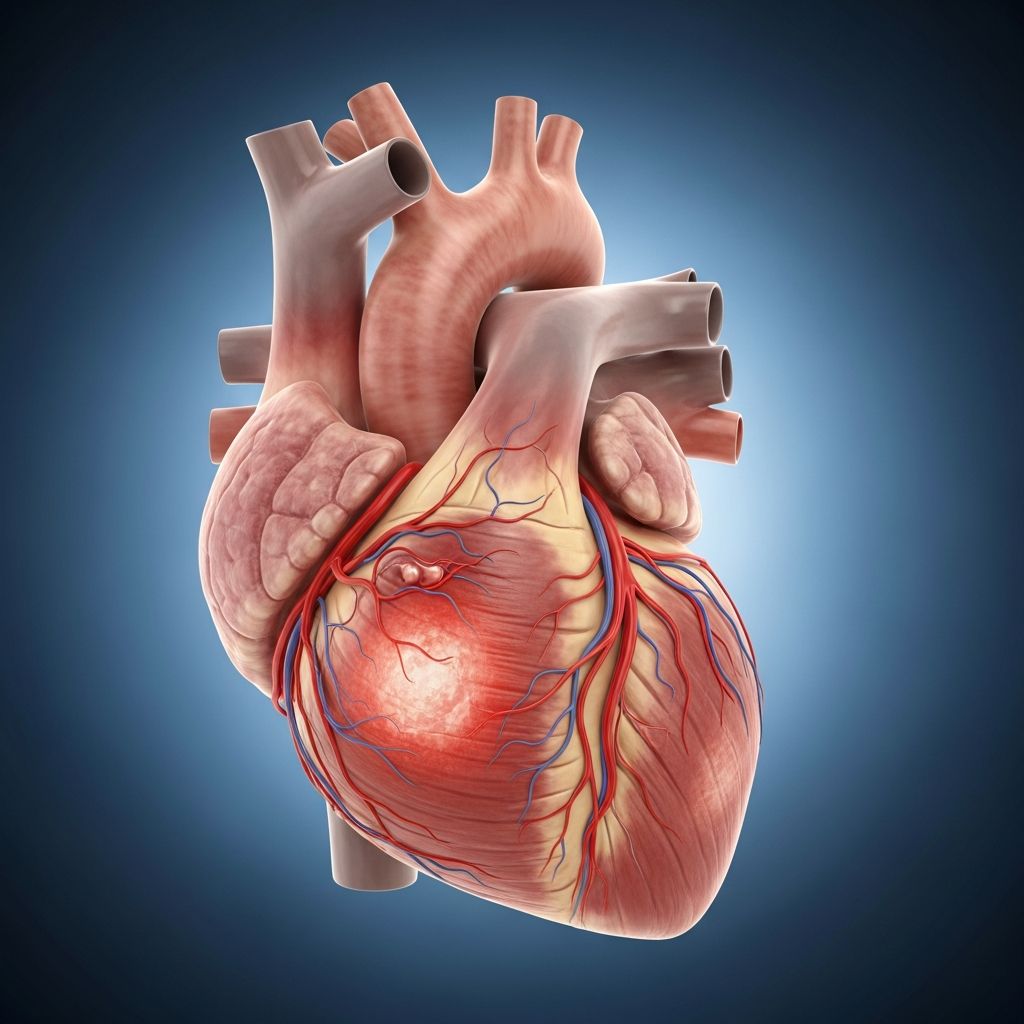
Myocarditis refers to inflammation affecting the myocardium, which is the muscular tissue layer of your heart responsible for contracting and pumping blood throughout your body. When this vital tissue becomes inflamed, it compromises the organ’s electrical and mechanical function, potentially leading to irregular heartbeats and reduced pumping efficiency. The severity of this condition varies considerably—some individuals experience mild symptoms that resolve independently, while others face serious complications requiring intensive medical intervention.
This inflammatory disease differs from other cardiac conditions. For instance, pericarditis affects the protective sac surrounding the heart, while endocarditis involves inflammation of the heart valves. Understanding these distinctions helps clarify why myocarditis presents with its own unique set of symptoms and treatment approaches.
Prevalence and Risk Patterns
While myocarditis remains relatively uncommon in the general population, certain demographic groups face elevated risk. Research demonstrates that males are more frequently affected than females, with the condition occurring most commonly in younger adults. However, females who do develop myocarditis tend to experience more complicated clinical presentations than their male counterparts.
Additionally, genetic factors play a role in disease susceptibility. Studies show that between 6% and 18% of myocarditis patients carry genetic mutations associated with increased risk of cardiomyopathy, a condition where the heart muscle becomes weak.
What Triggers Myocarditis: The Root Causes
Myocarditis develops through multiple pathways, ranging from infectious agents to non-infectious triggers. Understanding these causes is essential for both prevention and proper medical management.
Infectious Triggers
Viral infections represent the most prevalent cause of myocarditis in developed nations. Common culprits include:
- Influenza viruses
- Adenoviruses (responsible for common cold symptoms)
- Coxsackieviruses
- Various respiratory viruses
These viruses cause direct myocardial injury through cardiomyocyte infection, subsequent replication within infected cells, and ultimately cell death. The inflammation that develops during infection places significant stress on the heart, and this stress may persist even after the viral infection resolves.
Beyond viral infections, bacterial, fungal, and parasitic infections can also trigger myocarditis. Some parasitic infections, such as those caused by Trypanosoma cruzi, result in visible cell damage and mononuclear cell infiltration consisting of T cells, macrophages, and other immune components.
Non-Infectious Contributing Factors
Several non-infectious causes can precipitate myocarditis development:
- Autoimmune diseases: Conditions such as lupus and Sjögren’s syndrome trigger abnormal immune responses targeting heart tissue
- Pharmaceutical medications: Chemotherapy agents and certain prescription drugs carry myocarditis risk
- Illicit substances: Cocaine and amphetamines can inflame heart muscle tissue
- Environmental toxins: Metal poisons and various environmental exposures pose risks
- Animal encounters: Venomous bites and stings from scorpions, spiders, and bees can trigger the condition
- Vaccination: Although rare, certain vaccines including the COVID-19 vaccine have been associated with myocarditis cases
- Drug hypersensitivity: Medications like clozapine, carbamazepine, minocycline, and β-lactam antibiotics may cause eosinophilic myocarditis through maladaptive immune responses
Clinical Presentation and Symptoms
Myocarditis manifests across a wide symptom spectrum, from completely asymptomatic presentations to life-threatening emergencies. Some individuals experience no noticeable symptoms at all, while others develop sudden, severe manifestations.
Related Stories



Common Symptom Presentation
The most frequently reported symptoms include:
- Chest discomfort: Ranging from mild pressure to severe pain, chest symptoms represent the most common patient complaint
- Respiratory distress: Shortness of breath during everyday activities or at rest, the second most prevalent symptom
- Cardiac rhythm abnormalities: Palpitations, rapid heartbeat, or sensation of the heart racing
- Constitutional symptoms: Fever, fatigue, malaise, and general weakness
- Associated viral signs: Body aches, joint pain, cough, sore throat, nausea, and diarrhea
- Neurological symptoms: Dizziness, lightheadedness, or vertigo
- Peripheral edema: Swelling in legs, ankles, or feet indicating fluid retention
Symptom Onset and Progression
Individuals may experience symptoms gradually developing over time, or alternatively, symptoms can emerge suddenly and dramatically. Many patients report symptom onset approximately one to two weeks following a viral illness. In advanced cases, patients may develop signs of congestive heart failure, indicating serious cardiac compromise.
Registry data reveals important patterns: chest pain affects the majority of patients, fever appears in over half of cases, and approximately 57.5% display ST-segment elevations on electrocardiogram, the most common ECG abnormality in myocarditis.
Diagnostic Approaches and Medical Evaluation
Diagnosis of myocarditis relies on established histological, immunological, and immunohistochemical criteria. When symptoms suggestive of myocarditis develop, particularly following a recent viral infection, seeking prompt medical evaluation is critical. Physicians will likely order electrocardiograms to assess heart electrical activity, echocardiograms to evaluate pumping function, and blood tests to detect cardiac biomarkers indicating myocardial damage.
Advanced imaging and cardiac catheterization may be necessary in certain cases to definitively confirm the diagnosis and assess disease severity.
Potential Complications and Long-Term Outcomes
While many patients recover completely, myocarditis can lead to serious short-term and long-term complications. Acute complications include cardiogenic shock, ventricular arrhythmias, and acute heart failure. These severe presentations require intensive hospital care and may necessitate advanced life support measures.
Chronic complications pose ongoing risks: some patients develop dilated cardiomyopathy, a condition where the heart becomes enlarged and weakened, potentially progressing to chronic heart failure. Additionally, myocarditis increases susceptibility to blood clot formation within the heart chambers, creating risk for stroke or myocardial infarction. In the most serious cases, myocarditis can precipitate sudden cardiac death.
Treatment Framework and Recovery
Treatment approaches vary based on disease severity and underlying etiology. Many patients experience improvement with or without medical intervention, with the treatment focus targeting the underlying cause.
Management Strategies by Severity
Mild cases typically respond to conservative management emphasizing rest and symptom monitoring. Patients are advised to reduce physical exertion while the heart heals.
Moderate cases often benefit from pharmaceutical interventions, including anti-inflammatory medications, medications to reduce cardiac workload, and drugs to manage arrhythmias or heart failure symptoms.
Severe cases require intensive hospital-based care. Patients may need mechanical circulatory support devices, intravenous medications, continuous cardiac monitoring, and in rare instances, emergency transplantation.
Recovery Timeline
Recovery duration varies considerably among patients. Most individuals recover within weeks to months of symptom onset, allowing return to normal activities and work. However, some patients require extended recovery periods and ongoing medical management. Long-term follow-up care may include repeated cardiac imaging to monitor for chronic sequelae such as reduced ejection fraction or progressive cardiomyopathy.
When to Seek Medical Attention
Prompt medical evaluation is warranted if you experience chest pain, arrhythmia, or shortness of breath, particularly following a recent viral illness. Emergency care should be sought immediately if you develop:
- Severe chest pain or pressure
- Significant shortness of breath, especially at rest
- Fainting or loss of consciousness
- Severe or persistent palpitations
- Signs of heart failure such as extreme fatigue or marked swelling
Frequently Asked Questions
Is myocarditis contagious?
Myocarditis itself is not contagious; however, the viral infections that may trigger myocarditis can be transmitted between individuals. If you have viral myocarditis, you may transmit the underlying virus to others, though they may not develop myocarditis specifically.
Can myocarditis be prevented?
While you cannot prevent all cases, maintaining overall cardiovascular health, practicing good hygiene to reduce infection risk, and staying current with recommended vaccinations may help reduce your risk of viral infections that can lead to myocarditis.
Will I need lifelong treatment?
Treatment duration depends on severity and individual response. Many patients recover completely and require no ongoing medication. Others may need long-term management of residual cardiac dysfunction.
Can I exercise after myocarditis?
Exercise restrictions during acute myocarditis are important to allow proper healing. Your cardiologist will provide specific guidance about when and how to gradually resume physical activity based on your individual recovery progress.
References
- Myocarditis — causes, recovery — healthdirect.gov.au. 2024. https://www.healthdirect.gov.au/myocarditis
- Myocarditis: Symptoms and Causes — Cleveland Clinic. 2024. https://my.clevelandclinic.org/health/diseases/22129-myocarditis
- Myocarditis: Etiology, Pathogenesis, and Their Implications in Disease Management — National Center for Biotechnology Information (PMC). 2023. https://pmc.ncbi.nlm.nih.gov/articles/PMC10295542/
- Myocarditis – Symptoms and Causes — Penn Medicine. 2024. https://www.pennmedicine.org/conditions/myocarditis
- Mayo Clinic Minute: What is myocarditis? — Mayo Clinic. 2024. https://www.youtube.com/watch?v=YE4DU7GgpDg
- Understanding Myocarditis — Myocarditis Foundation. 2024. https://www.myocarditisfoundation.org/about-myocarditis/
Similar Articles








Read full bio of Sneha Tete