Heart Palpitations: Causes, Symptoms & When to Seek Care
Understanding heart palpitations: Learn what causes them, when they're serious, and how to manage them effectively.
Understanding Heart Palpitations
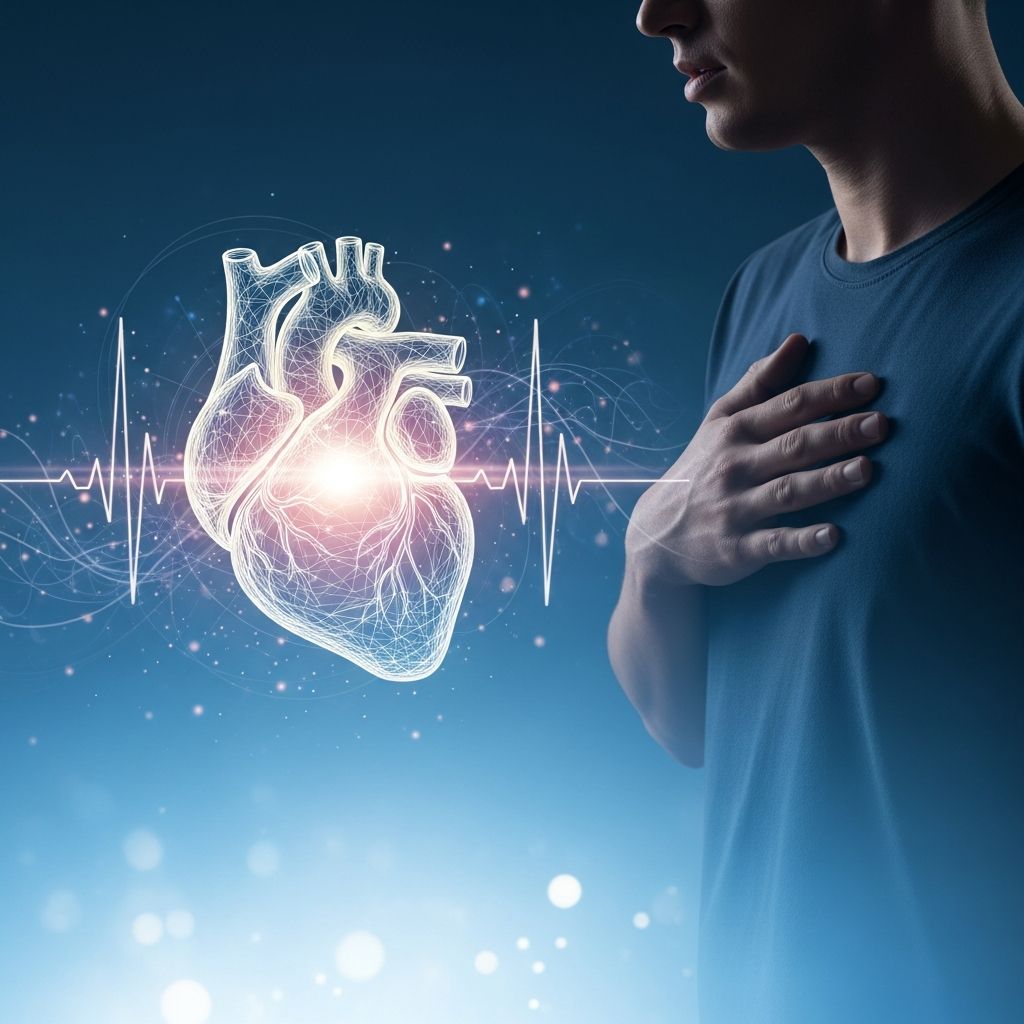
Heart palpitations are defined as the awareness of an abnormal heartbeat, rapid pulsation, or irregular beating of the heart. Many people describe palpitations as a rapid fluttering, skipping, or pounding sensation in the chest or neck. While these sensations can be alarming, most heart palpitations are harmless and resolve on their own without treatment. However, understanding when palpitations may indicate a more serious condition is essential for your cardiovascular health and peace of mind.
Palpitations are remarkably common. One study estimates that approximately 16 percent of doctor visits are related to heart palpitations, and they represent the second most common reason people visit a cardiologist. The experience of palpitations can vary significantly from person to person, with some individuals experiencing brief episodes while others report prolonged awareness of their heartbeat.
How Heart Palpitations Feel
Heart palpitations manifest in various ways. You may experience your heart feeling like it is:
- Fluttering or quivering in your chest
- Pounding heavily or forcefully
- Racing or beating too quickly
- Adding an extra beat or having an additional heartbeat
- Skipping a beat
- Beating erratically or irregularly
The sensation may be localized to your chest, neck, or throat, and the intensity can range from barely noticeable to quite disturbing. Some people experience heightened awareness of their normal cardiac activity, particularly during exercise, febrile illness, or periods of anxiety.
Common Causes of Heart Palpitations
Heart palpitations can stem from a wide range of causes, including emotional factors, lifestyle choices, medications, and underlying medical conditions. Understanding these triggers can help you identify patterns and manage palpitations more effectively.
Lifestyle and Emotional Triggers
Many palpitations result from non-cardiac causes and everyday factors:
- Stress and anxiety: Strong emotions such as anxiety, stress, fear, and panic are common triggers for palpitations. Anxiety-related palpitations typically develop gradually and may be accompanied by tingling in the hands and face, a lump in the throat, or atypical chest pain.
- Caffeine consumption: Caffeinated beverages and foods can stimulate the heart and trigger palpitations.
- Physical exertion: Exercise and intense physical activity naturally increase heart rate and may cause palpitations, particularly during or after strenuous activity.
- Pregnancy: Hormonal changes during pregnancy can alter heart function and trigger palpitations.
Medical Conditions Causing Palpitations
Several medical conditions beyond primary heart disease can trigger palpitations. Anemia reduces your blood’s oxygen-carrying capacity, forcing your heart to work harder and potentially causing palpitations. Fever, low blood sugar, and certain infections can also trigger awareness of your heartbeat. Electrolyte imbalances can significantly affect your heart’s electrical system. Low levels of potassium, magnesium, or sodium can disrupt normal heart rhythm, as can severe dehydration from illness, excessive sweating, or inadequate fluid intake.
An overactive thyroid (hyperthyroidism) increases metabolism and heart rate, commonly causing palpitations. Sleep apnea and hormonal changes due to menopause can also trigger palpitations.
Related Stories



Cardiac Causes of Palpitations
While many palpitations are benign, some are caused by underlying heart conditions that require medical attention and treatment:
- Arrhythmias: Abnormal heart rhythms are among the most common causes of palpitations. Atrial fibrillation, one of the most prevalent arrhythmias, causes an irregular, often rapid heartbeat that many people describe as feeling like their heart is “quivering.” Premature ventricular contractions create the sensation of skipped beats or extra heartbeats.
- Heart valve problems: Abnormal heart valves can cause palpitations, particularly when valves don’t open or close properly. Mitral valve prolapse, a relatively common and usually benign condition, can cause palpitations along with chest pain and shortness of breath.
- Cardiomyopathy: This condition, where the heart muscle becomes enlarged, thickened, or stiff, can lead to palpitations as the heart struggles to pump blood effectively. It can be inherited or develop due to high blood pressure or viral infections.
- Coronary artery disease: While more commonly associated with chest pain, this condition can sometimes present with palpitations, especially during physical exertion when the heart muscle doesn’t receive adequate blood flow.
- Congestive heart failure: This serious condition can cause palpitations as the heart works inefficiently.
When to Seek Medical Attention
Learning to recognize when palpitations require immediate medical attention can be life-saving. While most palpitations are harmless, certain characteristics or accompanying symptoms indicate the need for urgent evaluation.
Emergency Warning Signs
Seek emergency medical care immediately if palpitations are accompanied by any of the following:
- Chest pain, especially if the pain is severe, crushing, or radiates to your arm, jaw, or back—this combination could indicate a heart attack and requires immediate treatment
- Severe shortness of breath that makes it difficult to speak or catch your breath, particularly when combined with palpitations—this could signal serious heart or lung problems
- Fainting or near-fainting episodes during palpitations, which indicate that your brain isn’t receiving adequate blood flow
- Dizziness, weakness, lightheadedness, or loss of consciousness
- Confusion or difficulty breathing
- Excessive sweating
- Pain in your arms, neck, chest, jaw, or upper back
- A resting pulse rate of more than 100 beats per minute
When to Schedule a Doctor’s Appointment
Even without emergency symptoms, you should schedule a medical appointment if:
- Palpitations last longer than a few minutes, especially if accompanied by other symptoms—prolonged palpitations may indicate more serious rhythm disturbances
- Palpitations happen frequently or seem to be lasting longer or occurring more frequently
- You have an underlying heart condition and experience palpitations
- You’re unsure if you have a heart condition but your palpitations are concerning
Evaluation and Diagnosis
A complete history and physical examination are essential to evaluate a patient with palpitations. Your healthcare provider will ask detailed questions about when the palpitations occur, how long they last, what triggers them, and what accompanying symptoms you experience. Observations by other people who witnessed your episodes can be valuable for diagnosis.
While physical examination alone is an unreliable method to determine the specific arrhythmia causing palpitations, certain findings can suggest different rhythm types. For example, the irregular irregularity of rapid atrial fibrillation or the regular tachycardia at 150 beats per minute of atrial flutter can help identify the underlying cause.
Diagnostic testing may include electrocardiograms (ECGs), Holter monitors, and echocardiograms to identify the underlying cause of your palpitations.
Palpitations vs. Arrhythmias: Understanding the Difference
It’s important to understand that heart palpitations are a symptom, not a diagnosis. Heart palpitations represent your awareness of an irregular heartbeat, while arrhythmias are actual abnormal heart rhythms. An arrhythmia is defined as any aberrant cardiac rhythm or beat, and arrhythmias range from benign to life-threatening.
Most arrhythmias that cause palpitations have no direct adverse physiologic consequences. However, bradyarrhythmias (slow rhythms), tachyarrhythmias (fast rhythms), and heart blocks can be unpredictable and may adversely affect cardiac output, cause hypotension, or even lead to death. Ventricular tachycardias, if left untreated, can degenerate into ventricular fibrillation.
Treatment Options for Heart Palpitations
Treatment for heart palpitations depends on the underlying cause. Many palpitations can be prevented or reduced through lifestyle modifications that promote overall heart health and reduce common triggers.
Treating Underlying Conditions
If an underlying medical condition is causing palpitations, treating that condition often resolves the symptoms. For example:
- Treating thyroid disorders
- Correcting anemia
- Adjusting medications that trigger palpitations
- Managing electrolyte imbalances
Medication Management
For palpitations caused by arrhythmias, various medications can help control heart rhythm:
- Beta-blockers: These medications slow the heart rate and can reduce the frequency and intensity of palpitations.
- Anti-arrhythmic medications: These help maintain normal heart rhythm in people with more serious rhythm disturbances.
Lifestyle Modifications
Implementing healthy lifestyle changes can significantly reduce palpitations:
- Reduce or eliminate caffeine intake
- Manage stress through relaxation techniques, meditation, or counseling
- Maintain adequate hydration and electrolyte balance
- Exercise regularly and appropriately for your health status
- Get sufficient sleep
- Avoid alcohol and tobacco
- Manage underlying health conditions effectively
Comparison Table: Palpitation Characteristics by Cause
| Cause | Description | Rhythm Pattern | Onset | Common Triggers | Associated Symptoms |
|---|---|---|---|---|---|
| Tachycardia | ‘Beating wings’ in the chest | Regular or irregular, markedly accelerated | Sudden | Physical effort, cooling down | Hemodynamic impairment |
| Anxiety-Related | Anxiety, agitation | Regular, slightly accelerated | Gradual | Stress, anxiety attacks | Tingling in hands and face, lump in throat, atypical chest pain, sighing dyspnea |
Frequently Asked Questions
Q: Are heart palpitations always a sign of a serious problem?
A: No. While palpitations can be concerning, most are harmless and resolve on their own without treatment. However, if they’re accompanied by chest pain, shortness of breath, fainting, or occur frequently, you should seek medical evaluation to rule out underlying conditions.
Q: Can stress and anxiety cause heart palpitations?
A: Yes, absolutely. Strong emotions such as stress, anxiety, fear, and panic are common triggers for palpitations. Managing stress through relaxation techniques and professional support can help reduce palpitation episodes.
Q: How long do heart palpitations typically last?
A: Palpitations can last from a few seconds to several minutes. Brief episodes are usually harmless, but if palpitations last longer than a few minutes or occur frequently, consult your doctor for proper evaluation.
Q: What lifestyle changes can help prevent heart palpitations?
A: Several modifications can help prevent palpitations: reduce caffeine intake, manage stress, maintain proper hydration, avoid alcohol and tobacco, exercise regularly, get adequate sleep, and manage underlying health conditions effectively.
Q: What is the difference between heart palpitations and arrhythmias?
A: Heart palpitations are your awareness of an irregular heartbeat—a symptom you experience. Arrhythmias are the actual abnormal heart rhythms themselves. You may have an arrhythmia without experiencing palpitations, or feel palpitations caused by a completely benign rhythm variation.
Q: When should I call emergency services for heart palpitations?
A: Call emergency services immediately if palpitations are accompanied by chest pain (especially severe or crushing pain), severe shortness of breath, fainting, loss of consciousness, or confusion. These symptoms could indicate a serious cardiac event requiring immediate treatment.
Q: Can caffeine cause heart palpitations?
A: Yes, caffeine is a common trigger for palpitations as it stimulates the heart. If you experience palpitations, consider reducing your intake of caffeinated beverages and foods to see if symptoms improve.
Q: Do I need to see a cardiologist for heart palpitations?
A: Not always. If your palpitations are brief, infrequent, and associated with clear triggers like caffeine or stress, your primary care doctor may manage them. However, if they’re frequent, prolonged, or accompanied by other symptoms, a cardiologist’s evaluation may be necessary.
References
- Evaluation and management by primary care practitioners — National Center for Biotechnology Information (NCBI). 2022. https://pmc.ncbi.nlm.nih.gov/articles/PMC8905373/
- Heart Palpitations: Causes, Concerns, and When to See a Cardiologist — Cardiac Care PC. 2025. https://www.cardiaccarepc.com/content-hub/heart-palpitations-causes-concerns-and-when-to-see-a-cardiologist
- Heart Palpitations: Causes, Diagnosis, and Treatment — Healthline. 2024. https://www.healthline.com/health/heart-palpitations
- How to Recognize Heart Palpitations — University Health (HealthFocus SA). 2024. https://www.universityhealth.com/blog/heart-palpitations
- Heart Palpitations: Symptoms, Causes & Treatment — Cleveland Clinic. 2024. https://my.clevelandclinic.org/health/diseases/17084-heart-palpitations
Similar Articles








Read full bio of medha deb