Understanding Heart Palpitations: Causes and When to Seek Care
Learn what causes heart palpitations and when medical attention is necessary.
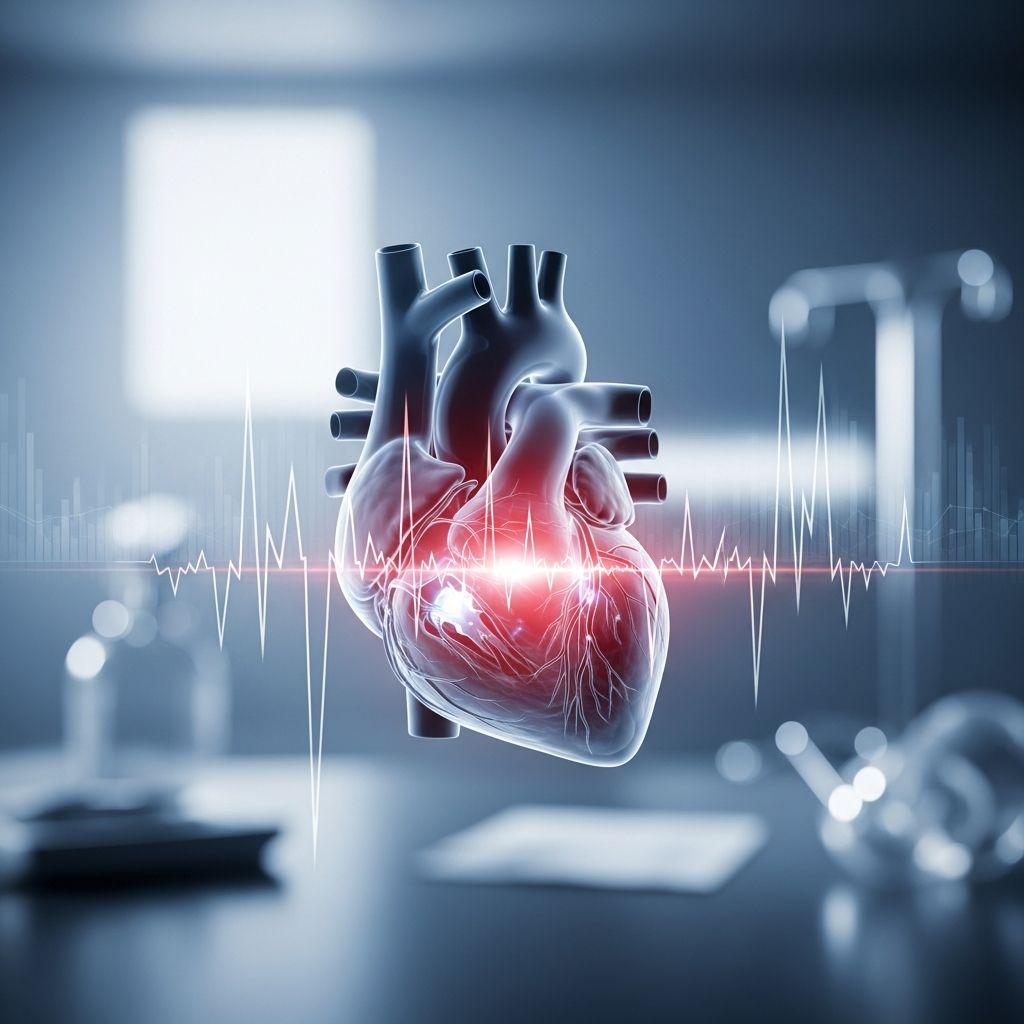
Heart palpitations represent an acute awareness of your heartbeat, a sensation that can range from mildly uncomfortable to genuinely alarming. While many people experience palpitations at some point in their lives, understanding what they are, what triggers them, and when they warrant medical evaluation is essential for maintaining cardiovascular health and peace of mind.
What Exactly Are Heart Palpitations?
Heart palpitations are fundamentally an heightened perception of your heart’s activity within your chest. Rather than occurring silently in the background as they normally do, palpitations bring your heartbeat into sharp focus, creating a noticeable sensation that demands your attention.
Unlike a diagnosis, palpitations function as a symptom—an indicator that something has shifted in how your cardiovascular system is functioning or how your body is perceiving that function. The key distinction is that the sensation itself is not necessarily dangerous; rather, it signals that your heart’s rhythm, rate, or contractile force has changed from your normal baseline.
How Palpitations Feel: Describing the Sensation
Palpitations manifest differently depending on the underlying cause and individual physiology. Common descriptions include:
- Fluttering sensations — Often described as a butterfly-like feeling in the chest, reminiscent of rapid, delicate movements
- Racing heartbeats — A sensation of rhythmic pounding that feels faster than normal, often noticeable during rest when the heart should be calm
- Skipped beats — A brief pause in the heartbeat followed by a forceful thump, creating an unsettling interruption in rhythm
- Pounding — An unusually strong or powerful beat that may be felt through the chest wall
- Flip-flopping — The sensation that the heart has literally turned over in the chest cavity
- Irregular patterns — A heartbeat that lacks its normal consistency, creating an unpredictable sensation
Palpitations may be localized to the chest, but many people also feel them in the throat, neck, or even extending into the upper abdomen. The duration varies considerably—some palpitations last only seconds, while others persist for minutes or even hours.
Understanding the Physiology Behind Palpitations
The sensation of palpitations arises when abnormal movement of the heart within the chest becomes noticeable. This occurs through several mechanisms:
When your heart beats, it contracts and relaxes in a coordinated pattern controlled by electrical impulses. When these impulses function normally, the contractions occur rhythmically and consistently, and you remain unaware of the process. However, when the electrical system malfunctions or when your heart’s rate increases significantly, the mechanical movements become pronounced enough to register in your conscious awareness.
In cases of isolated premature beats—extra contractions that occur out of sequence—you may feel the irregular beat itself, or more commonly, you’ll perceive the compensatory pause that follows and the subsequent stronger-than-normal beat that comes next. This post-extrasystolic beat often feels more forceful because the heart has had additional time to fill with blood before contracting, resulting in a more powerful contraction.
Common Triggers and Underlying Causes
Palpitations can originate from cardiac sources or non-cardiac factors. Understanding these distinctions helps determine whether evaluation by a healthcare provider is necessary.
Cardiac-Related Causes
Arrhythmias represent the most significant cardiac cause of palpitations. These irregular heartbeats occur when the electrical impulses coordinating your heartbeat malfunction, resulting in:
Related Stories



- Tachycardia—beats that occur too rapidly
- Bradycardia—beats that occur too slowly
- Irregular patterns that lack normal consistency
Structural heart disease encompasses conditions affecting the heart’s chambers, valves, or muscular walls. These defects, whether present from birth or acquired over time, can increase susceptibility to palpitations by altering normal electrical conduction or mechanical function.
Valve abnormalities prevent proper blood flow through the heart chambers, forcing the heart to work harder and potentially creating sensations of pounding or racing.
Non-Cardiac and Triggering Factors
Many palpitations occur without any underlying heart disease. Common non-cardiac triggers include:
- Psychological stress — Anxiety and emotional tension activate the sympathetic nervous system, increasing heart rate and contractility
- Physical exertion — Exercise naturally elevates heart rate; intense activity can create noticeable palpitations even in healthy individuals
- Caffeine and stimulants — These substances increase heart rate and can trigger palpitations, particularly in sensitive individuals
- Fever and illness — Infections elevate metabolic demands, causing compensatory increases in heart rate
- Electrolyte abnormalities — Imbalances in potassium, magnesium, or calcium disrupt electrical conduction in the heart
- Hyperthyroidism — Excessive thyroid hormone accelerates metabolism and heart rate
- Medication side effects — Certain drugs, including decongestants and some antidepressants, can trigger palpitations
- Hormonal fluctuations — Changes associated with menstruation, pregnancy, or menopause can precipitate episodes
When Are Palpitations Serious?
The critical factor in determining palpitation severity is not the sensation itself but rather the underlying cause and associated symptoms. A palpitation lasting a few seconds in an otherwise healthy individual differs dramatically from persistent palpitations accompanied by concerning symptoms.
Warning Signs Requiring Immediate Medical Attention
Seek emergency care or call your healthcare provider urgently if palpitations are accompanied by:
- Chest pain or pressure
- Severe shortness of breath
- Dizziness or lightheadedness
- Fainting or loss of consciousness
- Nausea or vomiting
- Profuse sweating
- A sensation of impending doom or severe anxiety
- Palpitations lasting minutes to hours rather than seconds
Risk Stratification
Palpitations are more likely to indicate a serious condition if you have:
- Known heart disease at the time symptoms begin
- Multiple significant risk factors for cardiovascular disease
- A family history of sudden cardiac death or serious arrhythmias
- Previous episodes of documented arrhythmias
- Age-related cardiac risk factors
Evaluation and Diagnosis
Healthcare providers assess palpitations through a systematic approach designed to identify the underlying cause and determine necessary treatment.
Medical History and Symptom Description
Your doctor will ask detailed questions about when palpitations occur, how long they last, whether they follow any pattern, and what you were doing when they began. Providing accurate descriptions of the sensation—whether it feels like fluttering, racing, skipping, or pounding—helps guide diagnostic decisions.
Diagnostic Testing
An electrocardiogram (ECG) represents the standard initial test, capturing your heart’s electrical activity at a single moment. However, since palpitations are often sporadic, a normal resting ECG does not rule out significant arrhythmias.
For patients whose palpitations occur intermittently, ambulatory monitoring devices may be recommended:
- Holter monitors — Portable devices worn for 24-48 hours that continuously record heart rhythm
- Event recorders — Devices activated by the patient when symptoms occur, allowing capture of the heart rhythm during actual palpitations
- Smartphone-based monitors — Portable devices that record rhythm when placed against the chest
Additional testing may include echocardiography to visualize heart structure and function, or stress testing to evaluate rhythm during physical exertion.
Management Approaches
Benign Palpitations Without Arrhythmia
When palpitations occur without documented arrhythmia, management focuses on reassurance and lifestyle modification. Many patients benefit from:
- Understanding that sensations of heart awareness without associated heart disease carry minimal medical risk
- Reducing or eliminating known triggers such as caffeine, stress, and stimulant medications
- Addressing anxiety through relaxation techniques or professional support
- Maintaining regular physical activity and cardiovascular fitness
- Ensuring adequate sleep and stress management
Palpitations Associated with Arrhythmias
When palpitations result from documented arrhythmias, treatment depends on the specific type of rhythm disturbance, its frequency, and whether it poses hemodynamic risk. Options may include medications to regulate rhythm, procedures such as ablation to eliminate abnormal electrical pathways, or device implantation for serious conditions.
Lifestyle Strategies to Reduce Palpitations
- Eliminate or reduce caffeine intake — This includes coffee, tea, energy drinks, and chocolate
- Manage stress effectively — Practice meditation, deep breathing, yoga, or other relaxation techniques
- Limit alcohol consumption — Alcohol can trigger arrhythmias in susceptible individuals
- Avoid stimulant medications — Decongestants and certain diet aids can precipitate palpitations
- Maintain electrolyte balance — Ensure adequate potassium and magnesium through diet
- Exercise regularly — Cardiovascular fitness improves cardiac stability and reduces baseline heart rate
- Control underlying conditions — Manage thyroid disease, hypertension, and other metabolic disorders
- Ensure adequate sleep — Sleep deprivation increases sympathetic activation and arrhythmia risk
Frequently Asked Questions
Are heart palpitations dangerous?
Most palpitations are not dangerous, particularly if they occur briefly and resolve spontaneously. However, palpitations accompanied by chest pain, shortness of breath, or loss of consciousness warrant urgent evaluation, as do palpitations persisting for extended periods in individuals with known heart disease.
Can anxiety cause palpitations?
Yes, anxiety is a common cause of palpitations. Psychological stress triggers release of adrenaline, which increases heart rate and contractility. Many people experience palpitations during panic attacks or periods of significant emotional stress.
Should I avoid exercise if I experience palpitations?
Not necessarily. While intense exercise can trigger palpitations in susceptible individuals, regular moderate exercise actually improves cardiovascular stability. Consult with your healthcare provider about appropriate activity levels based on your specific condition.
How long do palpitations typically last?
Duration varies widely. Most episodes last seconds to minutes, though some persist for hours. Palpitations lasting minutes to hours, particularly if accompanied by other symptoms, warrant medical evaluation.
Can diet affect palpitations?
Yes, diet influences palpitation frequency. Caffeine, excessive salt intake affecting electrolytes, and certain food additives can trigger episodes. Some individuals notice palpitations after eating large meals.
When should I contact my doctor about palpitations?
Contact your healthcare provider if palpitations are new, occur frequently, persist for extended periods, change in character, or are accompanied by other symptoms such as dizziness or chest discomfort. Any change from your baseline warrants professional evaluation.
Moving Forward with Palpitations
Heart palpitations, while often alarming, frequently resolve without serious intervention. The key is distinguishing between benign episodes triggered by stress or stimulants and those that signal underlying cardiac pathology. By maintaining awareness of your symptoms, identifying personal triggers, and seeking appropriate medical evaluation when necessary, you can effectively manage palpitations and maintain optimal cardiovascular health. Remember that most people experience palpitations at some point, and with proper understanding and management, they need not disrupt your quality of life.
References
- Palpitations – Clinical Methods — National Center for Biotechnology Information (NCBI), U.S. National Library of Medicine. Accessed February 2026. https://www.ncbi.nlm.nih.gov/books/NBK202/
- How serious are heart palpitations? Causes, symptoms and when to worry — American Heart Association. February 9, 2026. https://www.heart.org/en/news/2026/02/09/how-serious-are-heart-palpitations-causes-symptoms-and-when-to-worry
- Heart palpitations – Symptoms & causes — Mayo Clinic. https://www.mayoclinic.org/diseases-conditions/heart-palpitations/symptoms-causes/syc-20373196
- Heart Palpitation: Symptoms & Causes — NewYork-Presbyterian Hospital. https://www.nyp.org/heart/arrhythmias/heart-palpitations
- Heart palpitations — MedlinePlus Medical Encyclopedia, U.S. National Library of Medicine. https://medlineplus.gov/ency/article/003081.htm
- Heart Palpitations: Symptoms, Causes & Treatment — Cleveland Clinic. https://my.clevelandclinic.org/health/diseases/17084-heart-palpitations
Similar Articles








Read full bio of medha deb