Heart Palpitations: Symptoms, Causes & Treatment
Understanding heart palpitations: Learn causes, symptoms, diagnosis methods, and effective treatment options.
Understanding Heart Palpitations
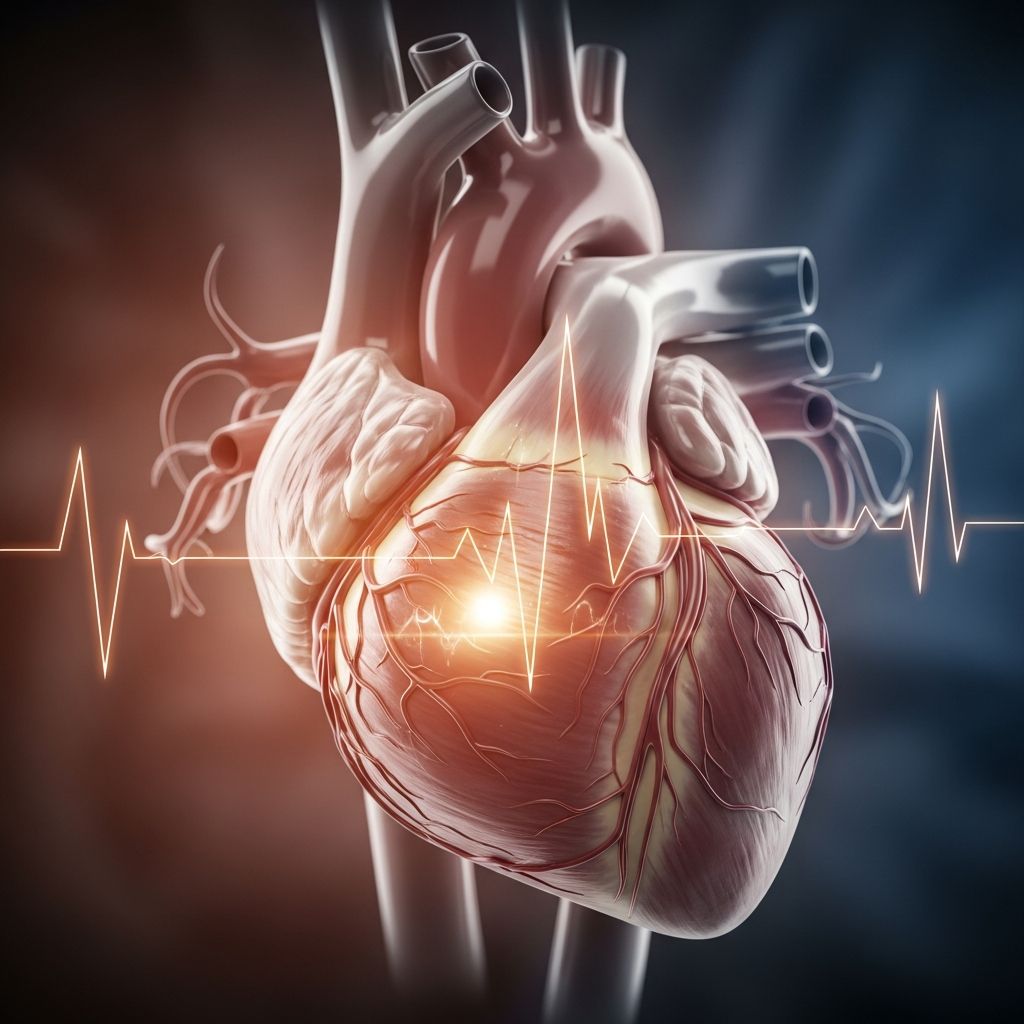
Heart palpitations refer to the sensation of your heart pounding, fluttering, racing, or skipping beats. You may feel your heart beating in your chest, neck, or throat, and these sensations can last for seconds, minutes, hours, or even longer. While heart palpitations can feel alarming and concerning, they are not always indicative of a serious medical condition. However, understanding what causes them and recognizing when they require medical attention is essential for maintaining your cardiovascular health.
It’s important to distinguish between a palpitation, which is a fleeting change in your heartbeat, and an arrhythmia, which is a heartbeat that’s too fast or too slow for a prolonged period. Some arrhythmias can lead to serious complications like stroke and heart failure, making professional evaluation crucial when symptoms persist.
What Causes Heart Palpitations?
Heart palpitations can be triggered by a variety of factors, ranging from benign lifestyle choices to underlying medical conditions. Understanding these causes can help you identify potential triggers and work with your healthcare provider to manage your symptoms effectively.
Common Triggers and Causes
- Emotions: Strong emotions such as anxiety, stress, fear, and panic can trigger heart palpitations by activating your body’s fight-or-flight response.
- Caffeine consumption: Excessive caffeine intake from coffee, tea, energy drinks, or chocolate can stimulate your heart and cause irregular beats.
- Smoking: Tobacco use can irritate your heart tissue and lead to palpitations.
- Exercise: Intense physical activity or sudden exertion can cause your heart to beat faster than normal.
- Pregnancy: Hormonal changes and increased blood volume during pregnancy can lead to palpitations.
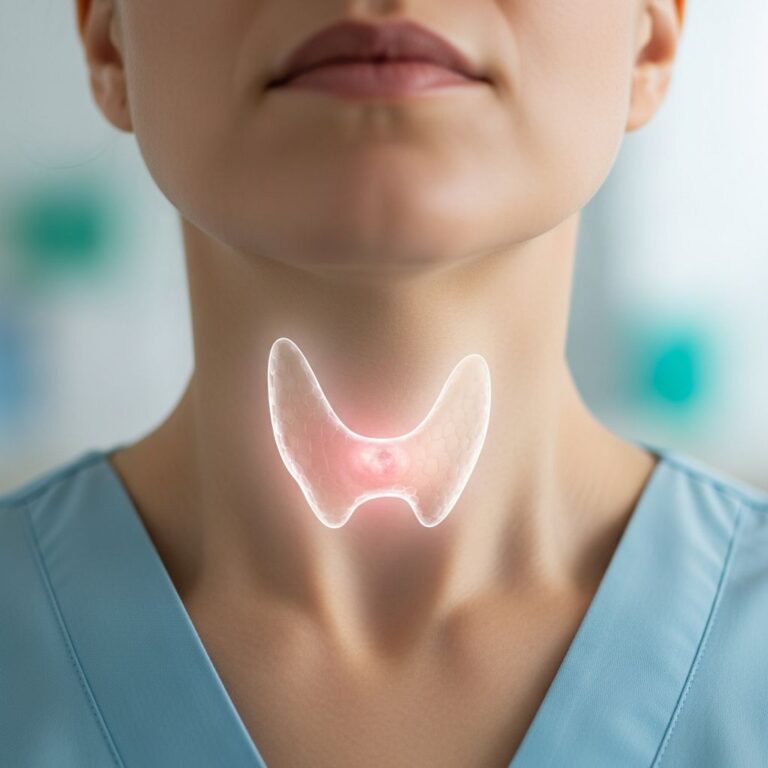
- Overactive thyroid: Hyperthyroidism increases your metabolic rate, causing your heart to beat faster.
- Low blood sugar levels: Hypoglycemia can trigger palpitations as your body responds to energy depletion.
- Fever: Elevated body temperature increases your heart rate, potentially causing palpitations.
- Dehydration: Insufficient fluid intake can affect blood volume and heart function.
- Certain medications: Some drugs can cause or worsen palpitations as a side effect.
Medical Conditions Associated with Palpitations
Heart palpitations can also be caused by underlying medical conditions that require professional diagnosis and treatment:
- Atrial fibrillation (AFib): An irregular heart rhythm that begins in your heart’s upper chambers, causing chaotic electrical signals and irregular contractions.
- Ventricular tachycardia: A fast, abnormal heart rhythm originating from the lower chambers of the heart.
- Anemia: Low red blood cell count reduces oxygen-carrying capacity, forcing your heart to work harder.
- Thyroid disorders: Both overactive and underactive thyroid conditions can affect heart rhythm.
- Heart disease: Various forms of heart disease can manifest with palpitations.
- Electrolyte imbalances: Abnormal levels of potassium, magnesium, or calcium can disrupt electrical signals in your heart.
Recognizing Symptoms of Heart Palpitations
Heart palpitations present with distinct sensations that vary from person to person. Common symptoms include:
- A racing or excessively fast heartbeat
- A fluttering sensation in your chest
- Your heart pounding or throbbing noticeably
- Sensation of skipped heartbeats
- Feeling your heartbeat in your throat, neck, or ears
When to Seek Emergency Care
While many cases of heart palpitations resolve on their own or respond well to home management, certain symptoms warrant immediate medical attention. Contact emergency services or go to the nearest emergency room if you experience:
- Chest pain that lasts more than several minutes
- Severe shortness of breath
- Fainting or loss of consciousness
- Severe dizziness or lightheadedness
- Palpitations accompanied by weakness or fatigue
- Unusual sweating along with palpitations
- Pain, pressure, or tightness in your chest, neck, jaw, arms, or upper back
Related Stories



Diagnostic Procedures and Tests
If you experience persistent heart palpitations, your healthcare provider will conduct a thorough evaluation to determine the underlying cause. The diagnostic process typically begins with a detailed medical history and physical examination.
Initial Evaluation
Your healthcare provider will ask about your symptoms, medical history, medications, and family history of heart problems. They will perform a physical examination that includes checking your pulse and blood pressure to establish baseline measurements.
Common Diagnostic Tests
Depending on your symptoms and physical examination findings, your provider may recommend:
- Electrocardiogram (EKG/ECG): A noninvasive test that records the electrical activity of your heart at rest, providing information about heart rhythm and structure.
- Blood tests: Including complete blood count (CBC) to check for anemia and tests to measure potassium levels and thyroid function.
- Holter monitor: A portable device worn for 24-48 hours that continuously records your heart’s electrical activity during normal daily activities.
- Event recorder: A wearable device that records heart rhythm when you press a button during symptoms, allowing monitoring over weeks or months.
- Stress test: Evaluates your heart’s response to physical exertion, revealing arrhythmias or ischemia that may appear only during activity.
- Chest X-ray: Provides imaging of your heart and lungs to identify structural abnormalities.
- Echocardiogram: An ultrasound of your heart that visualizes its structure and function in detail.
- Electrophysiology study: An invasive test where electrodes are positioned in your heart to map electrical pathways and identify arrhythmia sources.
- Cardiac catheterization: An invasive procedure allowing direct visualization and assessment of heart structure and function.
Treatment Options for Heart Palpitations
The appropriate treatment for heart palpitations depends entirely on the underlying cause. Your healthcare provider will tailor treatment recommendations based on your specific diagnosis and overall health status.
Lifestyle Modifications
For palpitations caused by identifiable triggers or benign causes, simple lifestyle changes may be sufficient:
- Reducing or eliminating caffeine consumption from coffee, tea, and energy drinks
- Avoiding tobacco and nicotine products
- Managing stress through relaxation techniques, meditation, or yoga
- Limiting alcohol consumption
- Maintaining adequate hydration
- Getting sufficient sleep and rest
- Avoiding known personal triggers
- Engaging in regular, moderate exercise as approved by your healthcare provider
Medication Management
If lifestyle modifications prove insufficient, your healthcare provider may prescribe medications to manage palpitations. Common medications include:
- Beta-blockers: Slow heart rate and reduce the force of heart contractions
- Calcium channel blockers: Help regulate heart rhythm and blood pressure
- Antiarrhythmic medications: Restore and maintain normal heart rhythm
Medical Procedures
For more serious arrhythmias or cases unresponsive to medication, your healthcare provider may recommend:
- Cardioversion: Electrical therapy that uses controlled shocks to restore normal heart rhythm
- Radiofrequency catheter ablation: Destroys the specific heart tissue causing abnormal electrical signals
- Implantable cardioverter-defibrillator (ICD): A device that monitors heart rhythm and delivers therapy when dangerous arrhythmias are detected
- Pacemaker: A device that helps regulate heart rhythm by delivering electrical impulses
Managing Palpitations at Home
If your healthcare provider has determined that your palpitations are not caused by a serious heart condition, you can employ several techniques to manage symptoms at home:
Relaxation and Vagal Maneuvers
Simple relaxation techniques can help calm your heart during palpitation episodes:
- Deep breathing exercises: Slow, deliberate breathing activates your parasympathetic nervous system
- Progressive muscle relaxation: Systematically tensing and releasing muscle groups
- Meditation and mindfulness: Focusing attention to reduce anxiety and stress
- Vagal maneuvers: Specific techniques like bearing down or splashing cold water on your face can sometimes reset your heart rhythm
Lifestyle Adjustments
Identifying and avoiding your personal triggers is crucial for long-term management. Keep a symptom diary to note when palpitations occur and what activities, foods, or situations preceded them. This information helps both you and your healthcare provider identify patterns and develop targeted management strategies.
Special Considerations
Palpitations and Anxiety
Heart palpitations frequently occur in individuals experiencing anxiety disorders. The relationship between anxiety and palpitations creates a challenging cycle: anxiety triggers palpitations, which then amplify anxiety. If you have chronic anxiety-related palpitations, proper treatment of your anxiety disorder through therapy, medication, or both can significantly reduce or eliminate palpitations. Cognitive-behavioral therapy, mindfulness-based approaches, and anxiety medications can all provide relief.
Palpitations During Pregnancy
Pregnancy commonly causes heart palpitations due to hormonal changes, increased blood volume, and the heart’s increased workload. While usually benign, pregnant individuals should report palpitations to their healthcare provider, especially those with pre-existing heart conditions. Most pregnancy-related palpitations resolve after delivery.
Age-Related Considerations
While occasional palpitations in younger individuals are often harmless, palpitations in older adults warrant more thorough evaluation, as they may indicate underlying arrhythmias or other cardiac conditions. Your age influences the urgency and extent of diagnostic testing recommended by your healthcare provider.
When to Contact Your Healthcare Provider
Schedule an appointment with your healthcare provider if you experience:
- Frequent episodes of palpitations
- Palpitations lasting longer than usual
- Palpitations accompanied by other symptoms like chest discomfort, shortness of breath, or dizziness
- Palpitations that don’t improve with lifestyle modifications
- New or worsening symptoms
- Palpitations beginning at an older age without previous episodes
Frequently Asked Questions
Q: Are heart palpitations always dangerous?
A: Not necessarily. Many heart palpitations are benign and caused by stress, caffeine, or exercise. However, palpitations accompanied by chest pain, shortness of breath, or fainting can indicate serious conditions requiring immediate medical evaluation.
Q: Can anxiety cause heart palpitations?
A: Yes, anxiety is a common trigger for heart palpitations. Anxiety-related palpitations typically resolve when anxiety decreases, and managing anxiety through therapy or medication can reduce or eliminate palpitations.
Q: How long do heart palpitations typically last?
A: Palpitation duration varies widely, ranging from seconds to minutes, hours, or even longer. Brief episodes are usually less concerning than prolonged or frequent palpitations.
Q: Can I prevent heart palpitations?
A: While you cannot always prevent palpitations, you can reduce their frequency by limiting caffeine, managing stress, avoiding smoking, staying hydrated, and getting adequate sleep.
Q: What is the difference between palpitations and arrhythmia?
A: Palpitations are the sensation you feel when your heart beats irregularly or forcefully, while arrhythmias are actual abnormal heart rhythms that may or may not cause noticeable symptoms.
Q: Should I go to the emergency room for heart palpitations?
A: Seek emergency care if palpitations are accompanied by chest pain, severe shortness of breath, fainting, severe dizziness, or unusual sweating. These symptoms can indicate serious cardiac conditions.
Q: Can heart palpitations go away on their own?
A: Yes, many heart palpitations resolve on their own, especially those caused by temporary triggers like stress or excessive caffeine. However, persistent palpitations should be evaluated by a healthcare provider.
Q: Are wearable heart rate monitors helpful for detecting palpitations?
A: Consumer-grade wearable devices can help track heart rate patterns and may alert you to irregularities, though they are not as precise as medical-grade monitoring systems used in clinical settings.
References
- Heart Palpitations: Symptoms, Causes & Treatment — Cleveland Clinic. 2024. https://my.clevelandclinic.org/health/diseases/17084-heart-palpitations
- Atrial Fibrillation (AFib): Symptoms & Treatment — Cleveland Clinic. 2024. https://my.clevelandclinic.org/health/diseases/16765-atrial-fibrillation-afib
- Ventricular Tachycardia: Symptoms & Treatment — Cleveland Clinic. 2024. https://my.clevelandclinic.org/health/diseases/17616-ventricular-tachycardia
- Anxiety & Heart Palpitations — Cleveland Clinic. 2024. https://my.clevelandclinic.org/health/diseases/21677-heart-palpitations-and-anxiety
- How To Stop Your Heart Palpitations at Home — Cleveland Clinic Health Essentials. 2024. https://health.clevelandclinic.org/how-to-stop-palpitations
- When To Worry About Heart Palpitations — Cleveland Clinic Health Essentials. 2024. https://health.clevelandclinic.org/heart-palpitations-can-scary-dont-always-signal-problem
- Consumer-grade wearable cardiac monitors: What they do well, and what they don’t — Cleveland Clinic Journal of Medicine. 2024. https://www.ccjm.org/content/91/1/23
Similar Articles








Read full bio of Sneha Tete