Heart Rate Variability (HRV): What It Is and How You Can Improve It
Understand heart rate variability, its health implications, and practical strategies to enhance your cardiovascular wellness.
Understanding Heart Rate Variability (HRV)
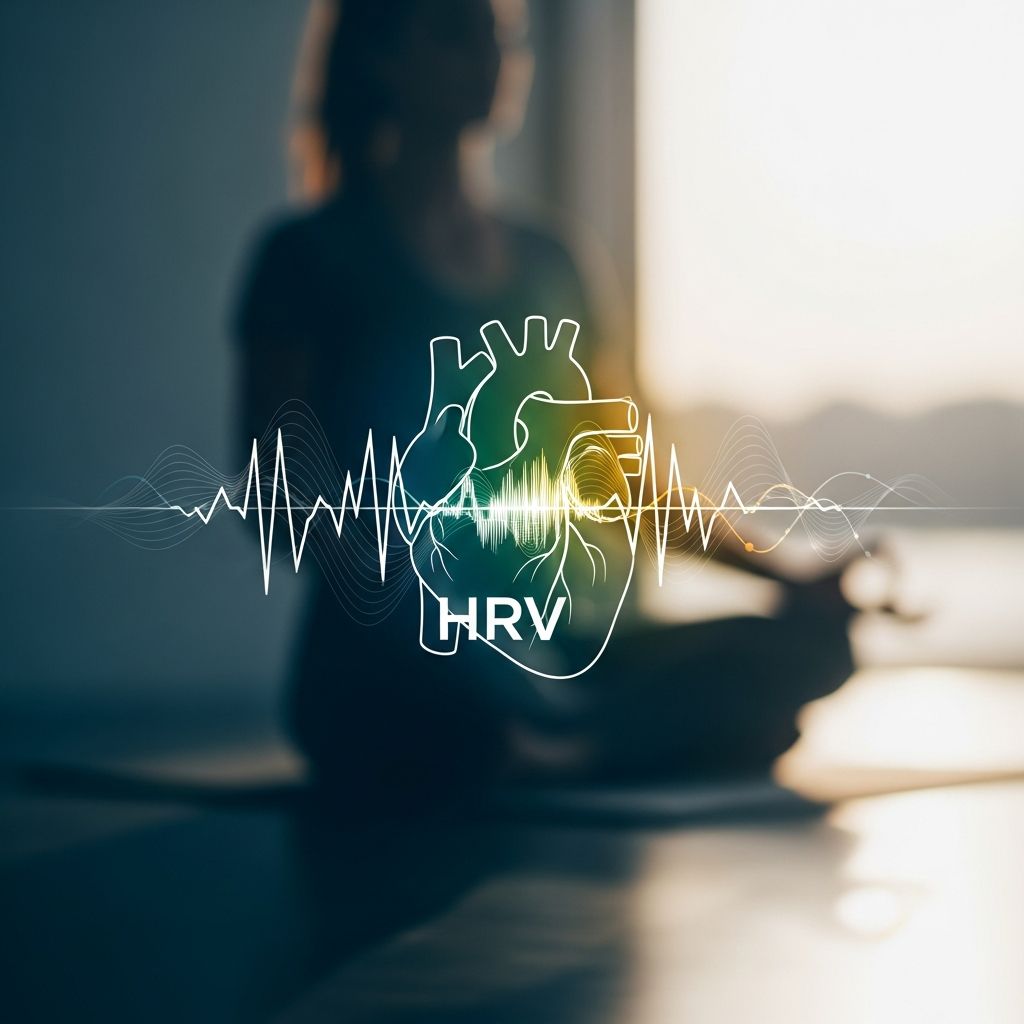
Heart rate variability, commonly referred to as HRV, is the natural fluctuation in the time interval between consecutive heartbeats. While your heart maintains a baseline rhythm, the precise timing between each beat varies slightly in response to your body’s physiological needs and external circumstances. These variations, though imperceptible to the human eye and undetectable without specialized medical equipment, carry significant implications for your overall health and well-being.
Your heart does not beat with metronome-like precision. Instead, the intervals between heartbeats constantly shift in response to breathing patterns, emotional states, physical activity, and your autonomic nervous system’s regulation. This natural variability is actually a sign of a healthy, adaptive cardiovascular system that can respond flexibly to changing demands.
The Basics of Heart Rate and Variability
At any given moment, your heart beats at a specific rate determined by your body’s immediate requirements. When you are resting or in a relaxed state, your heart rate slows down, allowing for greater time intervals between beats. Conversely, during periods of physical activity, stress, or danger, your heart rate accelerates, reducing the spacing between consecutive heartbeats. This dynamic responsiveness reflects your body’s continuous adjustment to internal and external demands.
The variability in your heart rate is not random but rather a sophisticated orchestration of physiological systems working in concert. Your respiratory patterns directly influence HRV, as breathing affects intrathoracic pressure and venous return to the heart. Additionally, various medications and medical devices, such as pacemakers, can modify how your heart rate varies. It is also important to note that HRV naturally tends to decrease as you age, representing a normal aspect of cardiovascular aging.
What Low Heart Rate Variability Means for Your Health
Low heart rate variability is generally considered an indicator of diminished cardiovascular resilience and reduced ability to adapt to changing physiological demands. When your HRV is low, it suggests your body struggles to adjust appropriately to stress and environmental changes, signaling potential current or future health complications.
The relationship between low HRV and health conditions is well-established in medical research. Low HRV is more prevalent among individuals with higher resting heart rates, as the faster baseline heart rate leaves less temporal space between beats for variability to occur. This pattern is commonly observed in conditions including:
- Diabetes
- High blood pressure (hypertension)
- Heart arrhythmia
- Asthma
- Anxiety disorders
- Depression
HRV as a Predictor of Cardiac Mortality
Research demonstrates that HRV possesses significant predictive value for cardiac outcomes. In clinical studies using 24-hour Holter recordings to measure HRV, specifically through a metric called SDNN (Standard Deviation of Normal-to-Normal intervals), patients with low values (SDNN less than 70 milliseconds) demonstrated a substantially increased multivariate risk of cardiac mortality. This predictive capacity appears to be independent of other established cardiac risk factors, such as depressed left ventricular ejection fraction and the presence of late potentials.
Related Stories



For patients with congestive heart failure (CHF), the relationship becomes even more pronounced. Studies examining CHF patients revealed that those with SDNN values below 65.3 milliseconds experienced significantly elevated risk of sudden cardiac death. The combination of low SDNN with severely reduced left ventricular ejection fraction (LVEF less than 35 percent) conveyed a relative risk of 6.7 compared with patients maintaining LVEF above 35 percent.
The Connection Between Depression and Heart Rate Variability
Depression represents a significant and independent risk factor for cardiac morbidity and mortality in patients with coronary heart disease (CHD). This elevated risk is partially mediated through autonomic nervous system dysfunction, and research strongly suggests that reduced HRV may account for a substantial portion of the increased cardiovascular risk associated with depression.
Low HRV reflects excessive sympathetic nervous system activity and/or inadequate parasympathetic modulation of heart rate, both hallmarks of cardiovascular dysregulation observed in depression. Multiple studies examining both stable CHD patients and those recovering from acute coronary events consistently demonstrate that depressed patients exhibit significantly lower HRV compared to their non-depressed counterparts. This association suggests that interventions targeting depression may provide secondary benefits for cardiac health through HRV improvement.
HRV in Coronary Artery Disease
Patients diagnosed with coronary artery disease (CAD) demonstrate a complex relationship between HRV and inflammatory markers. Research examining 100 patients with acute coronary syndrome found significant associations between time and frequency domain indices of HRV and circulating inflammatory markers, including interleukin-6 (IL-6), high-sensitivity C-reactive protein (hs-CRP), and white blood cell counts, with comparisons made against healthy control subjects.
Additional investigations in CAD populations revealed that SDNN values were significantly higher in patients with lower CRP levels compared to those with elevated CRP, with these associations strengthening in patients with prior myocardial infarction and significant coronary stenoses. Furthermore, negative correlations emerged between CRP and HRV frequency components, with decreased high-frequency power (reflecting vagal tone) observed in the highest CRP quartile compared to the lowest. These findings underscore the intimate relationship between HRV, inflammatory status, and coronary pathology.
Physiological Origins of Heart Rate Variability
High-Frequency Oscillations and the Vagus Nerve
The high-frequency components of HRV originate from cyclic variations in intrathoracic pressure that directly influence venous return and cardiac output, consequently affecting blood pressure. These pressure changes are detected by specialized baroreceptors, which trigger autonomic nervous system adjustments to normalize blood pressure. This baroreceptor feedback is mediated through the vagus nerve, which serves as the parasympathetic pathway for heart rate control. Evidence for vagal mediation includes the observation that atropine administration, which blocks vagal signaling, abolishes high-frequency oscillations in heart rate.
Low-Frequency Oscillations and Autonomic Integration
Low-frequency oscillations in HRV emerge from the complex interaction between the baroreflex feedback loop and the autonomic nervous system’s sympathetic and parasympathetic branches. According to baroreflex theory, blood pressure changes detected by arterial baroreceptors trigger heart rate adjustments through central nervous system processing, incorporating both rapid vagal responses and slower sympathetic actions. The delay inherent in the sympathetic branch of the baroreflex generates a new oscillation cycle, which the baroreflex senses and responds to, creating characteristic low-frequency oscillations.
An alternative theoretical framework proposes that low-frequency oscillations arise from the resonant interaction between slow sympathetic and fast vagal responses, where baroreflex buffering of respiratory-induced blood pressure oscillations produces low-frequency resonance due to the inherent delay in the sympathetic conducting pathway.
Intracardiac Mechanisms of HRV
Beyond nervous system mechanisms, HRV also originates from intracardiac sources. Central nervous system mechanisms can produce HRV through radiation of respiratory center activity from the medulla to cardiovascular autonomic centers. Additionally, stretch of the right atrium and sinus node region may generate HRV through intrinsic cardiac reflexes. Research employing canine models has demonstrated that rhythmic variations in heart rate and ventricular pressure waves may coincide with rib cage movements in innervated left ventricular preparations, supporting the contribution of respiratory mechanics to HRV.
The contemporary understanding recognizes that multiple mechanisms—including baroreceptor feedback, autonomic nervous system balance, central nervous system radiation, and cardiac intrinsic properties—collectively contribute to the HRV observed in normal physiology.
Measuring Heart Rate Variability
Heart rate variability with deep breathing (HRVdb) has emerged as a highly sensitive clinical measure for assessing cardiovagal and parasympathetic cardiac function. This test provides reliable and sensitive early detection of cardiovagal dysfunction across diverse autonomic disorders, making it a standard component of cardiovascular autonomic function testing batteries employed in clinical autonomic laboratories.
Assessment Methods
Two widely employed methods for measuring HRV during deep breathing include:
- Mean Heart Rate Range (MHRR): This method involves a series of successive deep breaths, typically at least six breaths at a rate of five or six breaths per minute. The MHRR is calculated by subtracting the maximum heart rate during inspiration from the minimum heart rate during expiration for each breathing cycle, then determining the mean of these differences.
- Expiratory-to-Inspiratory Ratio (E:I): This ratio compares heart rate variations during expiration relative to those during inspiration, providing another standardized measure of HRV response to respiration.
Factors Influencing Your Heart Rate Variability
Multiple physiological and environmental factors directly influence your HRV measurements:
- Age: HRV naturally decreases with advancing age, representing normal cardiovascular aging.
- Medications: Certain medications can either increase or decrease HRV depending on their mechanism of action and effects on autonomic tone.
- Medical Devices: Pacemakers and other cardiac devices can alter HRV patterns through their regulatory effects on heart rhythm.
- Resting Heart Rate: Individuals with higher baseline resting heart rates typically exhibit lower HRV due to reduced time intervals between beats.
- Physical Fitness: Regular aerobic exercise typically enhances HRV, reflecting improved cardiovascular adaptation.
- Stress and Emotional State: Acute stress and negative emotions reduce HRV, while relaxation and positive emotions enhance it.
- Sleep Quality: Poor sleep and sleep disorders are associated with reduced HRV.
- Respiratory Patterns: Regular, slow breathing patterns support higher HRV compared to irregular or rapid breathing.
Practical Strategies to Improve Your Heart Rate Variability
Cardiovascular Exercise
Regular aerobic exercise represents one of the most effective interventions for enhancing HRV. Consistent cardiovascular training improves the efficiency and responsiveness of your autonomic nervous system, allowing greater flexibility in heart rate regulation. Aim for at least 150 minutes of moderate-intensity aerobic activity weekly.
Stress Management and Relaxation
Chronic stress substantially reduces HRV through sympathetic nervous system overactivation. Implementing stress management techniques such as meditation, progressive muscle relaxation, mindfulness practices, and deep breathing exercises can restore parasympathetic tone and improve HRV. Even brief daily relaxation sessions demonstrate measurable benefits.
Respiratory Practices
Deliberate slow, deep breathing at rates of five to six breaths per minute has been shown to enhance HRV significantly. Regular breathing exercises, particularly those incorporating extended exhalations, activate the parasympathetic nervous system and promote greater heart rate variability.
Sleep Optimization
Prioritizing adequate, high-quality sleep is essential for HRV improvement. Aim for seven to nine hours nightly, maintain consistent sleep-wake schedules, and optimize your sleep environment for darkness and temperature control.
Lifestyle Modifications
Limit alcohol and caffeine consumption, as these substances can suppress HRV. Maintain a heart-healthy diet rich in fruits, vegetables, whole grains, and omega-3 fatty acids. Regular light to moderate physical activity and maintaining a healthy weight all contribute to improved HRV.
Mental Health Support
Given the strong connection between depression and reduced HRV, addressing mental health through therapy, counseling, or psychiatric treatment may substantially improve cardiovascular autonomic function and HRV.
Frequently Asked Questions About Heart Rate Variability
Q: What is considered normal heart rate variability?
A: Normal HRV varies considerably among individuals based on age, fitness level, and health status. Generally, higher HRV indicates better cardiovascular health and autonomic flexibility. Values are typically measured in milliseconds, with younger, healthier individuals demonstrating higher HRV than older individuals or those with chronic conditions.
Q: Can I measure my own heart rate variability at home?
A: Yes, several consumer-grade heart rate monitors and fitness trackers now provide HRV measurements. However, for clinical assessment of cardiovagal dysfunction, testing should be performed in professional settings using standardized protocols such as HRV with deep breathing.
Q: Does exercise immediately improve heart rate variability?
A: While acute exercise increases heart rate, consistent regular aerobic training over weeks and months progressively enhances HRV. The improvements reflect long-term adaptations in autonomic nervous system function and cardiovascular efficiency.
Q: Is low heart rate variability always a sign of disease?
A: Low HRV can indicate health concerns, but context matters significantly. Temporary reductions occur during acute stress or illness. However, persistently low HRV warrants medical evaluation, as it may signal underlying cardiovascular or autonomic dysfunction.
Q: Can medications affect my heart rate variability?
A: Yes, various medications influence HRV through their effects on the autonomic nervous system. Beta-blockers, for instance, may reduce HRV, while certain other medications might improve it. Discuss HRV changes with your healthcare provider if you notice changes after medication adjustments.
References
- Association of Heart Rate Variability and Inflammatory Response in a Healthy Population — National Center for Biotechnology Information (NCBI). 2013. https://pmc.ncbi.nlm.nih.gov/articles/PMC3706751/
- Heart Rate Variability (HRV): What It Is and How You Can Improve It — Cleveland Clinic. 2024. https://my.clevelandclinic.org/health/symptoms/21773-heart-rate-variability-hrv
- Depression and Heart Rate Variability in Patients with Coronary Heart Disease — Washington University School of Medicine. 2009. https://profiles.wustl.edu/en/publications/depression-and-heart-rate-variability-in-patients-with-coronary-h/
- Heart Rate Variability with Deep Breathing as a Clinical Test for Cardiovagal Function — Cleveland Clinic Journal of Medicine. 2009. https://www.ccjm.org/content/76/4_suppl_2/S37
- Autonomic Nervous System Assessment in Coronary Heart Disease and Depression — Cleveland Clinic Foundation. 2009. https://www.ccjm.org/content/76/4_suppl_2/S13
- Cardiovagal Function Testing and Autonomic Disorders — MDedge/Cleveland Clinic Journal of Medicine. 2009. https://mdedge.com/ccjm/article/95177/heart-rate-variability-deep-breathing-clinical-test-cardiovagal-function
Similar Articles








Read full bio of Sneha Tete