Heart Rhythms: Normal vs. Cause for Concern
Understanding your heart's rhythm: Learn what's normal and when to seek medical help.
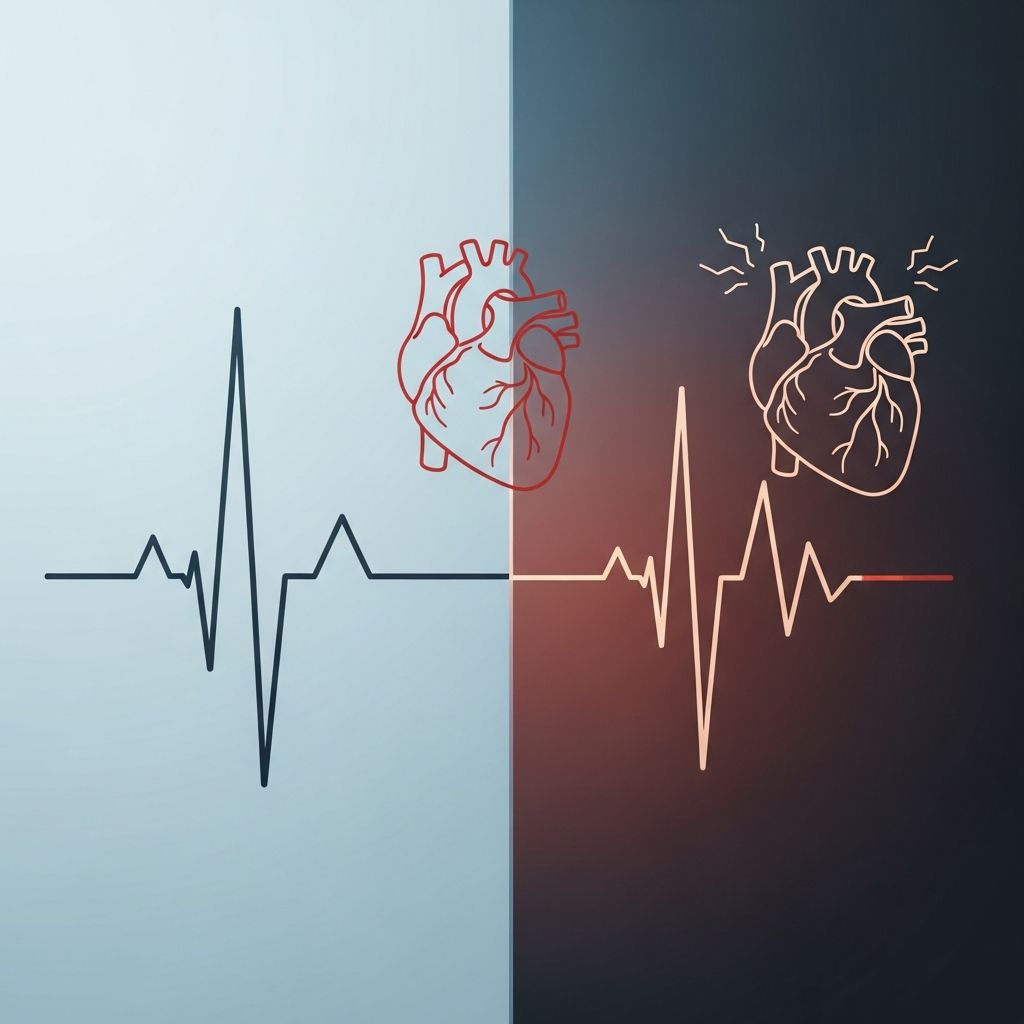
Heart Rhythms: What’s Normal Versus Cause for Concern
Your heart beats approximately 100,000 times each day, maintaining a steady rhythm that sustains your life. For most people, this rhythmic lub-dub, lub-dub is so consistent and automatic that they never think about it. However, for some individuals, the heart’s electrical system can misfire, leading to irregular heartbeats known as arrhythmias. Understanding the difference between normal heart rhythms and concerning patterns is essential for maintaining cardiovascular health and knowing when to seek medical attention.
How Your Heart’s Electrical System Works
Your heart’s rhythm is controlled by its electrical system, which operates like a sophisticated biological pacemaker. The sinoatrial (SA) node, located in the upper right atrium, acts as your heart’s natural pacemaker and governs both the rate and rhythm of your heartbeat. When the SA node functions normally, it generates electrical signals that travel through the heart’s chambers in a coordinated sequence. These signals cause the atria (upper chambers) to contract first, pushing blood into the ventricles (lower chambers), which then contract to pump blood throughout your body.
Special muscle fibers within the heart conduct these electrical messages efficiently through the chambers. The atrioventricular (AV) node acts as a filter, allowing controlled transmission of electrical impulses from the atria to the ventricles. When this system works properly, you experience normal sinus rhythm—a regular, coordinated heartbeat that maintains optimal blood circulation.
What Constitutes a Normal Heart Rate
A normal resting heart rate for adults typically ranges from 60 to 100 beats per minute (bpm). However, your heart rate naturally varies depending on your activity level and physical condition. During sleep or complete rest, your heart rate may drop to 40-50 bpm, while exercise or stress can elevate it significantly. Athletes often have lower resting heart rates due to their cardiovascular conditioning. The key indicator of normalcy is consistency and predictability—your heartbeat should maintain a regular pattern with even intervals between beats.
Several factors influence your normal heart rate, including age, fitness level, emotional state, medications, and overall health. As you age, your maximum heart rate gradually decreases, which is a natural adaptation as the heart becomes more efficient. Understanding your own baseline normal heart rate helps you recognize when something feels different.
Understanding Arrhythmias
An arrhythmia is an abnormality in the timing or pattern of your heartbeat. When you experience an arrhythmia, your heart may beat too quickly (tachycardia), too slowly (bradycardia), or with an irregular rhythm that feels like skipping beats. These disruptions occur when the heart’s electrical system malfunctions, either because the SA node develops an abnormal rate, the electrical signal becomes interrupted, or another part of the heart beats faster than the SA node and produces its own electrical signal.
Types of Arrhythmias
Tachyarrhythmias (Fast Heart Rhythms)
Tachyarrhythmias occur when the heart beats too rapidly, typically over 100 bpm at rest. The most common type is atrial fibrillation (AFib), where the heart’s atria quiver chaotically rather than contract forcefully. This irregular activity in the atria can cause the heart rate to jump between 100 and 180 bpm many times during a single minute interval. In AFib, electrical signals misfire from multiple areas of the atria rather than originating from the SA node, leading to less efficient blood circulation.
Atrial flutter is another tachyarrhythmia where the atrium beats at approximately 300 bpm, though the AV node acts as a filter, limiting the number of impulses that reach the ventricles. Supraventricular tachycardias (SVTs) represent another category of fast rhythms originating above the ventricles. Ventricular tachycardia, originating in the lower chambers, can be particularly dangerous and may result from scar tissue caused by previous heart attacks or irritable areas within the ventricles. This condition can cause heart rates between 100 and 300 bpm.
Related Stories



Bradyarrhythmias (Slow Heart Rhythms)
Bradyarrhythmias involve abnormally slow heart rates, generally defined as fewer than 60 bpm during waking hours. While a heart rate of 50-60 bpm can be normal for athletes or during sleep, persistent slow rates below 50 bpm during daytime activities warrant medical evaluation, especially if accompanied by symptoms like lightheadedness or fatigue.
Premature Beats
Premature or ectopic beats occur when an area of the heart other than the SA node generates an electrical signal, causing an earlier-than-expected heartbeat. These may feel like extra beats, skipping sensations, or forceful beats. Premature atrial contractions (PACs) originate in the atria, while premature ventricular contractions (PVCs) originate in the ventricles. Most people experience occasional premature beats—up to 500 per day is considered normal—though higher frequencies (10,000-20,000 daily) may warrant investigation.
Symptoms and Warning Signs
Many arrhythmias produce no symptoms at all, and some people only discover them during routine medical examinations. However, when symptoms do occur, they can include:
- Heart palpitations—a fluttering, racing, or pounding sensation in the chest
- Lightheadedness or dizziness
- Shortness of breath
- Chest discomfort or pressure
- Fatigue or weakness
- Decreased exercise tolerance
- Fainting or syncope
The severity of symptoms doesn’t always correlate with the seriousness of the arrhythmia. Some people with life-threatening conditions experience minimal symptoms, while others may feel significantly bothered by benign arrhythmias. This is why proper medical evaluation is crucial whenever you notice changes in your heart’s rhythm.
When to Contact Your Doctor
You should seek medical attention if you experience:
- New or worsening heart palpitations
- Persistent irregular heartbeats lasting more than a few minutes
- Dizziness or lightheadedness accompanying heart rhythm changes
- Chest pain or pressure with palpitations
- Shortness of breath that coincides with heart rhythm disturbances
- Fainting or near-fainting episodes
- Sudden onset of very rapid heart rate
These symptoms may indicate a serious arrhythmia requiring immediate medical evaluation. In emergency situations—such as chest pain, severe shortness of breath, fainting, or collapse—call emergency services immediately.
Risk Factors and Causes
Various factors can predispose you to arrhythmias. Age is a significant risk factor; atrial fibrillation becomes increasingly common after age 50, with prevalence rising to 1 in 10 people by age 81. AFib also affects more men than women, though it occurs in both populations. Other risk factors include:
- High blood pressure
- Heart disease or previous heart attacks
- Heart valve problems
- Thyroid disorders
- Lung disease
- Diabetes
- Obesity
- Sleep apnea
- Excessive caffeine or alcohol consumption
- Certain medications
- Stimulant use
- Severe stress or emotional distress
- Fever or acute illness
Understanding your personal risk factors allows you to make informed lifestyle choices and work with your healthcare provider to minimize arrhythmia development.
Diagnosis and Evaluation
When you report symptoms or your doctor suspects an arrhythmia, several diagnostic tools help identify the problem. The most common is an electrocardiogram (EKG or ECG), which records your heart’s electrical activity. During an EKG, electrodes placed on your skin detect and display electrical signals, revealing the heart’s rhythm patterns. A normal EKG shows the characteristic P wave (atrial contraction), PR interval (conduction through the AV node), QRS complex (ventricular contraction), and T wave (ventricular recovery).
For arrhythmias that don’t occur frequently, a Holter monitor—a portable EKG device worn for 24-48 hours—can capture your heart’s rhythm during daily activities. Event monitors, worn for longer periods, activate only when you experience symptoms, allowing documentation of sporadic arrhythmias. Echocardiograms use ultrasound to visualize heart structure and function, while blood tests may evaluate thyroid function, electrolyte levels, and cardiac markers.
Health Implications
The significance of an arrhythmia depends on its type, frequency, and your underlying heart health. Some arrhythmias are entirely benign and require no treatment, while others can lead to serious complications. Atrial fibrillation significantly increases stroke risk because irregular atrial contractions can allow blood to pool and form clots that may travel to the brain. Certain ventricular arrhythmias can cause sudden cardiac arrest, a life-threatening condition where the heart stops pumping blood effectively to the body, causing loss of consciousness and potential death within minutes.
Even asymptomatic arrhythmias warrant medical attention when they’re structurally important, frequent, or associated with underlying heart disease. Your cardiologist can assess your individual risk and recommend appropriate management strategies.
Management and Treatment Options
Treatment approaches depend on the arrhythmia type, severity, symptoms, and your overall health. Many benign arrhythmias require no treatment beyond lifestyle modifications and regular monitoring. For symptomatic or dangerous arrhythmias, options include:
Medications
Antiarrhythmic drugs can restore normal sinus rhythm or control heart rate. Beta-blockers slow the heart rate, while other medications prevent arrhythmia recurrence. Anticoagulants reduce stroke risk in conditions like atrial fibrillation.
Procedures
Catheter ablation uses radiofrequency energy or cryotherapy to eliminate problematic heart tissue causing arrhythmias. Electrical cardioversion delivers a synchronized shock to restore normal rhythm. In some cases, permanent pacemakers or implantable cardioverter-defibrillators (ICDs) are necessary to maintain proper heart rhythm and prevent life-threatening episodes.
Lifestyle Modifications
Regardless of your arrhythmia status, heart-healthy lifestyle choices support optimal cardiac rhythm:
- Maintain regular physical activity as tolerated and recommended by your doctor
- Limit caffeine and alcohol consumption
- Manage stress through relaxation techniques, meditation, or counseling
- Maintain a heart-healthy diet rich in fruits, vegetables, whole grains, and lean proteins
- Achieve and maintain a healthy weight
- Control blood pressure and blood sugar levels
- Get adequate sleep and address sleep disorders
- Avoid smoking and secondhand smoke
- Take medications as prescribed
Frequently Asked Questions
Q: Is an occasional skipped heartbeat normal?
A: Occasional premature beats are quite common and usually harmless, especially if you experience only a few per day. However, if these episodes increase in frequency or are accompanied by symptoms, consult your doctor.
Q: Can stress cause arrhythmias?
A: Yes, severe stress and emotional distress can trigger arrhythmias in susceptible individuals. Managing stress through relaxation techniques, exercise, and professional support can help minimize arrhythmia episodes.
Q: Is atrial fibrillation always dangerous?
A: While atrial fibrillation significantly increases stroke risk, not all cases are immediately life-threatening. However, all cases of AFib warrant medical evaluation and appropriate treatment to reduce complications.
Q: Can exercise trigger arrhythmias?
A: Exercise can occasionally trigger arrhythmias, particularly in individuals with underlying heart conditions. Discuss your exercise plans with your doctor, who can recommend safe activities and intensity levels.
Q: How often should I have my heart rhythm monitored?
A: Monitoring frequency depends on your specific condition and treatment plan. Your cardiologist will establish an appropriate schedule based on your individual needs and risk factors.
References
- Johns Hopkins Medicine: Atrial Fibrillation – The Latest Management Approaches — Johns Hopkins Medicine. 2024. https://www.hopkinsmedicine.org/health/wellness-and-prevention/heart-rhythms-whats-normal-versus-cause-for-concern
- Secret and Not So Secret Signs of Arrhythmia — Johns Hopkins Medicine. 2024. https://www.youtube.com/watch?v=wyfuU7YH9Sc
- AI Predicts If and When Someone Will Experience Cardiac Arrest — Johns Hopkins Hub. 2022-04-07. https://hub.jhu.edu/2022/04/07/trayanova-artificial-intelligence-cardiac-arrhythmia/
- The Johns Hopkins Ciccarone Center’s Expanded ABC’s Approach to Cardiovascular Disease — Johns Hopkins Medicine. 2022. https://pmc.ncbi.nlm.nih.gov/articles/PMC8315585/
- Low Gravity in Space Travel Found to Weaken and Disrupt Normal Heart Rhythms — Johns Hopkins Hub. 2024-09-23. https://hub.jhu.edu/2024/09/23/heart-tissue-disrupted-by-space-travel/
Similar Articles








Read full bio of Sneha Tete