Heart Valve Diseases: Types, Symptoms, and Treatment
Comprehensive guide to understanding heart valve diseases, their causes, symptoms, and available treatment options.
Understanding Heart Valve Diseases
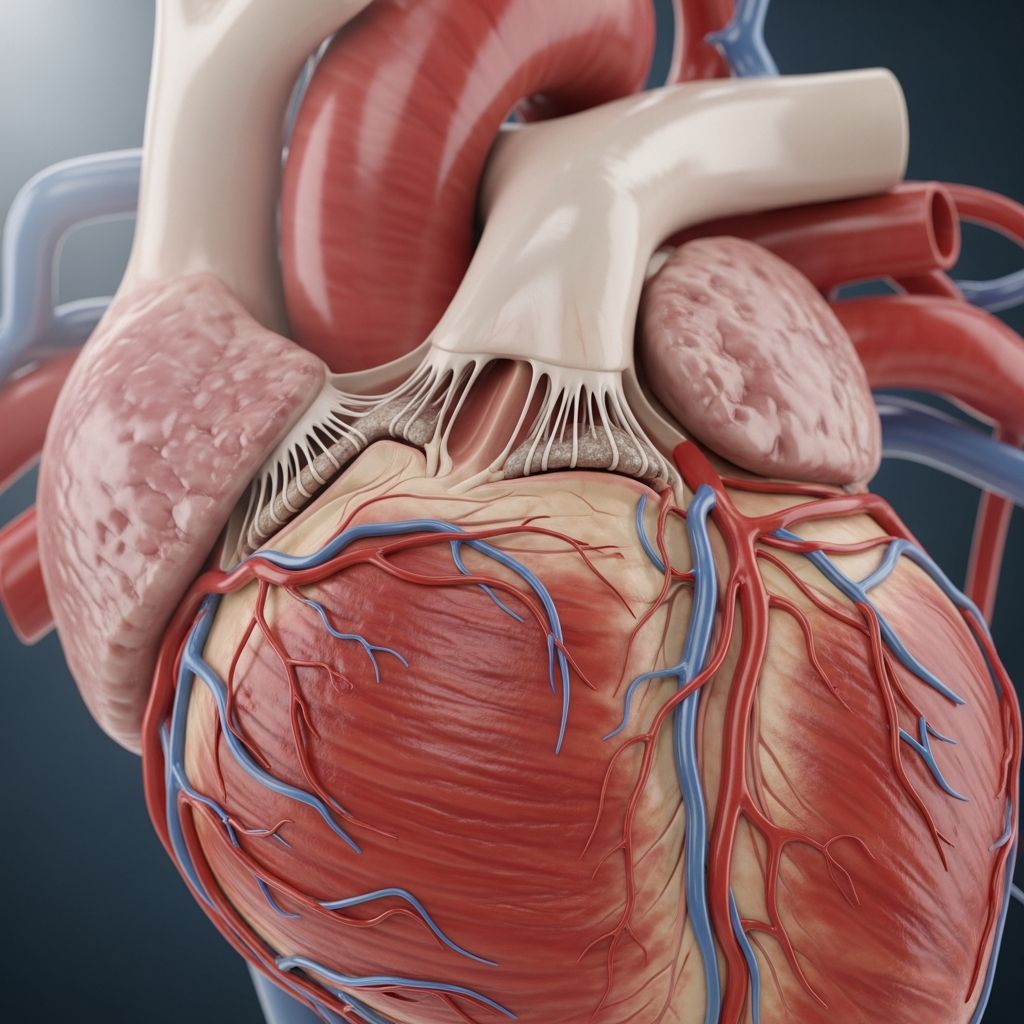
Heart valve diseases affect millions of people worldwide and can significantly impact cardiovascular function and quality of life. The heart contains four valves that work together to ensure blood flows efficiently through the heart chambers and to the rest of the body. When these valves malfunction, they can lead to serious complications if left untreated. Understanding the different types of heart valve diseases, their symptoms, and available treatment options is essential for patients and their families.
Heart valves function like one-way gates, allowing blood to flow forward while preventing backflow. Each valve consists of leaflets or cusps that open and close in a coordinated pattern with each heartbeat. When valves become diseased, they may either narrow (stenosis), preventing adequate blood flow, or leak (regurgitation), allowing blood to flow backward. Both conditions force the heart to work harder, potentially leading to heart failure and other serious complications.
Types of Heart Valve Diseases
Aortic Stenosis
Aortic stenosis involves narrowing of the aortic valve, the main valve controlling blood flow from the heart’s left ventricle to the aorta. This condition develops gradually over decades as the valve thickens and calcifies due to age-related wear and tear. The normal aortic valve has three cusps, but approximately 2% of the population has a bicuspid aortic valve with only two cusps, a congenital condition that predisposes individuals to earlier valve disease.
In aortic stenosis, calcium deposits accumulate on the valve leaflets, creating a rocklike formation that restricts blood flow. As the stenosis progresses, the heart must work increasingly harder to pump blood against this resistance. Eventually, the heart cannot maintain adequate output, leading to classic symptoms that prompt medical intervention.
Mitral Valve Disease
The mitral valve sits between the left atrium and left ventricle, controlling blood flow into the heart’s main pumping chamber. Mitral valve disease can manifest as stenosis (narrowing) or regurgitation (leaking). Mitral valve prolapse, a common condition, occurs when one or both leaflets bulge backward into the left atrium during contraction, potentially causing regurgitation.
Mitral valve regurgitation can develop due to valve leaflet problems or because the left ventricle, the heart’s main pumping chamber, has become diseased and enlarged. When the ventricle dilates, the annulus (the valve’s supporting structure) stretches, preventing the leaflets from meeting properly.
Tricuspid Valve Disease
The tricuspid valve, responsible for controlling blood flow from the right atrium to the right ventricle, was traditionally overlooked in clinical practice. Researchers initially believed that tricuspid valve dysfunction was not a significant concern, partly because some patients with congenital heart disease managed well without adequate tricuspid valve function. However, modern cardiology has increasingly recognized that tricuspid valve disease can be a major source of symptoms, including shortness of breath and leg swelling, warranting careful clinical attention.
Related Stories



Symptoms and Clinical Presentation
Heart valve disease symptoms vary depending on which valve is affected, the type of dysfunction, and the disease severity. Common symptoms include:
- Shortness of breath, particularly during exertion or when lying flat
- Chest discomfort or pain
- Heart palpitations or irregular heartbeat sensation
- Fatigue and weakness
- Swelling in the legs, ankles, or abdomen
- Syncope or fainting episodes
- Atrial fibrillation (abnormal heart rhythm)
The onset of symptoms occurs when the heart can no longer maintain adequate blood flow to meet the body’s demands. Similar to running a marathon, the heart eventually becomes fatigued and cannot deliver sufficient blood to working muscles. When the body signals the heart for increased blood supply during activity, and the heart cannot respond adequately due to valve dysfunction, patients experience dyspnea, chest pain, or in severe cases, loss of consciousness.
Diagnosis of Heart Valve Diseases
Physical Examination and Clinical Assessment
Initial diagnosis typically begins with a thorough physical examination and patient history. Physicians listen for characteristic heart murmurs using a stethoscope, which can indicate valve stenosis or regurgitation.
Imaging and Diagnostic Tests
Several imaging modalities help confirm heart valve disease diagnosis:
- Echocardiography: This ultrasound procedure visualizes the heart chambers, valves, and blood flow patterns, allowing assessment of stenosis or regurgitation. Transesophageal echocardiography provides detailed images from inside the esophagus.
- Computed Tomography (CT) Scans: CT imaging reveals calcium deposition on valves and provides detailed anatomical information crucial for treatment planning.
- Cardiac Catheterization: This invasive procedure measures pressures within heart chambers and assesses valve function.
- Electrocardiography (ECG): This test detects irregular heart rhythms associated with valve disease.
Echocardiography remains the primary diagnostic tool for heart valve disease. The procedure allows physicians to directly visualize whether stenosis or regurgitation is present and assess the severity of dysfunction.
Treatment Options
Medical Management
Currently, no medications can prevent progression or effectively treat established aortic stenosis. However, medications may manage symptoms and associated conditions like heart failure, arrhythmias, or hypertension. Researchers are investigating clinical trials involving medications that might slow aortic stenosis progression. For mitral valve disease, medication can address symptoms and reduce strain on the heart.
Surgical Valve Replacement
When valve disease becomes severe, surgical replacement becomes necessary. Traditional surgical aortic valve replacement involves open-heart surgery, requiring general anesthesia and use of the heart-lung machine. Patients typically spend 4-6 days hospitalized, with full recovery taking 2-3 months. Despite the recovery period, outcomes are generally excellent, with survival rates matching those of patients who have not undergone cardiac surgery.
Surgical approaches offer several advantages: they address multiple cardiac problems simultaneously, including coronary artery disease or other valve disease. Surgeons can perform multiple coronary artery bypasses along with valve replacement when necessary.
Transcatheter Valve Replacement
Transcatheter aortic valve replacement (TAVR) represents a less invasive alternative to surgery. This procedure, performed through a catheter inserted via a blood vessel, allows valve replacement without open-heart surgery. TAVR offers several advantages, particularly for older patients or those with significant comorbidities:
- No full surgical anesthesia required
- Heart-lung machine usually unnecessary
- Shorter hospital stay and faster recovery
- Lower procedural complication risk compared to surgery
- Reduced operative mortality in high-risk patients
The choice between surgical and transcatheter approaches depends on patient age, overall health status, anatomical factors, and whether additional procedures are needed.
Mitral Valve Repair
For mitral valve disease, repair is often preferred over replacement when anatomically feasible. Johns Hopkins is recognized as a center of excellence for mitral valve repair. Most patients return to normal life following mitral valve repair, with the repair typically lasting a lifetime. Patient survival after mitral valve repair mirrors that of patients who have not undergone cardiac surgery.
Valve-in-Valve Procedures
For patients requiring subsequent valve replacement, valve-in-valve TAVR procedures offer an attractive option. This approach places a new transcatheter valve inside a previously implanted valve, providing a less invasive platform for re-intervention when tissue valves wear out over time.
Multidisciplinary Heart Team Approach
Managing complex heart valve disease requires collaboration among multiple medical specialties. The multidisciplinary heart team includes interventional cardiologists, cardiac surgeons, transoesophageal echocardiography specialists, and other cardiovascular professionals. This collaborative approach ensures comprehensive patient assessment and identifies the optimal treatment strategy for each individual’s unique circumstances.
Risk Factors and Prevention
Several factors increase the risk of developing heart valve disease:
- Age: Valve calcification increases with advancing age
- Bicuspid aortic valve: This congenital condition predisposes to earlier stenosis
- High blood pressure and high cholesterol
- Chronic kidney disease
- History of rheumatic fever or rheumatic heart disease
- Connective tissue disorders
- Radiation therapy to the chest
- Carcinoid syndrome
While some risk factors like genetics cannot be modified, managing blood pressure, cholesterol levels, and maintaining heart-healthy lifestyle habits can help slow valve disease progression.
Living with Heart Valve Disease
Patients with heart valve disease require regular monitoring through follow-up appointments and periodic echocardiograms to assess disease progression. Medication compliance, lifestyle modifications, and prompt reporting of new or worsening symptoms are essential components of disease management. Many patients successfully manage their conditions for years before requiring intervention, while others may need earlier treatment.
Post-treatment outcomes are generally favorable. Most valve replacement patients resume normal activities, though some restrictions on strenuous exercise or contact sports may apply depending on the valve type and individual circumstances. Regular follow-up with cardiologists ensures optimal long-term outcomes and early detection of any complications.
Frequently Asked Questions
Q: What causes heart valve disease?
A: Heart valve disease can result from age-related calcification, congenital abnormalities like bicuspid aortic valves, previous infections, rheumatic fever, trauma, certain medications, or conditions affecting the heart muscle itself.
Q: Can heart valve disease be cured with medication?
A: Currently, no medications can cure established heart valve disease or prevent progression of aortic stenosis. However, medications manage symptoms and associated conditions. Research continues into therapies that might slow disease progression.
Q: How long do replacement valves last?
A: Mechanical valves can last 20-30 years or longer, though they require lifelong anticoagulation therapy. Tissue valves typically last 10-20 years and may eventually require replacement.
Q: What is the recovery time after heart valve surgery?
A: Traditional surgical valve replacement typically requires 4-6 days hospitalization with full recovery taking 2-3 months. Transcatheter procedures have shorter recovery periods, often with patients discharged within days.
Q: Can I exercise with heart valve disease?
A: Exercise recommendations depend on disease severity and type. Mild valve disease may permit normal activities, while severe disease typically requires activity restriction. Your cardiologist can provide specific recommendations based on your condition.
Q: Is heart valve disease hereditary?
A: Bicuspid aortic valve is the most common inherited heart disease. Family screening may be recommended for relatives of affected individuals. Other valve diseases are typically acquired with age.
References
- Management of Advanced Heart Valve Disease — Johns Hopkins Medicine. 2024. https://www.hopkinsmedicine.org/health/conditions-and-diseases/heart-valve-diseases
- Mitral Valve Disease: FAQ — Johns Hopkins Medicine. 2024. https://www.hopkinsmedicine.org/heart-vascular/conditions-treatments/mitral-valve-disease
- Aortic Stenosis: Diagnosis and Treatment — American Heart Association. 2023. https://www.heart.org/en/diseases-and-conditions/heart-valve-problems-and-disease
Similar Articles








Read full bio of Sneha Tete