Heart Valve Repair or Replacement Surgery
Learn about heart valve repair and replacement surgery options, procedures, and recovery.
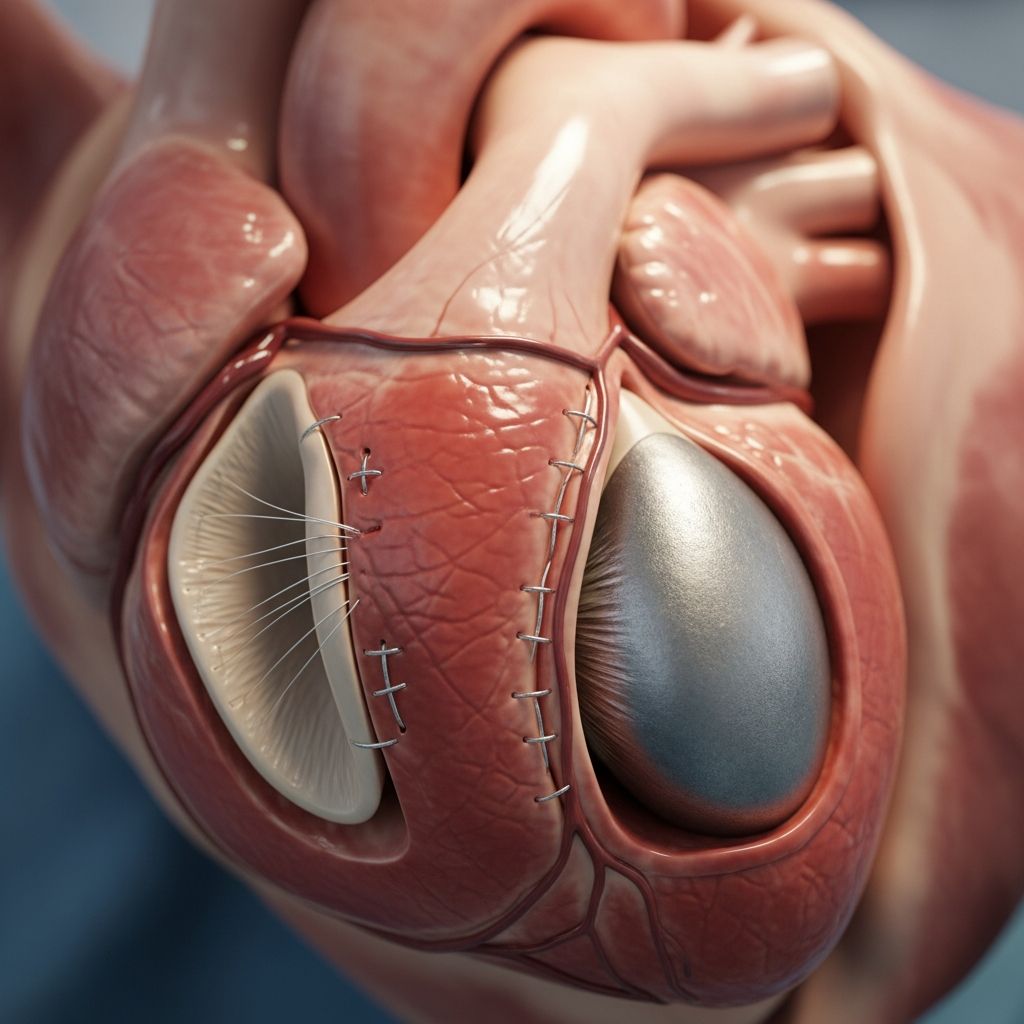
Heart valve disease affects millions of people worldwide and can significantly impact quality of life and overall health. When conservative treatments are insufficient, heart valve repair or replacement surgery may be necessary to restore proper cardiac function. At leading medical centers like Johns Hopkins Medicine, specialized surgical teams provide comprehensive care for patients requiring valve intervention, utilizing both traditional and minimally invasive techniques to achieve optimal outcomes.
Understanding Heart Valves and Their Function
The heart contains four valves—the aortic, mitral, pulmonary, and tricuspid valves—that work together to ensure blood flows in the correct direction through the heart’s chambers. These valves open and close with each heartbeat, maintaining proper circulation throughout the body. When valves become damaged or diseased, they may leak (regurgitation) or become narrowed (stenosis), forcing the heart to work harder and potentially leading to heart failure, arrhythmias, and other serious complications.
Common causes of valve disease include degenerative changes associated with aging, rheumatic fever, endocarditis (infection), calcification, and congenital abnormalities. Early detection through echocardiography and other diagnostic imaging helps determine the severity of valve disease and guides treatment decisions.
When Valve Surgery Is Recommended
Your cardiologist may recommend valve repair or replacement surgery when:
- Conservative treatments, such as medications and lifestyle modifications, have proven ineffective
- Valve disease is causing significant symptoms including shortness of breath, chest pain, or fatigue
- Imaging studies show substantial valve dysfunction affecting heart function
- There is evidence of heart chamber enlargement or declining cardiac performance
- The risk of complications from untreated disease outweighs surgical risks
Referral to a cardiac surgeon specializing in structural heart disease is essential to determine whether repair or replacement is the most appropriate intervention for your specific condition.
Valve Repair Surgery: Techniques and Advantages
The Valve Repair Approach
Valve repair preserves the patient’s own valve tissue whenever possible, which offers significant advantages over replacement. At specialized centers of excellence like Johns Hopkins, surgeons are able to repair degenerative valve disease more than 95% of the time for appropriate candidates. Repair techniques focus on restoration rather than removal, utilizing innovative surgical approaches to maintain normal valve geometry and function.
For mitral valve repair, surgeons employ restoration techniques that attach artificial cords to valve leaflets without removing tissue. This preservation approach maintains the physiologic function of the valve and is associated with superior long-term outcomes compared to replacement in many cases.
Key Benefits of Valve Repair
- Preservation of Natural Valve: Maintaining your native valve tissue preserves normal heart function and physiology
- Lower Reoperation Rates: Repaired valves often last a lifetime, eliminating the need for future surgery in many patients
- Reduced Anticoagulation Requirements: Unlike mechanical valve replacements, repaired valves typically do not require lifelong blood-thinning medications
- Better Long-Term Survival: Studies show survival rates after valve repair are comparable to the general population without heart disease
- Faster Recovery: Patients return to normal activities more quickly with repair compared to replacement
- Improved Quality of Life: Patients resume their normal lifestyle as if they had not undergone cardiac surgery
Related Stories



Valve Replacement Surgery: When and Why
Indications for Valve Replacement
While repair is preferred whenever feasible, certain conditions necessitate valve replacement. These include advanced rheumatic valve disease with significant leaflet fibrosis and scarring, infected valves (endocarditis) when repair is not possible, severe mitral annular calcification, and primary valve pathology unsuitable for repair. In some cases, even highly experienced surgeons may determine that replacement offers superior outcomes compared to attempting repair.
A skilled valve repair surgeon recognizes the importance of knowing when replacement is the optimal choice, ensuring patients receive the most appropriate intervention for their specific condition.
Types of Replacement Valves
Mechanical Valves: Mechanical prostheses are durable and long-lasting, making them suitable for younger patients. However, they require lifelong anticoagulation therapy with warfarin or newer anticoagulants to prevent blood clots. Regular monitoring through INR testing is necessary, and patients must adhere strictly to medication protocols.
Biologic Valves: Tissue valves derived from animal sources (porcine or bovine) or human donors do not require long-term anticoagulation, offering greater lifestyle freedom. However, biologic valves have a limited lifespan, typically 10-20 years depending on patient age and other factors. Older patients generally receive biologic valves, understanding they may require reoperation years down the line if valve degeneration occurs.
Minimally Invasive Procedures: TAVR Technology
Transcatheter Aortic Valve Replacement (TAVR)
Transcatheter Aortic Valve Replacement represents a revolutionary advancement in cardiac care, particularly for patients at high surgical risk. TAVR is an important technique in the fight against heart disease, offering a minimally invasive alternative to traditional open-heart surgery.
The TAVR procedure involves guiding a small tube (catheter) through one of the patient’s blood vessels to the site of the damaged aortic valve, then passing a replacement valve through the tube and fixing it inside the damaged valve. Because TAVR is minimally invasive, it results in far fewer incisions than traditional surgery, allowing patients to recover faster and spend less time in the hospital with reduced pain.
TAVR Advantages and Outcomes
TAVR may be the only option for patients unable to undergo open-heart surgery due to advanced age, frailty, or significant comorbidities. Outcomes from TAVR procedures at leading medical institutions like Johns Hopkins Aramco Healthcare (JHAH) consistently exceed US benchmarks established by the Society of Thoracic Surgeons (STS) and American College of Cardiology (ACC) TVT Registry, which monitors real-world outcomes from more than 850 participating healthcare organizations.
The procedure’s minimally invasive nature makes it particularly suitable for elderly patients and those with significant surgical risk factors, expanding the population that can benefit from valve replacement without the morbidity associated with traditional open-heart surgery.
Advanced Surgical Techniques and Whole Heart Repair
Multidisciplinary Care Approach
Complex valve disease is best served in centers of excellence with multidisciplinary teams that can examine patients from multiple angles and develop comprehensive treatment plans. At specialized cardiac surgery programs, surgeons work closely with cardiologists, cardiac anesthesiologists, infectious disease specialists, and other experts to provide coordinated, evidence-based care.
This collaborative approach is particularly important for patients with complex mitral valve disease or involvement of multiple valves, as these cases often require sophisticated surgical planning and execution.
Whole Heart Repair Strategies
Modern valve surgery extends beyond addressing the diseased valve alone. Many patients present with concomitant pathology affecting multiple cardiac structures. Comprehensive surgical approaches may include repair of the mitral valve, tricuspid valve intervention, and surgical ablation procedures (Cox maze procedure) to address atrial fibrillation—a common complication of valve disease.
This whole heart repair philosophy optimizes long-term outcomes by addressing all sources of cardiac dysfunction simultaneously, reducing the need for future reoperations and improving symptom relief.
Preparation and Preoperative Evaluation
Before undergoing valve surgery, you will undergo comprehensive preoperative testing to assess your overall health and surgical fitness. Testing typically includes:
- Echocardiography (transthoracic or transesophageal) to visualize valve anatomy and function
- Electrocardiography (EKG) to assess heart rhythm and electrical function
- Cardiac catheterization to measure pressures and coronary artery patency in selected cases
- Computed tomography (CT) imaging for detailed anatomic assessment
- Laboratory studies including complete blood count, metabolic panel, and coagulation studies
- Chest X-ray to evaluate pulmonary and cardiac size
- Pulmonary function testing if significant lung disease is present
Your surgical team will discuss the risks and benefits specific to your condition, review medications you take, and provide detailed preoperative instructions regarding fasting, medication management, and hospital arrival procedures.
The Surgical Procedure
Open-Heart Surgery Approach
Traditional valve surgery requires opening the chest through a median sternotomy incision to gain access to the heart. The patient is placed on cardiopulmonary bypass (heart-lung machine), which temporarily assumes the heart’s pumping function and provides blood oxygenation while the surgical team operates. This controlled environment allows precise visualization and repair or replacement of the affected valve.
The surgical team carefully assesses valve pathology and determines the optimal repair technique or identifies when replacement is necessary. Once the valve intervention is complete, the incisions are carefully closed in multiple layers, and the patient is gradually weaned from cardiopulmonary bypass as native heart function resumes.
Minimally Invasive Techniques
Smaller incisions through partial sternotomy or thoracotomy approaches are increasingly utilized for selected patients. These techniques reduce tissue trauma, decrease postoperative pain, shorten hospital stays, and accelerate recovery compared to full sternotomy approaches while maintaining excellent outcomes in appropriate candidates.
Recovery and Postoperative Care
Hospital Recovery Phase
Most patients remain in the hospital for 3-7 days following valve surgery, though this varies depending on the extent of surgery, presence of complications, and overall health status. During hospitalization, you will receive continuous cardiac monitoring, pain management, antibiotics, and medications to optimize heart function and prevent complications.
Physical and occupational therapists will begin early mobilization to prevent complications such as blood clots and pneumonia. You will receive clear instructions regarding wound care, medication management, and activity restrictions before discharge.
Home Recovery and Rehabilitation
Complete recovery typically requires 6-12 weeks, though this timeline varies individually. During this period, you should gradually increase activity under medical guidance, avoid heavy lifting and strenuous exercise, and attend cardiac rehabilitation sessions. Cardiac rehabilitation programs provide supervised exercise training, education regarding heart-healthy lifestyle modifications, and psychological support to facilitate optimal recovery.
State-of-the-art cardiac rehabilitation programs, such as those offered at Johns Hopkins, help patients return to their normal lives by providing personalized exercise prescriptions, nutritional counseling, and comprehensive support services that enhance functional capacity and reduce the risk of future cardiac events.
Risks and Complications
While valve surgery is generally safe at experienced centers, potential complications include:
- Infection (including endocarditis)
- Bleeding or need for transfusion
- Arrhythmias or conduction abnormalities
- Stroke or transient ischemic attack
- Heart failure or low cardiac output
- Renal dysfunction
- Respiratory complications requiring prolonged ventilator support
- Valve failure requiring reoperation
- Death (particularly rare at experienced centers)
Your surgical team will discuss specific risks relevant to your condition and help you understand how your individual factors influence complication rates. Centers of excellence demonstrate consistently lower complication rates than the national average.
Long-Term Outcomes and Follow-Up
Long-term outcomes after valve repair or replacement depend on multiple factors including the type of valve intervention, underlying cardiac pathology, presence of other diseases, and adherence to medical recommendations. Most patients experience significant symptom improvement and improved quality of life following successful surgery.
Regular follow-up visits with your cardiologist are essential to monitor valve function through periodic echocardiography, assess for complications, and optimize medical therapy. Patients with mechanical valves require regular INR monitoring and strict anticoagulation adherence. Those with biologic valves should understand the possibility of future valve degeneration.
Innovative Research and Future Developments
Next-Generation Valve Technology
Research teams at academic medical centers continue developing innovative valve technologies to improve patient outcomes. Recent advances include artificial heart valves using flexible nickel-titanium alloy mesh that can expand to secure against surrounding tissue without requiring stitches. Such innovations aim to simplify surgical techniques, reduce operative time, and improve durability of valve replacements.
These prostheses are being designed to accommodate irregular valve shapes caused by calcification, a common condition requiring surgeons to conform the valve to calcified anatomy while maintaining adequate sealing pressure.
Artificial Intelligence in Valve Surgery
Cardiac surgery programs are collaborating with bioengineers and computer scientists to develop artificial intelligence algorithms that analyze valve anatomy and function to determine optimal surgical plans for individual patients. These tools promise to enhance surgical precision, reduce operative time, and improve long-term durability of repairs.
Frequently Asked Questions
Q: What is the difference between valve repair and valve replacement?
A: Valve repair preserves your native valve tissue and is preferred when feasible, as it avoids the need for foreign materials and generally does not require lifelong anticoagulation. Valve replacement becomes necessary when repair is not possible due to severe valve damage or disease. Repair typically offers better long-term outcomes, lower reoperation rates, and improved quality of life compared to replacement.
Q: How long does valve surgery take?
A: Open-heart valve surgery typically requires 2-4 hours, though complex cases or whole heart repair may take longer. The operative time depends on the complexity of the pathology, the extent of surgery needed, and whether additional procedures such as coronary artery bypass or ablation are performed.
Q: Will I need anticoagulation after valve surgery?
A: If you receive a mechanical valve replacement, you will require lifelong anticoagulation therapy. Biologic valve recipients typically do not require long-term anticoagulation, though some patients may need temporary anticoagulation in the perioperative period. Valve repair patients generally do not need anticoagulation unless they have underlying atrial fibrillation or other indications. Your surgeon will discuss anticoagulation requirements specific to your surgery.
Q: What is TAVR and who is a candidate?
A: Transcatheter Aortic Valve Replacement (TAVR) is a minimally invasive procedure that replaces a damaged aortic valve through a catheter-based approach. It is particularly suitable for elderly patients, those at high surgical risk, or patients with significant comorbidities who cannot tolerate traditional open-heart surgery. Your cardiologist can determine if TAVR is appropriate for your condition.
Q: How long does recovery take after valve surgery?
A: Most patients can return to light activities within 6-8 weeks and resume normal activities by 12 weeks. Full recovery may require several months, and participation in cardiac rehabilitation significantly enhances outcomes. Recovery timelines vary based on the extent of surgery and your overall health status.
Q: What are the risks of valve surgery?
A: Major risks include bleeding, infection, stroke, arrhythmias, heart failure, kidney problems, and valve failure. However, at experienced centers of excellence, complication rates are consistently lower than national averages. Your surgical team will discuss specific risks relevant to your condition and overall health status.
Q: Will I need reoperation after valve repair or replacement?
A: Valve repair often lasts a lifetime, eliminating the need for reoperation in many patients. Mechanical valves are durable but may require replacement after 20-30+ years. Biologic valves may require replacement after 10-20 years depending on age and other factors. Regular follow-up imaging helps identify patients at risk for valve failure before emergency intervention becomes necessary.
Q: Can valve disease be managed without surgery?
A: Mild valve disease may be managed conservatively with medications, activity modifications, and regular monitoring. However, when disease becomes severe, causes symptoms, or demonstrates progression with cardiac dysfunction, surgery becomes necessary to prevent complications and optimize long-term outcomes.
References
- JHAH TAVR Outcomes Surpass US Benchmarks in Minimally Invasive Procedures — Johns Hopkins Aramco Healthcare. 2024. https://www.jhah.com/en/news-events/news-articles/jhah-tavr-outcomes-exceed-benchmarks/
- Mitral Valve Repair Program at Johns Hopkins Medicine — Johns Hopkins Medicine. November 2024. https://www.youtube.com/watch?v=Fo5S8kPSGao
- Mitral Valve Repair Techniques and Patient Outcomes — Johns Hopkins Suburban Hospital Cardiothoracic Surgery. July 2024. https://www.youtube.com/watch?v=aart3EZu7qM
- Artificial Intelligence Applications in Cardiac Surgery — Johns Hopkins Suburban Hospital. 2024. https://www.youtube.com/watch?v=A0GxoYquCxI
- Benefits of Mitral Valve Repair Surgery — Johns Hopkins Medicine. 2024. https://www.youtube.com/watch?v=DRdQjOVX-0E
- Innovative Stitch-Free Heart Valve Design — Johns Hopkins Whiting School of Engineering. 2024. https://engineering.jhu.edu/news/skipping-the-stitches/
Similar Articles








Read full bio of Sneha Tete