Heart Valves: Anatomy, Function and Health
Understanding heart valves: Structure, function, and when to seek medical care.
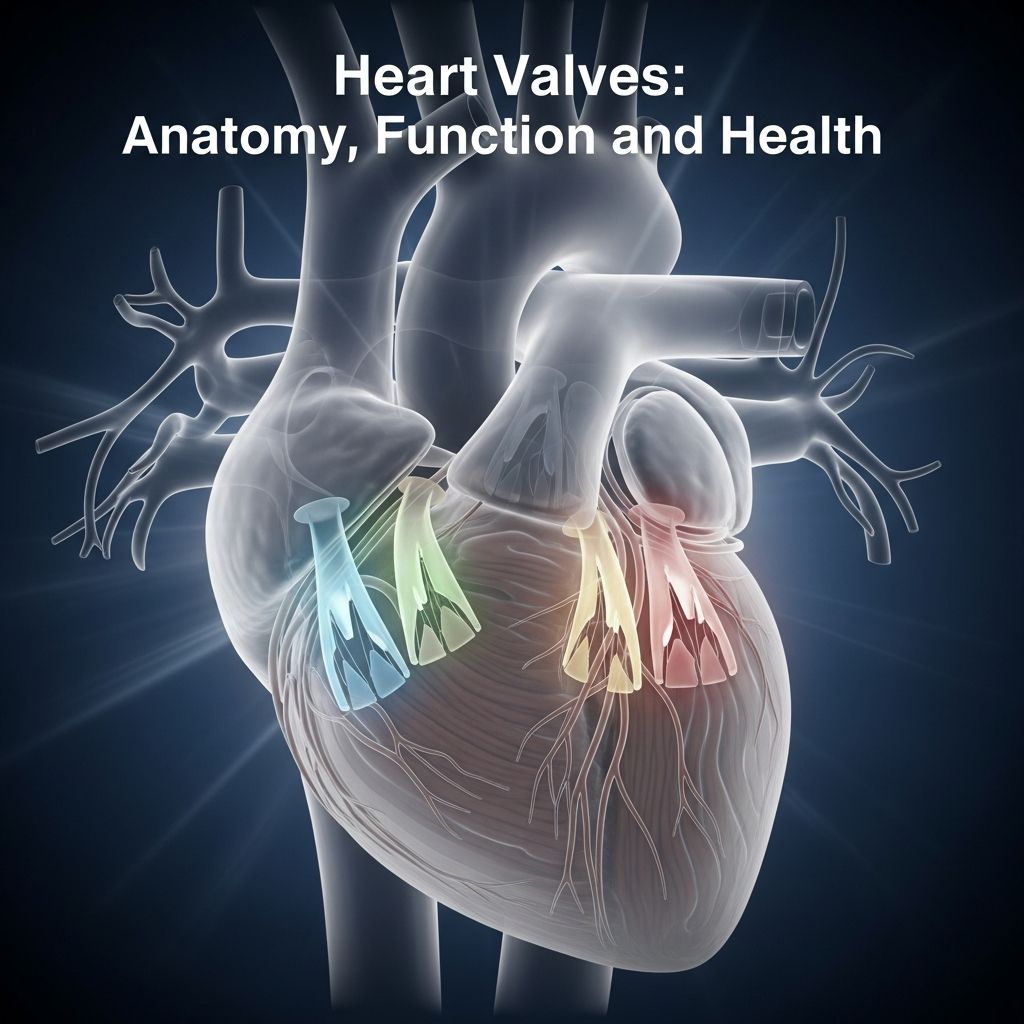
Your heart is a remarkable organ that works tirelessly to pump blood throughout your body. At the center of this vital function are four specialized structures called heart valves. These valves act as one-way doors that ensure blood flows in the correct direction through your heart’s chambers and out to your body. Understanding how these valves work, their anatomy, and what happens when they malfunction is essential for maintaining cardiovascular health.
What Are Heart Valves?
Heart valves are one-way gates composed of thin but strong flaps of tissue called leaflets or cusps. These leaflets open and close with each heartbeat, creating the distinctive “lub-dub” sounds you hear through a stethoscope. The primary function of heart valves is to maintain unidirectional blood flow through your heart, preventing blood from moving backward or pooling in the wrong chambers. Without properly functioning valves, your heart would have to work considerably harder to pump blood efficiently throughout your body.
Understanding Your Heart’s Structure
To fully appreciate how heart valves function, it’s helpful to understand the basic structure of your heart. Your heart consists of four chambers: two upper chambers called atria (the right atrium and left atrium) and two lower chambers called ventricles (the right ventricle and left ventricle). The heart also contains specialized muscle tissue and connective structures that work in harmony to maintain steady blood circulation.
The atria receive blood from various parts of your body and lungs, while the ventricles contract to pump blood out of the heart. Between each pair of chambers and at the exits of the ventricles, valves maintain the proper direction of blood flow. This coordinated system ensures that oxygen-poor blood reaches the lungs for oxygenation, and oxygen-rich blood is distributed to the rest of your body.
The Four Heart Valves
Your heart contains exactly four valves, each with a specific location and function:
The Tricuspid Valve
The tricuspid valve is located between your right atrium and right ventricle. It’s named for its three leaflets—the anterior, posterior, and septal leaflets—which work together to control blood flow from the right atrium to the right ventricle. When your right atrium fills with oxygen-poor blood returning from your body, the tricuspid valve opens to allow this blood to enter the right ventricle. As the ventricle contracts, the valve snaps shut to prevent blood from flowing backward into the atrium. The leaflets attach to papillary muscles through cord-like structures called chordae tendineae, which help anchor and control their movement.
The Pulmonary Valve
Also called the pulmonic valve, this structure sits between your right ventricle and the pulmonary artery. It has three leaflets known as the anterior, left, and right cusps. The pulmonary valve opens when your right ventricle contracts, allowing oxygen-poor blood to flow into the pulmonary artery and travel to your lungs. Once blood has been ejected into the pulmonary artery, the valve closes to prevent backflow into the right ventricle. The cusps attach to a fibrous ring called the annulus, which provides structural support.
The Mitral Valve
The mitral valve, located between your left atrium and left ventricle, is unique among your heart valves because it has only two leaflets rather than three. These leaflets are called the anterior and posterior leaflets. After oxygen-rich blood returns from your lungs to the left atrium, the mitral valve opens to allow this blood to flow into the left ventricle. When the left ventricle contracts, the mitral valve closes tightly to prevent blood from rushing backward into the atrium. Like the tricuspid valve, the mitral valve’s leaflets are connected to papillary muscles by chordae tendineae. The area where the leaflets meet when closing is called the zone of coaptation, and maintaining proper coaptation is critical for valve function.
Related Stories



The Aortic Valve
The aortic valve is positioned between your left ventricle and the aorta, the major artery that carries oxygen-rich blood to your entire body. This valve has three leaflets, also called cusps or sections. When your left ventricle contracts powerfully, the aortic valve opens to allow blood to flow into the aorta. Once blood has been ejected, the valve closes immediately to prevent any backflow of blood into the left ventricle. The aortic valve is composed of collagen-rich tissue that allows it to open widely for good blood flow while remaining strong enough to withstand the high pressures generated by the left ventricle. In some people, the aortic valve may have only two leaflets, a condition known as a bicuspid aortic valve.
How Heart Valves Work
Heart valve function is beautifully synchronized with your heartbeat. With each beat, a precise sequence of events occurs approximately 60 to 80 times per minute in a healthy resting state. When your atria fill with blood, the atrioventricular valves (tricuspid and mitral) open, allowing blood to flow into your ventricles. Then your ventricles contract forcefully, which causes these valves to close immediately. Simultaneously, the semilunar valves (aortic and pulmonary) open, allowing blood to be ejected from the ventricles into the aorta and pulmonary artery respectively.
The sophisticated control system involves your heart’s muscle tissue, specialized nerve signals, and the structural support provided by the chordae tendineae and papillary muscles. The papillary muscles contract at precisely the right moment to keep the valve leaflets from everting or flipping backward during ventricular contraction. This coordinated action prevents valve prolapse and regurgitation.
Common Heart Valve Diseases
When heart valves don’t function properly, various disease states can develop. Understanding these conditions helps explain why your healthcare provider might recommend monitoring or treatment.
Valve Stenosis
Valve stenosis occurs when the leaflets of a valve become stiff and thick, narrowing the opening through which blood can flow. This narrowing reduces the amount of blood that can pass through the valve, forcing your heart to work harder to pump sufficient blood volume. Over time, this increased workload can strain your heart muscle and potentially lead to symptoms like fatigue, shortness of breath, or chest discomfort. Mild stenosis may not significantly impact heart function, but severe stenosis can substantially reduce your heart’s efficiency.
Valve Regurgitation
Regurgitation, also called insufficiency or incompetence, occurs when a valve doesn’t close completely, allowing blood to flow backward into the previous chamber. This backward flow can reduce the efficiency of blood circulation and cause your heart to work harder to maintain adequate blood flow to your body. Over time, chronic regurgitation can lead to heart enlargement as the chambers dilate to accommodate the extra blood volume.
Valve Prolapse
Valve prolapse happens when one or both leaflets of a valve bulge backward into the upper chamber during contraction. This often results in regurgitation as the leaflets don’t seal completely. Mitral valve prolapse is the most common form of valve prolapse.
Valve Atresia
Atresia is a congenital condition in which a valve fails to develop properly, leaving no opening for blood to pass through. This serious condition typically requires surgical intervention and is usually detected during infancy.
Valve Anatomy and Supporting Structures
The leaflets or cusps of your heart valves are more than just simple flaps. They’re composed of layers of specialized tissue including collagen and elastic fibers that give them both strength and flexibility. The collagen component provides structural integrity and prevents excessive stretching, while elastic tissue allows the leaflets to open and close smoothly.
The chordae tendineae are particularly important supporting structures. These thin, cord-like connections resemble the strings of a parachute, and they work with the papillary muscles to keep the valve leaflets in proper position during the heart’s contraction. If these supporting structures become damaged or weakened, valve function can be compromised, potentially leading to regurgitation.
When to Seek Medical Attention
If you experience symptoms such as persistent fatigue, shortness of breath during normal activities, chest pain or discomfort, heart palpitations, or swelling in your legs or abdomen, consult your healthcare provider. These symptoms can indicate valve problems that require evaluation and monitoring.
Treatment Options for Valve Disease
Treatment approaches depend on the specific valve disease, its severity, and your overall health status. Your healthcare provider may recommend regular monitoring through physical exams and imaging studies like echocardiograms. Lifestyle modifications, medications, or surgical intervention may be necessary in more serious cases. Valve repair procedures can sometimes restore normal function, while valve replacement may be needed when repair isn’t possible.
Frequently Asked Questions
Q: How many valves does the heart have?
A: Your heart contains four valves: the tricuspid valve, pulmonary valve, mitral valve, and aortic valve. Each plays a crucial role in maintaining proper blood flow direction.
Q: Why do heart valves have different numbers of leaflets?
A: The different valve structures reflect their specific locations and functions. The mitral valve has two leaflets because it needs to create a tight seal between the left atrium and ventricle, while the other valves have three leaflets that work well for their respective positions.
Q: Can heart valve problems be detected early?
A: Yes, valve problems can often be detected through physical examination with a stethoscope (listening for abnormal heart sounds or “murmurs”) and confirmed with imaging studies like echocardiography. Regular checkups are important for early detection.
Q: Is valve disease life-threatening?
A: The severity depends on which valve is affected and the degree of dysfunction. Mild valve disease may not pose significant risk, but severe disease can strain your heart and lead to serious complications if left untreated. Your healthcare provider can assess your specific situation.
Q: What causes valve disease?
A: Valve disease can result from age-related changes, congenital abnormalities, infections like rheumatic fever, trauma, high blood pressure, or connective tissue disorders. Some causes are preventable through lifestyle modifications, while others require medical management.
Q: How often should someone with valve disease be monitored?
A: The frequency of monitoring depends on the type and severity of the valve disease. Your healthcare provider will establish an appropriate schedule of checkups and imaging studies to track any progression and determine if treatment is needed.
References
- Tricuspid Valve: Overview, Function and Anatomy — Cleveland Clinic. 2024. https://my.clevelandclinic.org/health/body/21851-tricuspid-valve
- Heart: Anatomy & Function — Cleveland Clinic. 2024. https://my.clevelandclinic.org/health/body/21704-heart
- Mitral Valve Anatomy — Cleveland Clinic. 2024. https://my.clevelandclinic.org/health/body/23244-mitral-valve
- Aortic Valve: Function, Location & Anatomy — Cleveland Clinic. 2024. https://my.clevelandclinic.org/health/body/22458-aortic-valve
- What is the Pulmonary Valve? — Cleveland Clinic. 2024. https://my.clevelandclinic.org/health/body/24273-pulmonary-valve
- Heart Valve Disease: Symptoms & Treatment — Cleveland Clinic. 2024. https://my.clevelandclinic.org/health/diseases/17639-what-you-need-to-know-heart-valve-disease
- Heart Valve Video: A Look Inside Heart Valves — Cleveland Clinic. 2024. https://my.clevelandclinic.org/health/body/5eA9nsJZSCM
Similar Articles








Read full bio of Sneha Tete