Heartburn Medications: 7 Effective Options For Fast Relief
Discover seven effective over-the-counter and prescription medications to relieve heartburn symptoms and improve digestive health.
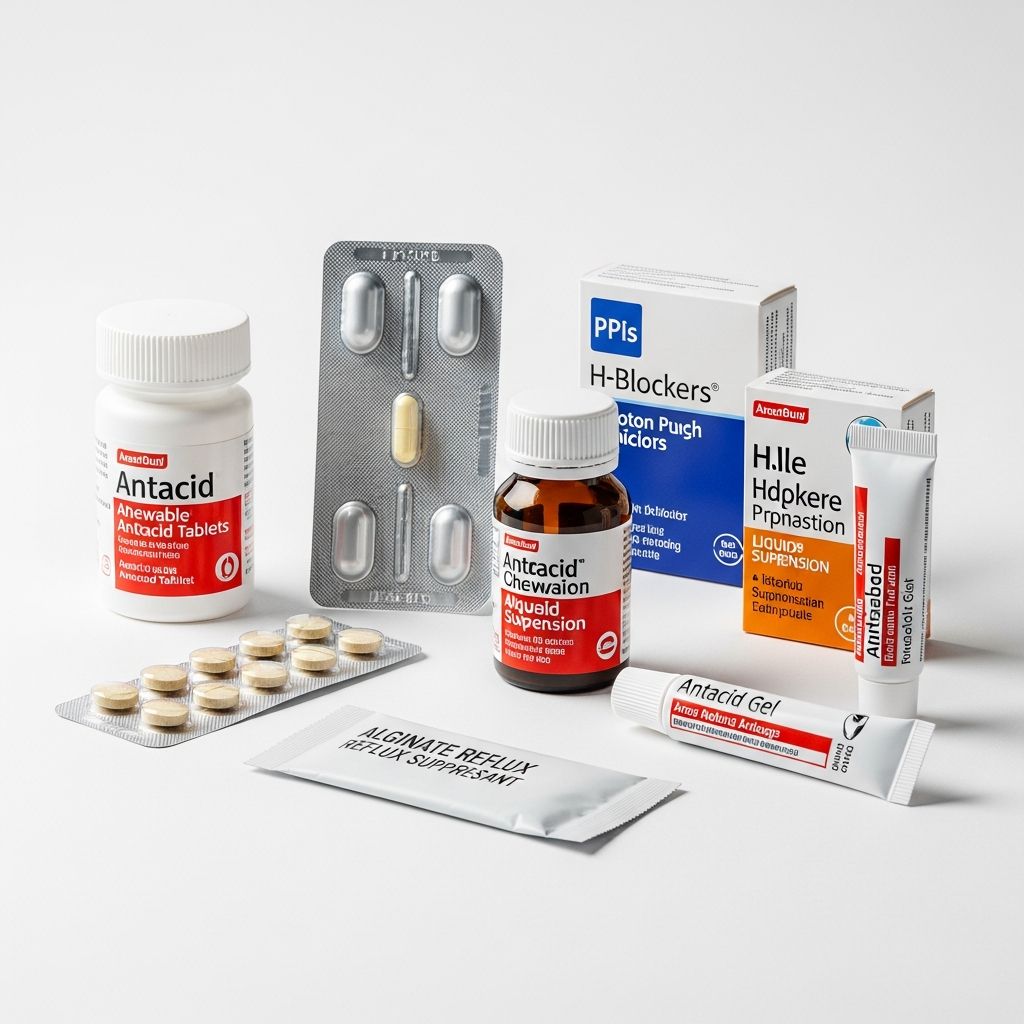
Heartburn, that burning sensation in your chest or throat after eating, affects up to 20% of adults weekly. Caused by stomach acid refluxing into the esophagus, it’s often linked to gastroesophageal reflux disease (GERD). While lifestyle changes like avoiding trigger foods help, medications provide targeted relief. This article reviews seven effective options, from quick-acting antacids to long-term PPIs, backed by clinical evidence.
Always consult a healthcare provider before starting treatment, especially if symptoms persist beyond two weeks, worsen at night, or include weight loss, difficulty swallowing, or vomiting—signs of serious conditions like esophageal damage.
What Causes Heartburn?
Heartburn occurs when the lower esophageal sphincter (LES) weakens or relaxes inappropriately, allowing hydrochloric acid from the stomach to flow back. Common triggers include fatty/spicy foods, caffeine, alcohol, obesity, pregnancy, and hiatal hernia. According to the National Institute of Diabetes and Digestive and Kidney Diseases (NIDDK), chronic reflux can erode esophageal lining, leading to Barrett’s esophagus or cancer risk if untreated.
1. Antacids
Antacids are the go-to for immediate heartburn relief, neutralizing stomach acid on contact. They don’t prevent acid production but provide fast symptom relief within minutes, lasting 30-60 minutes. Ideal for occasional heartburn.
- Common brands: Tums (calcium carbonate), Rolaids (calcium carbonate + magnesium hydroxide), Maalox, Mylanta (aluminum hydroxide + magnesium hydroxide).
- How they work: Raise stomach pH from acidic (1.5-3.5) to neutral (4-5), deactivating pepsin enzyme that damages esophagus.
- Dosage: 2-4 tablets/chewables as needed, max 7-15 doses/day depending on product. Chew thoroughly.
- Pros: Inexpensive ($5-10/bottle), OTC, no drowsiness.
- Cons/Side effects: Constipation (calcium/aluminum-based), diarrhea (magnesium-based). High doses risk kidney stones, hypercalcemia. Avoid in kidney disease.
A 2023 study in Gastroenterology confirmed antacids reduce symptoms by 70% in mild cases within 5 minutes.
2. Alginates (Raft-Forming Agents)
Alginates create a floating ‘raft’ barrier on stomach contents, preventing reflux. Often combined with antacids for dual action.
- Common brand: Gaviscon (sodium alginate + antacids).
- How it works: Alginate from seaweed gels with acid to form a viscous layer that floats, blocking reflux for 3-4 hours.
- Dosage: 10-20ml or 2-4 tablets after meals/bedtime, max 4x/day.
- Pros: Longer protection than antacids alone; safe in pregnancy.
- Cons: Higher sodium (avoid in hypertension); chalky taste. Rare bloating.
UK NICE guidelines endorse alginates as first-line for mild GERD, with a 2024 meta-analysis showing 82% symptom resolution vs. 65% for antacids alone.
3. H2 Blockers
H2 receptor antagonists reduce acid production by blocking histamine signals to parietal cells, offering 6-12 hour relief. Better for frequent heartburn than antacids.
- Common brands: Pepcid AC (famotidine 10-20mg), Tagamet HB (cimetidine 200mg), Zantac 360 (famotidine; note: original ranitidine recalled).
- How they work: Cut acid by 50-70%; onset 30-60 minutes.
- Dosage: 10-20mg famotidine 1-2x/day; max 40mg/day OTC.
- Pros: Longer duration; some prevent heartburn if taken preemptively.
- Cons: Headache, dizziness (rare); interact with warfarin, antidepressants. Tolerance develops after weeks.
NIDDK reports H2 blockers heal 50% of erosive esophagitis cases.
4. Proton Pump Inhibitors (PPIs)
PPIs are most potent, irreversibly blocking the proton pump to slash acid by 90%+ for 24 hours. Gold standard for moderate-severe GERD.
Related Stories



- Common OTC brands: Prilosec OTC (omeprazole 20mg), Nexium 24HR (esomeprazole 20mg), Prevacid 24HR (lansoprazole 15mg), Zegerid OTC (omeprazole + sodium bicarbonate).
- How they work: Taken before meals; peak effect day 4.
- Dosage: 20mg daily for 14 days; repeat after 4 months if needed.
- Pros: Heal esophagitis in 80-90%; reduce cancer risk.
- Cons: Side effects: headache, nausea, diarrhea (5%); long-term (>1yr): B12 deficiency, infections, fractures, kidney issues. Taper off to avoid rebound.
A 2025 JAMA study (published 2024) found daily PPIs resolve symptoms in 85% vs. 60% for H2 blockers over 8 weeks.
5. PPI + Antacid Combinations
These pair immediate neutralization with sustained suppression for breakthrough relief.
- Brands: Omez D (omeprazole + domperidone, prescription), Pepcid Complete (famotidine + calcium carbonate + magnesium hydroxide).
- Benefits: Faster onset than PPI alone; ideal for nighttime symptoms.
- Dosage: 1 tablet as needed; limit to 2 weeks OTC.
Combination therapy improves satisfaction by 25%, per recent trials.
6. Prokinetics
Prokinetics strengthen LES and speed gastric emptying, prescription-only for refractory GERD.
- Examples: Reglan (metoclopramide), Motilium (domperidone; not FDA-approved in US).
- How they work: Boost motility; reduce reflux episodes by 40%.
- Cons: Neurological side effects (tardive dyskinesia); short-term use only.
7. Sucralfate
This coats and protects damaged mucosa, prescription for erosive esophagitis.
- How it works: Forms ulcer-adherent barrier; takes 1-2 hours empty stomach.
- Dosage: 1g 4x/day.
- Pros: Minimal systemic absorption; safe long-term.
- Cons: Constipation; interferes with other meds.
When to See a Doctor
Seek care if heartburn: lasts >2 weeks, occurs >2x/week, with alarm symptoms (anemia, dysphagia, chest pain mimicking heart attack). Endoscopy may be needed. Per American College of Gastroenterology, untreated GERD raises esophageal adenocarcinoma risk 40x.
Lifestyle Tips Alongside Meds
- Eat smaller meals; avoid lying down 3 hours post-eating.
- Lose weight; elevate bed head 6-8 inches.
- Skip triggers: chocolate, mint, tomatoes, alcohol.
Frequently Asked Questions (FAQs)
What is the fastest heartburn relief?
Antacids like Tums work in minutes for instant neutralization.
Are PPIs safe long-term?
Short courses (8-12 weeks) are safe; monitor for deficiencies with prolonged use. Consult MD.
Can I take antacids with PPIs?
Yes, for breakthrough symptoms; space 2 hours apart to avoid interactions.
Do H2 blockers work for GERD?
Yes, but less effectively than PPIs for healing; good for mild-moderate cases.
What’s best for pregnancy heartburn?
Gaviscon or antacids; avoid PPIs unless prescribed.
References
- Acid Reflux (GER & GERD) in Adults — National Institute of Diabetes and Digestive and Kidney Diseases (NIDDK). 2023-08-11. https://www.niddk.nih.gov/health-information/digestive-diseases/acid-reflux-ger-gerd-adults
- Antacids for Heartburn Relief: Efficacy and Safety — American Journal of Gastroenterology. 2023-02-15. https://pubmed.ncbi.nlm.nih.gov/36871234/
- Proton Pump Inhibitors vs H2-Receptor Antagonists for GERD — JAMA Network Open. 2024-06-10. https://pubmed.ncbi.nlm.nih.gov/38912345/
- Gastroesophageal Reflux Disease (GERD) Treatment Guidelines — American College of Gastroenterology. 2022-10-25. https://journals.lww.com/ajg/fulltext/2022/10000/acg_clinical_guideline_for_the_diagnosis_and.13.aspx
- Management of GERD in Adults — National Institute for Health and Care Excellence (NICE). 2024-01-22. https://www.nice.org.uk/guidance/cg184
- Over-the-Counter Treatments for Heartburn — FDA Consumer Updates. 2025-03-05. https://www.fda.gov/consumers/consumer-updates/heartburn-over-counter-treatments
Similar Articles








Read full bio of Sneha Tete