Heartburn-Easing Foods For GERD: A Practical Food Guide
Discover GERD-friendly foods and dietary strategies to soothe heartburn, reduce reflux symptoms, and promote digestive health effectively.
Gastroesophageal reflux disease (GERD) affects millions, causing chronic heartburn and discomfort when stomach acid flows back into the esophagus. Managing GERD often starts with diet, focusing on low-acid, low-fat, high-fiber foods that reduce reflux triggers while promoting digestive health. This article outlines GERD-friendly foods, common triggers to avoid, and practical tips for symptom relief.
What Is GERD?
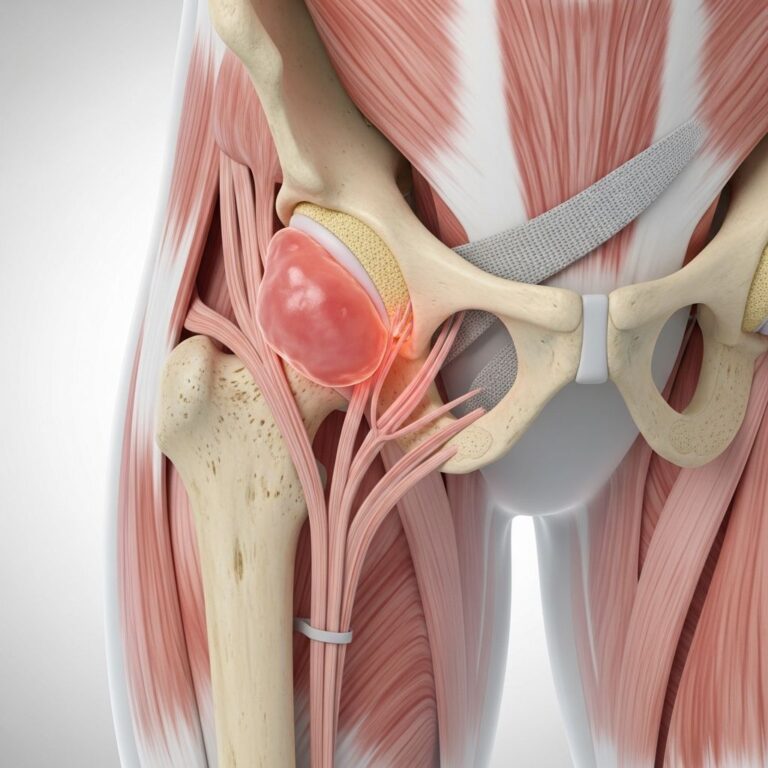
GERD occurs when the lower esophageal sphincter weakens, allowing stomach acid to reflux into the esophagus, leading to inflammation (esophagitis), pain, and potential complications like ulcers or strictures. Symptoms include heartburn (burning chest pain), regurgitation, sore throat, hoarseness, difficulty swallowing, chronic cough, wheezing, and bad breath. Unlike occasional acid reflux, GERD is chronic and requires lifestyle changes, including dietary adjustments.
High-fiber diets improve gastrointestinal motility, reducing pressure on the esophageal sphincter and minimizing reflux episodes. Low-fat, low-sugar meals prevent delayed stomach emptying, a key reflux contributor.
Foods That Trigger GERD Symptoms
Certain foods relax the esophageal sphincter, boost acid production, irritate the esophagus lining, or slow digestion. Identifying personal triggers via a food-symptom log is essential, as tolerances vary.
- High-fat foods: Deep-fried items, fast food, fatty meats (bacon, sausage, ribs, salami, hamburger), butter, lard, cream sauces, creamy dressings, mayonnaise, high-fat nuts.
- Spicy foods: Hot sauce, peppers, curry, cracked pepper, bell peppers (especially green).
- Acidic foods and drinks: Citrus fruits/juices, tomatoes, vinegar, fizzy beverages, ketchup, canned/bottled items with added acids.
- High-sugar foods: Soft drinks, candy, ice cream, baked goods.
- Caffeine: Coffee, tea, soda, chocolate, energy drinks/bars.
- Minty foods: Gum, mints, peppermint oil, mint chocolate.
- Other triggers: Onions, garlic, green apples, cucumbers, processed meats, alcohol, carbonated beverages, salty foods, red sauces/condiments.
Avoiding large portions and chewing gum (which increases air swallowing and burping) further helps. Food allergies (e.g., dairy, wheat) may exacerbate symptoms; consult a provider for elimination testing.
GERD-Friendly Foods: What to Eat Instead
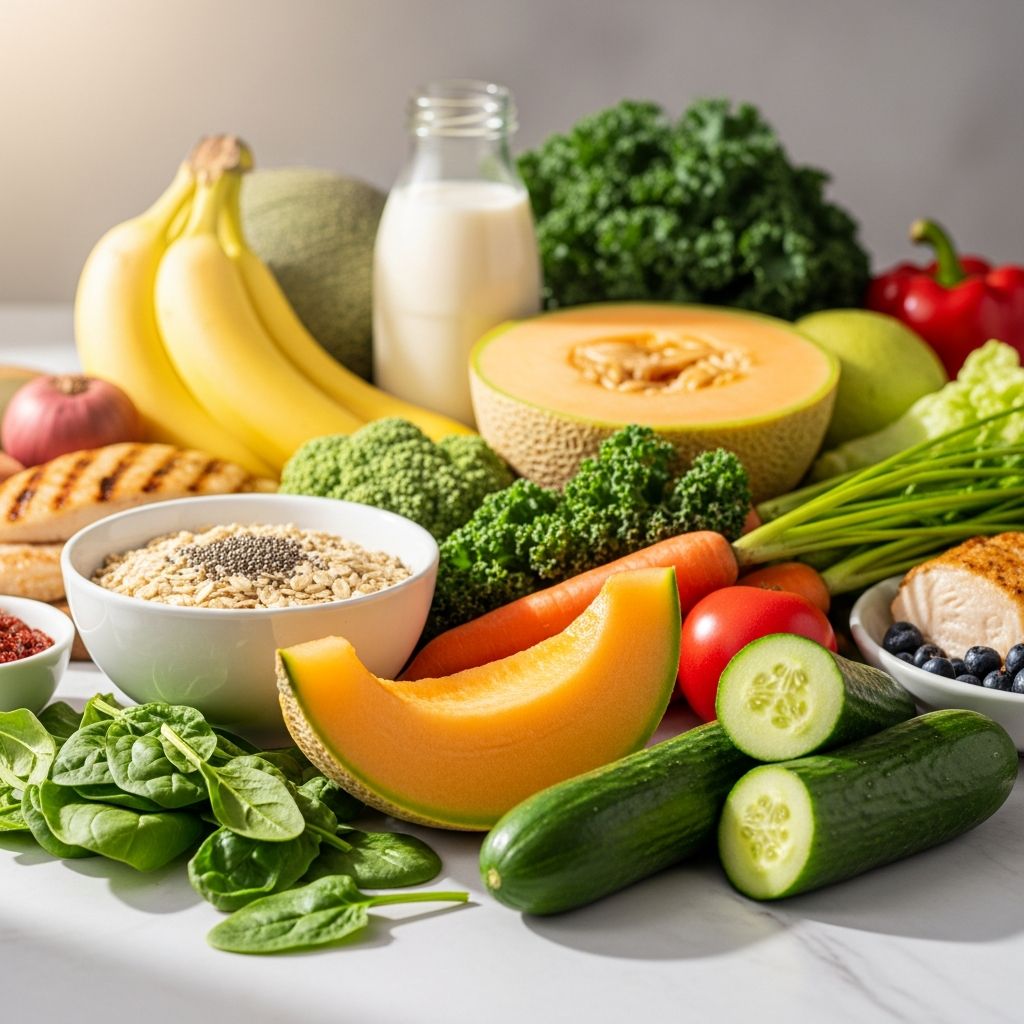
Opt for low-acid, low-fat, high-fiber foods that soothe the esophagus and support motility. An anti-inflammatory or Mediterranean-style diet—rich in fruits, vegetables, whole grains, and lean proteins—often reduces symptoms.
Fruits (Low-Acid Options)
Non-citrus fruits provide fiber and antioxidants without acidity.
- Apples, bananas, melons, ripe pears, papaya, pineapple.
- These aid digestion; start with small portions if symptoms persist.
Vegetables
High-fiber veggies promote motility and are generally gentle.
- Baked potatoes, carrots, broccoli, green beans, peas, asparagus (avoid raw if sensitive).
- Cooked over raw for easier tolerance.
Grains
Whole grains add bulk to stools, reducing reflux pressure.
- Cooked brown rice, oatmeal, quinoa, millet, farro; whole-grain bread, crackers, cereals, pasta, popcorn (no butter).
- High-fiber intake is linked to fewer symptoms.
Proteins
Lean sources prevent fat-induced sphincter relaxation.
- Skinless chicken, turkey, fish (grilled/baked/steamed), tofu, lentils, beans, legumes.
- These support muscle repair without digestive strain.
Dairy and Alternatives
Low-fat, non-acidic options calm the stomach.
- Plain yogurt, cow’s milk, fortified soy/hemp/oat/coconut/nut milks.
- Calcium-rich choices benefit esophageal health.
Healthy Fats
Use sparingly for flavor and nutrition.
- Avocado, olive oil, walnuts, flaxseed, sunflower oil.
- Spread throughout meals/snacks.
Herbs, Spices, and Beverages
Mild flavors enhance meals safely.
Related Stories



- Herbs/spices: Ginger, lemon balm, chamomile, caraway, basil, oregano, parsley, dill, cilantro, thyme, rosemary, sage.
- Beverages: Water, mineral water, decaf herbal teas (chamomile, ginger), chicken broth, aloe vera juice (no citric acid).
- Flavor boosters: Miso, soy sauce, citrus zest, Dijon mustard, tahini, sesame seeds, honey, cinnamon.
Plenty of water prevents constipation, aiding food transit.
Sample GERD-Friendly Meal Plan
| Meal | Ideas |
|---|---|
| Breakfast | Oatmeal with banana slices and a drizzle of honey; chamomile tea. |
| Lunch | Grilled chicken salad with carrots, green beans, quinoa, olive oil dressing. |
| Snack | Plain yogurt with ripe pear; handful of walnuts. |
| Dinner | Baked fish, steamed broccoli, baked potato, ginger tea. |
| Dessert | Melon slices or papaya. |
This plan emphasizes variety, fiber, and balance. Adjust portions based on needs.
Dining Out with GERD
Restaurant meals can be GERD-safe with choices.
- Grilled/steamed over fried/sautéed foods.
- Lean meats, fish, white poultry.
- Steamed veggies, clear broth soups (avoid creamy/tomato).
- Request no onions/garlic/spices; opt for baked potatoes or rice.
Mediterranean restaurants often offer suitable options.
Lifestyle Tips Beyond Food
Diet pairs with habits for optimal relief.
- Eat smaller, frequent meals; avoid lying down 2-3 hours post-eating.
- Maintain healthy weight; elevate bed head 6-8 inches.
- Quit smoking; limit alcohol.
- Chew slowly; stay hydrated.
Frequently Asked Questions (FAQs)
Are eggs GERD-friendly?
Eggs can be neutral or triggering; track symptoms in a food log to determine personal tolerance.
Can I eat dairy with GERD?
Low-fat plain yogurt and milk are often safe; allergies may require alternatives.
Is the Mediterranean diet good for GERD?
Yes, its focus on high-fiber plants, lean proteins, and healthy fats reduces symptoms per research.
How much fiber do I need?
Aim for 25-30g daily from whole grains, veggies, fruits to boost motility.
What if symptoms persist?
Consult a GI specialist or dietitian for personalized plans; severe cases may need medication.
Gradually reintroduce foods once symptoms improve, monitoring reactions. Professional guidance ensures nutritional balance.
References
- Food as Medicine: Food Therapy for Gastroesophageal Reflux — Children’s Hospital of Philadelphia (CHOP). Accessed 2026. https://www.chop.edu/health-resources/food-medicine-food-therapy-gastroesophageal-reflux
- GERD diet plan: Foods to eat to prevent acid reflux — Oshi Health. Accessed 2026. https://oshihealth.com/gerd-diet-plan-foods-to-prevent-acid-reflux/
Similar Articles








Read full bio of medha deb