Heartburn or Heart Attack: How to Tell the Difference
Distinguishing between heartburn and heart attack symptoms can save lives—learn the key differences, triggers, and when to seek emergency care immediately.
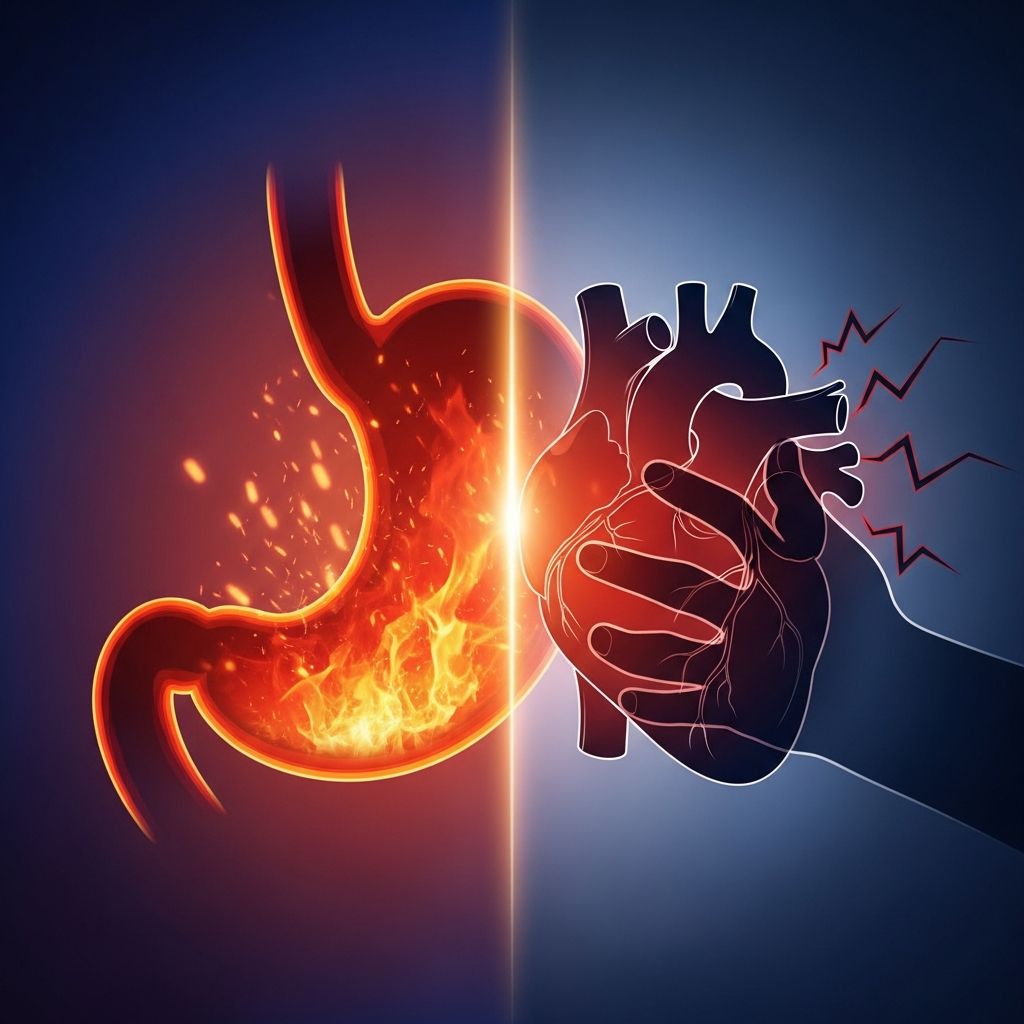
Chest discomfort is a common complaint that can stem from everyday indigestion or signal a life-threatening heart attack. Heartburn, often linked to gastroesophageal reflux disease (GERD), involves stomach acid irritating the esophagus, creating a burning sensation. In contrast, a heart attack occurs when blood flow to the heart is blocked, potentially causing permanent damage or death if not treated promptly. Distinguishing between the two is critical, as symptoms overlap significantly, yet timely intervention for heart attacks can be lifesaving. This article breaks down the symptoms, differences, triggers, risk factors, and expert guidance to help you recognize when chest pain warrants immediate medical attention.
Symptoms of Heartburn
Heartburn typically feels like a fiery burn behind the breastbone, rising toward the throat. It arises when stomach acid refluxes into the esophagus, often after meals or when lying down. Unlike heart attacks, heartburn rarely radiates beyond the chest and esophagus.
- Burning sensation in the chest or upper abdomen, sometimes extending to the throat
- Sour, acidic taste in the mouth or regurgitation of food
- Bloating, belching, or difficulty swallowing
- Nausea or mild shortness of breath
- Hoarseness or chronic cough in frequent cases
Symptoms often improve with antacids, positional changes like sitting upright, or within minutes to hours after digestion. Severe, persistent heartburn may indicate GERD or complications like Barrett’s esophagus, a precancerous condition.
Symptoms of a Heart Attack
A heart attack, or myocardial infarction, happens when coronary arteries are blocked, starving heart muscle of oxygen. The hallmark is chest pressure or squeezing, not burning, often described as an elephant on the chest. Symptoms can vary widely and mimic indigestion, especially in women, older adults, or diabetics.
- Pressure, tightness, squeezing, or aching in the center of the chest lasting over a few minutes or recurring
- Discomfort radiating to arms (especially left), back, neck, jaw, or stomach
- Shortness of breath, even at rest
- Cold sweats, lightheadedness, or sudden dizziness
- Nausea, vomiting, fatigue, or irregular heartbeat
Women may experience subtler signs like back or jaw pain, extreme fatigue, or anxiety without classic chest pain. Symptoms can onset suddenly or build gradually over days.
Key Differences Between Heartburn and Heart Attack
While both cause chest discomfort, several factors help differentiate them. Heartburn is digestive; heart attacks are circulatory emergencies.
| Aspect | Heartburn | Heart Attack |
|---|---|---|
| Pain Type | Burning, rising from stomach to throat | Pressure, tightness, squeezing; like heaviness |
| Location | Behind breastbone, esophagus-focused | Center chest, radiates to arms/jaw/back/neck |
| Duration | Minutes to hours; resolves with antacids | Persistent >5-10 min; unrelieved by position/meds |
| Triggers | After eating, lying down, spicy foods | Exertion, stress; anytime, unrelated to food |
| Associated Signs | Sour taste, burping, bloating | Cold sweat, SOB, nausea, fatigue |
Sharp, pinpoint chest pain pointed to with one finger is unlikely a heart attack but could signal other issues like muscle strain or costochondritis. Heartburn pain stays esophageal; heart attack discomfort spreads systemically.
When Heartburn Occurs
Heartburn is predictable, striking post-meal (especially large, fatty, spicy, or acidic foods), when bending over, or reclining soon after eating. Nighttime episodes may wake you if dinner was recent. Alcohol, caffeine, smoking, and obesity exacerbate reflux by weakening the lower esophageal sphincter.
- Common after overeating or trigger foods like chocolate, tomatoes, onions
- Worsens lying flat; improves upright
- May accompany bloating from slow digestion
When Heart Attacks Occur
Related Stories



Heart attacks strike unpredictably, often during exertion, emotional stress, or at rest. They result from plaque rupture in arteries, forming clots. Warning signs like unstable angina can precede by days or weeks. Unlike heartburn, rest or antacids don’t help; symptoms persist or worsen.
- During physical activity or stress
- Anytime, including sleep
- May start mild and intensify
Who’s at Risk for Heartburn vs. Heart Attack?
Heartburn/GERD Risks: Frequent in overweight individuals, pregnant women, smokers, or those with hiatal hernias. Chronic use of NSAIDs or hiatal hernia increases odds.
Heart Attack Risks: Age >45 (men), >55 (women), family history, high blood pressure, diabetes, high cholesterol, smoking, obesity. Men face higher rates earlier; postmenopausal women catch up.
Should You Worry?
Err on caution: If chest discomfort persists >5 minutes, radiates, or accompanies sweating/SOB, call 911 immediately—don’t drive. Heartburn resolves quickly with remedies; heart attacks don’t. “If in doubt, seek emergency care,” advises cardiologists. Delaying treatment risks irreversible damage. Even if it’s heartburn, professionals can confirm.
Chew aspirin (if not allergic) en route if heart attack suspected, but prioritize EMS.
Treatment and Prevention
Heartburn: Antacids, H2 blockers, PPIs; lifestyle changes like weight loss, elevated sleep head, small meals.
Heart Attack: Emergency reperfusion (stents, thrombolytics), aspirin, beta-blockers. Prevent with statins, BP control, exercise, no smoking.
Frequently Asked Questions (FAQs)
Can heartburn feel like a heart attack?
Yes, both cause chest discomfort, but heartburn burns and improves with antacids, while heart attacks squeeze and persist.
Are heart attack symptoms different in women?
Women often have nausea, fatigue, jaw/back pain over classic chest crush.
Does antacid relief rule out heart attack?
No—some attacks mimic indigestion; persistent symptoms need evaluation.
How long before calling 911 for chest pain?
Can GERD lead to serious issues?
Yes, chronic reflux risks Barrett’s esophagus or esophageal cancer.
References
- Heartburn vs. Heart Attack: How to Tell the Difference — Mass General Brigham. 2023. https://www.massgeneralbrigham.org/en/about/newsroom/articles/heartburn-vs-heart-attack-how-to-tell-the-difference
- Heartburn or Heart Attack? Signs of Both & How to Tell the Difference — Houston Methodist. 2025-04-01. https://www.houstonmethodist.org/blog/articles/2025/apr/heartburn-or-heart-attack-signs-of-both-how-to-tell-the-difference/
- Heartburn or heart attack: When to worry — Mayo Clinic. 2023. https://www.mayoclinic.org/diseases-conditions/heartburn/in-depth/heartburn-gerd/art-20046483
- Know the Signs – Could It Be a Heart Attack or Just Heartburn? — MD Premier. 2024. https://mdpremier.com/know-the-signs-could-it-be-a-heart-attack-or-just-heartburn/
- Heartburn or heart attack? — American Heart Association. 2024. https://www.heart.org/en/health-topics/heart-attack/angina-chest-pain/heartburn-or-heart-attack
Similar Articles








Read full bio of Sneha Tete