The Heartfelt Effects of Kindness on Health
Discover how acts of kindness can strengthen your heart and transform your overall health and wellbeing.
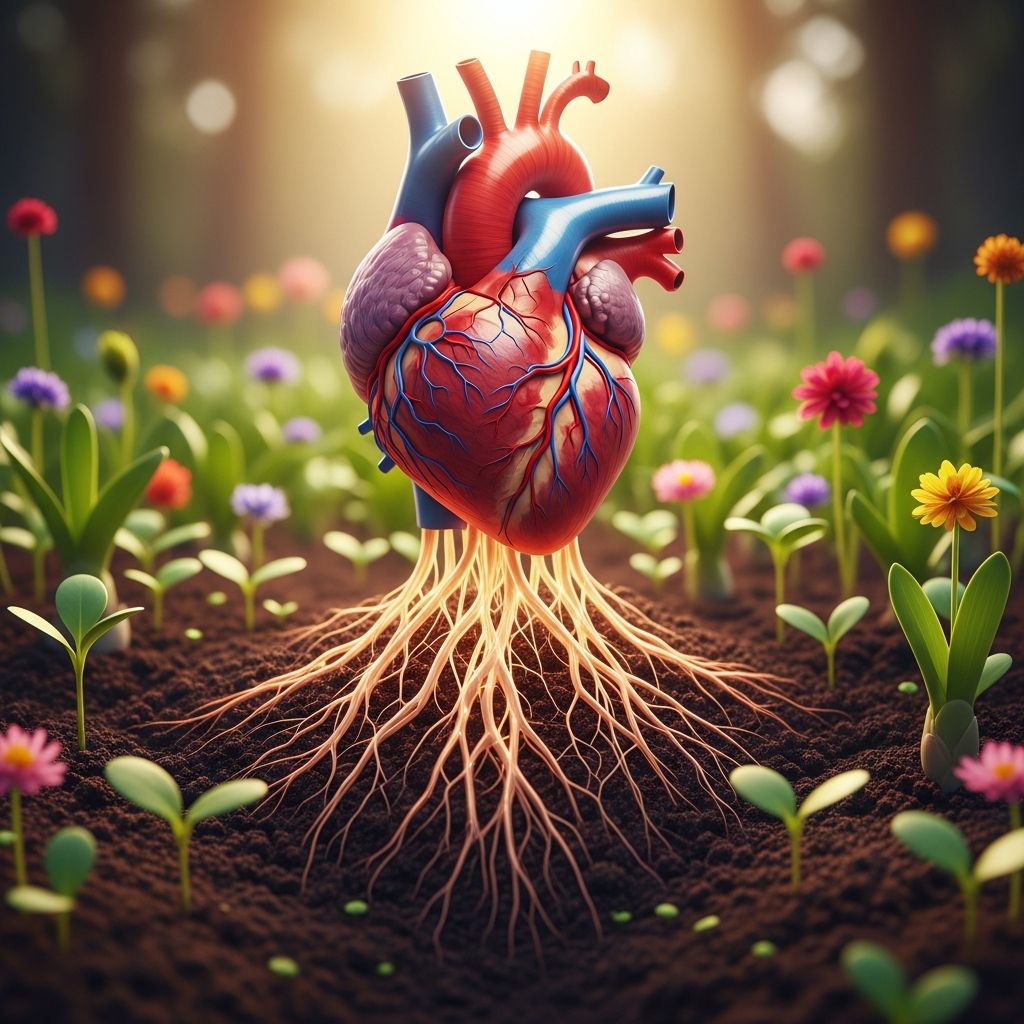
The Heartfelt Effects of Kindness
In an era where stress, anxiety, and cardiovascular disease continue to plague modern society, many people search for solutions in pharmaceutical treatments and complex medical interventions. Yet emerging scientific evidence suggests that something far simpler—and profoundly human—may hold remarkable therapeutic potential: kindness. Research conducted at leading medical institutions, including Harvard Medical School and other prestigious universities, demonstrates that acts of kindness create measurable physiological changes in the body, particularly in the cardiovascular system. These findings challenge our conventional understanding of health and reveal that compassion and altruism are not merely emotional or moral virtues, but powerful biological forces capable of transforming our physical wellbeing.
Understanding the Biology of Kindness
When we engage in acts of kindness, our bodies undergo a remarkable cascade of neurochemical and physiological changes. Unlike the stress response, which floods our system with cortisol and adrenaline, kindness activates entirely different neural pathways and triggers the release of beneficial hormones and neurotransmitters. David R. Hamilton, PhD., an organic chemist and author of Why Kindness Is Good for You, explains that from a neurological and physiological perspective, kindness represents the direct opposite of stress in how it manifests within our bodies.
When we help others, our brains release dopamine—the neurotransmitter often called the “happiness chemical.” This is not merely a subjective feeling of contentment; scientists have observed this dopamine release directly in laboratory settings. Additionally, acts of kindness trigger the release of oxytocin, a hormone best known for its role in childbirth and mother-infant bonding, but increasingly recognized for its role in promoting empathy and altruistic behavior. These neurochemical releases create what researchers term the “helper’s high,” a genuine physiological state distinct from simple emotional satisfaction.
Kindness and Cardiovascular Protection
Perhaps the most striking evidence for kindness’s health benefits centers on the heart and cardiovascular system. When researchers conducted laboratory experiments examining how cardiovascular and immune system cells respond to stress, they observed predictable results: high levels of inflammation and free radicals that damage the cardiovascular system. However, when these same cells were exposed to the kindness hormone (oxytocin), something remarkable occurred. Within minutes, levels of inflammation dropped dramatically—the immune system experienced almost a 57 percent reduction in inflammation within immune cells simply from introducing the kindness hormone.
This finding illuminates a fundamental mechanism through which kindness protects heart health. Oxytocin receptors are distributed throughout the entire cardiovascular system, including directly in the heart tissue. When oxytocin binds to these receptors, it causes blood vessels to widen, which encourages improved blood flow and naturally lowers blood pressure. Additionally, oxytocin has been shown to counteract oxidative stress and inflammation—two critical factors that contribute to atherosclerosis, heart attacks, and strokes. Studies demonstrate that women with the highest “hug scores” exhibited both the highest levels of kindness hormones and the lowest blood pressure, suggesting that physical expressions of kindness offer cardioprotective benefits.
The Helper’s High: More Than Just Good Feelings
The sensation people experience when helping others—often called the “helper’s high”—has genuine physiological origins rooted in brain chemistry. Gregory Fricchione, the Mind/Body Medical Institute Professor of Psychiatry at Harvard Medical School and director of the Benson-Henry Institute for Mind Body Medicine at Massachusetts General Hospital, describes this as a release of “chemical juice” that flows through precise neural pathways. When we help others, neurotransmitters travel through a bundle of axons called the medial forebrain bundle, with exit points to critical brain structures including the amygdala (fear-conditioning), the hippocampus (memory formation), and the medial prefrontal cortex (motivation moderation).
Related Stories



Importantly, this helper’s high is not purely psychological. The transient mood boost experienced by those who help others has been linked to longer-term cardiovascular health outcomes. The pleasant feelings generated by kindness are accompanied by actual changes in brain structure and function that create lasting benefits. Individual acts of kindness release both endorphins and oxytocin, and create new neural connections that strengthen over time. This neural plasticity means that kindness becomes self-authenticating—the more we practice it, the more our brains are literally rewired to be kind, and the more benefits we experience.
Kindness as a Stress Buffer
One of the most powerful ways kindness benefits health is through stress reduction. Instead of creating stress hormones like cortisol, acts of kindness create kindness hormones that fundamentally alter how our brains process stress. These kindness hormones act like a dimmer switch in brain regions that play central roles in stress, worry, fear, and anxiety. Studies show that when individuals practice kindness, they build resilience to stress. No matter what challenging events occur, kindness takes “a little bit of the sting out of stressful events,” making them feel less overwhelming and more manageable.
This stress-buffering effect has profound implications for long-term health. Chronic stress is a primary driver of cardiovascular disease, high blood pressure, weakened immunity, and numerous other health conditions. By practicing kindness and activating this alternative physiological response, individuals can fundamentally reduce their stress burden and protect their long-term health.
Volunteering and Cardiovascular Benefits
While individual acts of everyday kindness matter tremendously, research on formal volunteering reveals additional compelling evidence for kindness’s health benefits. In a randomized controlled trial published in JAMA Pediatrics, teenagers assigned to complete volunteer work showed significant improvements after just two months of weekly volunteering. Compared to their non-volunteering peers, these young people displayed decreased risk factors for cardiovascular disease, including lower systemic inflammation, reduced total cholesterol levels, and improved BMI.
Among retired adults, research published in Preventive Medicine found that those with a higher sense of purpose—often cultivated through volunteering and helping behaviors—had lower likelihood of becoming physically inactive, experiencing sleep problems, or developing unhealthy BMI. Furthermore, a meta-analysis published in Psychosomatic Medicine documented lower relative risk for cardiovascular events among people with higher sense of purpose, even after controlling for conventional cardiovascular risk factors and psychological distress.
Additional research published in Health Psychology found lower premature mortality risk among volunteers, though with an important caveat: those who volunteered for self-oriented reasons showed mortality risks similar to non-volunteers. This finding underscores that the most profound health benefits emerge from genuine kindness motivated by empathy and concern for others, rather than from self-serving intentions.
The Contagion Effect of Kindness
One of the most fascinating discoveries in kindness research concerns its infectious nature. Scientists at Harvard and Yale conducted studies demonstrating that kindness has a “ripple effect” extending to three degrees of separation in social networks. When you demonstrate kindness to someone, that person becomes more likely to show kindness to approximately five other people. This means that even seemingly insignificant acts of kindness have far-reaching consequences that extend well beyond the immediate recipient. A single thoughtful gesture can initiate a chain reaction of kindness that influences dozens of people indirectly.
This contagion effect suggests that practicing kindness simultaneously improves the health not only of the person being kind and the direct recipient, but also contributes to broader community wellbeing through this ripple effect. When communities embrace kindness, the collective health benefits multiply exponentially.
Intentional Kindness as Essential
While kindness offers remarkable benefits, research indicates that not all helping behaviors produce equal results. The nature and motivation behind acts of kindness matter significantly. Intentional acts of kindness that do not become a burden are key to reaping maximum benefits. This concept aligns with the Buddhist practice of “loving-kindness meditation,” which emphasizes cultivating compassion deliberately and consciously.
According to kindness researchers, “kind giving” or “kind altruism” represents the most beneficial approach—focusing on the kindness one pours into an action rather than simply the quantity of help provided. This philosophy suggests that volunteering or giving out of genuine compassion produces substantially different physiological effects than helping out of obligation or guilt. The quality of kindness matters more than the quantity of actions performed.
How Kindness Extends Beyond Physical Health
While cardiovascular benefits provide compelling evidence for kindness’s importance, its effects extend throughout the body and mind. Research demonstrates that kindness creates “attentiveness” that enables “attunement” between individuals, which builds trust and establishes therapeutic alliances. This virtuous cycle of kindness reduces anxiety and defensiveness while reinforcing conditions for further kindness.
In clinical settings, the quality of interaction between healthcare professionals and patients significantly influences the placebo effect and treatment outcomes. Studies document improved diagnostic accuracy associated with empathic healthcare staff, as well as observed effects of kindness on promoting healing and reducing patient anxiety. Even among vulnerable populations such as homeless individuals, compassionate care in emergency departments resulted in fewer repeat visits and increased satisfaction with care.
Practical Applications for Daily Life
The science of kindness translates into practical approaches anyone can implement to improve their health. These include:
Physical Acts of Kindness: Hugging and other forms of physical affection trigger powerful neurochemical responses, particularly the release of oxytocin. Women with high hug scores demonstrated the highest levels of kindness hormones and lowest blood pressure.
Monetary Giving: Research shows that older adults with high blood pressure who spent money on others experienced significantly lower blood pressure compared to those assigned to spend money on themselves. The magnitude of benefits rivaled those achieved through pharmaceutical interventions.
Volunteer Work: Regular volunteering produces measurable improvements in cardiovascular risk factors and longevity, particularly when motivated by genuine empathy rather than self-interest.
Cultivating a Kind Disposition: Beyond specific acts, developing an overall mindset of kindness that pervades daily life—whether during routine interactions or challenging situations like traffic jams—produces cumulative stress-reduction and health benefits.
Self-Compassion: Kindness benefits extend to how we treat ourselves. Self-compassion and understanding reduce stress responses and build resilience.
The Long-Term Health Trajectory
Perhaps most remarkably, research indicates that kindness creates long-term protective effects on the body. People who engage in regular charitable giving over extended periods show decreased likelihood of developing heart disease, demonstrate increased longevity, and experience better cognitive health over the longer term. These benefits are not temporary emotional boosts but represent fundamental shifts in physiology that persist throughout life.
The science demonstrates that kindness literally shapes our brains and bodies at the neurological and cellular levels. Through repeated acts of kindness, neural connections strengthen, creating pathways that make compassionate responses increasingly automatic and beneficial. Over time, these changes accumulate into profound improvements in physical health, particularly cardiovascular function.
Kindness as Preventive Medicine
In many ways, kindness functions as a form of preventive medicine as powerful as any pharmaceutical or lifestyle intervention. Rather than waiting for disease to develop and then treating it, kindness works upstream to prevent disease development in the first place. By reducing stress, lowering inflammation, improving blood pressure, strengthening immunity, and creating positive neurochemical states, kindness addresses fundamental drivers of chronic disease.
The remarkable aspect of kindness as medicine is its accessibility. Unlike many health interventions requiring specialized equipment, medications, or professional expertise, kindness is something every person can practice immediately and freely. It requires no prescription, involves no side effects, and becomes increasingly effective with practice.
Frequently Asked Questions
How quickly does kindness affect our physiology?
Research demonstrates remarkably rapid effects. Oxytocin and other kindness hormones begin affecting inflammation levels within minutes of being introduced to cells. The helper’s high experienced immediately after helping represents genuine physiological changes occurring in real time.
Can kindness replace medical treatment for heart disease?
Kindness should complement, not replace, standard medical care and treatment protocols. However, its protective and healing effects make it a valuable adjunct to conventional medicine, potentially reducing medication needs and supporting treatment effectiveness.
Is it necessary to volunteer formally to experience kindness benefits?
No. While formal volunteering produces measurable benefits, everyday acts of kindness—showing compassion to family members, helping neighbors, or simple gestures of care—also trigger beneficial physiological responses and contribute to long-term health.
Does the motivation behind kindness matter?
Yes, significantly. Research indicates that kindness motivated by genuine empathy and concern for others produces greater health benefits than helping motivated by self-interest, obligation, or guilt. The authenticity of kindness influences the magnitude of physiological benefits.
Can practicing self-kindness provide similar benefits to helping others?
Yes. While the research emphasizes benefits of helping others, self-compassion and treating oneself with kindness also reduce stress and activate beneficial neurochemical pathways, supporting overall health and wellbeing.
References
- How the Astounding Side Effects of Kindness Can Boost Your Health — NRC Health. 2022. https://nrchealth.com/how-the-astounding-side-effects-of-kindness-can-boost-your-health/
- The Health Benefits of Kindness — Harvard Medicine Magazine, Harvard Medical School. 2024. https://magazine.hms.harvard.edu/articles/health-benefits-kindness
- Compassion and the Science of Kindness: Harvard Davis Lecture 2015 — National Center for Biotechnology Information. 2015. https://pmc.ncbi.nlm.nih.gov/articles/PMC4917056/
- Be Kind, Live Longer? The Surprising Health Benefits of Giving Back — Harvard T.H. Chan School of Public Health. 2024-12-05. https://www.youtube.com/watch?v=6bMCOPACQIY
Similar Articles








Read full bio of Sneha Tete