Heat And Cold Skin Injuries: 8 Conditions, Prevention & Care
Comprehensive guide to skin reactions from extreme heat and cold exposures, including prevention and treatments.
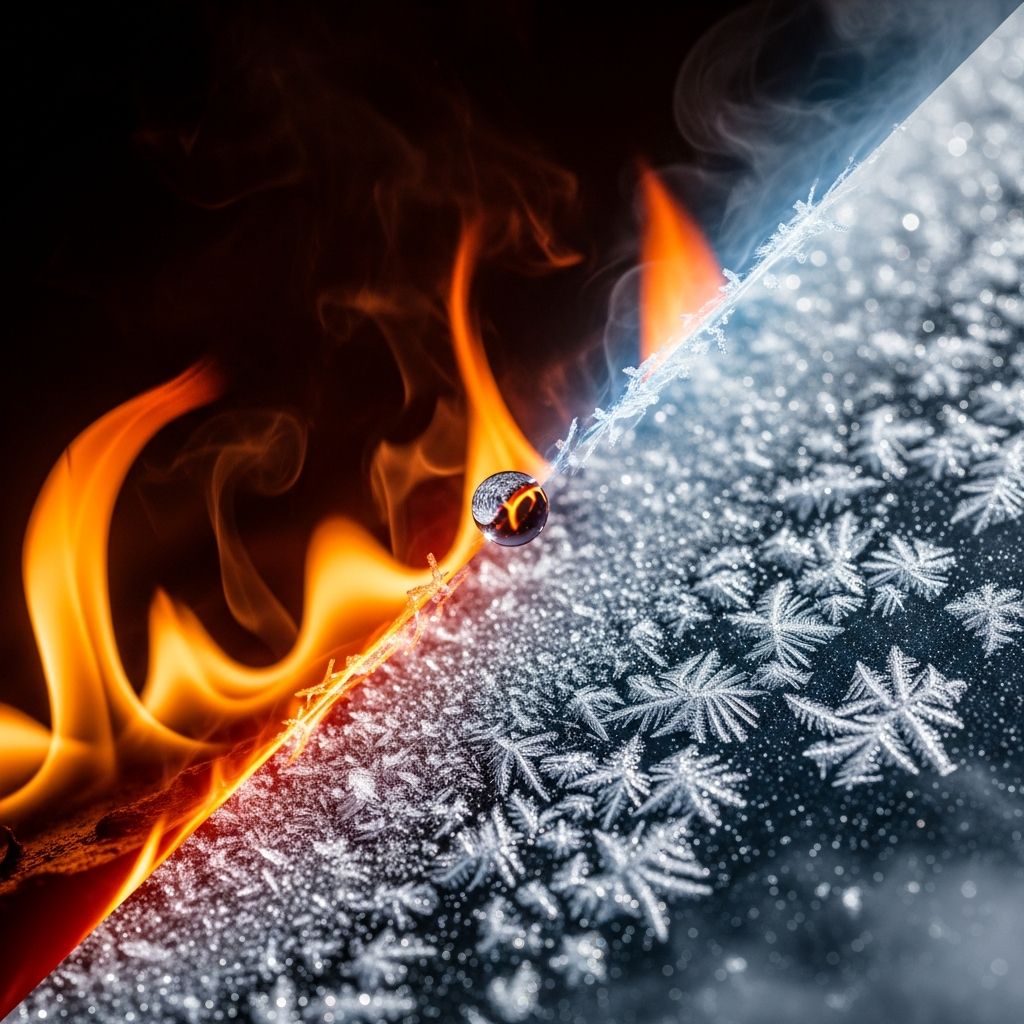
Heat and Cold
Skin is the body’s primary interface with environmental temperatures, making it vulnerable to both extreme heat and cold. Thermal injuries range from mild rashes to severe tissue damage, affecting millions annually, particularly in varying climates. This article details common dermatological reactions to heat and cold, their clinical features, underlying mechanisms, prevention, and management strategies.
What is heat and cold injury to the skin?
Heat and cold injuries to the skin arise from exposure to extreme temperatures that disrupt normal skin physiology. Cold injuries impair blood flow and cause tissue freezing, while heat leads to sweat gland obstruction, vasodilation, or direct thermal damage. These conditions are prevalent in occupational settings, outdoor activities, and even household scenarios like using heating pads.
Who is at risk? Vulnerable groups include outdoor workers, the elderly, infants, individuals with circulatory disorders, and those in extreme climates. Early recognition is crucial to prevent complications like chronic pain or scarring.
Cold injury
Cold injury encompasses a spectrum from mild to severe skin damage due to low temperatures. It primarily affects acral sites—fingers, toes, ears, and nose—where blood flow is limited in response to cold.
Chilblains (perniones)
Chilblains, or perniones, result from repeated exposure to cold above freezing, typically 0–15°C, followed by rewarming. They manifest as painful, itchy, erythematous or purplish swellings on digits, heels, or ears. Characteristic progression: skin turns white, then cyanotic and red before normalizing. Severe cases lead to blistering, ulceration, or microgeodic disease—small bone erosions in digits causing swelling and fractures.
Prevention involves keeping skin warm and dry; treatment includes warming, topical steroids, and nifedipine for severe cases.
Frostnip and frostbite
Frostnip is superficial freezing of the epidermis, presenting as pale, numb skin without deeper damage. Frostbite occurs below freezing, with early signs of blanching, numbness, and stinging. Superficial frostbite affects skin and dermis; deep involves muscle and bone. Late sequelae include chronic pain, hyperhidrosis, nail dystrophy, fibrosis, osteoporosis, and cold intolerance.
Treatment: Rapid rewarming in 40°C water bath (avoid refreezing risk). Do not rub or use dry heat. Surgical debridement for necrotic tissue if needed.
Cold urticaria
Cold urticaria triggers hives upon cold exposure (air, water, objects). Weals appear on rewarming, lasting 1–2 hours. Systemic risks include anaphylaxis during swims. Management: Antihistamines, omalizumab; warn about anesthesia risks.
Heat injury
Heat-related skin conditions stem from hyperthermia, humidity, and sweat retention, common in tropical climates or during heatwaves.
Erythema ab igne
This reticulated erythema follows chronic mild heat exposure (e.g., hot water bottles, laptops, fires). Initial red ‘net-like’ rash progresses to pigmentation, atrophy, or rarely squamous cell carcinoma. No specific treatment; avoid heat source, appearance fades slowly.
Erythromelalgia
Characterized by burning pain in warm extremities, with red or cyanotic skin. Primary (genetic) or secondary to myeloproliferative disorders, lupus. Relieved by cooling/elevating; aspirin helps secondary cases.
Heat urticaria and cholinergic urticaria
Heat urticaria causes local weals from direct heat. Cholinergic urticaria, triggered by exercise, stress, or heat, produces pinpoint pruritic weals (2–3 mm) with flares, lasting 15–30 minutes. Mechanism involves sweat or acetylcholine. Treatments: Antihistamines, phototherapy, beta-blockers, scopolamine.
Hyperhidrosis
Excessive sweating worsens with heat, emotions, or spicy foods, leading to bromhidrosis or social issues. Primary focal (axillae, palms) or secondary. Treatments:
- Aluminum chloride antiperspirants
- Iontophoresis
- Botulinum toxin injections
- Glycopyrrolate or oxybutynin
- Sympathectomy (last resort)
Miliaria (heat rash)
Miliaria results from blocked sweat ducts, causing prickly heat. Types: miliaria crystallina (clear vesicles), miliaria rubra (red papules), miliaria profunda (flesh-colored papules). Aggravated by heat, humidity, Staphylococcus epidermidis overgrowth. Treatment: Cooling, calamine, avoid occlusion.
Prevention of thermal skin injuries
Key strategies:
- For cold: Layer clothing, protect extremities, avoid wet clothes, limit exposure time.
- For heat: Wear breathable fabrics, stay hydrated, use fans/AC, schedule activities for cooler times.
- High-risk groups (diabetics, Raynaud’s patients) need tailored advice.
Climate change exacerbates risks via prolonged heatwaves and variable winters.
Management of heat and cold injuries
| Condition | Acute Management | Chronic Sequelae Treatment |
|---|---|---|
| Chilblains | Warm gradually, topical corticosteroid | Nifedipine, avoid triggers |
| Frostbite | 40°C water immersion, NSAIDs, tetanus prophylaxis | Physical therapy, gabapentin for pain |
| Erythema ab igne | Remove heat source | Laser for pigmentation |
| Miliaria | Cool environment, calamine | Anhydrous lanolin prevention |
| Urticarias | Antihistamines, avoid triggers | Omalizumab for refractory cases |
Frequently Asked Questions
What causes chilblains?
Chilblains are caused by intermittent cold exposure above freezing, leading to vascular instability and inflammation in extremities.
How is frostbite treated at home?
Do not rewarm if refreezing is possible. Seek medical care for immersion in warm water and supportive therapy.
Can erythema ab igne lead to cancer?
Rarely, prolonged cases may predispose to squamous cell carcinoma; cease heat exposure immediately.
What triggers cholinergic urticaria?
Heat from exercise, hot baths, spicy foods, or stress, via cholinergic nerve stimulation.
How to prevent heat rash in hot climates?
Use loose clothing, frequent showers, talc-free powders, and air conditioning.
Related Topics
References
- Heat and cold — DermNet NZ. 2023-05-15. https://dermnetnz.org/topics/heat-and-cold
- The impact of climate change on skin — DermNet NZ. 2024-02-10. https://dermnetnz.org/topics/climate-change
- Cold urticaria — DermNet NZ. 2023-08-20. https://dermnetnz.org/topics/cold-urticaria
- Heat-related illnesses: physiology, symptoms and management — The Pharmaceutical Journal. 2023-07-12. https://pharmaceutical-journal.com/article/ld/heat-related-illnesses-physiology-symptoms-and-management
- Erythema ab igne — DermNet NZ. 2023-11-05. https://dermnetnz.org/topics/erythema-ab-igne
- Frostbite — DermNet NZ. 2023-06-18. https://dermnetnz.org/topics/frostbite
- Heat rash (Miliaria) — DermNet NZ. 2024-01-22. https://dermnetnz.org/topics/miliaria
Similar Articles



Read full bio of Sneha Tete