Heat Exhaustion And Heatstroke: Symptoms, Treatment, Prevention
Recognize symptoms, treat promptly, and prevent heat exhaustion and life-threatening heatstroke during hot weather.
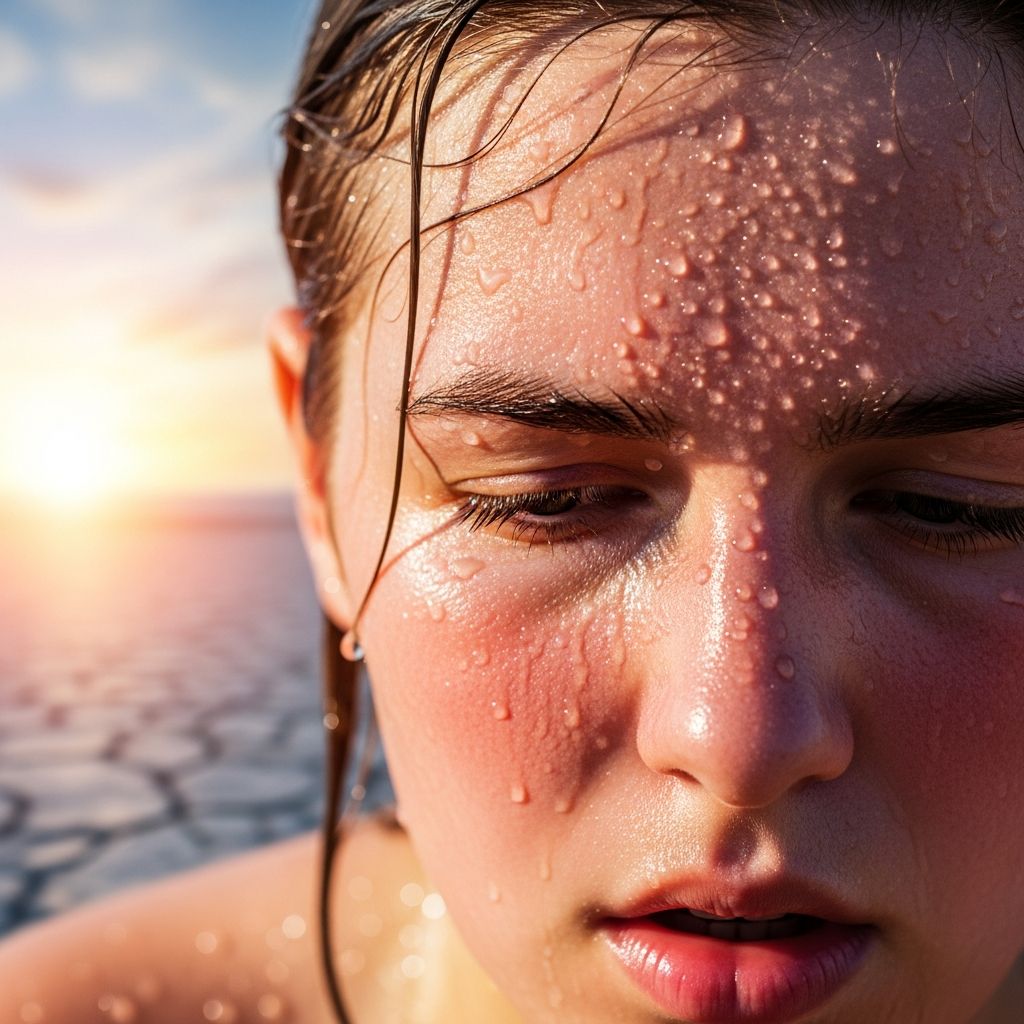
Heat exhaustion occurs when the body overheats from prolonged exposure to high temperatures, leading to symptoms like fatigue and dizziness. Heatstroke is a severe progression where body temperature exceeds 40°C, requiring immediate emergency intervention to prevent organ damage or death.
Understanding Heat Exhaustion
If exposed to excessive heat, your body struggles to maintain a normal temperature, causing feelings of unwellness, low energy, dizziness, or nausea. Heat exhaustion arises when the body’s cooling mechanisms are overwhelmed but can still function if addressed promptly. Without quick treatment, it may advance to heatstroke, a critical condition where temperature regulation fails completely.
The body normally cools itself through sweating and increased blood flow to the skin. In hot environments, especially with humidity, evaporation slows, trapping heat and raising core temperature. Risk factors include high humidity, direct sunlight, lack of air movement, dehydration, and physical exertion.
Heat Exhaustion Symptoms
Recognizing heat exhaustion early is crucial. Common symptoms include:
- Heavy sweating and skin feeling cool, pale, and clammy.
- Fast but weak pulse.
- Muscle cramps, particularly in legs or abdomen.
- Temperature below 40°C, often normal or slightly elevated.
- Feeling tired, weak, or dizzy.
- Headache, nausea, or fainting.
- Thirst and dark urine indicating dehydration.
These signs typically develop over hours in hot conditions. Athletes, outdoor workers, elderly individuals, and children are particularly vulnerable.
Heat Exhaustion Treatment
Treat heat exhaustion immediately to halt progression:
- Move to a cool, shaded, or air-conditioned area.
- Loosen or remove excess clothing.
- Cool the skin with cold towels, a cool shower, or fanning while spraying water.
- Drink cool water or rehydration solutions slowly; avoid caffeine or alcohol.
- Rest with legs elevated to improve circulation.
- Monitor for improvement within 30 minutes.
If symptoms persist or worsen, seek medical help, as it could indicate impending heatstroke.
Preventing Heat Exhaustion
Prevention is key to avoiding heat-related illnesses:
- Drink plenty of fluids, especially water, before thirst sets in.
- Wear lightweight, loose, light-colored clothing and wide-brimmed hats.
- Schedule activities for cooler times like early morning or evening.
- Take frequent breaks in shade or air-conditioned spaces.
- Avoid hot, heavy meals and excessive alcohol.
- Monitor high-risk groups like children and the elderly closely.
Acclimatize gradually to hot weather over 1-2 weeks, increasing exposure slowly.
Heatstroke
Heatstroke is a life-threatening emergency where the body’s temperature soars above 40°C (104°F), and cooling mechanisms fail. It often follows untreated heat exhaustion. Prompt cooling is vital, as mortality rises with every minute of delay.
There are two types: classic (non-exertional) from passive heat exposure, common in elderly or infirm; and exertional, from intense activity in heat, seen in athletes.
Sunstroke
Sunstroke is a subtype of heatstroke caused by direct sunlight exposure. Symptoms and treatment mirror heatstroke, with added risk of severe sunburn causing blistering. Sponge blistered skin gently with cool water while awaiting help.
Heatstroke Symptoms
Heatstroke signs demand immediate action:
- Extremely high body temperature over 40°C.
- Hot, red, dry, or damp skin (sweating may cease).
- Fast, strong pulse.
- Shallow, rapid breathing.
- Weak or cramping muscles.
- Dizziness, headache, confusion, agitation, or seizures.
- Nausea, vomiting, or loss of consciousness.
Related Stories



Cognitive changes like confusion distinguish it from heat exhaustion.
Heatstroke Treatment
Call emergency services (999/911) immediately. While waiting:
- Move to a cool area.
- Remove clothing and cool aggressively: ice packs on neck, armpits, groin; cold water immersion if possible; or wet sheets with fanning.
- Do not give fluids if unconscious or confused.
- Monitor breathing and pulse; start CPR if needed.
Hospital care involves IV fluids, monitoring for organ failure, and cooling to below 39°C rapidly.
When to Get Medical Help
| Condition | Seek Help If |
|---|---|
| Heat Exhaustion | No improvement after 30 minutes of cooling and rehydration; worsening symptoms. |
| Heatstroke/Sunstroke | Any symptoms present—call emergency now. |
| Sunburn Complications | Blistering over large areas, fever, chills, confusion. |
Severe sunburn can trigger heat illness; seek care for extensive burns.
Who is at Risk & Complications
High-risk groups:
- Elderly, infants, young children.
- Those with heart/lung disease, obesity, or prior heatstroke.
- Athletes, laborers in hot environments.
- People on medications affecting temperature regulation (e.g., diuretics).
Complications include brain/organ swelling, kidney failure, muscle breakdown, permanent damage, or death. Duration of hyperthermia determines severity.
FAQs
What is the difference between heat exhaustion and heatstroke?
Heat exhaustion involves milder symptoms with sweating intact and temperature under 40°C; heatstroke features core temperature over 40°C, CNS dysfunction, and often no sweating.
How long does heat exhaustion take to develop?
It can occur over hours of heat exposure, faster with exertion or dehydration.
Can sunburn cause heatstroke?
Yes, severe sunburn impairs skin cooling and can lead to heat exhaustion or stroke.
What is the first step in heatstroke treatment?
Call emergency services and initiate rapid cooling.
How to prevent heat illness in children?
Ensure hydration, shade breaks, light clothing; watch for irritability or lethargy.
References
- The diagnosis and emergency care of heat related illness and sunburn — Jay M. Milstein. 2010-05-26. https://pmc.ncbi.nlm.nih.gov/articles/PMC2875908/
- Heat strokes, cramping and sunburns: How to stay safe in the summer heat — Texas Children’s Hospital. 2023. https://www.texaschildrens.org/content/wellness/heat-strokes-cramping-and-sunburns-how-stay-safe-summer-heat
- How to treat sunburn at home — Patient.info. 2023. https://patient.info/features/skin-conditions/how-to-treat-sunburn-at-home
- Heatstroke – Symptoms and causes — Mayo Clinic. 2025-06-20. https://www.mayoclinic.org/diseases-conditions/heat-stroke/symptoms-causes/syc-20353581
- The warning signs of heatstroke and heat exhaustion — Patient.info. 2023. https://patient.info/features/general-health/how-to-spot-the-warning-signs-of-heat-stroke
- Heat exhaustion and heatstroke — Patient.info. 2023. https://patient.info/skin-conditions/sun-and-sunburn/heat-exhaustion-and-heat-stroke
Similar Articles








Read full bio of medha deb