Heat Exhaustion: Symptoms, Treatment & Prevention
Learn how to recognize, treat, and prevent heat exhaustion during hot weather.
Understanding Heat Exhaustion
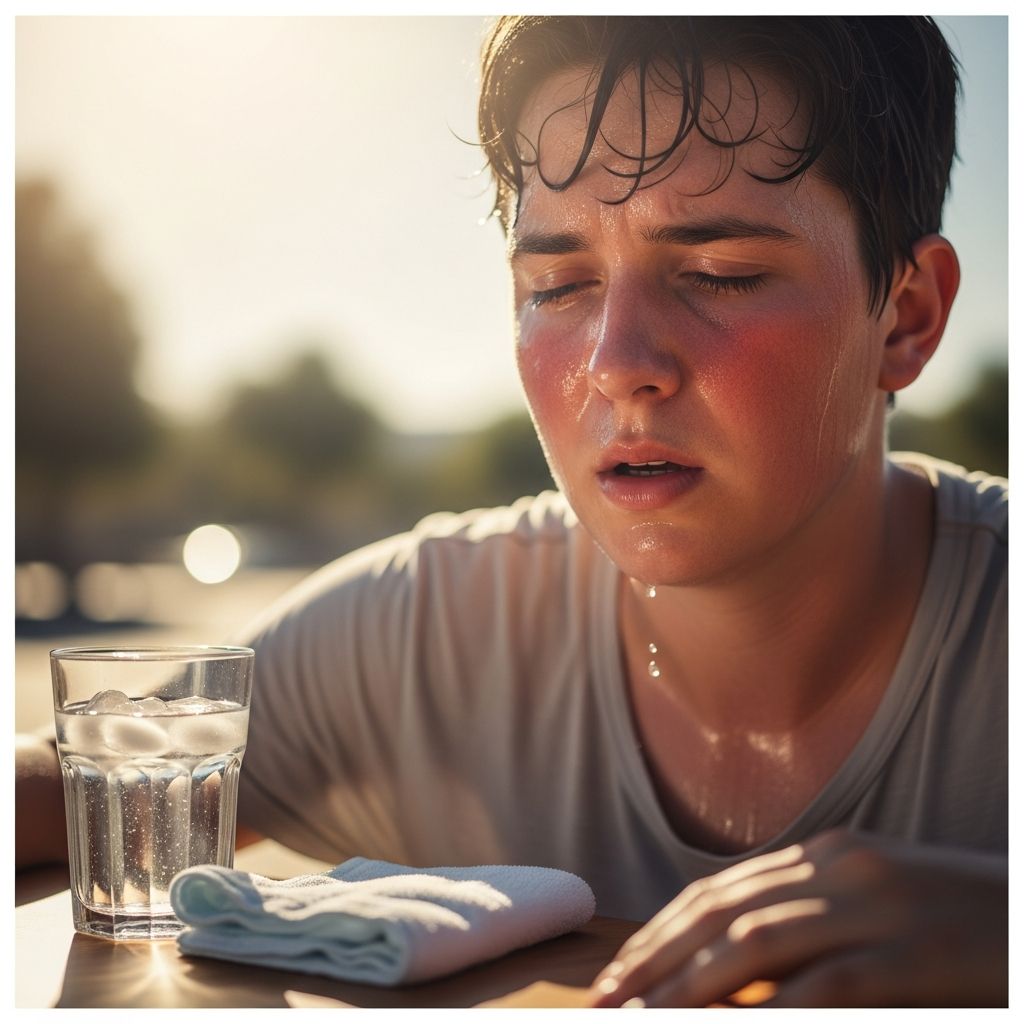
Heat exhaustion is a serious heat-related illness that occurs when your body loses excessive amounts of water and salt through sweating, leading to an inability to maintain proper core temperature regulation. Unlike heat stroke, which is life-threatening, heat exhaustion is a moderate form of heat illness that develops when the body becomes overheated due to prolonged exposure to high temperatures or intense physical activity in hot conditions. Recognizing the early signs of heat exhaustion is crucial because it can progress to heat stroke if left untreated.
Your body naturally cools itself by sweating, but when you’re exposed to extreme heat for extended periods, this cooling mechanism can become overwhelmed. Heat exhaustion typically develops gradually, giving you time to seek help if you recognize the symptoms. Understanding this condition is essential for anyone who works outdoors, exercises regularly, or lives in a hot climate.
Symptoms of Heat Exhaustion
Heat exhaustion presents with a variety of symptoms that reflect your body’s struggle to maintain proper temperature and fluid balance. These symptoms often resemble flu-like illness, which is why it’s important to consider the context of heat exposure when evaluating your condition.
Early Warning Signs
Common symptoms of heat exhaustion include:
- Headache and dizziness
- Nausea and vomiting
- Muscle cramps, particularly in the legs and abdomen
- Weakness and fatigue
- Pale, clammy skin with excessive sweating
- Rapid or weak pulse
- Heavy perspiration
- Malaise or general feeling of illness
Physical Indicators
When experiencing heat exhaustion, your body temperature typically remains normal or only slightly elevated, usually below 104°F (40°C). Clinical signs of dehydration are almost always present, including tachycardia (rapid heartbeat), hypotension (low blood pressure), and diaphoresis (excessive sweating). Your skin may appear pale and feel clammy to the touch, distinguishing heat exhaustion from heat stroke, where the skin becomes hot and dry.
Heat Exhaustion vs. Heat Stroke: Key Differences
Understanding the distinction between heat exhaustion and heat stroke is vital because the treatments differ significantly. While both are heat-related illnesses on a spectrum, heat stroke requires emergency medical intervention, whereas heat exhaustion can often be managed with appropriate first aid.
| Characteristic | Heat Exhaustion | Heat Stroke |
|---|---|---|
| Body Temperature | 101°F to 104°F (38.3°C to 40°C) | Above 104°F (40°C) |
| Skin Appearance | Pale, clammy, excessive sweating | Dry, red skin, little or no sweating |
| Mental Status | Alert and conscious | Confusion, altered consciousness |
| Muscle Function | May have cramps | Loss of coordination |
| Emergency Status | Serious but manageable | Life-threatening emergency |
| CNS Involvement | Minimal or absent | Central nervous system dysfunction present |
The most critical distinction is that heat stroke involves central nervous system dysfunction, meaning altered mental status and confusion are present. Heat exhaustion does not typically involve these neurological symptoms. If someone shows signs of confusion, agitation, or altered consciousness along with extreme heat exposure, this indicates heat stroke, which requires immediate emergency medical attention.
Related Stories



Causes and Risk Factors
Heat exhaustion develops when your body’s cooling systems are overwhelmed by excessive heat exposure or strenuous physical activity in hot conditions. Several factors increase your vulnerability to developing heat exhaustion:
- Prolonged exposure to high temperatures and humidity
- Intense physical exertion in hot weather
- Inadequate fluid intake during heat exposure
- Sweating without replacing lost electrolytes
- Certain medications that impair sweating or temperature regulation
- Age (young children and older adults are more vulnerable)
- Pre-existing medical conditions affecting temperature regulation
- Alcohol consumption in hot environments
- Being overweight or having poor cardiovascular fitness
Treatment of Heat Exhaustion
The primary treatment for heat exhaustion focuses on rehydration and cooling your body. Prompt action is essential to prevent progression to heat stroke.
Immediate First Aid Steps
If you suspect heat exhaustion, take these actions immediately:
- Move to a cool location, preferably indoors or in the shade
- Remove unnecessary clothing to aid cooling
- Lie down with legs elevated to help maintain blood pressure
- Apply cool, wet cloths to your skin
- Use a fan to promote evaporative cooling
- Place ice packs on the neck, armpits, and groin where large blood vessels are close to the surface
Rehydration Therapy
Rehydration is the cornerstone of heat exhaustion treatment. For mild cases with minimal symptoms, oral fluids may be sufficient. Drink water or sports drinks containing electrolytes and carbohydrates to help your body retain fluids more effectively than water alone. Avoid caffeine and alcohol, as these can increase dehydration.
For more severe cases with persistent symptoms, intravenous fluid administration may be necessary to rapidly restore fluid balance and electrolytes. A healthcare provider can assess the severity of your condition and determine whether IV fluids are needed. Most patients begin recovering once proper hydration is restored and body temperature normalizes.
Cooling Methods
Conservative cooling measures are typically sufficient for heat exhaustion. These include immersing yourself in cool water, applying cold wet compresses to the skin, or using cold water spray combined with fans to promote evaporation. Unlike heat stroke treatment, aggressive cooling methods are not necessary for heat exhaustion, though they can provide relief.
When to Seek Medical Attention
While many cases of heat exhaustion can be managed with self-care, certain situations require professional medical evaluation:
- Symptoms persist or worsen after initial treatment
- You develop signs of heat stroke, such as confusion or loss of consciousness
- You have underlying medical conditions affecting your heart or kidneys
- You’re taking medications that may complicate recovery
- You’re pregnant, elderly, or a very young child
- Symptoms include chest pain or severe weakness
Prevention Strategies
Preventing heat exhaustion is far more effective than treating it. By taking proactive measures, you can safely enjoy hot weather and outdoor activities.
Stay Hydrated
Drink adequate fluids throughout the day, not just when you feel thirsty. Water is ideal for most situations, but sports drinks with electrolytes can be beneficial during prolonged exertion in heat. Avoid excessive caffeine and alcohol, which promote dehydration.
Limit Outdoor Activity
Schedule outdoor activities during cooler parts of the day, typically early morning or evening. If you must be outside during peak heat hours, take frequent breaks in shaded or air-conditioned areas, and reduce the intensity of physical activity.
Wear Appropriate Clothing
Choose lightweight, loose-fitting, light-colored clothing that allows sweat to evaporate. Wide-brimmed hats provide shade for your head and face. Avoid dark colors that absorb heat.
Acclimatization
If you’re new to a hot climate or beginning outdoor work during summer, gradually increase your heat exposure over several days to allow your body to adapt. This reduces your risk of heat illness.
Monitor Vulnerable Populations
Children, elderly individuals, and those with chronic medical conditions are at higher risk. Check on them frequently during heat waves, and ensure they stay hydrated and have access to cool environments.
Recovery and Follow-Up
After experiencing heat exhaustion, your body needs time to fully recover. Continue to drink fluids and avoid immediate re-exposure to heat. If symptoms were severe or you required medical treatment, follow your healthcare provider’s recommendations for gradual return to normal activities.
Some people may experience lingering effects such as persistent fatigue or weakness for a few days after heat exhaustion. If these symptoms continue beyond a few days or worsen, contact your healthcare provider. Additionally, having experienced heat exhaustion once means you’re at higher risk for it again, so be particularly vigilant about prevention in future heat exposure situations.
Frequently Asked Questions
Q: Can heat exhaustion turn into heat stroke?
A: Yes, untreated heat exhaustion can progress to heat stroke. This is why recognizing early symptoms and taking immediate action to cool your body and rehydrate is so important. Heat stroke is a medical emergency requiring immediate professional care.
Q: Is it safe to drink only water during heat exposure?
A: While water is essential, sports drinks containing electrolytes and carbohydrates are often preferable during prolonged heat exposure or intense activity. Consuming large amounts of plain water without electrolytes can dilute your body’s sodium levels and paradoxically worsen dehydration.
Q: How long does it take to recover from heat exhaustion?
A: Most people recover within a few hours to a day with appropriate treatment. However, if you required hospital care or experienced severe symptoms, recovery may take longer. Always follow your healthcare provider’s guidance on returning to normal activities.
Q: What’s the difference between heat cramps and heat exhaustion?
A: Heat cramps are involuntary muscle tightening due to loss of electrolytes through sweating, while heat exhaustion involves systemic symptoms including dehydration, weakness, nausea, and dizziness. Heat cramps are a milder form of heat illness and can progress to heat exhaustion if untreated.
Q: Should I exercise in hot weather?
A: You can exercise in hot weather safely by taking precautions: exercise during cooler parts of the day, wear appropriate clothing, stay hydrated, take frequent breaks, and listen to your body. If you’re new to exercising in heat, start gradually and allow your body to acclimate.
Q: Who is most at risk for heat exhaustion?
A: Risk groups include outdoor workers, athletes, young children, elderly adults, and people with chronic medical conditions. Those taking certain medications or living in hot climates are also at higher risk. Pregnant women should be particularly cautious.
Q: Can I prevent heat exhaustion if my job requires outdoor work?
A: Yes. Talk to your healthcare provider about developing a safety plan. Wear appropriate clothing, take regular breaks in shaded areas, drink fluids consistently, and monitor yourself for early symptoms. Your employer should also provide heat illness prevention protocols.
References
- Heat Illness: Tips for Recognition and Treatment — Cleveland Clinic Journal of Medicine. 2011. https://www.ccjm.org/content/ccjom/68/8/685.full.pdf
- Heat Exhaustion Overview — Cleveland Clinic. 2024. https://health.clevelandclinic.org/heat-exhaustion-vs-heat-stroke
- Heat Stroke: Symptoms, Treatment & Recovery — Cleveland Clinic. 2024. https://my.clevelandclinic.org/health/diseases/21812-heatstroke
- Heat-Related Illness (Hyperthermia) — Cleveland Clinic. 2024. https://my.clevelandclinic.org/health/diseases/22111-hyperthermia
- Heat Cramps: Causes & Treatment — Cleveland Clinic. 2024. https://my.clevelandclinic.org/health/diseases/24866-heat-cramps
Similar Articles








Read full bio of medha deb