Heat Rash (Miliaria): Causes, Types, and Treatment
Comprehensive guide to understanding, diagnosing, and treating miliaria in all age groups.
What is Miliaria?
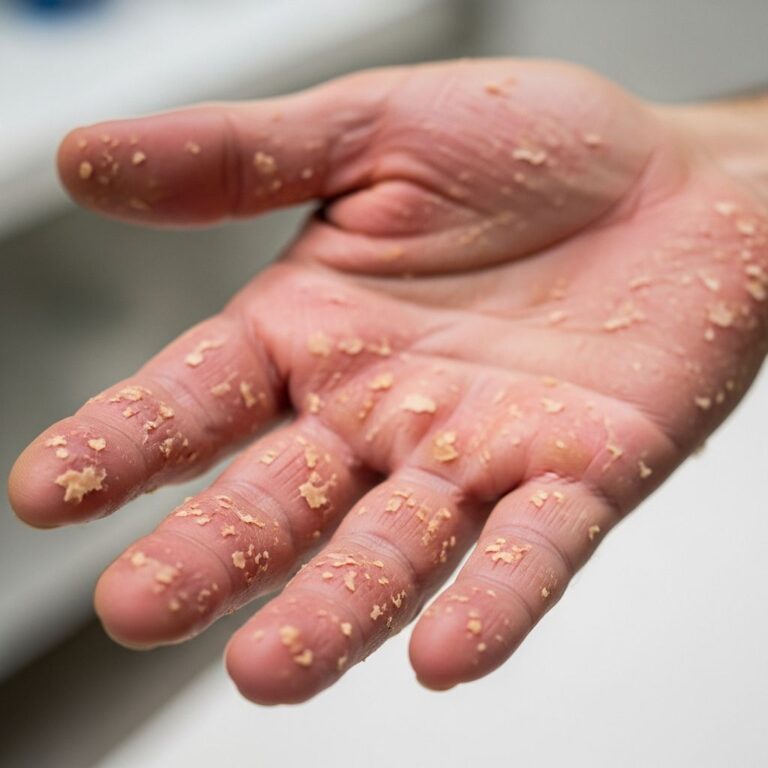
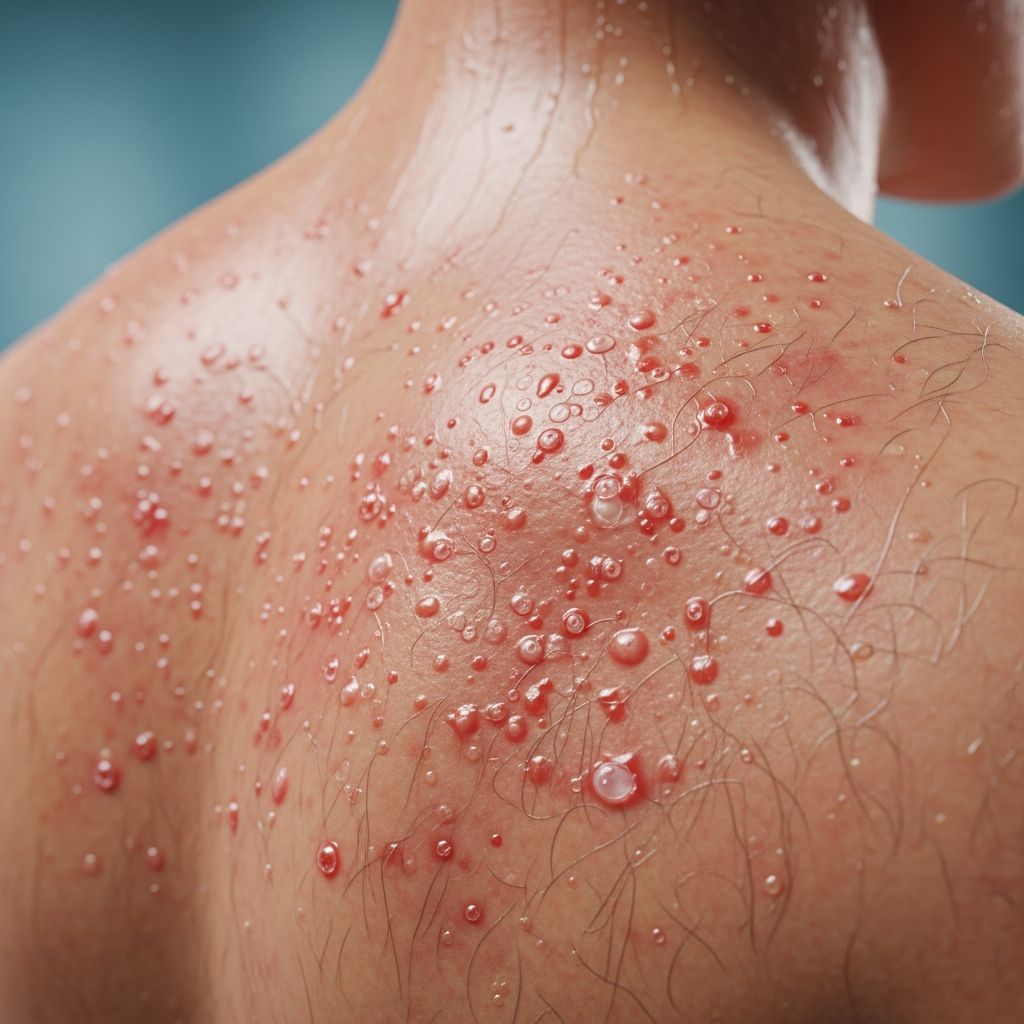
Miliaria, commonly known as heat rash, sweat rash, or prickly heat, is a common skin condition caused by blockage and inflammation of eccrine sweat ducts. This condition occurs when sweat becomes trapped beneath the skin’s surface, leading to the formation of characteristic sweat-filled vesicles and inflammatory lesions. Miliaria is frequently observed in hot, humid, or tropical climates, in hospitalized patients, and during the neonatal period. The condition affects all age groups and racial groups equally, though infants and children are at higher risk due to the immaturity of their eccrine ducts.
Demographics and Prevalence
Heat rash is a universal condition that transcends demographic boundaries, affecting individuals across all ages, ethnicities, and genders with equal prevalence. However, certain populations demonstrate increased susceptibility. Infants and young children face heightened risk due to the developmental immaturity of their eccrine sweat gland systems. In hospitalized patients, the combination of elevated environmental temperatures, prolonged bed rest, and reduced air circulation contributes to increased incidence rates. The condition is most commonly encountered in warm climates and during summer months when environmental temperatures and humidity levels peak.
Causes and Risk Factors
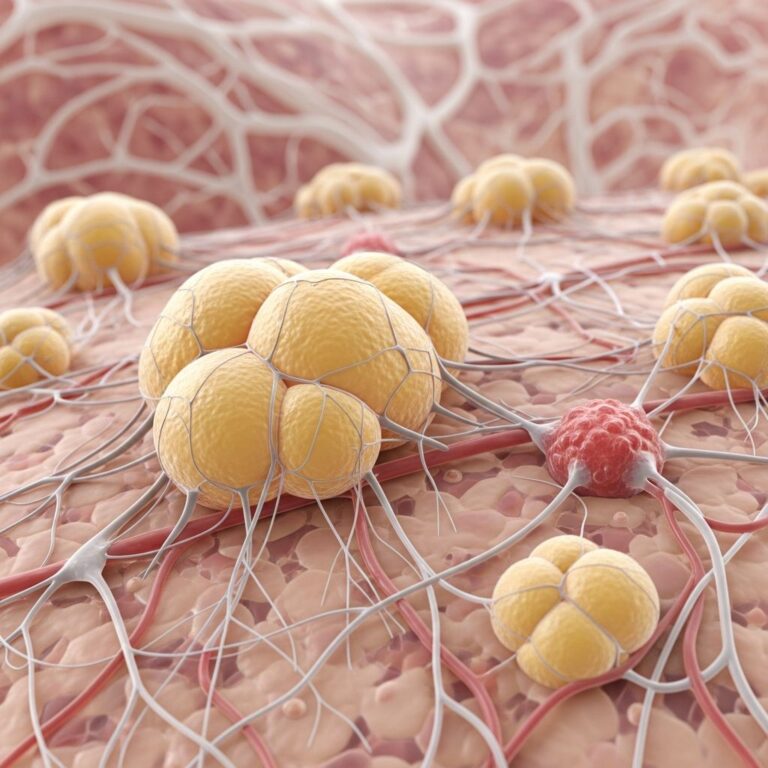
Miliaria develops primarily through the obstruction of eccrine sweat glands or ducts, which can result from cutaneous debris or bacteria, such as Staphylococcus epidermidis, which forms protective biofilms. The obstruction triggers sweat leakage into the epidermis or dermis, causing cellular overhydration, swelling, and further occlusion of the ducts.
Primary Triggering Factors
- High heat and humidity: The most significant environmental contributors, particularly in tropical and subtropical regions
- Excessive sweating: From physical exertion, fever, or high ambient temperatures
- Prolonged or intense physical activity: Athletes and individuals engaged in strenuous exercise are at elevated risk
- Poor ventilation: Restricted air circulation in enclosed spaces
- Overdressing: Wearing excessive or inappropriate clothing for environmental conditions
- Prolonged sun exposure: Direct and sustained UV radiation
Contributing Medical and Lifestyle Factors
- Tight, non-porous clothing that restricts air circulation
- Illness and fever from various medical conditions
- Obesity, which increases overall sweat production
- Smoking and nicotine exposure
- Hormonal fluctuations and changes
- Certain medications that increase sweating or affect skin barrier function
- Diabetes and associated metabolic changes
- Friction and pressure from repeated skin contact or constrictive devices
- Viral or bacterial skin infections
- Poor hygiene practices
- Exposure to skin irritants, including scented deodorants and harsh soaps
Pathophysiology
The fundamental mechanism underlying miliaria involves obstruction of eccrine sweat glands or ducts at varying depths depending on the type. This obstruction can originate from cutaneous debris, desquamated skin cells, or bacterial colonization such as S. epidermidis, which establish protective biofilm structures. Once obstruction occurs, the retained eccrine sweat cannot reach the skin surface, leading to increased hydrostatic pressure within the duct system. This pressure differential causes sweat to leak retrograde into the epidermis or dermis, triggering cellular overhydration and localized swelling. The continued accumulation of sweat further occludes the already compromised ducts, creating a self-perpetuating cycle. In more severe cases involving deeper obstruction of eccrine glands or ducts, the accumulated pressure can lead to rupture of the duct wall, releasing sweat directly into dermal tissue and intensifying the inflammatory response.
Types of Miliaria
Based on the anatomical level of sweat duct obstruction, miliaria is classified into three distinct types, each presenting with unique clinical characteristics and histological features.
Miliaria Crystallina
Miliaria crystallina represents the most superficial form of heat rash, occurring when obstruction affects the sweat ducts within or just beneath the stratum corneum of the epidermis. This type presents with clear, fragile, fluid-filled blisters that typically appear without surrounding erythema or inflammatory response. The lesions are usually asymptomatic or cause minimal discomfort. Histologically, miliaria crystallina shows vesicles directly associated with the affected sweat ducts within the uppermost epidermal layers. This form is self-limiting and typically resolves completely within 24 hours without requiring medical intervention, making it the most benign presentation of heat rash.
Related Stories



Miliaria Rubra
Miliaria rubra is the most prevalent form of miliaria and occurs when obstruction affects eccrine ducts in the deeper layers of the epidermis and superficial dermis. This deeper level of obstruction triggers a pronounced inflammatory response, characterized by the formation of larger, erythematous papules and vesicles. The condition presents with visible redness, itching, and prickling sensations that range from mild to moderate in intensity. A key distinguishing feature is the minimal involvement of hair follicles, which helps differentiate miliaria rubra from folliculitis and other inflammatory skin conditions. Histological examination reveals spongiosis and spongiotic vesicles within the dermal tissue. In both miliaria rubra and miliaria profunda, anhidrosis may develop in affected areas due to obstructed sweat glands, leading to impaired thermoregulation. Extensive involvement can result in heat exhaustion when the body cannot effectively dissipate thermal energy, a critical consideration when evaluating patients presenting with concurrent fever and rash.
Miliaria Profunda
Miliaria profunda represents a rare but more severe form affecting the deepest layers of skin, specifically the dermis. In this type, obstruction occurs at the level of the eccrine duct within dermal tissue, causing retained sweat to leak directly into the dermis and surrounding connective tissue. This results in the formation of firm, flesh-colored lesions that resemble goosebumps or nodules. Miliaria profunda can develop rapidly, sometimes within minutes, but may also resolve quickly—within an hour of cooling—in acute cases. However, persistent or recurrent presentations may persist for several weeks and could require more aggressive therapeutic interventions.
Miliaria Pustulosa
When the papules and vesicles of miliaria rubra become superinfected with bacteria, they may progress to miliaria pustulosa. In this condition, the fluid-filled sacs become inflamed and filled with purulent material, creating visible pustules. This form represents a complication of untreated or severe miliaria rubra and typically requires antimicrobial therapy in addition to standard heat rash management.
Clinical Features and Symptoms
The clinical presentation of miliaria varies significantly depending on the type and severity of the condition. Symptoms range from asymptomatic lesions to intensely uncomfortable presentations that substantially impact quality of life.
Common Signs and Symptoms
- Small, raised, red bumps or blisters on affected skin areas
- Itchy, prickly, or stinging sensations ranging from mild to severe
- Visible redness and inflammation of involved skin regions
- Mild to moderate pain or tenderness
- Mild swelling of affected areas
- Sensation of heat in affected regions
Differentiating Symptom Severity
Mild heat rash symptoms include clear, fragile, fluid-filled blisters with minimal surrounding erythema and little to no pruritus. Severe heat rash symptoms include firm, painful bumps, fever, extensive swelling, or clear signs of infection such as pus-filled blisters with surrounding cellulitis. Severe presentations warrant prompt medical evaluation to rule out secondary bacterial infection and other serious dermatological conditions.
Complications
While miliaria is generally self-limiting and benign, several complications can develop, particularly in severe, untreated, or recurrent cases. Secondary bacterial infection is the most common complication, occurring when pathogenic organisms colonize the damaged skin barrier. Heat exhaustion represents a significant systemic complication in patients with extensive miliaria involvement, resulting from impaired thermoregulation due to anhidrosis in large body surface areas. Scarring may occur in severe cases with extensive dermal involvement, though this is uncommon. Chronic or recurrent miliaria can lead to significant psychological distress and reduced quality of life in affected individuals.
Diagnosis
Miliaria is typically diagnosed based on its characteristic clinical presentation, including the morphology of lesions, their distribution pattern, and the temporal relationship to heat exposure and sweating. Most cases require no additional diagnostic testing beyond careful clinical examination. However, in severe cases or when repeated episodes occur without apparent resolution, a punch biopsy can provide definitive histological confirmation. Histological examination reveals distinct patterns depending on the type: miliaria crystallina shows vesicles within the stratum corneum, while miliaria rubra demonstrates spongiosis and spongiotic vesicles in the epidermis and superficial dermis.
Differential Diagnoses
Several other skin conditions can mimic miliaria, necessitating careful differentiation through clinical and sometimes histological examination. Folliculitis presents with hair follicle involvement, which is minimal in miliaria rubra. Erythema toxicum and other neonatal rashes may appear similar in infants but follow different clinical courses. Allergic contact dermatitis often presents with more pronounced pruritus and potential systemic symptoms. Viral exanthems associated with infections may have systemic manifestations. Lichen spinulosus presents with characteristic follicular hyperkeratosis distinct from miliaria.
Treatment and Management
The approach to miliaria management is multifaceted, incorporating environmental modifications, lifestyle changes, and specific pharmacological interventions tailored to the type and severity of the condition. Since hot and sweaty conditions are primary risk factors, the foundation of treatment involves implementing general measures to reduce sweating and prevent eccrine duct blockage.
General Preventive and Environmental Measures
- Creating and maintaining cooler environments with adequate air conditioning or ventilation
- Wearing breathable, lightweight, loose-fitting clothing that permits air circulation
- Regular exfoliation of affected skin areas to remove cellular debris and prevent duct obstruction
- Removing skin-occluding objects such as bandages, patches, or constrictive medical devices
- Addressing febrile illnesses promptly to reduce fever-related sweating
- Maintaining proper hygiene without using harsh soaps or scented products
- Utilizing appropriate emollients and moisturizers to maintain skin barrier integrity
Type-Specific Treatment Approaches
Miliaria crystallina usually does not require active treatment, as it is self-limiting and typically resolves completely within 24 hours through spontaneous recovery. Simply removing the patient from the heat source and allowing the skin to cool usually results in full resolution.
Miliaria rubra is managed primarily by reducing inflammation through application of topical corticosteroids. Mild-to-mid-potency corticosteroid creams, such as 0.1% triamcinolone, may be applied to affected areas for 1 to 2 weeks to suppress inflammatory responses and reduce pruritus. Supportive measures include cool compresses, calamine lotion to relieve discomfort, and emollients if skin drying occurs. Antihistamines may provide symptomatic relief of itching, while oatmeal baths can soothe affected skin areas.
Miliaria pustulosa, representing superinfected miliaria, requires topical antibiotics such as clindamycin to address the superimposed bacterial infection in addition to standard inflammatory management. In severe cases, oral antibiotics may be necessary if infection shows signs of spreading or systemic involvement.
Miliaria profunda presents a greater therapeutic challenge, with limited evidence available beyond general preventive measures. Studies have indicated that miliaria profunda may improve with a combined regimen of oral isotretinoin at 40 mg daily for 2 months supplemented with topical anhydrous lanolin application. In rare and severe cases, healthcare providers may recommend procedures such as surgical excision or laser therapy to remove persistently blocked sweat glands or prevent future flare-ups.
Over-the-Counter Treatment Options
- Cool compresses applied to affected areas multiple times daily
- Calamine lotion for symptomatic relief of discomfort and itching
- Hydrocortisone cream (1%) for mild inflammation
- Oral antihistamines for pruritis management
- Oatmeal baths for soothing affected skin
Prognosis and Outcome
Miliaria generally carries an excellent prognosis, with the majority of cases resolving spontaneously with minimal intervention. Most cases of miliaria crystallina and uncomplicated miliaria rubra resolve within days to weeks once environmental heat exposure is reduced and preventive measures are implemented. The condition is typically self-limiting and usually resolves without treatment in straightforward presentations. However, recurrent episodes may occur with renewed heat exposure, and severe cases with extensive involvement or secondary infection may require longer recovery periods. When miliaria does not resolve promptly or follows an atypical course, dermatological referral is recommended to exclude other more serious conditions that may mimic heat rash presentation.
Professional Consultation and Referral
In cases where miliaria is related to environmental or occupational factors, consultations with occupational health specialists can provide valuable guidance on modifying the patient’s work environment and implementing preventive strategies to reduce future outbreaks. Timely consultations ensure comprehensive treatment planning tailored to individual patient circumstances. Healthcare professionals should collaborate to develop individualized care plans that address each patient’s specific needs, including considerations for age, underlying health conditions, and environmental exposures. Preventive strategies, such as counseling on climate control, appropriate clothing selection, and proper skin care techniques, are essential for minimizing recurrences.
When to Seek Medical Attention
While most cases of heat rash can be managed effectively with at-home care, certain signs warrant prompt professional medical evaluation. Seek immediate medical attention if you experience symptoms that worsen or do not improve after several days of self-care, visible signs of infection including pus, fever, increasing redness, or escalating pain, extensive swelling involving large body surface areas, severe or persistent pain unresponsive to over-the-counter measures, or difficulty breathing indicating potential systemic involvement.
Frequently Asked Questions
Q: How quickly does miliaria crystallina typically resolve?
A: Miliaria crystallina is the most superficial form of heat rash and typically resolves completely within 24 hours of cooling without requiring active medical treatment.
Q: Can miliaria profunda resolve quickly?
A: Acute cases of miliaria profunda can resolve within an hour of cooling; however, persistent or recurrent cases may last several weeks and may require antibiotics or other interventions.
Q: What is the most common type of heat rash?
A: Miliaria rubra is the most prevalent form of miliaria, characterized by obstruction of eccrine ducts in deeper skin layers and presenting with erythematous papules and vesicles.
Q: Why are infants at higher risk for miliaria?
A: Infants and young children are at elevated risk because their eccrine sweat gland systems are developmentally immature and less efficient at heat regulation.
Q: Can miliaria lead to heat exhaustion?
A: Yes, heat exhaustion can result from extensive miliaria involvement when anhidrosis in large body surface areas prevents effective thermoregulation and heat dissipation.
Q: What distinguishes miliaria rubra from folliculitis?
A: A key distinguishing feature is the minimal involvement of hair follicles in miliaria rubra, whereas folliculitis centers on follicular inflammation and involvement.
Q: Is dermatological referral necessary for all cases?
A: Dermatological referral is recommended only when a rash does not resolve promptly or follows an atypical course, to rule out other serious conditions mimicking miliaria.
References
- Miliaria – StatPearls — National Center for Biotechnology Information (NCBI), U.S. National Library of Medicine. 2024. https://www.ncbi.nlm.nih.gov/books/NBK537176/
- Heat Rash (Miliaria): Images, Causes, and Treatment — DermNet NZ. 2024. https://dermnetnz.org/topics/miliaria
- Heat Rash – Symptoms & Causes — Mayo Clinic. 2023. https://www.mayoclinic.org/diseases-conditions/heat-rash/symptoms-causes/syc-20373276
- Heat Rash (Prickly Heat) – NHS — National Health Service. 2024. https://www.nhs.uk/conditions/heat-rash-prickly-heat/
- Heat Rash Prickly Heat (Sweat Rash) Symptoms & Treatment — Cleveland Clinic. 2024. https://my.clevelandclinic.org/health/diseases/22440-heat-rashprickly-heat
Similar Articles








Read full bio of Sneha Tete